Safe haven warning for investors


PSG Asset Management has warned that asset classes considered safe havens are not necessarily immune to external shocks like politics, reinforcing the need for diversification in an investor’s portfolio.
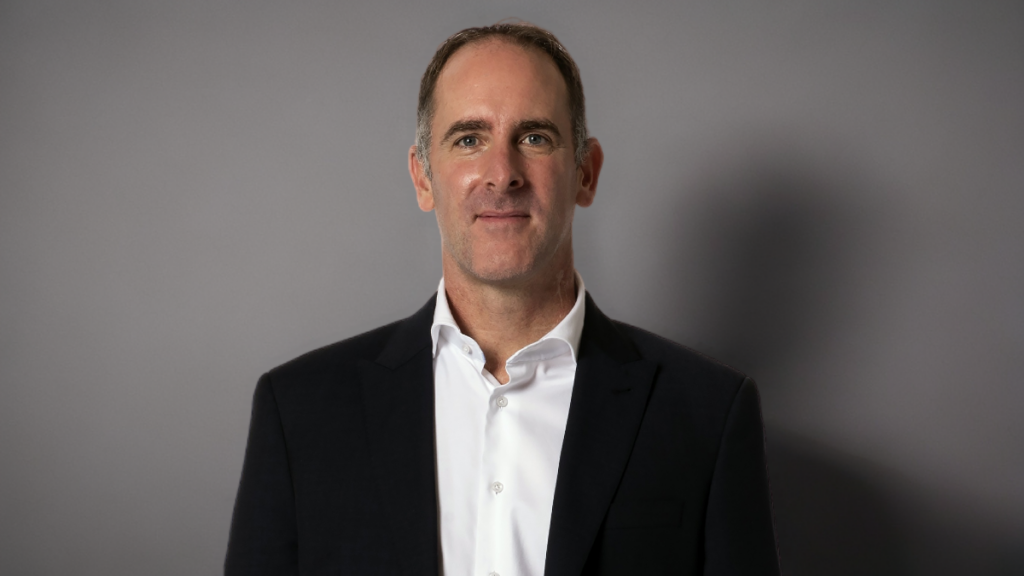
PSG Asset Management’s chief investment officer, John Gilchrist, explained that Donald Trump’s re-election has underscored how political dynamics can impact even the most reliable investment classes.
Following Trump’s re-election as US president, markets are reassessing the potential long-term impacts on investments traditionally seen as stable.
Gilchrist explained that the outcome of the US presidential election has removed at least one aspect of the uncertainty that has dogged markets over the past few months.
“Now that Donald Trump is confirmed to be heading for a second term in office, the market is reassessing the impact of election outcomes on various asset classes,” he said.
“While the initial knee-jerk exuberant ‘Trump trades’ have been receiving attention, we believe that investors should be focusing more on the potential longer-term impacts.”
Gilchrist pointed out that plans to bring the enormous US debt burden under control were notably absent from both candidates’ campaign plans.
The U.S. national debt has reached a staggering $36 trillion, with the 2024 federal budget deficit estimated at $2 trillion. Interest payments alone are expected to surpass $1.1 trillion this year.
While both Trump and his opponent, Kamala Harris, proposed policies that would increase the debt by 2035, the Committee for a Responsible Federal Budget highlighted Trump’s approach as more detrimental.
His proposed tax cuts, without corresponding spending reductions, leave questions about how the administration will manage the deficit.
“With significant planned tax reductions not being offset by increased tariffs and reduced spending, it is unclear how Trump will seek to ‘balance the books’, other than relying on the proposed Department of Government Efficiency (DOGE) to help trim substantial costs from the national budget,” Gilchrist said.
In addition, although the US Federal Reserve recently cut rates to support economic growth, inflationary pressures in the country are building.
Trump’s policies – including tariffs, tax reductions, immigration clampdowns, and deregulation – are expected to drive up prices.
The breakeven inflation rate has already climbed from 2% in September 2024 to 2.3%, reflecting market fears of higher inflation.
Gilchrist explained that external factors also compound the risks.
For example, the International Monetary Fund (IMF) has warned of inflation vulnerabilities stemming from supply-side shocks, such as geopolitical tensions, health crises, and climate change.
Disruptions in oil supply, particularly in the Middle East, could amplify these pressures, though oil prices remain steady for now.
Gilchrist cautioned that inflation could force the Federal Reserve to halt or even reverse its rate-cutting cycle sooner than anticipated.
Therefore, rising inflation, combined with an unstable geopolitical environment, poses a significant challenge to both equity and bond markets.
US Treasuries, which are often seen as the quintessential “safe-haven asset”, are also under threat.
Gilchrist explained that rising inflation and mounting debt may deter traditional buyers, such as China and Japan, from continuing their support.
In addition, the US faces a daunting funding requirement of $11 trillion, considering maturing debt and budget deficits.
If foreign demand for Treasuries declines, the US will need to issue debt at higher yields, increasing borrowing costs.
Gilchrist warned that this scenario could pave the way for bond vigilantes – investors who push up bond yields to influence policy – similar to the market reaction to the UK’s mini-budget in 2022.
Therefore, even the US, long considered financially invincible, may find itself vulnerable to the consequences of rising borrowing costs.
While policymakers could resort to inflation or fiscal repression to manage the debt, both of these options would erode the value of safe-haven assets.
For investors, Gilchrist said the current environment demands a reevaluation of traditional strategies.
While US equities have seen short-term gains, long-term prospects are less certain, particularly with the S&P 500 trading at a price-to-earnings ratio of 26 times.
In addition, the dominance of high-valued mega-cap technology stocks, comprising nearly a third of the index, adds to the risks.
Gilchrist, therefore, emphasised the importance of diversification and inflation hedges, such as gold and real assets, which remain attractively priced compared to stretched equity valuations.
 Loading ...





Comments