South Africa’s biggest stock exchange at risk of losing 10% of its turnover


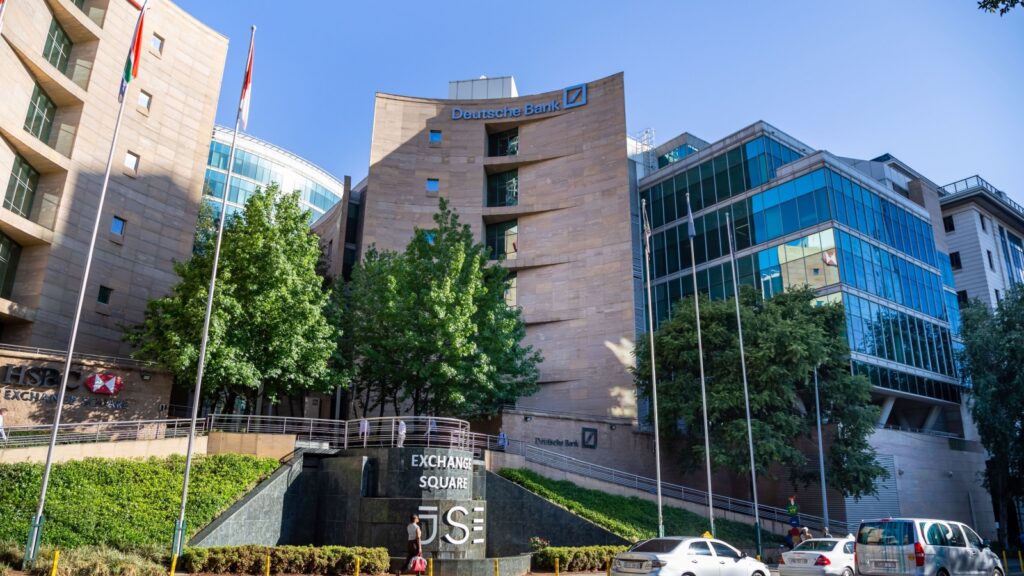
The Johannesburg Stock Exchange (JSE) could face an administrative penalty of approximately R340 million following a Competition Commission investigation into alleged anti-competitive behaviour.
The case was referred to the Competition Tribunal in October 2025 after a complaint by rival stock exchange A2X Markets.
The possible penalty represents around 10% of the JSE’s annual income and approximately a third of its net profit, according to XA Global Trade Advisors CEO Donald MacKay.
Speaking to BizNews, MacKay said the outcome could have implications beyond the immediate financial penalty.
In particular, he pointed out that it could potentially change how stock exchanges operate in South Africa.
The JSE has categorically denied the allegations and said it has cooperated fully with the investigation.
A2X Markets lodged this complaint with the Competition Commission in October 2022. They alleged that the JSE had abused its dominant market position through exclusionary conduct.
The complaint focused on two areas of the JSE’s operations – its broker-dealer accounting (BDA) system and its matched principal (MP) trade type.
Following a three-year investigation, the Competition Commission referred the matter to the Competition Tribunal in October 2025.
The commission recommended that the tribunal prosecute the JSE and sought an order requiring it to amend its rules governing the BDA system and the MP trade type. It also sought a potential administrative penalty.
The JSE said the commission had not provided details in its public announcement or the non-confidential version of its referral affidavit.
The exchange said it was preparing its response to the referral, which was expected to be filed in early 2026. It also said it could not determine when the matter would proceed to trial.
A2X welcomed the commission’s decision, arguing that South Africa’s equity market had been dominated by a single player for more than a century.
A2X CEO Kevin Brady said the market’s structure had contributed to fewer listings, stagnant liquidity and rising costs for issuers and investors.
“Our market must embrace competition to create the dynamic capital market that South Africa needs,” Brady said.
A2X also argued that international markets, including Europe, Australia and India, had benefited from greater competition between exchanges.
It said this had helped reduce costs, encourage innovation and improve liquidity. However, the JSE has strongly rejected the allegations.
It said it had cooperated fully with the Competition Commission and had been advised by external legal counsel that the commission’s claims were without merit.
The R340 million penalty could change the market
The potential financial penalty is significant, but MacKay explained that the consequences could extend much further.
He estimated that a 10% penalty on the JSE’s annual income would amount to approximately R340 million.
While this represents around 10% of turnover, MacKay said it would equate to roughly a third of the exchange’s net profit.
He noted that the main consequence would be the changes the JSE could be required to make to its business practices.
“Should the JSE lose at the tribunal, it will force a fundamental change in how stock exchanges operate in South Africa,” he said.
MacKay said this could make it easier for alternative exchanges to compete, with longer-term implications for the JSE’s business model.
He also argued that paying a fine would not be enough if the tribunal found the exchange guilty of anti-competitive behaviour.
“You can’t buy your way out of that by paying a fine. You have to stop the anti-competitive behaviour that started all of this in the first place.”
The Competition Commission has sought changes to the JSE’s rules governing the BDA system and matched principal trades.
However, it remains unclear what specific directives the tribunal could impose if it rules against the exchange.
MacKay said the tribunal needed to finalise the matter, and added that there appeared to be a meaningful risk for the JSE. He also raised concerns about how long the investigation and subsequent proceedings had taken.
The commission’s investigation lasted around three years before the matter was referred to the tribunal. By October 2026, the case had been waiting for a decision at the tribunal for approximately a year.
MacKay warned that delays in competition cases could allow the alleged anti-competitive conduct to continue, potentially harming consumers and competitors. He also questioned the JSE’s assessment of the likelihood of a penalty.
The exchange had informed investors of the proceedings but indicated that it did not consider the probability of an adverse outcome to be particularly significant.
Investors should have clear information about the potential exposure when assessing the company.
He did not argue that the JSE was necessarily required to recognise a liability in its financial statements, but said greater disclosure would help investors understand the risks.
Smaller stock exchanges struggle to compete
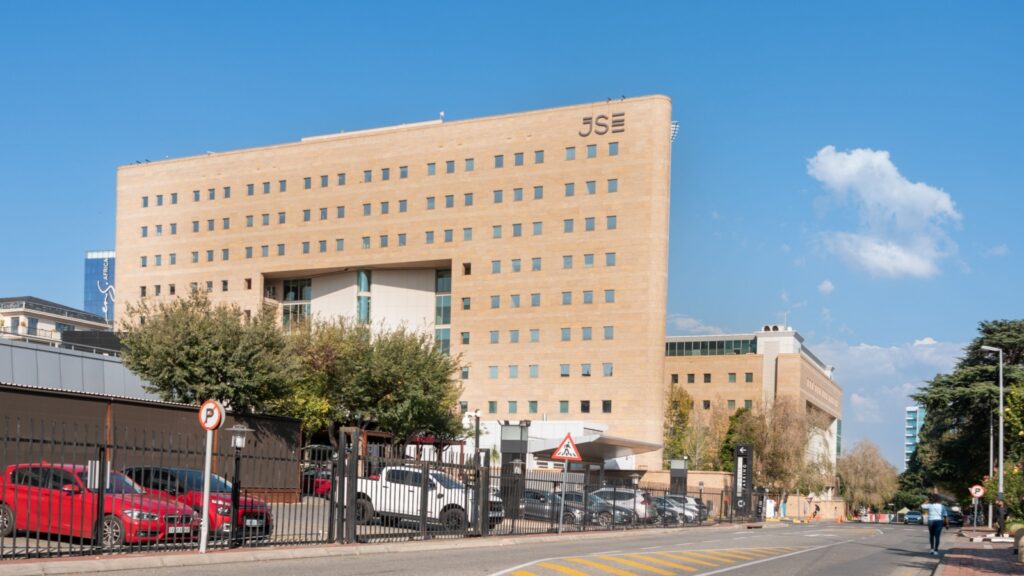
The case comes as alternative exchanges face challenges establishing themselves in South Africa. MacKay said several alternative exchanges had failed to survive, while others were close to closing down.
He cautioned that he could not attribute their difficulties directly to the JSE’s alleged conduct.
However, he pointed out that the situation shows the challenges of competing in a market historically dominated by one exchange.
The JSE is in an unusual position as both a participant in the market and an entity that regulates aspects of that market.
The exchange had operated as South Africa’s only stock exchange for around 100 years, but the market has since changed.
As things stand, the JSE continues to deny the allegations, and the Competition Tribunal has yet to make a final decision.
Login or register for unlimited free access.