How to trade Forex in South Africa: A beginner’s roadmap


Forex trading has become increasingly popular in South Africa, offering both new and experienced traders opportunities to profit from currency movements.
For beginners, finding their way through the world of Forex can feel overwhelming.
This roadmap will guide you through the essential steps how to trade forex in South Africa responsibly and effectively.
Understand the Basics of Forex Trading
Before placing a single trade, it’s important to know how the market works.
Forex trading involves buying one currency while simultaneously selling another, in pairs such as USD/ZAR or EUR/USD.
Prices are influenced by global economic events, political developments, and market sentiment.
Your aim is to predict whether a currency pair will rise or fall and place trades accordingly.
Key terms to learn:
- Pip – the smallest price movement in a currency pair.
- Lot size – the amount of currency you trade.
- Leverage – borrowing funds from your broker to increase trade size.
- Spread – the difference between the buying (ask) and selling (bid) price.
Choose a Reliable Forex Broker
In South Africa, it’s best to choose a broker regulated by the Financial Sector Conduct Authority (FSCA).
This means your broker operates under local laws and provides a level of investor protection. When evaluating brokers, compare:
- Trading platform usability (e.g., MetaTrader 4/5, proprietary platforms)
- Account types and minimum deposits
- Available currency pairs
- Spreads, commissions, and fees
- Customer support quality
Open and Fund Your Trading Account
Once you’ve selected a broker, you’ll need to complete their account verification process, which typically requires proof of identity and address.
Then, deposit funds using available methods like bank transfer, credit card, or e-wallets.
Start with a modest amount that you can afford to lose, as Forex is a high-risk market.
Learn and Practice With a Demo Account
Almost all reputable brokers offer demo accounts, allowing you to trade with virtual money in real market conditions. Use this to:
- Test your strategies
- Familiarize yourself with the trading platform
- Understand risk management
A demo account helps you gain confidence before committing real capital.
Develop a Trading Plan
A trading plan acts as your roadmap in the markets. It should outline:
- Your risk tolerance (e.g., risking no more than 2% per trade)
- Entry and exit rules
- Preferred trading times (South Africans often trade during London and New York market overlaps)
- Strategies based on technical and/or fundamental analysis
Understand Risk Management
Risk management is what keeps traders in the game.
Use stop-loss orders to automatically close trades at a predetermined loss and take-profit orders to lock in gains.
Avoid over-leveraging as high leverage can magnify profits, but it also amplifies losses.
Stay Informed
Currency prices move based on economic events, so follow:
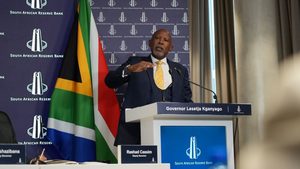
- South African Reserve Bank interest rate announcements
- GDP and employment data
- Global market news, such as US Federal Reserve decisions or geopolitical tensions
Start Small and Grow Gradually
Begin with small position sizes to limit risk as you gain real-world experience.
Review each trade, learn from mistakes, and refine your strategies over time.
Final Thoughts
Forex trading in South Africa offers exciting potential, but it’s not a quick path to wealth.
Think of your first months as an apprenticeship during which your primary goal is to learn, not just to earn.
 Loading ...