SARS tax dispute costs taxpayer before case even begins


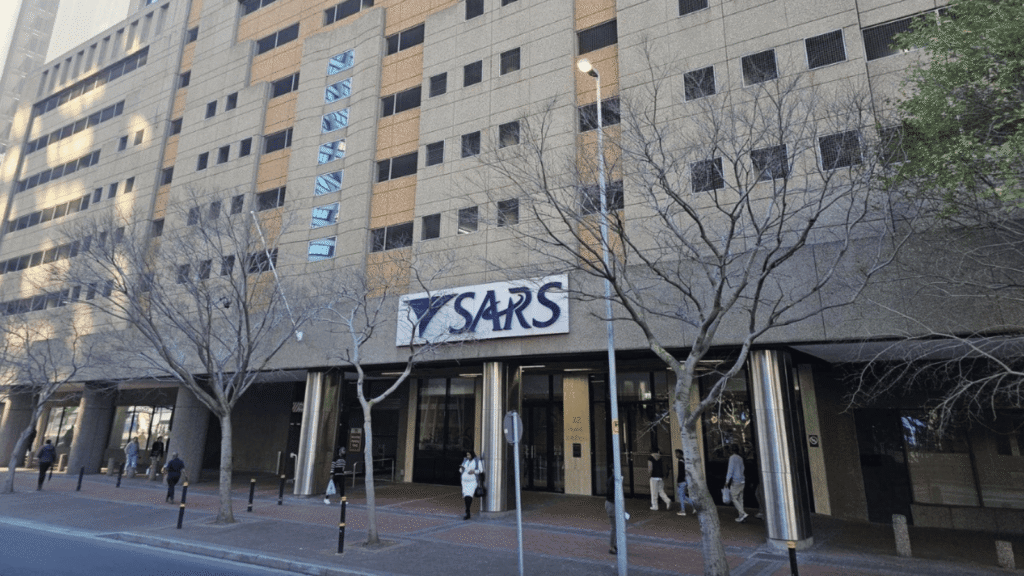
A recent Tax Court case showed how poor preparation and late disclosure can lead to significant legal costs for taxpayers, even when the underlying dispute with SARS is never decided.
This is according to Tax Consulting SA’s Head of Tax Controversy & Dispute Resolution, André Daniels, who said taxpayers should think carefully before allowing a tax dispute to progress into litigation.
The warning follows a recent judgment in MNO v Commissioner for the South African Revenue Service (SARS), which was heard in the Tax Court in Johannesburg.
The appeal had been set down from 1 to 4 June 2026, with SARS having briefed both senior and junior counsel for the four-day hearing. SARS had also engaged an expert to assist with the case.
However, on 30 May 2026, just days before the trial was due to begin, the taxpayer discovered a large amount of additional material.
SARS argued that its expert needed more time to consider the material before the case could proceed properly.
With only the weekend remaining before the hearing, the taxpayer accepted that the matter had to be postponed indefinitely. As a result, the hearing never got underway.
The Tax Court did not determine whether SARS’ assessments were correct. Instead, it had to address the costs incurred by the postponement. This means the underlying tax dispute remains unresolved.
The taxpayer accepted that it should pay the wasted costs resulting from the postponement. The dispute centred on how much of those costs should be covered.
The court agreed that SARS should be fully indemnified for the costs incurred because counsel reserved all four days.
This included senior and junior counsel on Scale C, as well as the expert’s reasonable taxable preparation and reservation fees.
The court was particularly critical of the timing of the taxpayer’s discovery of the additional material. It found that the material should have been disclosed “weeks or months, if not years ago”.
“This sort of conduct gives the legal process a bad reputation,” remarked the case judge, Wilson J.
As such, the taxpayer was therefore left with a potentially substantial legal bill, while still having to deal with the original SARS dispute.
The cost of being unprepared

Daniels said this case illustrates an important reality of tax litigation. Litigation against SARS is sometimes unavoidable, particularly where the parties have exhausted meaningful opportunities to resolve a dispute.
However, taxpayers should not treat court proceedings as the first step in resolving a disagreement. “Litigation should ordinarily be the end of the road, not the starting point,” he said.
By the time a dispute reaches the Tax Court, a taxpayer may already have spent significant amounts on attorneys, counsel, experts, discovery and preparation.
Those costs remain even when a hearing does not proceed. In some cases, taxpayers can also become liable for SARS’ wasted costs.
This means a taxpayer can incur substantial litigation costs without obtaining a judgment on the actual tax liability.
However, Daniels stressed that this case does not mean taxpayers should avoid taking the revenue service to court.
There are legitimate disputes that require judicial intervention, including cases involving difficult questions of law, principle or fact.
Daniels said taxpayers and SARS should make better use of the opportunities available to resolve disputes before they reach a fully contested hearing.
South Africa’s tax dispute resolution framework provides mechanisms for narrowing issues, exchanging evidence and engaging on each party’s position.
He encouraged taxpayers not to treat these processes as mere procedural steps before starting litigation.
Taxpayers also need to ensure that their documentary and evidentiary position is complete before committing to a trial.
SARS, in turn, should meaningfully consider the taxpayer’s case rather than treating every dispute as something that must ultimately be defended in court. “The objective should be resolution, not litigation for litigation’s sake.”
The MNO case also shows the practical costs of preparing for court. Court dates, legal teams and experts need to be booked in advance.
When significant evidence emerges at the last minute, those arrangements cannot always be changed without financial consequences. Experts may also need significant time to assess new information.
Daniels said taxpayers, therefore, need to understand that the financial risks of tax litigation extend beyond the eventual outcome.
“Evidence cannot emerge at the eleventh hour. Experts cannot realistically be expected to reconsider substantial new material over a weekend.”
For taxpayers considering litigation against SARS, the case shows the importance of pursuing meaningful engagement first.
It also shows that taxpayers who proceed to court must ensure their cases are properly prepared before the hearing begins.
“The Tax Court in MNO never determined whether SARS was right, but someone still had to pay for the legal costs. In this case, it was the taxpayer,” Daniels said.





Comments