South Africans who drink alcohol should prepare for a new tax


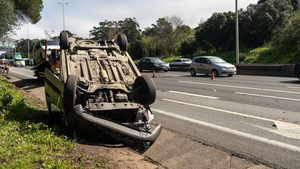
Due to the consumption of alcohol playing a major role in accidents on South Africa’s roads and fatalities, a levy could be charged on alcoholic products to help fund the Road Accident Fund (RAF) and road safety efforts.
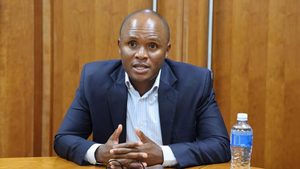
Deputy Minister of Transport Mkhuleko Hlengwa put forward this proposal following the department’s release of statistics regarding road accidents and fatalities over the festive season.
The department flagged increased accidents and fatalities on South Africa’s roads throughout December and the beginning of January.
Over 1,500 South Africans lost their lives, and nearly 4,000 individuals were arrested for drinking and driving in the space of a few weeks.
“We have seen drinking and driving, in particular, contributing to fatalities on our roads. People have no due regard at all, drinking in the early hours of the morning or even at 9 am and driving,” Hlengwa told Newzroom Afrika.
Hlengwa explained that not only is drinking and driving resulting in increased fatalities, but increasingly drunk pedestrians are causing accidents on the country’s roads.
“We have to have a broader conversation as a country about alcohol consumption as South Africa is the fifth-largest consumer of alcohol per capita in the world.”
This societal problem is increasingly endangering the lives of South African motorists and pedestrians, with innocent lives being lost as collateral damage.
“We do need to hit the pocket of perpetrators as far as consequences are concerned from offences on the road,” Hlengwa said.
“What we are looking at with the minister is to go beyond the planned demerit system to be implemented in the future to ensure fines follow the perpetrators.”
One method to hit perpetrators where it hurts and reduce alcohol consumption is to increase the price of alcoholic beverages.
“I think a conversation needs to be had about the pricing of alcohol and levies charged on those products, particularly what those funds are used for.”
“I do not see anything wrong with us instituting within the alcohol pricing system a direct levy for the RAF.”
Currently, the RAF is funded through a levy charged on fuel at the pump alongside the General Fuel Levy.
Hlengwa said that instituting such a levy on alcohol products would not only help reduce consumption in South Africa but also provide much-needed funding for the RAF.
Furthermore, this will ensure that perpetrators, whether drunk pedestrians or drivers, fund the RAF.
The RAF is currently sitting with growing backlogs and over R500 billion in unpaid claims due to the mismanagement of funds from the RAF levy.

Hlengwa’s proposal is not the only plan from the government to make changes to fuel levies in South Africa.
As part of the government’s efforts to ease the financial pressure on South African households, President Ramaphosa said it would conduct a review of fuel levies in the country.
Minister of Mineral and Petroleum Resources Gwede Mantashe said last year that his department was in discussions with the National Treasury to bring down the price of fuel in South Africa.
Mantashe said the discussions centre around changes to the levies charged at the pump, such as the GFL and RAF Levy.
“The price of fuel is part of the cost of living. When the fuel price goes up, the cost of living in South Africa increases. This is not good for society,” he said.
“The state must intervene to bring energy prices down in the interest of the South African community.”
Mantashe said the levies charged on fuel distort the price of petrol and diesel in South Africa, with a more accurate price being around R14 per litre.
However, any changes to the fuel levies will significantly impact tax revenue in South Africa, with the government expecting to rake in around R93 billion from the General Fuel Levy in the current financial year.
The government can use the money collected on the GFL as it wishes, while the revenue from the RAF Levy is used to fund the organisation’s operations.
From the beginning of June, around R6.40 per litre of petrol goes towards paying taxes and levies at the pump. R3.85 per litre of petrol goes to the GFL, while for diesel, it is R3.70 per litre.
The Organisation Undoing Tax Abuse (OUTA) also warned South Africans that the government has tried this all before and come up short with no substantial changes to the fuel price formula.
The organisation is concerned that changes to the GFL and RAF Levy would result in the government needing to increase taxes.
It said VAT and PAYE are the most likely candidates to make up the shortfall.
The only other way we could manage such a drastic reduction in taxation would be to remove the wasteful expenditure caused by maladministration and corruption throughout all levels of government.


Comments