R400 billion and 600,000 jobs: One company holds South Africa’s economy in the palm of its hands


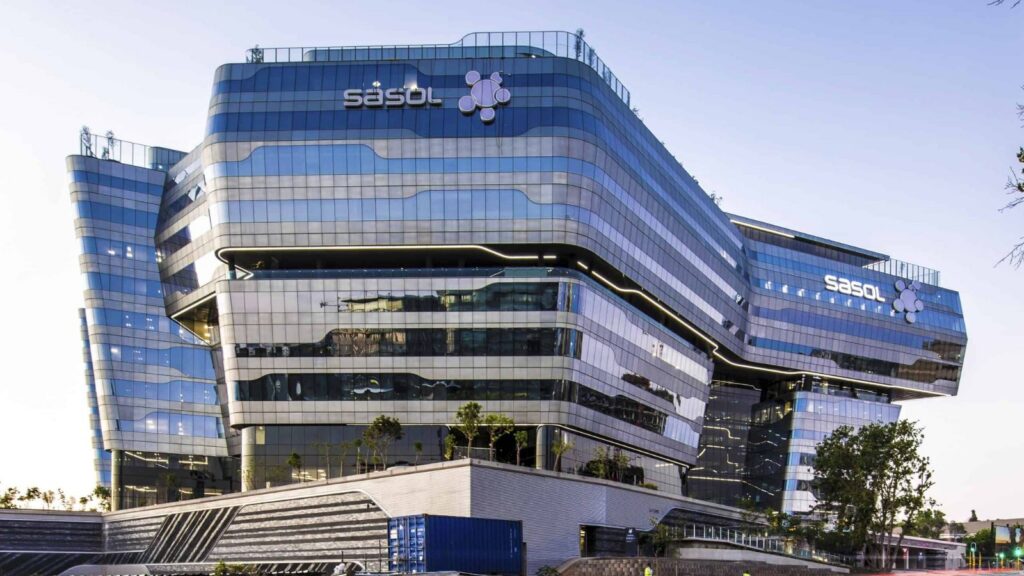
Sasol’s fixed investment in its South African assets supports 5% of the country’s economic output and 600,000 jobs.
The R20 billion the company spends annually to maintain its assets accounts for the majority of fixed investment in South Africa.
CEO Simon Baloyi told the 9th BizNews Conference that the company has run the numbers on what would happen if it stopped investing in asset maintenance.
Apart from the company itself being unable to continue without constant investment, a significant chunk of South Africa’s economy would collapse as a result.
Baloyi said Sasol’s calculations show that South Africa’s economy would contract by 5% of GDP within a year if the company halted its maintenance investments.
At an annual GDP of R8 trillion, this translates into lost economic activity of R400 billion. Baloyi said the fallout would be swift and severe.
Much of Sasol’s R20 billion in maintenance capex goes towards its Sasolburg and Secunda facilities, which produce fuel from coal.
These are the only two plants in the world that do this on a commercial scale and meet a third of South Africa’s fuel demand.
This means that halting maintenance on these assets would have significant implications for South Africa’s balance of payments and national security.
Without these facilities, South Africa would have to import all of its fuel and would have no protection from external supply shocks.
Baloyi said the economy would come to a standstill overnight were these facilities to stop operating for any reason. Together, they produce 10 billion litres of petrol and diesel annually.
Sasol’s investment also supports a substantial number of jobs in South Africa, with Sasolburg and Secunda employing 40,000 people.
When maintenance is included, this number more than doubles for two months of the year. To maintain Secunda alone, Sasol brings 50,000 to the site for a month.
Were Sasol to halt maintenance, Baloyi said 500,000 to 600,000 direct and indirect jobs would be lost. These tend to be high-paying jobs, with the ripple effect being much worse.
Baloyi said the towns and cities dependent on demand from Sasol employees or the company itself would be devastated, resulting in wastelands in parts of the country.
“Sasol is a cornerstone organisation in South Africa. It is much more than a business. It is quietly sitting there, holding many things together,” Baloyi said.
“For the management team, maintaining the stability of Sasol is not just a demand from shareholders, but something we refer to as a national security duty.”




Comments