The man who makes R60,000 per month selling chickens for R100 each in a market which Boxer, Shoprite, and Usave cannot touch


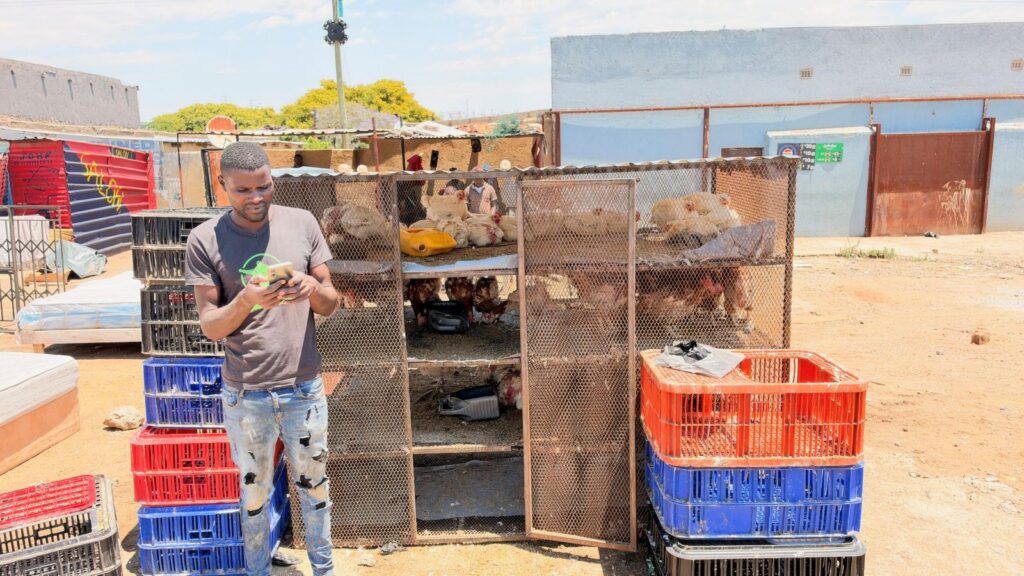
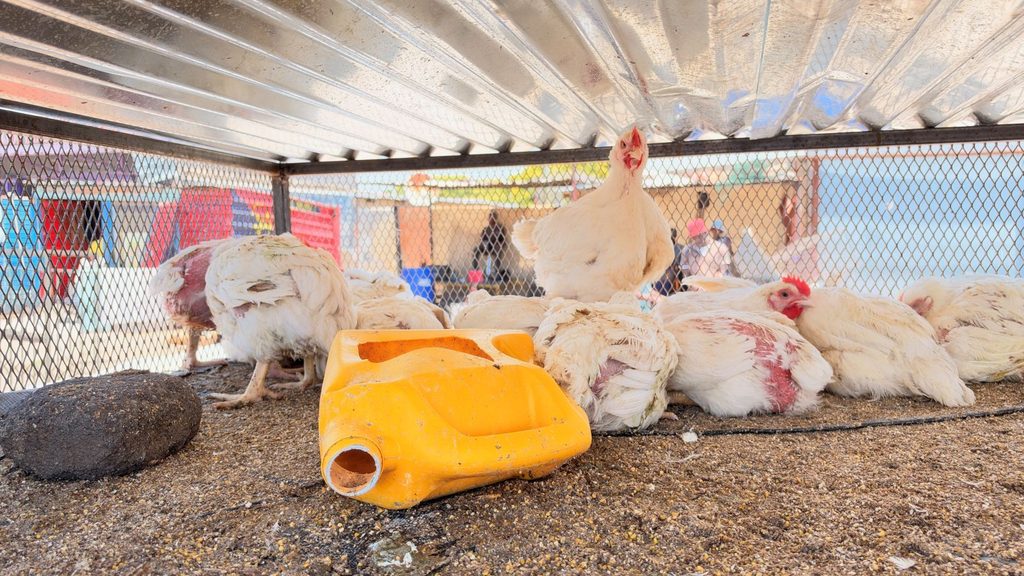
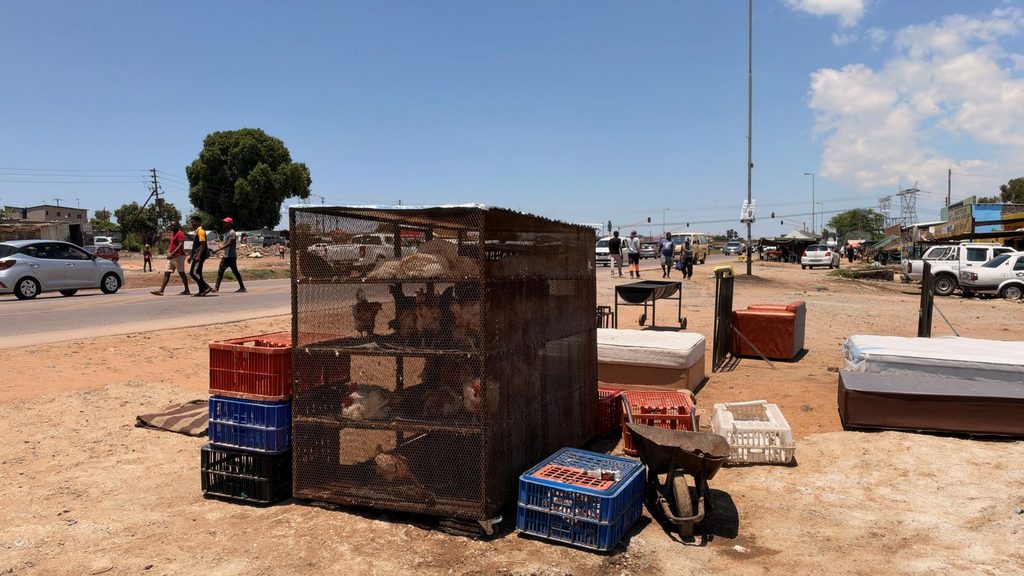
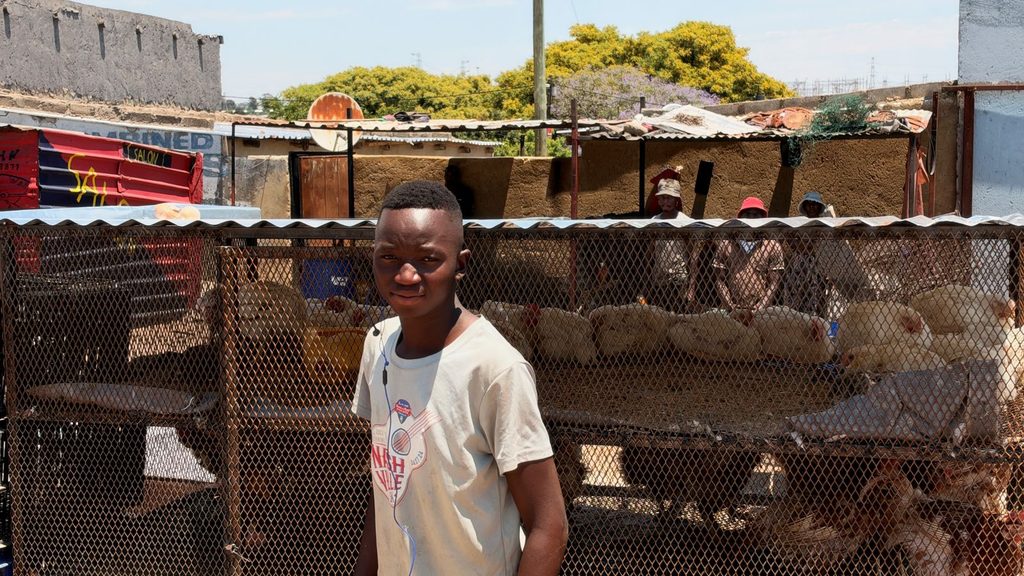
Zakaria is the man behind First Chicken, a successful business which sells chickens in the heart of Olievenhoutbosch, Centurion.
First Chicken has established itself as a fast and reliable place for Olievenhoutbosch residents to get a freshly prepared chicken.
There is a strong market for live chickens, or for chickens prepared on-premises, in South African townships.
This segment, referred to as the live bird market or informal poultry trade, is driven by cultural traditions, culinary preferences, trust in freshness, and economic mechanics.
Freshly prepared chicken is considered superior in flavour to frozen, brine-injected commercial chicken pieces found in supermarket chains.
Buyers see the bird alive before purchase, ensuring it is healthy, active, and uncompromised.
Purchasing a live bird also allows households or caterers to use every part of the chicken, which are integral components of traditional meals.
This is a market which traditional retailers, like Shoprite, Boxer, and Usave, cannot penetrate, leaving it open for township entrepreneurs.
Zakaria capitalised on this need by founding First Chicken, which has become the go-to business for live and prepared chickens.
His business generates approximately R2,000 per day, equating to R60,000 per month. It accepts both cash and EFT as payment.
He employs 3 people, and this tight-knit team serves a steady stream of local customers every day.
Zakaria told Daily Investor that he plans to expand the business’s reach and capacity to serve even more customers across the area.
Informal economy and township entrepreneurs
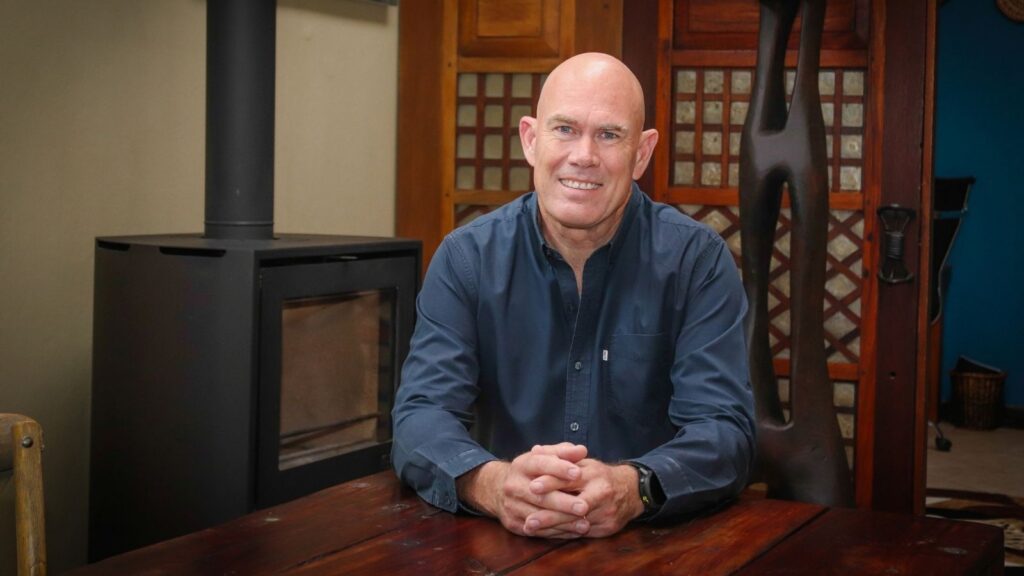
Zakaria is one of the thousands of informal-economy entrepreneurs who run successful businesses and employ millions of people.
Informal economy expert GG Alcock estimates that the informal economy is worth R1 trillion annually and is growing faster than the formal economy.
In his book KasiNomics Unleashed, Alcock said that the informal economy is advanced and that business owners are skilled at what they do.
He added that, although it is described as informal, it is a structured and professional business sector which mirrors the formal economy.
Beyond just survivalist enterprises, the informal sector includes successful businesses in food, property, and automotive services.
According to Alcock, South Africa’s official unemployment rate is too high because it fails to account for individuals earning significant informal or passive incomes.
His views are supported by data from former Capitec chief executive Gerrie Fourie, who said the 33% unemployment rate is a myth.
“South Africa’s unemployment rate is definitely not 33%, and nobody will convince me that it is 33%. Our unemployment rate is actually between 10% and 15%,” Fourie said.
Both Alcock and Fourie believe that South Africa’s economic potential can be unlocked by growing the country’s informal market.
By shifting the focus from creating new startups to scaling existing entrepreneurs, Alcock said the country can better foster intergenerational wealth.
“True economic growth requires recognising and investing in these bustling informal markets rather than relying solely on the formal corporate sector,” Alcock said.
Top banks are targeting the informal sector
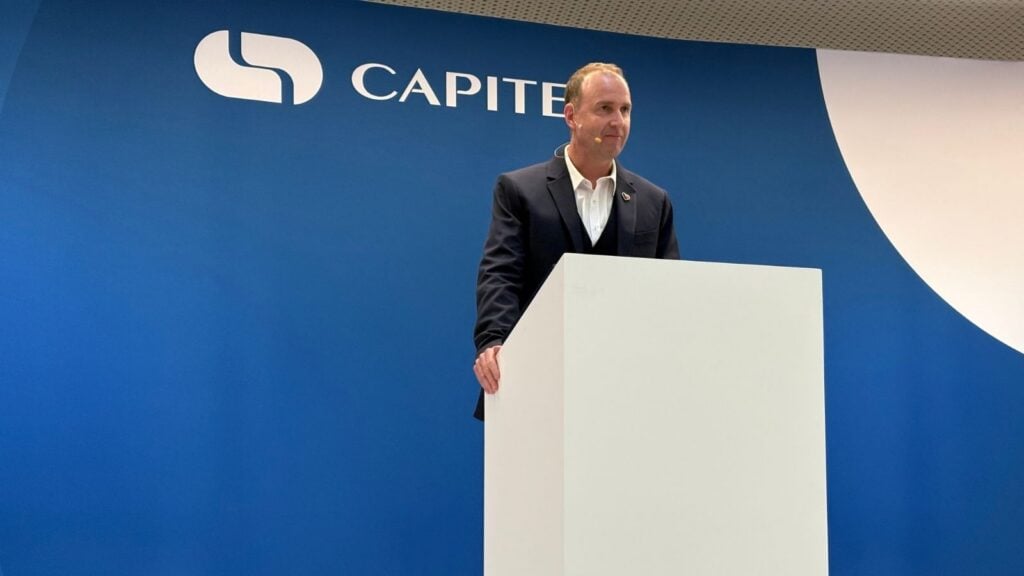
The size and rapid growth of the informal sector mean that many large banks are now targeting it through tailored financial services.
Many large banks, including Capitec and Standard Bank, have launched services aimed at informal-economy businesses.
Capitec CEO Graham Lee said targeting this market is not as complicated as many may think.
This is because informal businesses share many of the same needs as those in the formal market.
Capitec can also tap into its extensive database to develop products specifically geared towards informal businesses.
“If you look at sort of any market segment, you can characterise them or use the same basic mental model in terms of understanding what their needs are,” he explained.
“What you see in the emerging market is very much the same needs as you expect of any business.”
Lee said the two most pressing needs for most businesses are the ability to transact and access to funding.
“We can see that at every tier in terms of business size and turnover, and you definitely see it also in the emerging market,” he said.
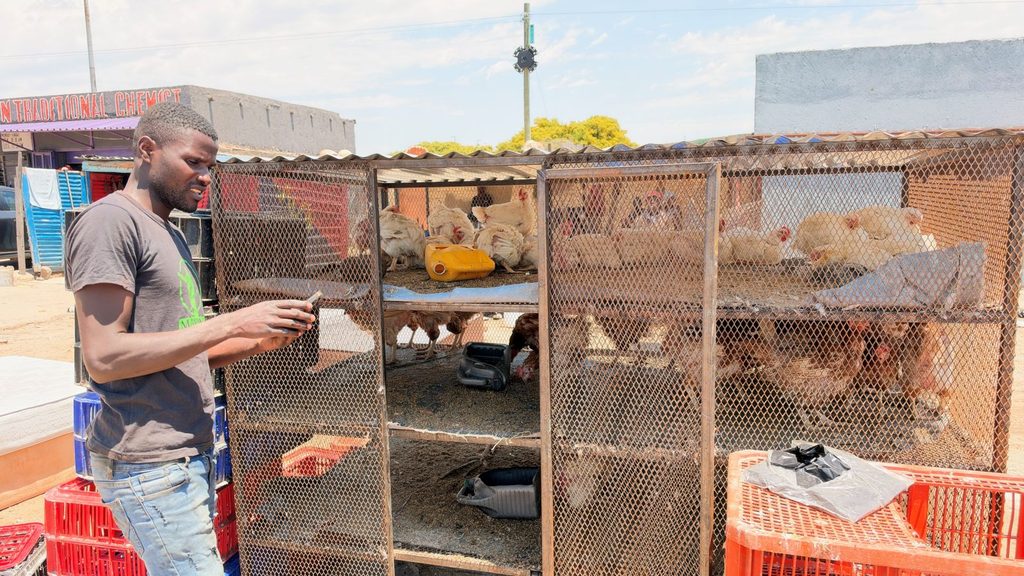
First Chicken business photos
Login or register for unlimited free access.