Audi goes from hero to zero in South Africa


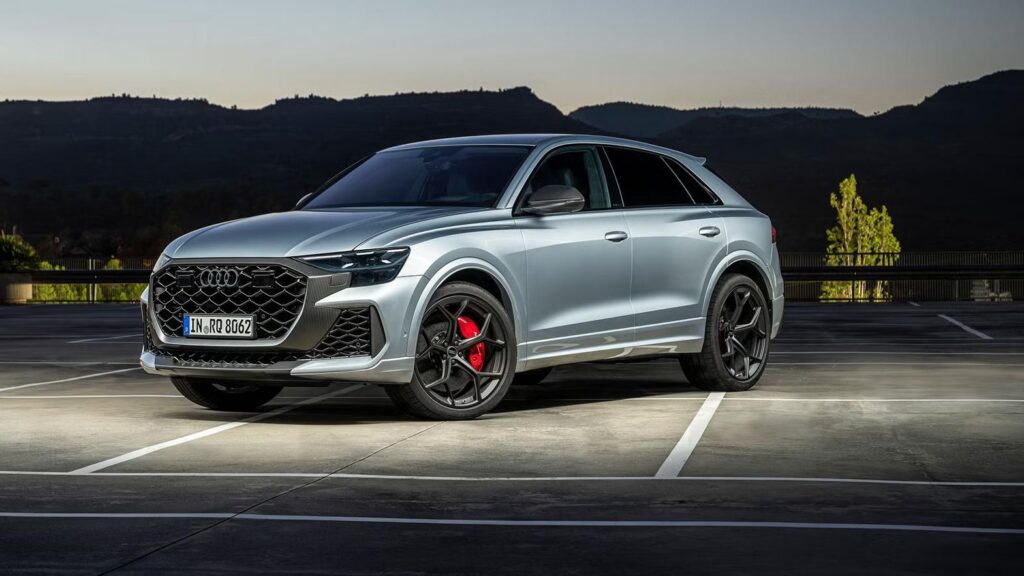
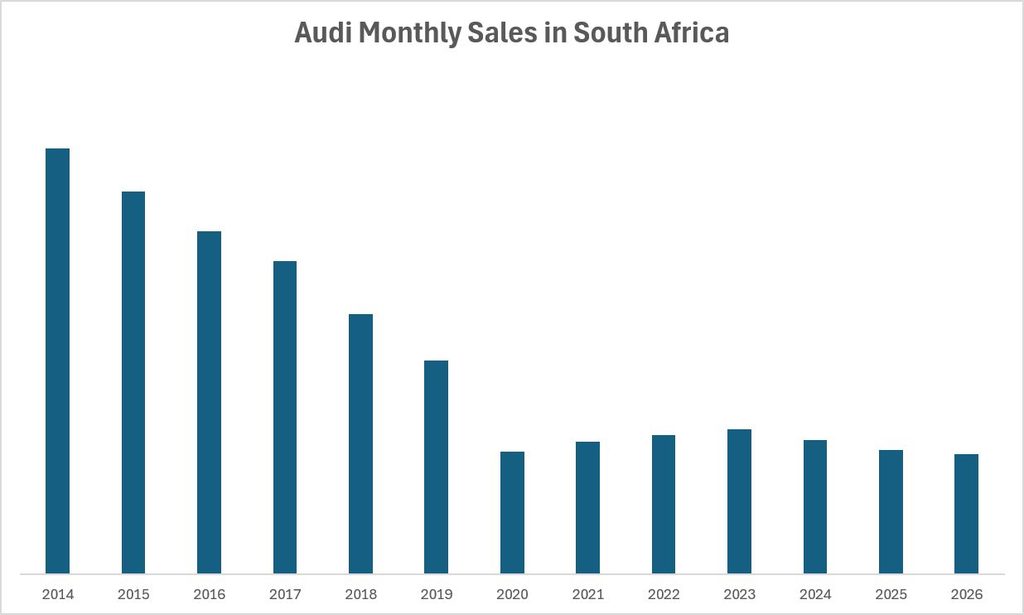
Audi’s sales have plummeted by 76% over the last 12 years, which shows the brand’s decline in South Africa amidst increased competition.
The automaker has a long history in South Africa, which dates back to 1968, when local distributors started to sell the Audi 100.
In the eighties, local production expanded when an assembly plant in Uitenhage began manufacturing the Audi 80 and Audi 100.
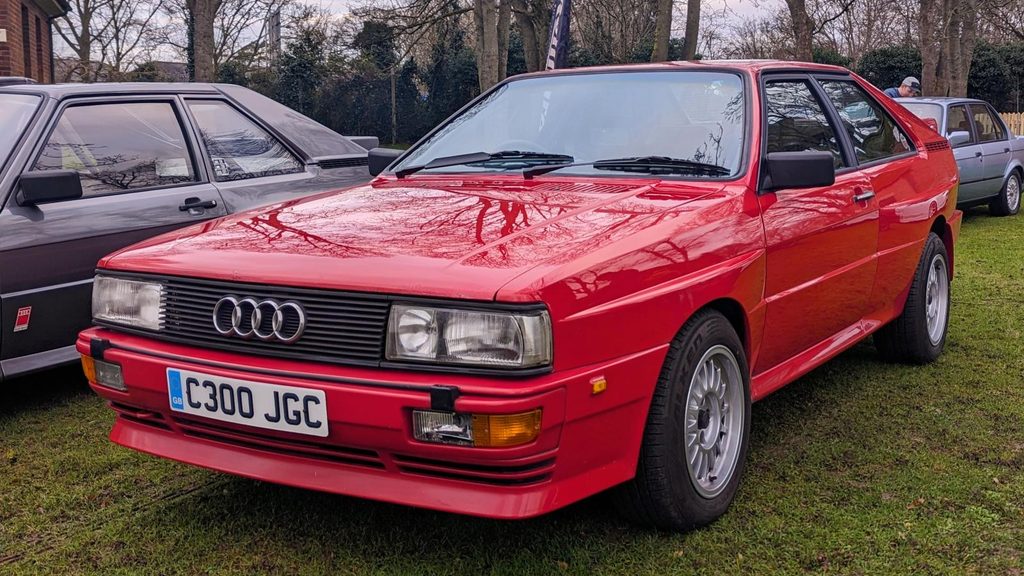
During this time, Sarel van der Merwe and Geoff Mortimer dominated the South African Rally Championship behind the wheel of the iconic Audi quattro.
The Audi quattro became known as the ‘must-have’ performance car, and it has sold over 60,000 units since its launch in the seventies.
The brand became synonymous with sporty vehicles, high build quality and stylish, progressive design.
To own an Audi, especially an Audi quattro, was a significant status symbol in South Africa, showing that you had arrived.
Today, the Audi Group, which includes the brands Ducati and Lamborghini, is among the world’s leading producers of premium cars.
In South Africa, Audi falls under Volkswagen Group Africa (VWA), which consists of Audi, Volkswagen passenger cars, and Volkswagen commercial vehicles.
Established in 1946, Volkswagen Group Africa is a wholly owned subsidiary of Volkswagen Aktiengesellschaft (VWAG) in Germany.
It is the largest German investment in South Africa and is a major contributor to foreign direct investment, technology transfer and skills development.
Audi South Africa operates within VWA’s National Sales & Marketing organisation, which is based in Sandton, Johannesburg.
The rise and fall of Audi in South Africa
After the democratic elections in 1994 and the easing of trade restrictions, Audi launched new models in South Africa.
These included the popular A4 and A6 models, which strengthened the brand in South Africa and positioned it as a leader in the premium segment.
In the 2000s, Audi South Africa continued to expand its portfolio, launching models such as the Audi Q7, marking its entry into the SUV segment.
The German carmaker enjoyed strong growth and competed well against rivals such as Mercedes-Benz, BMW, and Volvo.
Audi enjoyed its peak sales volumes in South Africa between 2012 and 2014, reaching a record high of 18,375 cars sold in 2014.
However, since then, the automaker has faced a tough time in South Africa amidst increased competition and economic headwinds.
One of the biggest factors was South Africa’s weak economic growth, which led many people to buy more affordable cars.
This hurt the luxury market, especially traditionally popular German brands like Mercedes-Benz, BMW, and Audi.
Another challenge was the influx of affordable Chinese car brands into South Africa, such as BYD, Jetour, Omoda, Jaecoo, and GWM.
These Chinese cars offer better value for money than their German counterparts, which has led to them gaining market share in South Africa.
The September 2026 vehicle sales numbers showed that GWM now sold 2,700 cars per month in South Africa, JETOUR sold 2,036, and BYD sold 659.
BMW, in comparison, sold 1,396 cars, while Mercedes-Benz sold 509. This shows the struggle of luxury German carmakers in South Africa.
Although Audi does not publicly report individual sales figures, the latest industry data indicate it sells fewer than 450 units per month.
This is a 76% decline over the last 12 years, which is in line with Mercedes-Benz’s 81%, but much higher than BMW’s 50%.
This shows that Audi’s appeal in South Africa has declined significantly over the last decade and that the brand has lost much of its zest and status.