Water mafia in South Africa damages pipes and pumps to disrupt supply and make money from tankers


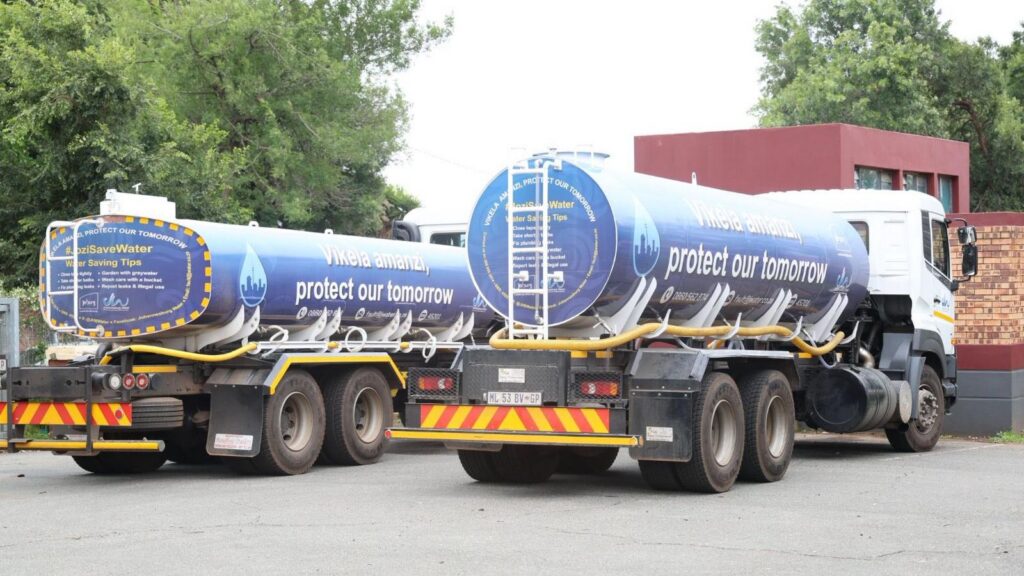
Minister of Water and Sanitation Pemmy Majodina said corruption and criminality have become drivers of the deterioration of water services across many municipalities.
She shared this information in response to a Parliamentary question by National Assembly member Visvin Reddy about the water tanker mafia in South Africa.
The water tanker mafia emerged after the collapse of water treatment plants, the deterioration of municipal water networks, and slow fault repair times.
They initially served an important purpose in supplying water to communications affected by water problems. However, it soon evolved into a criminal enterprise.
The business model of a water tanker company relies on engineered scarcity, like unexpected water outages.
To ensure these water outages persist, the water tanker syndicates actively keep municipal systems broken.
They track municipal repair teams. Once a pipe, valve, or pump station is repaired, criminal operators physically sabotage it.
These water tanker mafias smash valves, cut cables, or block pipes to force an area back into a state of water crisis.
Municipal technicians and contractors trying to fix water infrastructure have faced physical threats, extortion, and armed intimidation, forcing them to abandon repairs.
South African municipalities collectively spent an estimated R2.32 billion on water tanker contracts in the 2024 financial year. This illustrates the scale of the problem.
It has reached such a scale that the Department of Water and Sanitation and the Special Investigating Unit were forced to act.
They created the Water Sector Anti-Corruption Forum to target organised syndicates, procurement fraud, and municipal infrastructure sabotage.
Minister of Water and Sanitation gives feedback on the problem
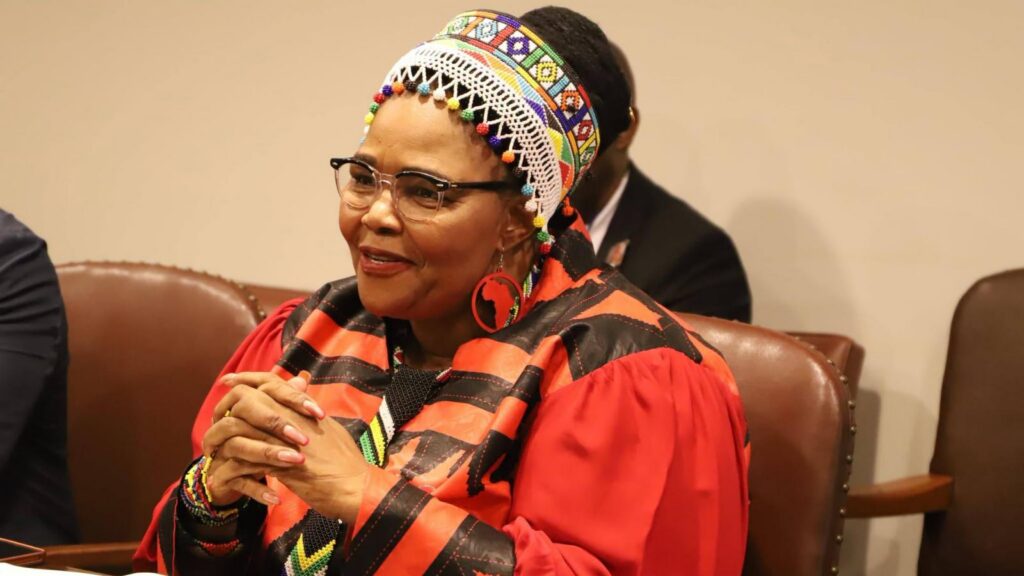
Majodina told Parliament that corruption and criminality have become major drivers of the deterioration of water services in municipalities.
In addition, theft and vandalism of water infrastructure also disrupt the continuity of water and wastewater services.
“This theft and vandalism include sabotage of infrastructure and the theft of metal components for resale as scrap metal,” she said.
In response, the National Water Action Plan has included mechanisms to strengthen coordination across government, law enforcement, and intelligence structures.
These actions, she said, are aimed at combating corruption, theft, sabotage, and organised criminal activities in the sector.
The Department of Water and Sanitation is participating in the National Joint Operational and Intelligence Structure (NATJOINTS).
This aims to intensify efforts to regain control of water tanker provision and reduce the theft of water assets.
It will also strengthen collaboration with law enforcement and anti-corruption agencies to combat infrastructure sabotage and theft.
Municipalities are also advised to procure their own water tankers to regain control of expenditure to procure privately owned trucks.
They are encouraged to use the Water Sector Anti-Corruption Forum to coordinate efforts to prevent, detect, and investigate corruption within the water sector.
Additionally, the National Treasury has advised municipalities that water tankering should not be used as a long-term service delivery model.
“Municipalities are encouraged to insource tankering services through the acquisition and management of their own tanker fleets,” she said.
“Municipalities requesting approval for water tanker expenditure are required to demonstrate measurable progress towards permanent infrastructure repairs.”




Comments