The 107-year-old South African farming giant that makes R18.56 million a day


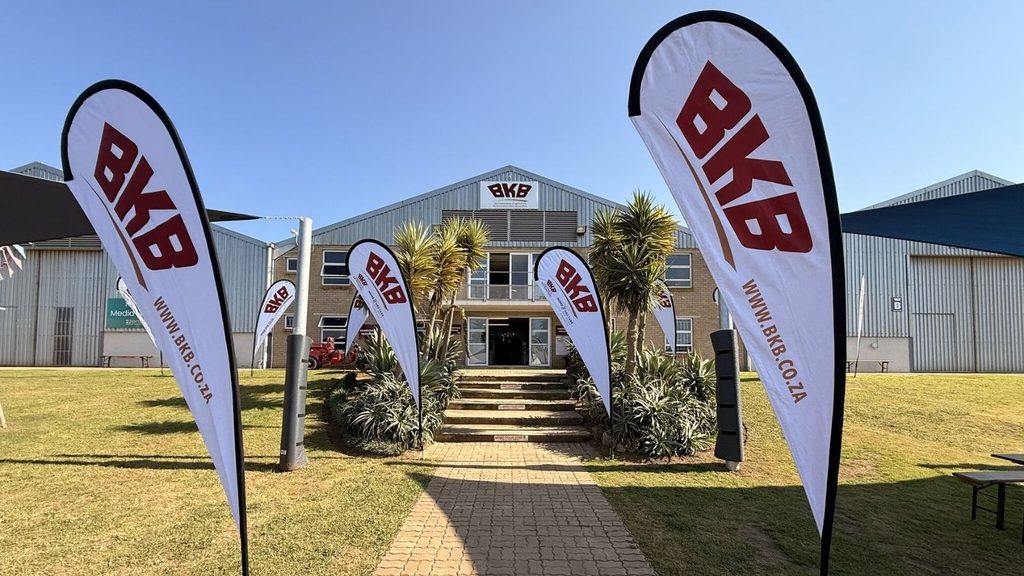
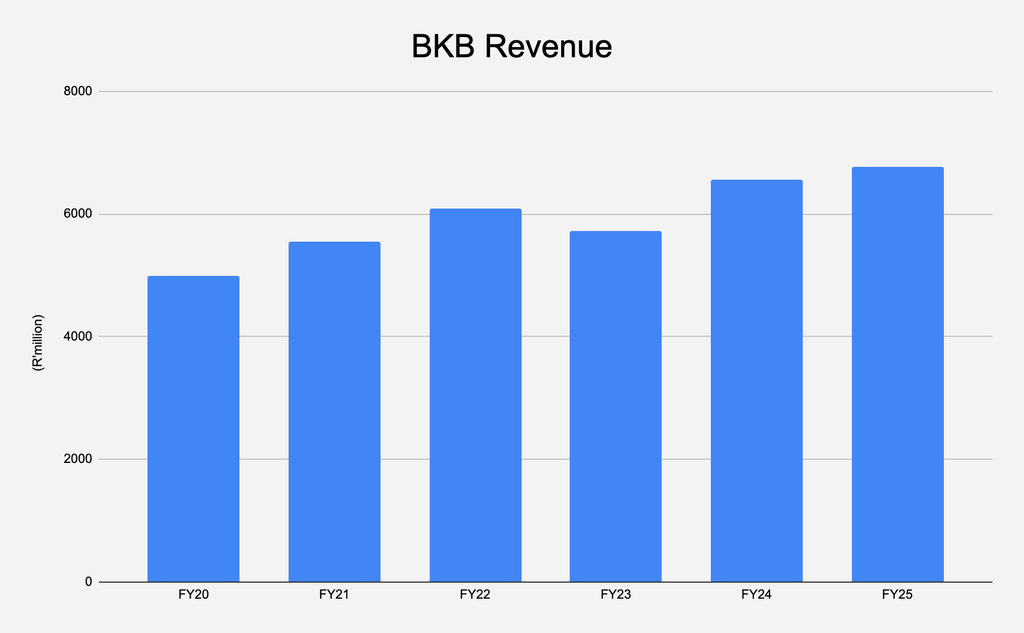
BKB has been a leader in South Africa’s agricultural industry for 107 years, having made R6.77 billion in its latest financial year.
This translates into R18.56 million a day in BKB’s 2025 financial year, or R361,309.59 in profit per day, totalling R131.88 million for the year.
Unlike many companies of its scale and age, BKB is unique in that it is neither privately held nor listed on the Johannesburg Stock Exchange. Instead, BKB is listed on the Cape Town Stock Exchange.
BKB, as it is known today, was founded from the merger of three wool cooperatives in the early 1900s.
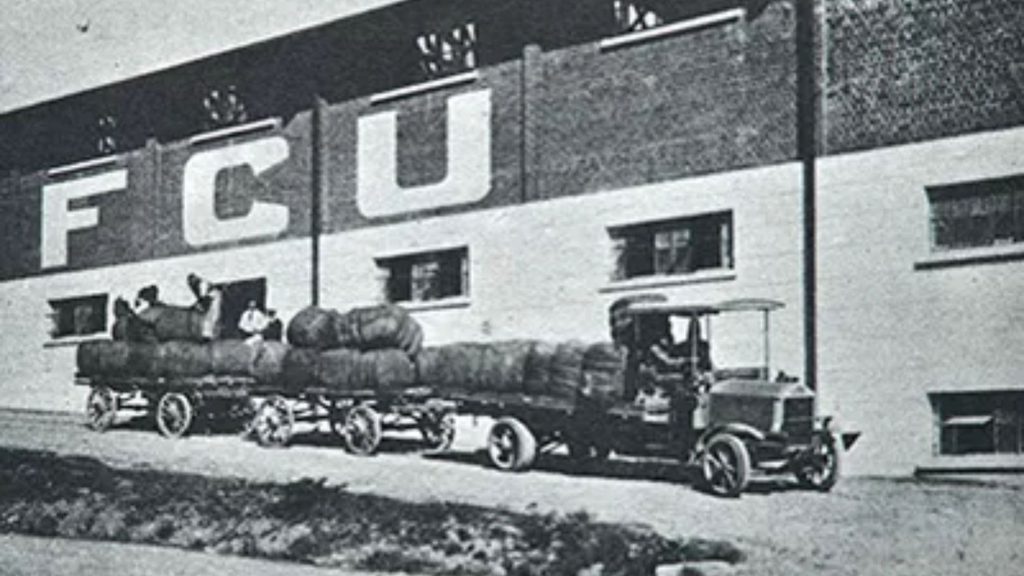
The first wool cooperative, Farmers’ Co-operative Wool and Produce Union (FCU), was established in Gqeberha, then Port Elizabeth, in the Eastern Cape in 1919.
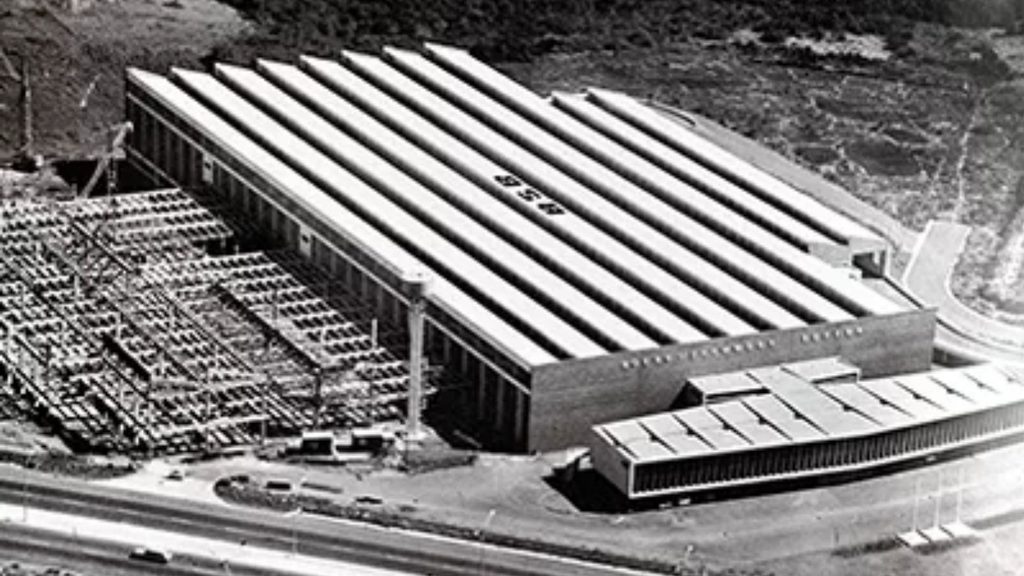
A year later, another wool cooperative, Boere-Saamwerk Beperk (BSB), was founded in Cape Town and relocated to Port Elizabeth that same year.
A third wool cooperative, Ko-operatiewe Wolmaatskappy (KWB), was founded in 1927, but its head office was in Belfast, Northern Ireland, and later moved to Durban, KwaZulu-Natal.
BKB, or Boeremakelaars Koöperatief Beperk, was formed when these three cooperatives merged in 1975, creating a single company headquartered in Port Elizabeth.
With FCU, BSB, and KWB’s combined resources and market share, the newly formed entity, BKB, went from strength to strength and was converted and restructured into a public, unlisted company in 1998.
In the 2000s and 2010s, BKB continued to build on this momentum by pursuing diversification into livestock marketing, grain trading, property sales, and financial services.
It acquired BKB Louwid, a livestock marketing business, in 2005, the same year it transferred 15% shareholding in the company to BBBEE partners in Ciskei, Transkei, and Lesotho.
Two years later, it acquired BKB van Wyk, another livestock marketing business, as well as BKB Granco and Gritco, which are grain storage, trading, and processing companies.
The company’s financial services arm, BKB Agrifin, was established in 2010, marking another area of diversification.
The group continued to grow through mergers and acquisitions in the years to follow, and in 2022, it decided to become a listed entity.
It was listed on the Cape Town Stock Exchange in March 2022 at R10 a share, allowing existing and prospective shareholders to buy and sell shares more cost-effectively.
Today, BKB has a market capitalisation of R811.37 million and is one of the biggest agricultural operations of its kind in South Africa.
BKB’s finances
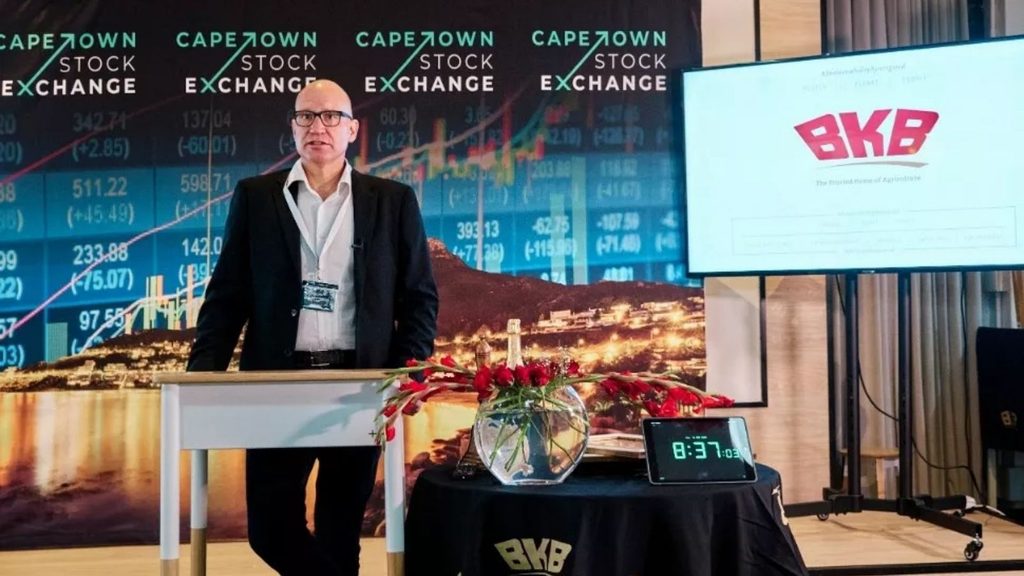
Since 2020, BKB has gone from facing severe agricultural and economic disruption to a leaner, more structurally sound and highly profitable business.
The company slumped during the Covid-19 pandemic, hit by a combination of pandemic-era lockdowns, a foot-and-mouth disease outbreak, delays in wool exports, and depressed livestock prices.
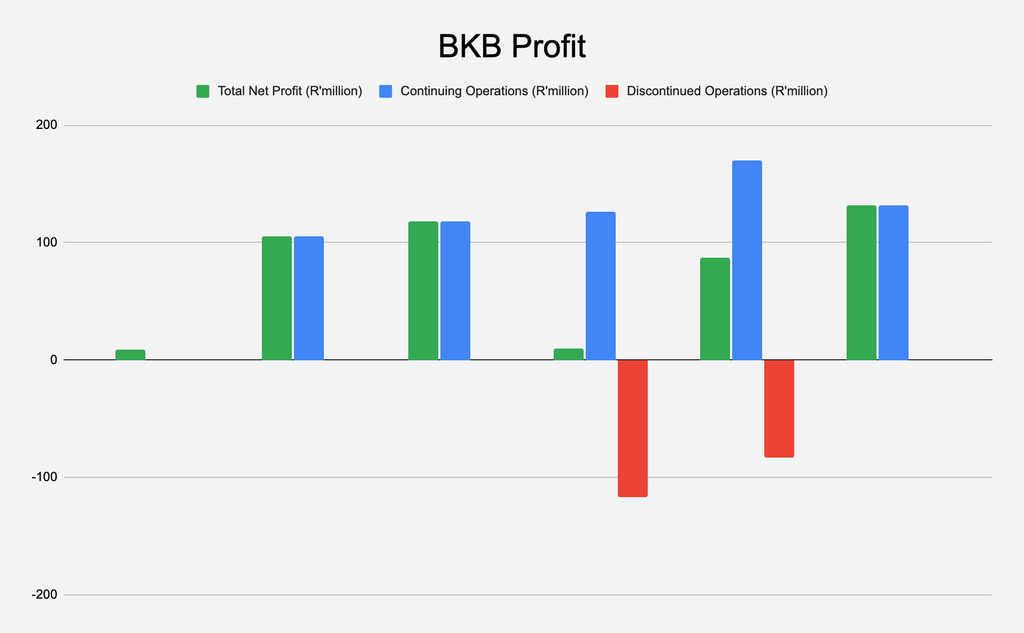
The company’s 2020 revenue was limited to R4.99 billion, and its net profit declined to R8.57 million.
However, it rebounded in 2021 and 2022, the same year as its listing on the Cape Town Stock Exchange. The company’s profit returned to growth, reaching R117.85 million in 2022.
BKB undertook a restructuring and rightsizing in 2023 and 2024, which was costly and led to the company divesting its non-core, loss-making operations.
This includes its lucerne pressing, fruit, and grit mill businesses. These divestments led to R116.46 million in discontinued operations losses, pulling BKB’s profit down to R9.85 million.
By 2024, this restructuring was completed successfully, and the group’s continuing operations posted a profit of R170.24 million, while discontinued losses shrank to R82.97 million.
In its latest full financial year, 2025, it is clear that BKB’s leaner business has also made it highly profitable.
It recorded zero losses from discontinued operations, and its net profit surged 51.1% to R131.88 million.
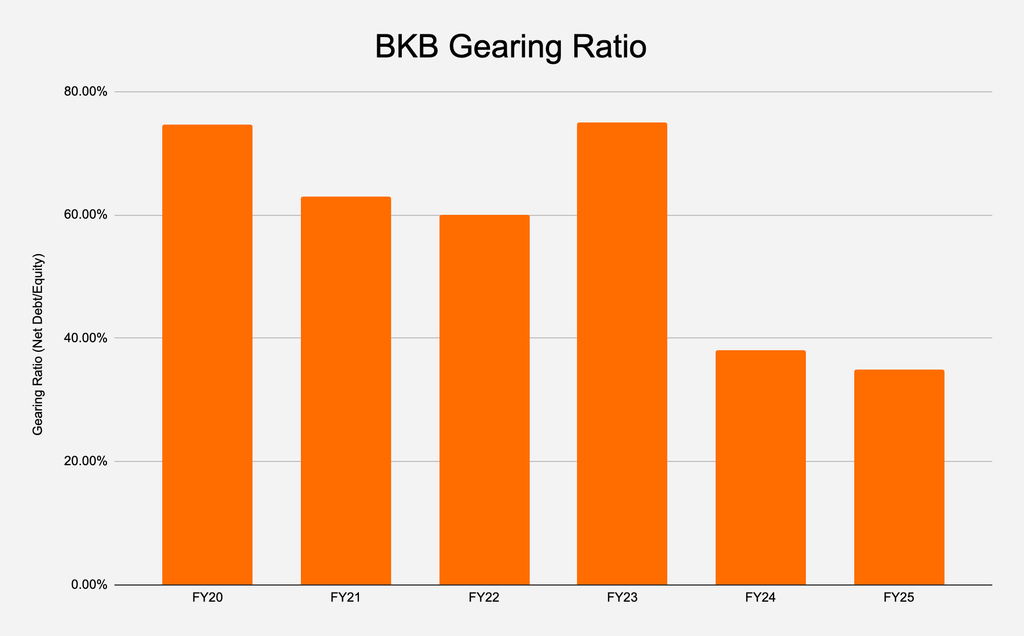
That same year, its gearing reached a record low of 35%, prompting the company’s board to declare an all-time-high gross dividend of 50 cents per share and announce a share buyback programme.
BKB’s financial performance from the 2020 to 2025 financial year can be seen in the graphs below.
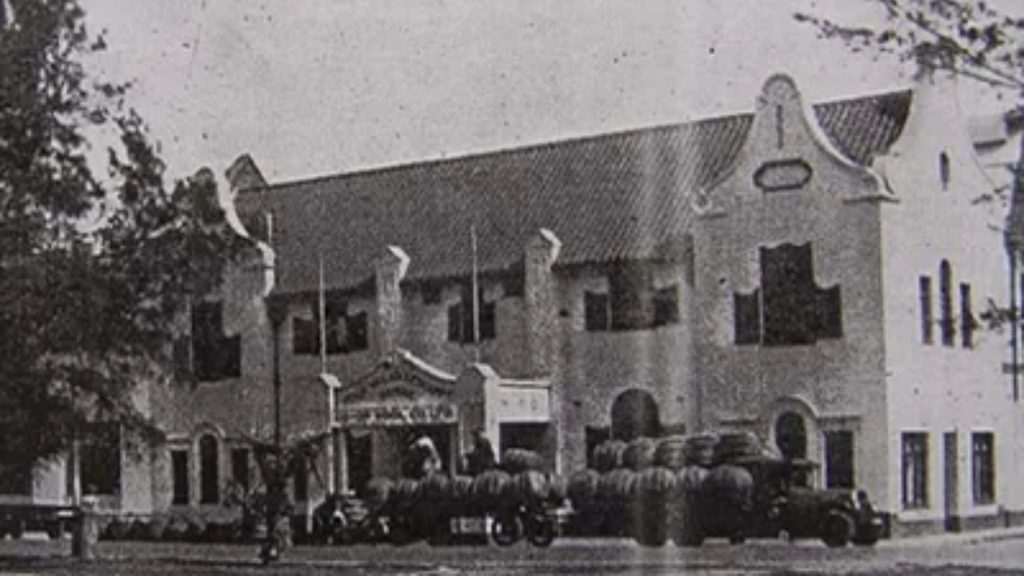
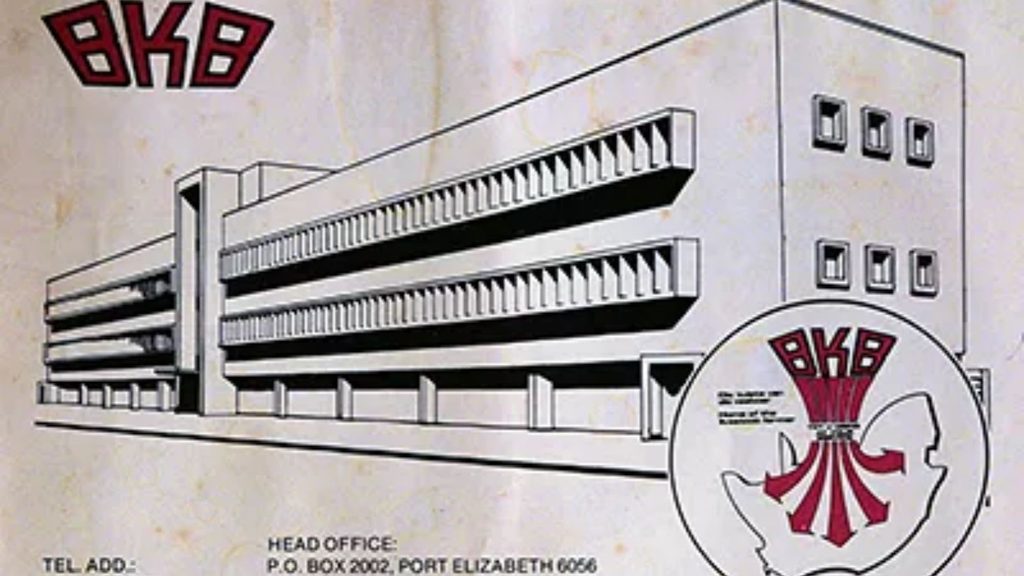
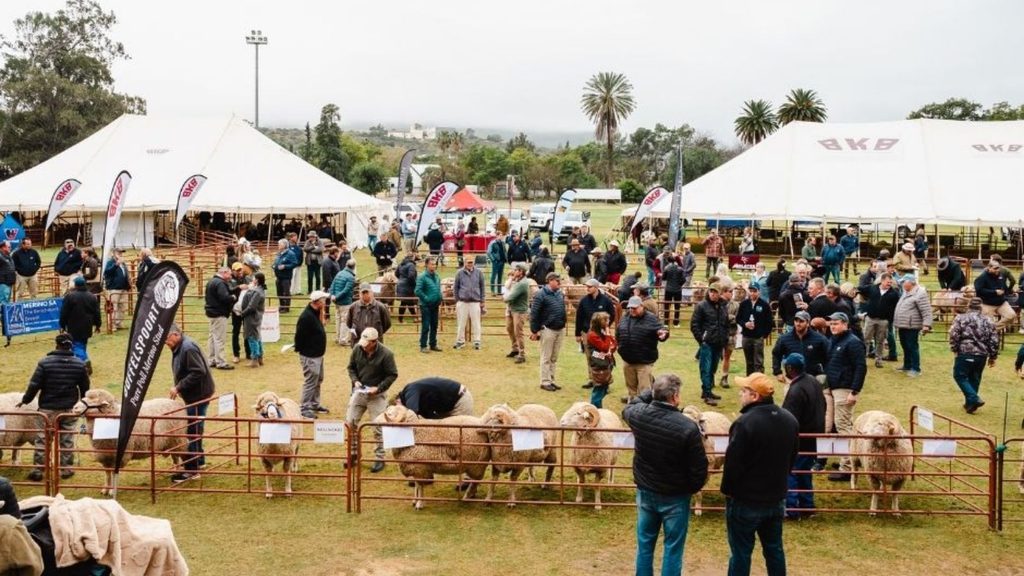
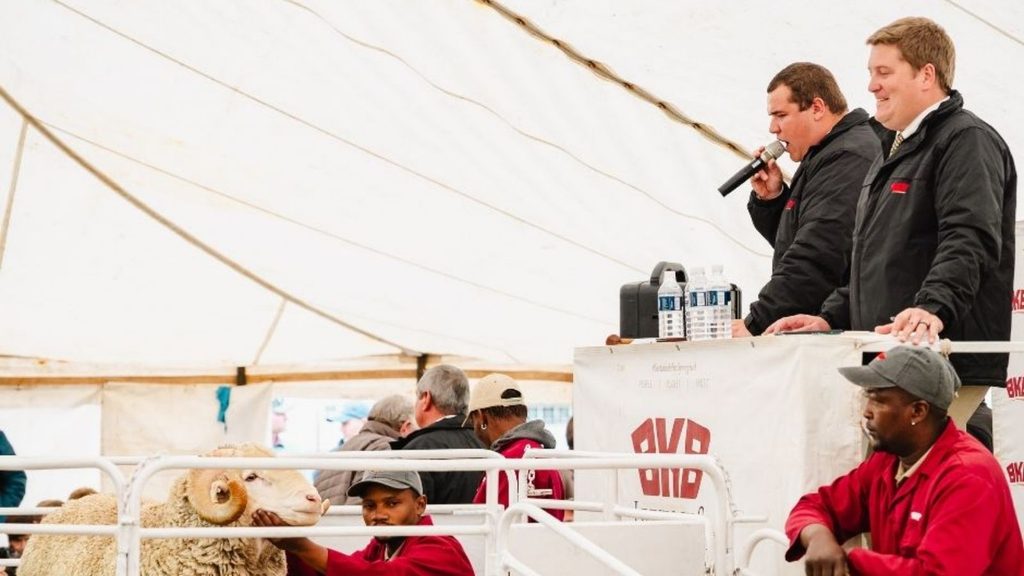
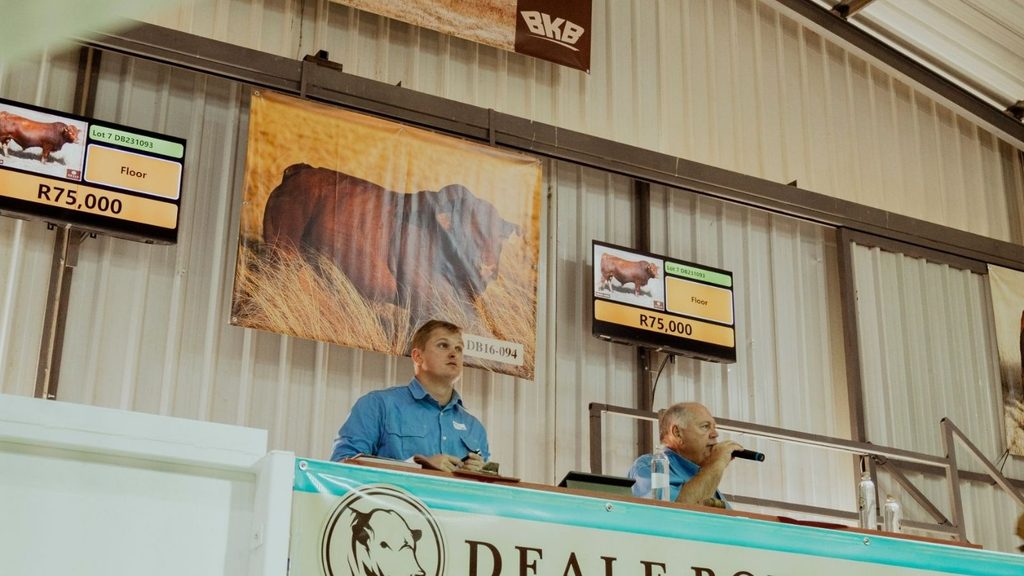
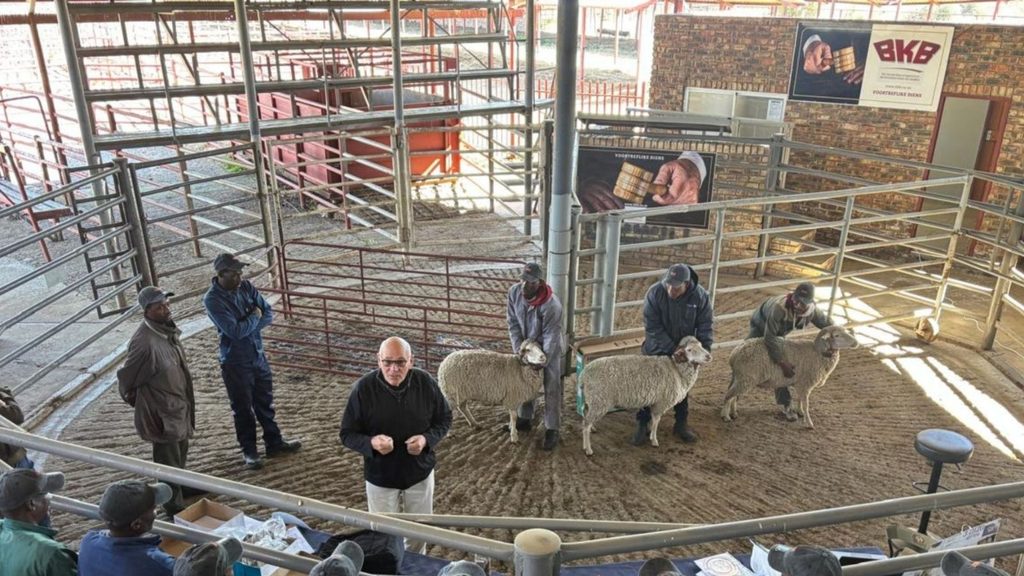
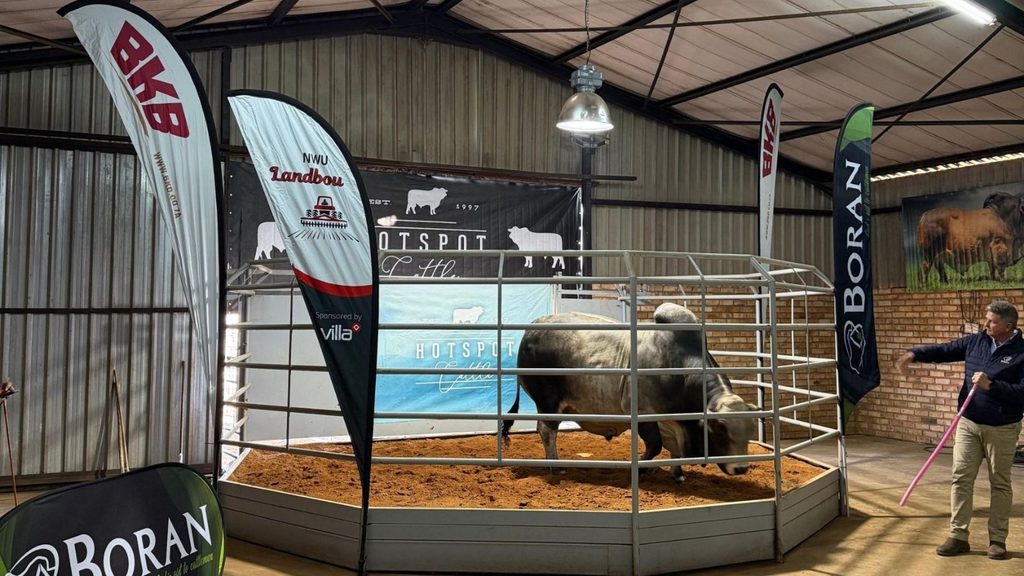
Photos of BKB through the years




Comments