The businessman who makes R86,500 per month, pays no tax, and collects childcare and old age grants


Joe, a township butchery owner, makes R70,000 from his business, R9,000 from backroom rentals, and pays no income tax.
His household also benefits from R5,500 in his wife’s income, and he receives childcare and old-age grants of R2,000 per month.
This was revealed by informal economy expert GG Alcock in his new book, KasiNomics Unleashed.
Alcock explained that Joe buys products in bulk from the Johannesburg Market in City Deep. He would then sell them in smaller portions.
“Joe turns R100,000 per month, untaxed. His input cost is less than 30% of sales. Apart from weekly commutes to the market, his overheads are virtually zero,” he said.
“He has no paperwork. His business pays no rent, no utilities. He sees no need to formalise his business.”
In the most recent South African census, Joe indicated that he was ‘unemployed, but looking for a job’.
“Joe and his family lead a basic, low-profile life. Around 2002, he and his wife received an RDP house from the government. They did not end up selling it,” Alcock wrote.
“Like most of their neighbours, they densified their property, building six additional rental units, each generating R750 to R1 500 a month.”
They rent these units to foreigners, no questions asked. His wife administers the rental scheme and does piece jobs.
Joe and his wife also enjoy the benefits of childcare grants and an old-age grant from the government.
Alcock provided a regular monthly household income statement for Joe and his family:
- Net income from Joe’s Butchery business – R70,000
- Income from his wife’s piece jobs – R5,500
- Rental income from their six rental units – R9,000
- Childcare and old age grants – R2,000
- Total Estimate Monthly Household Income – R86,500
Joe and his family are examples of informal-economy and township entrepreneurs who operate outside the formal business environment.
These businesspeople include bakers, backroom rental barons, coffee innovators, goat breeders, spaza innovators, mattress makers, and vetkoek fryers.
“These kasipreneurs not only sustain their communities but also drive considerable economic growth and social improvement,” Alcock wrote.
“Each one has a unique story, yet they share a common thread of perseverance, innovative spirit, resilience and ingenuity.”
He said that while many people see these entrepreneurs as subsistence businesspeople, it is not the case.
The informal economy mirrors the formal economy, with many large businesses and innovative, driven entrepreneurs.
“These are the men and women who create opportunities, build livelihoods, and contribute to the economy in ways that often go unrecognised,” he said.
“Their stories challenge the narrative and shine a light on a vibrant, entrepreneurial spirit thriving in the heart of the informal economy.”
This informal economy also creates doubt over South Africa’s official 33% unemployment figure.
Many of these entrepreneurs, like Joe, tell Statistics South Africa officials that they are unemployed to collect social grants.
Alcock and former Capitec CEO Gerrie Fourie, who studied this market, estimate that the true unemployment rate is between 10% and 15%.
GG Alcock’s book, KasiNomics Unleashed, is available from all bookstores and online retailers.
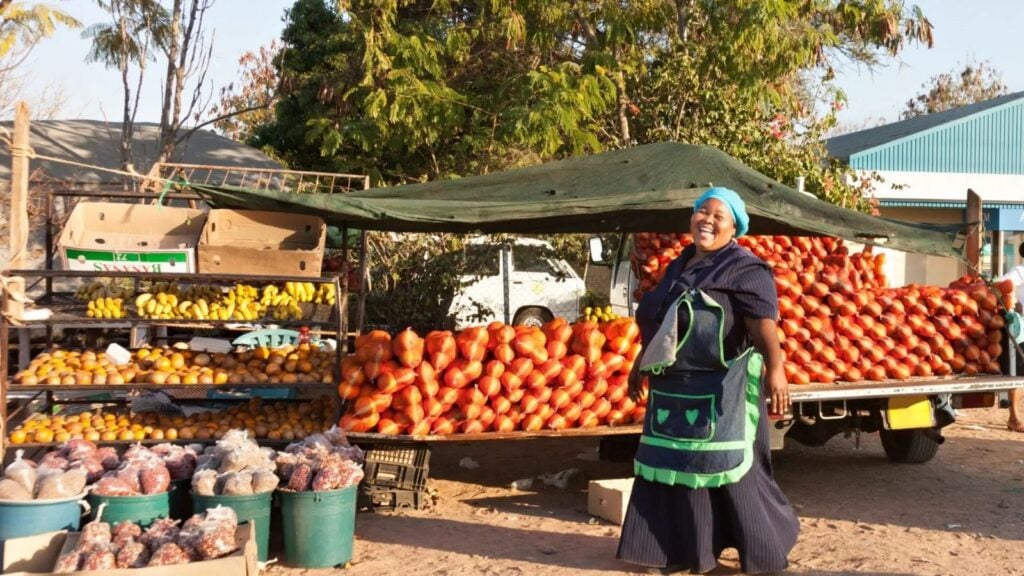
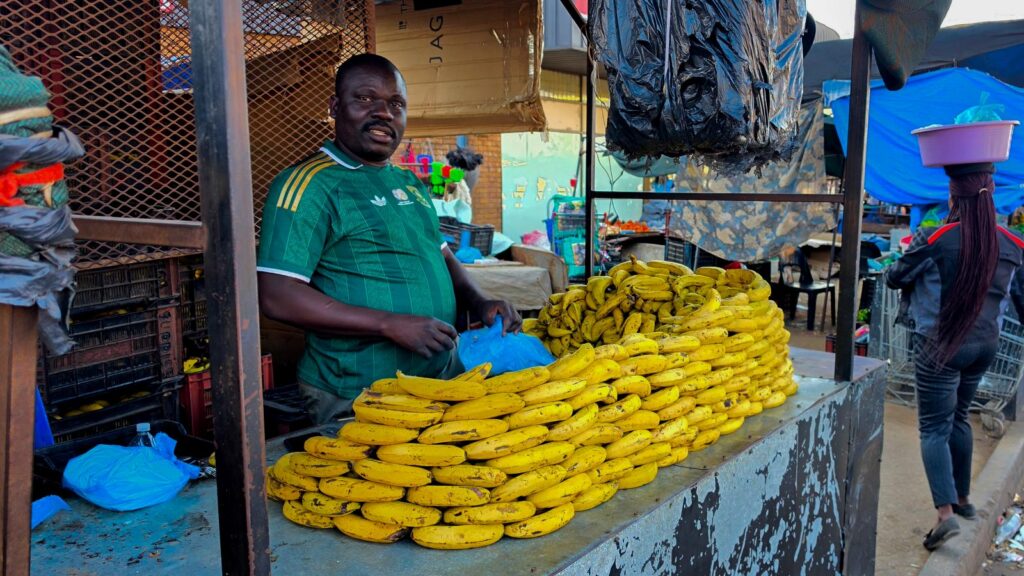
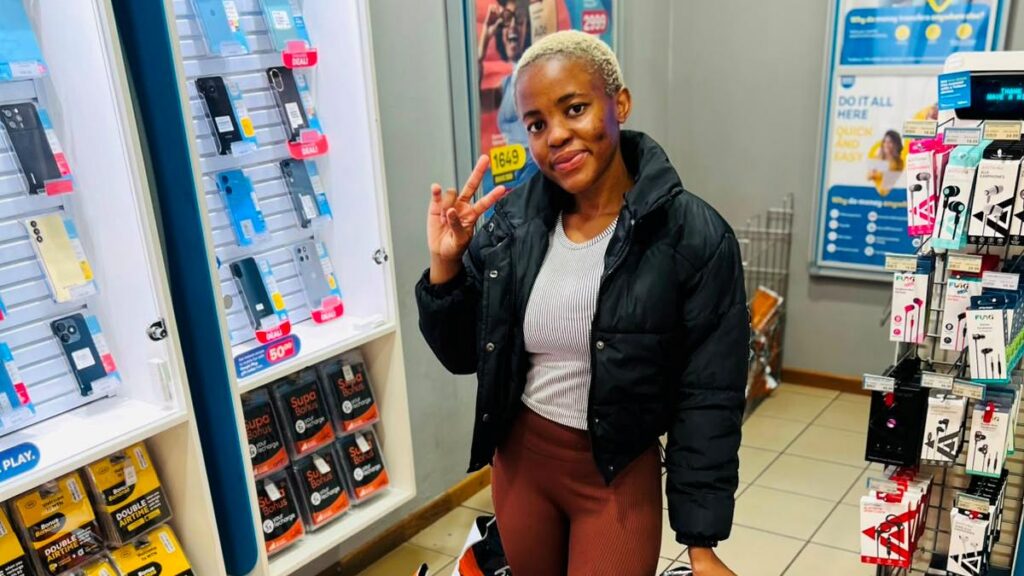
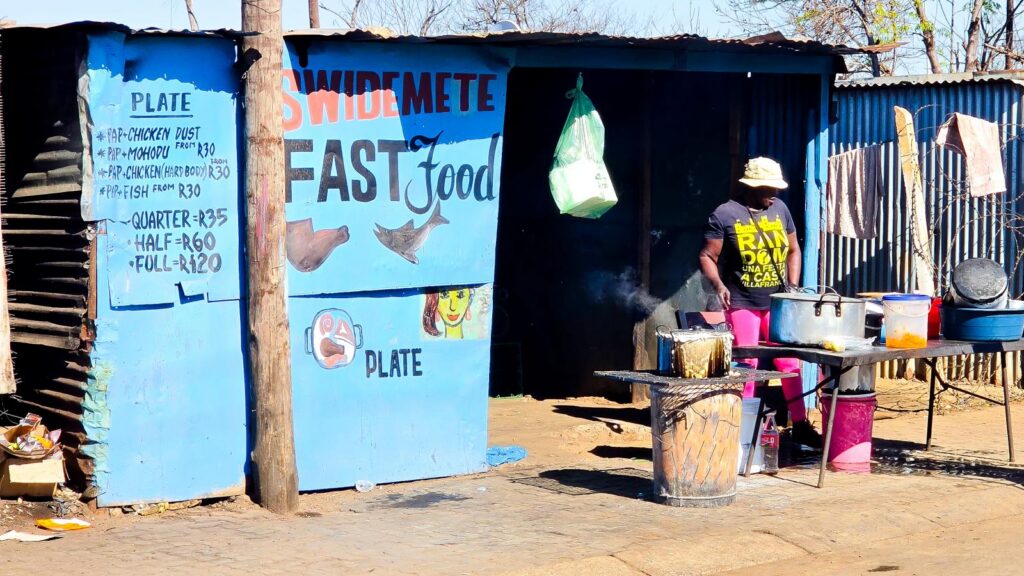
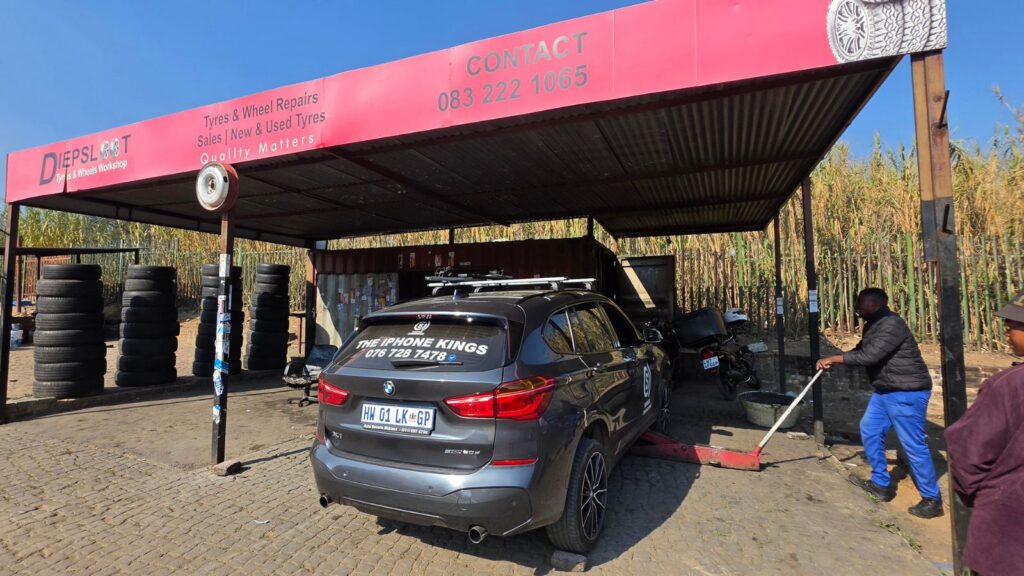
Examples of informal economy businesses




Comments