The roadhouse that went from serving South Africa’s first hamburgers to being demolished


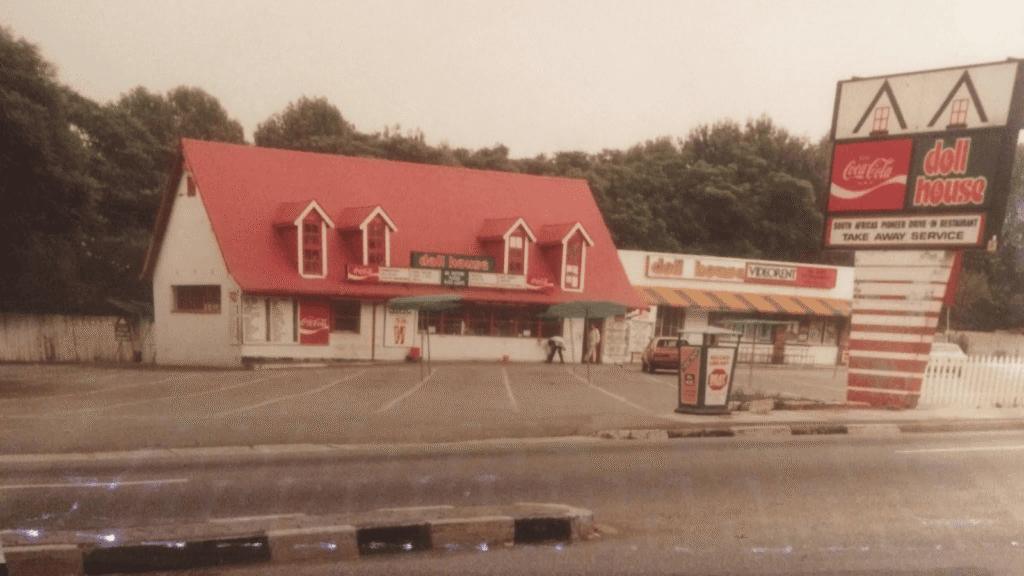
Founded in 1935, South Africa’s oldest roadhouse, The Doll House, introduced locals to American dining and served as a beloved meeting spot for over 80 years.
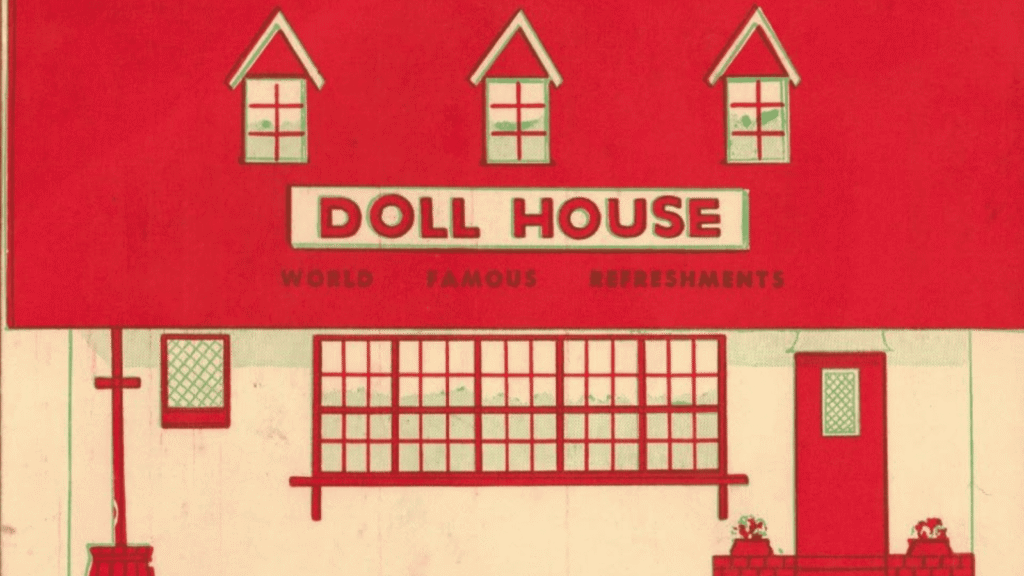
From the 1930s onwards, the American-inspired drive-in restaurant became a landmark in several South African cities.
At its peak, it operated branches in Johannesburg, Pretoria, Durban and Cape Town, attracting families, teenagers, late-night diners and motorists for decades.
The story behind the Doll House dates back to 1894, when Daniel Reginald Wanberg was born in Provo, Utah, in the United States.
Wanberg helped establish the Doll House restaurants in South Africa after becoming involved with the American drive-in concept.
The first South African Doll House opened in Malvern East, Johannesburg, in 1935. It was followed by another branch in Highlands North in 1937.
The following year, two more branches were opened, the first in Pretoria and the second in Cape Town. Other restaurants later operated in Orange Grove and Durban.
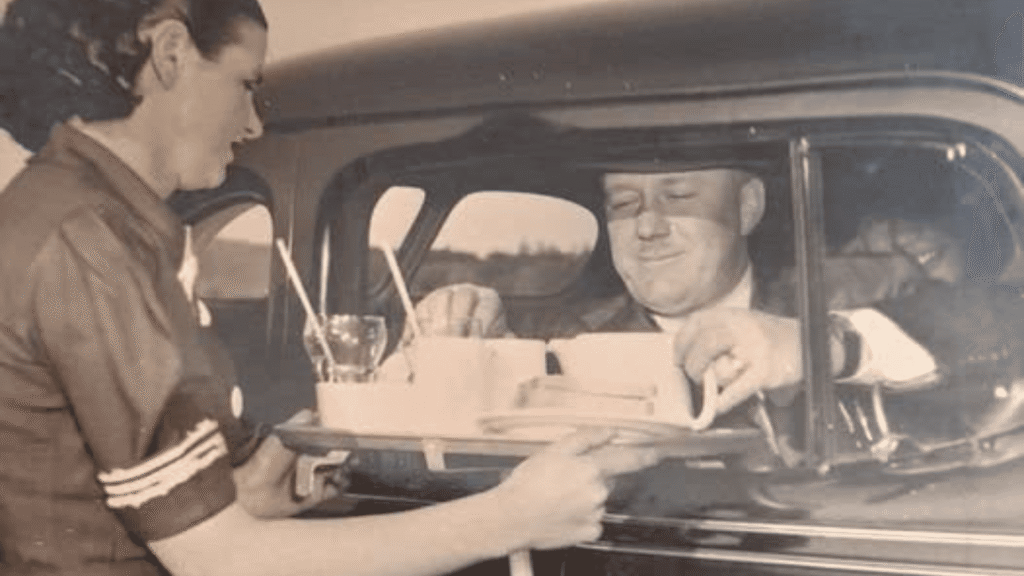
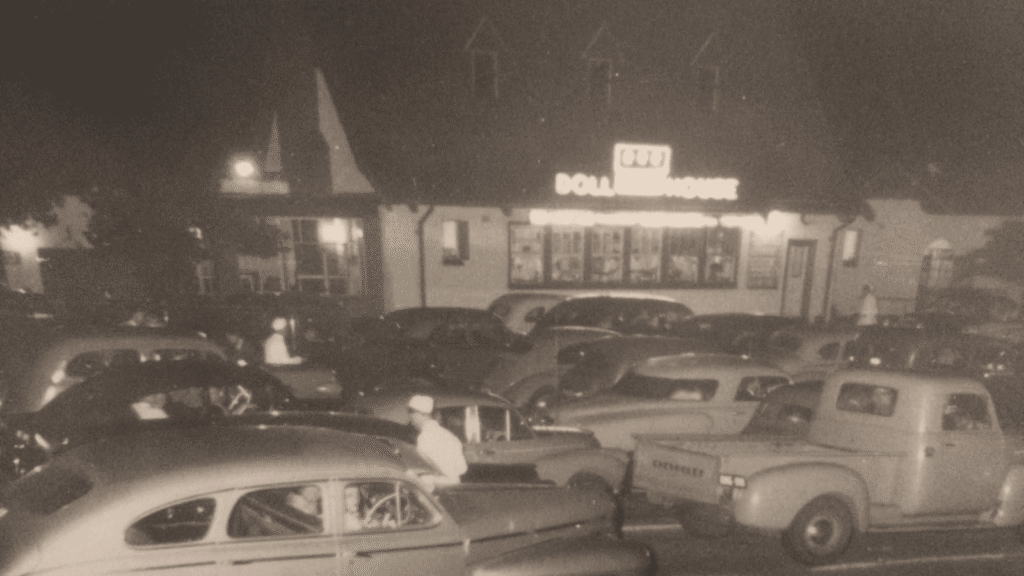
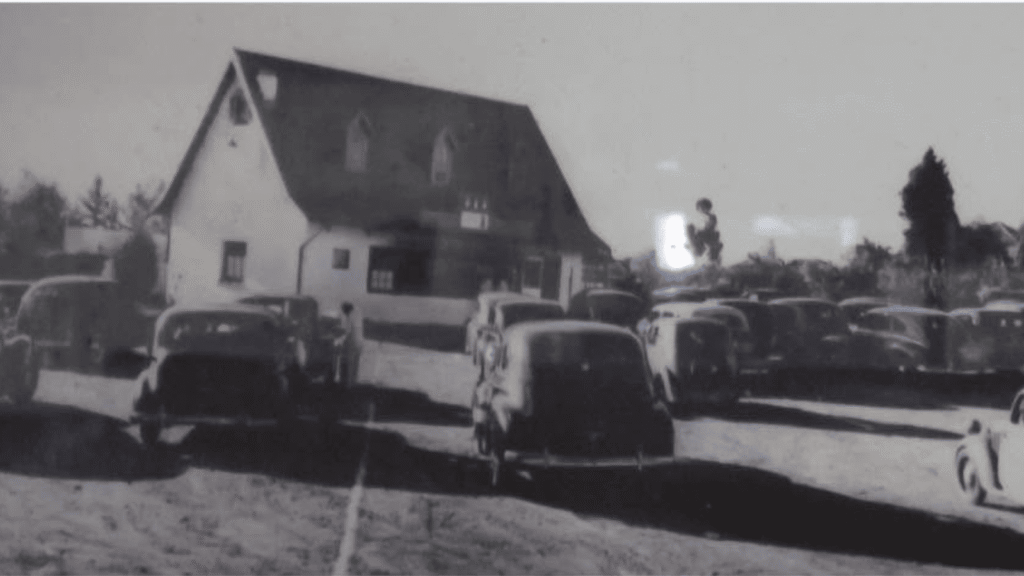
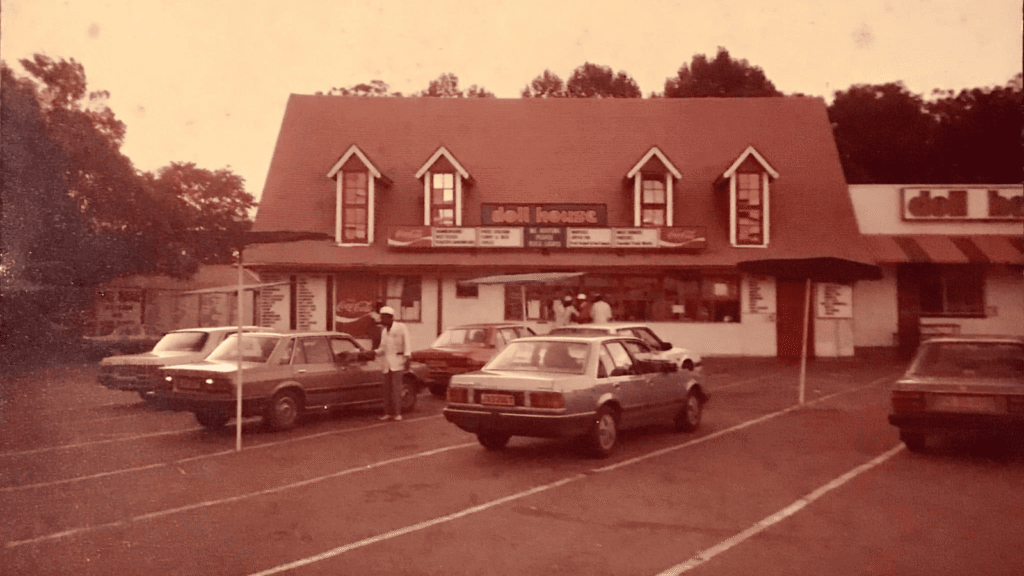
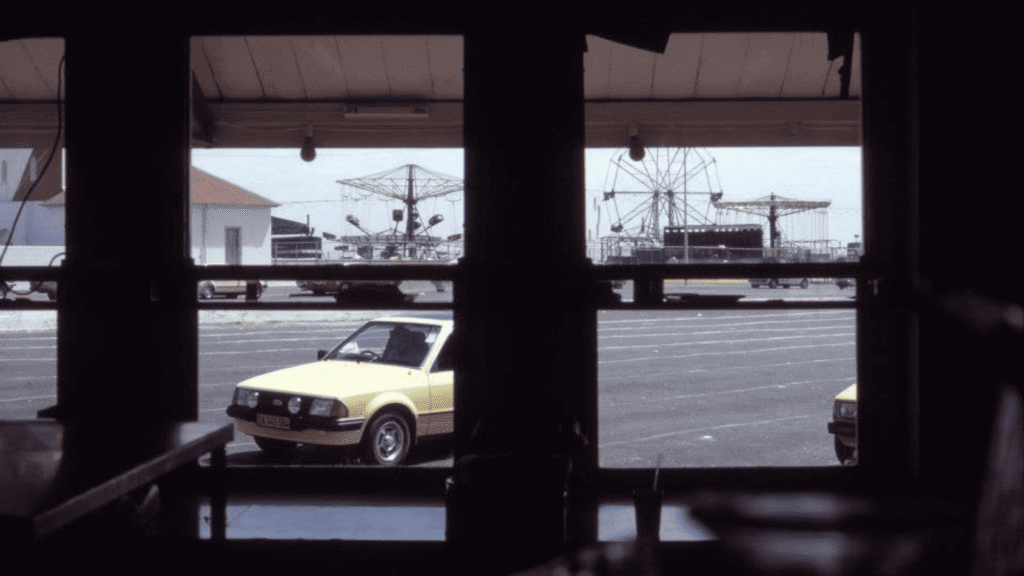
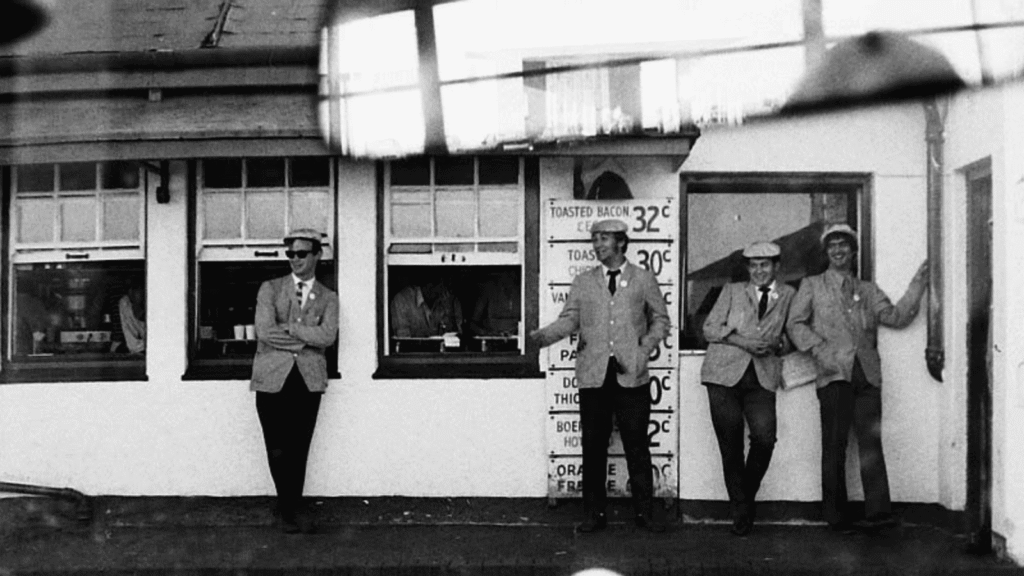
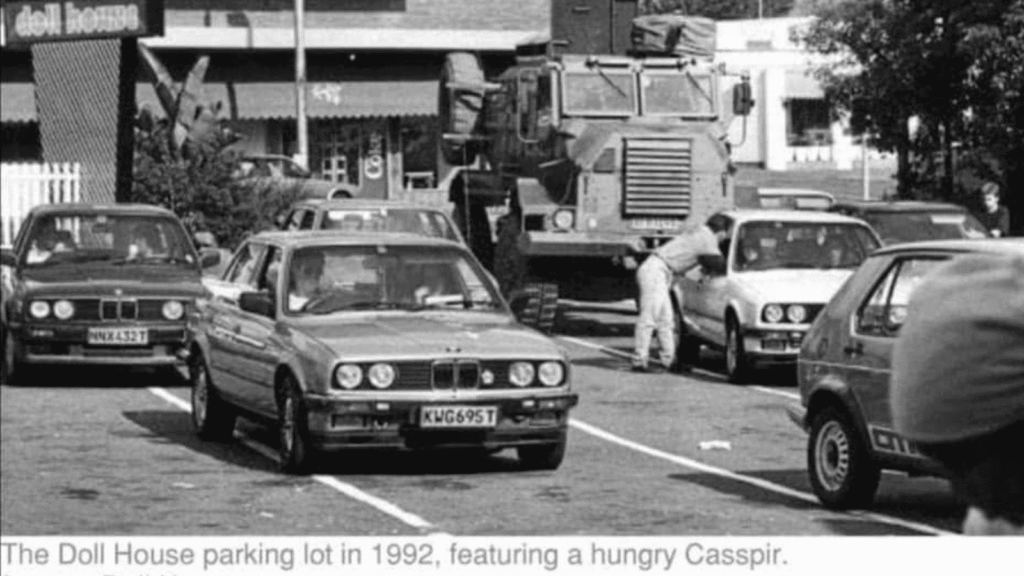
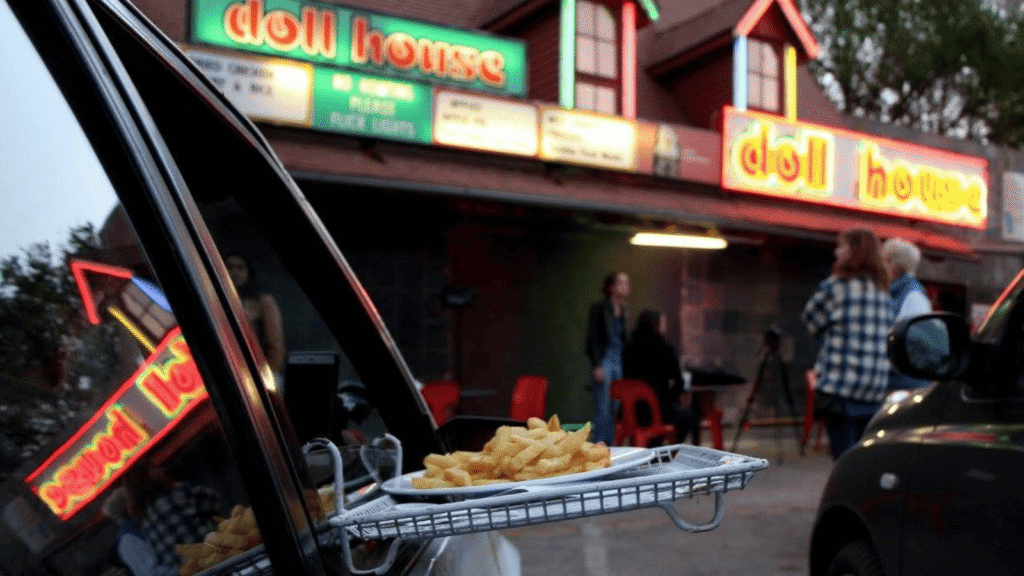
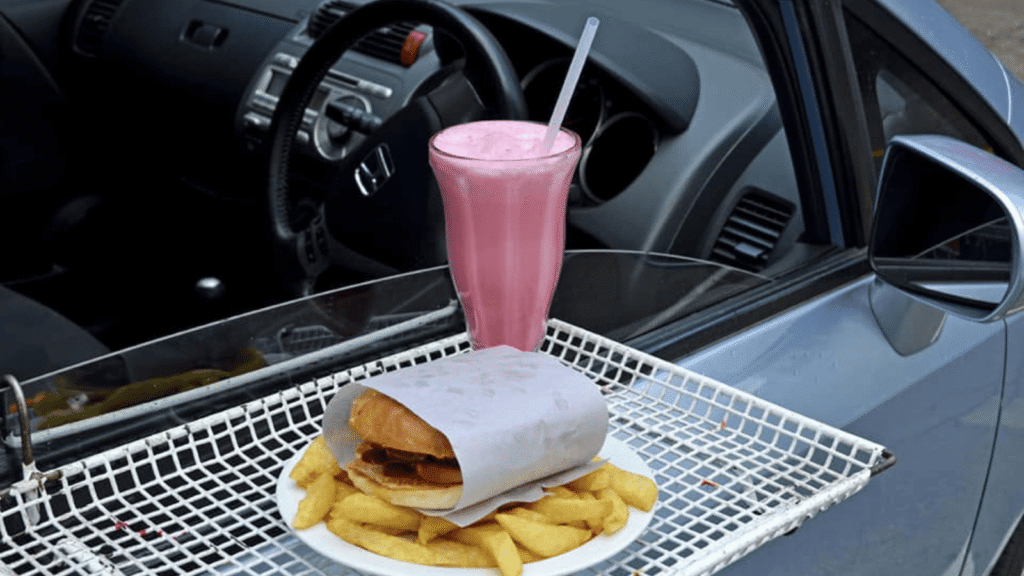
The restaurants were based on the popular American drive-in model. Customers parked their cars, switched on their lights to attract a waiter and had meals delivered on trays that hooked onto the vehicle’s window.
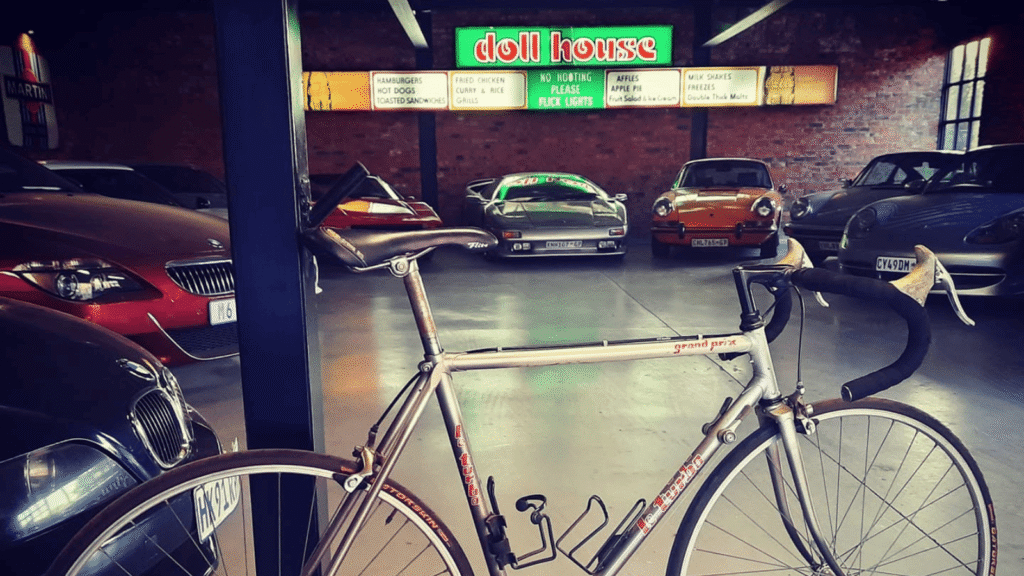
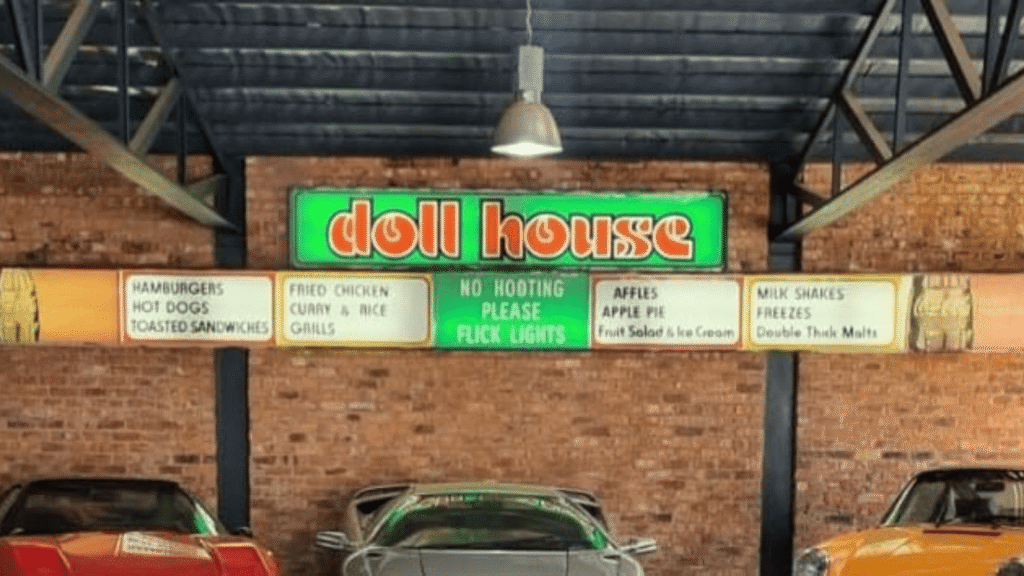
“No Hooting Please – Flick Lights,” read a famous sign outside many branches. The drive-in concept was decades ahead of its time in South Africa.
According to reports published after the Cape Town restaurant closed, The Doll House introduced South Africans to several dining concepts that later became commonplace.
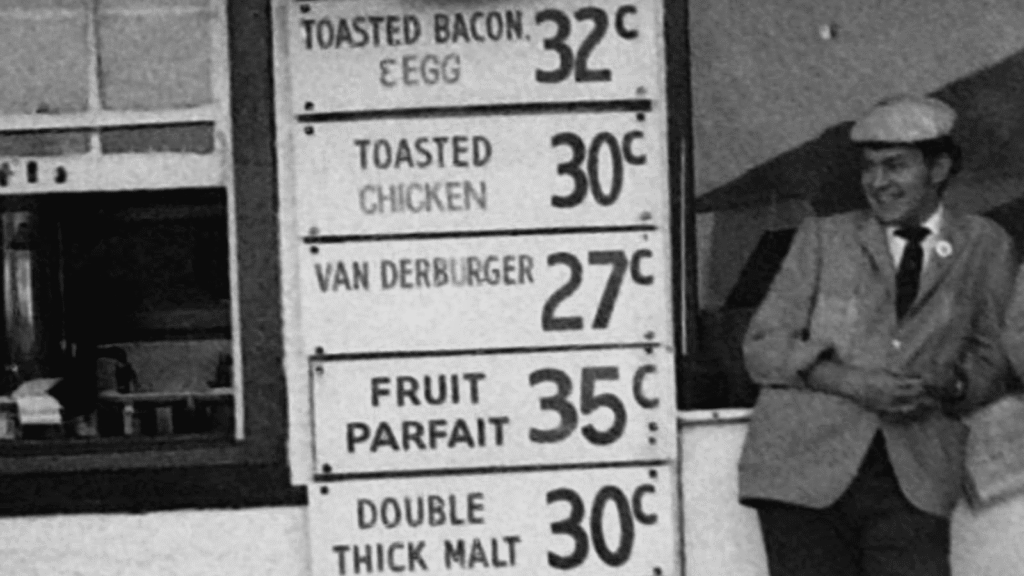
These included burgers, toasted sandwiches, southern-fried chicken, and one of the country’s first car-tray services, allowing customers to enjoy meals without leaving their vehicles.
The restaurants opened in the morning with coffee and toasted sandwiches before serving customers until late at night.
A landmark in Johannesburg and Cape Town
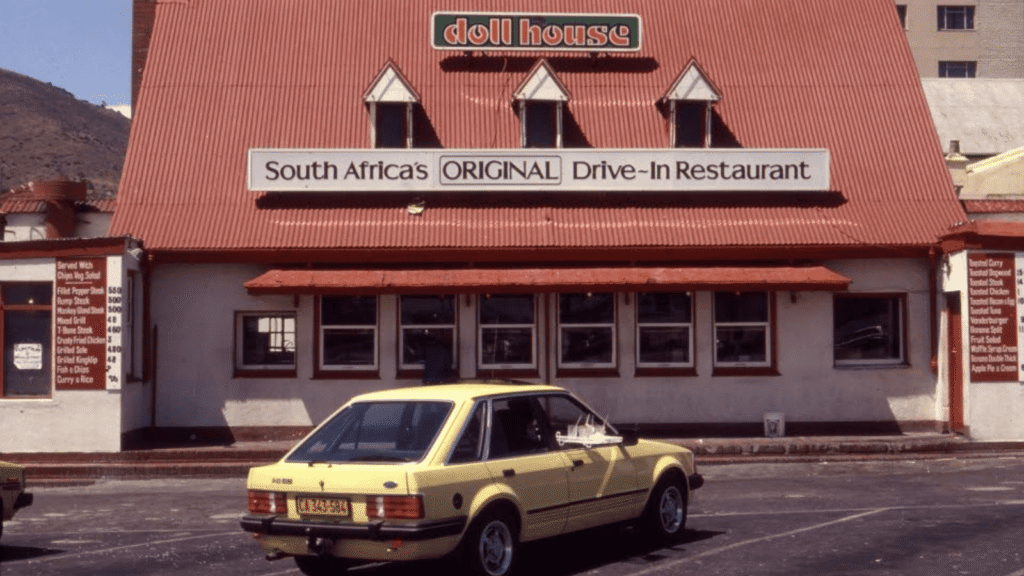
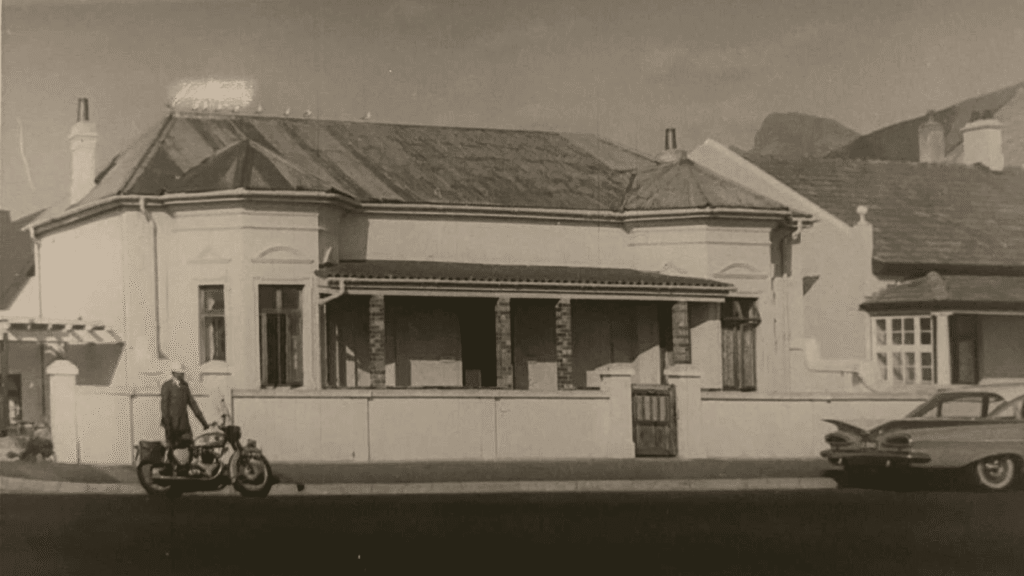
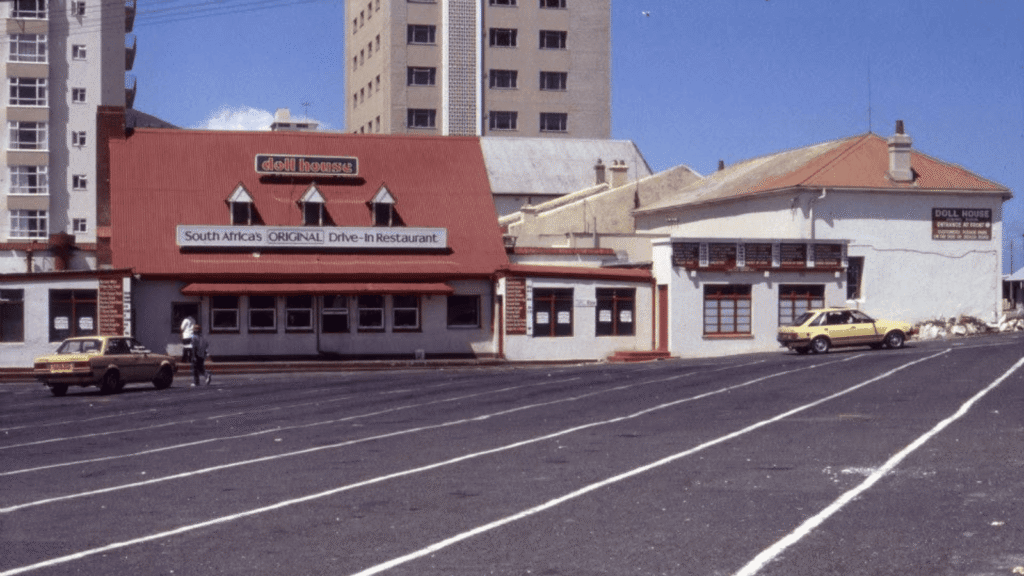
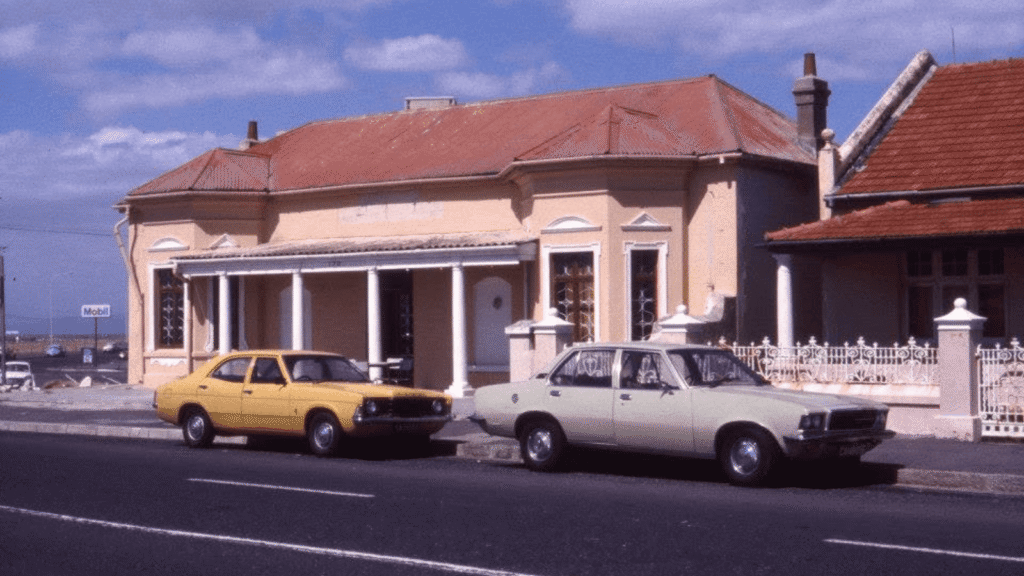
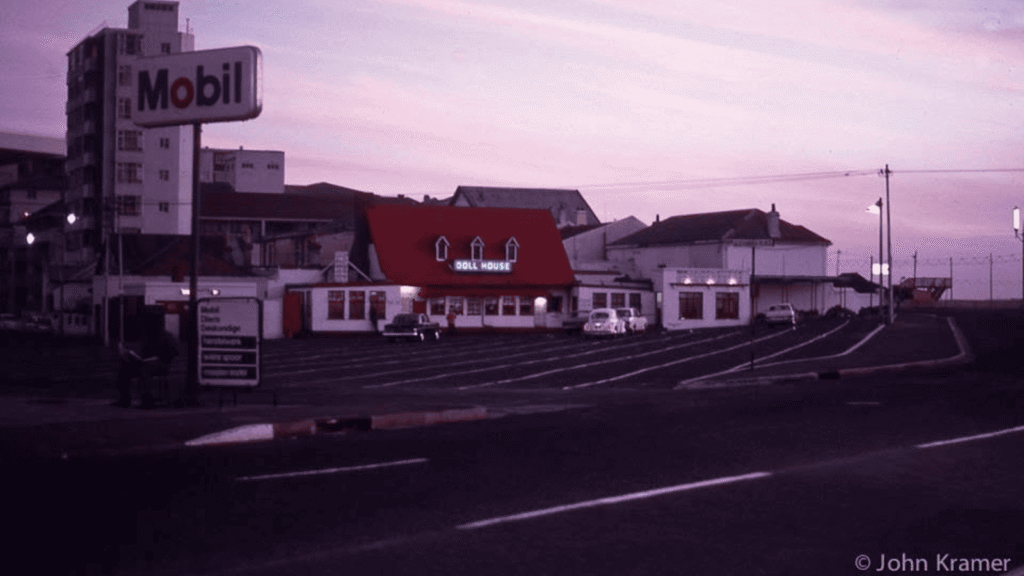
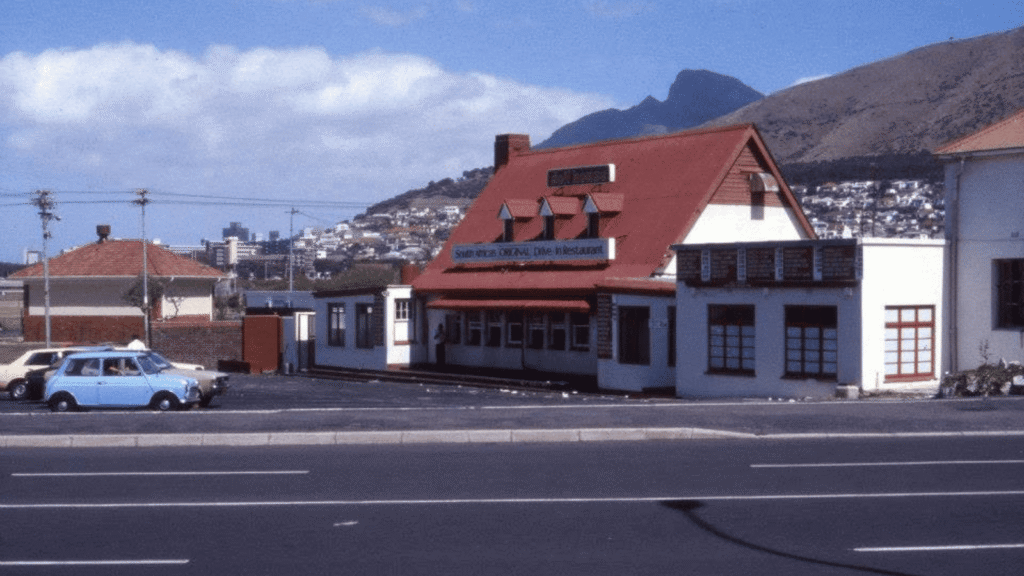
Although several Doll House locations operated across the country, two became particularly well known. The Cape Town Doll House opened in 1938 on Beach Road in Mouille Point as the seventh restaurant in the chain.
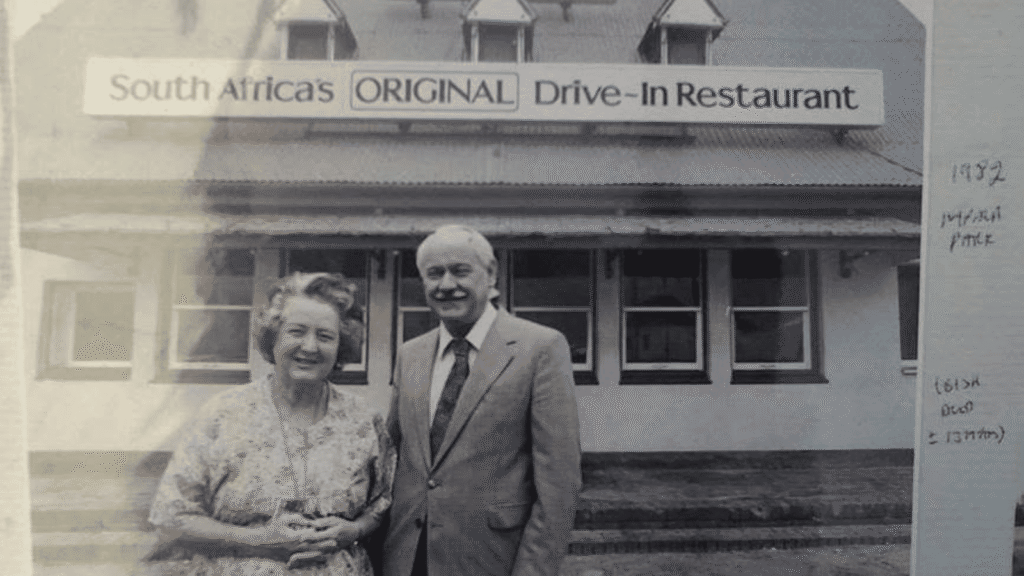
The restaurant remained in the Wanberg family for its entire existence. After Daniel Wanberg suffered a heart attack, his wife took over the business before their daughters and sons-in-law continued operating it.
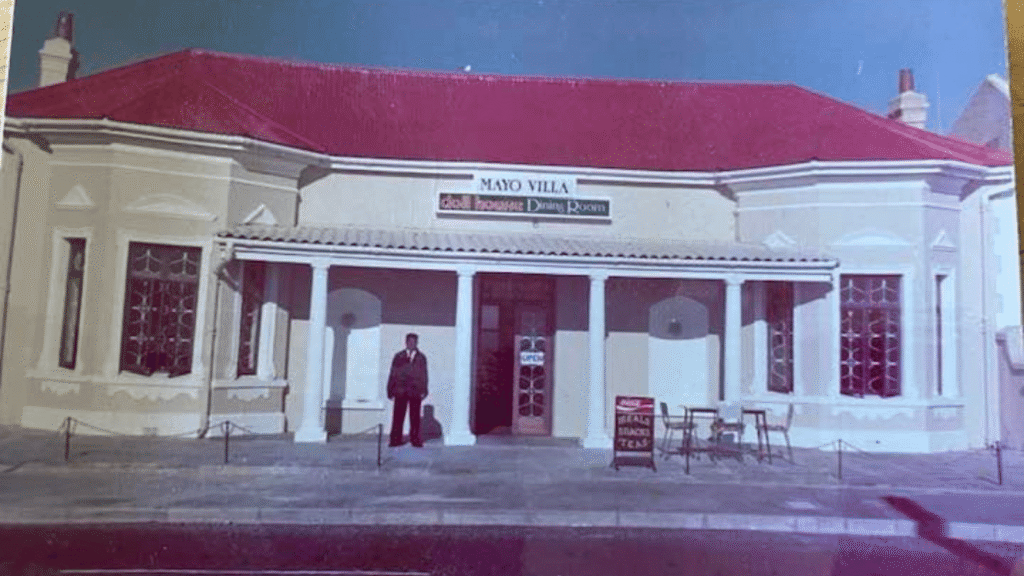
Family members also lived next door in the so-called Mayo Villa, which was later converted into part of the restaurant.
According to Helen St George Mitchell, whose parents later owned the Cape Town Doll House, even the home’s yellowwood flooring was reused to make dining tables after the conversion.
The Cape Town branch remained a popular beachfront landmark until it closed in 1983. It was demolished and replaced with an office building. Today, the site is occupied by an apartment complex.
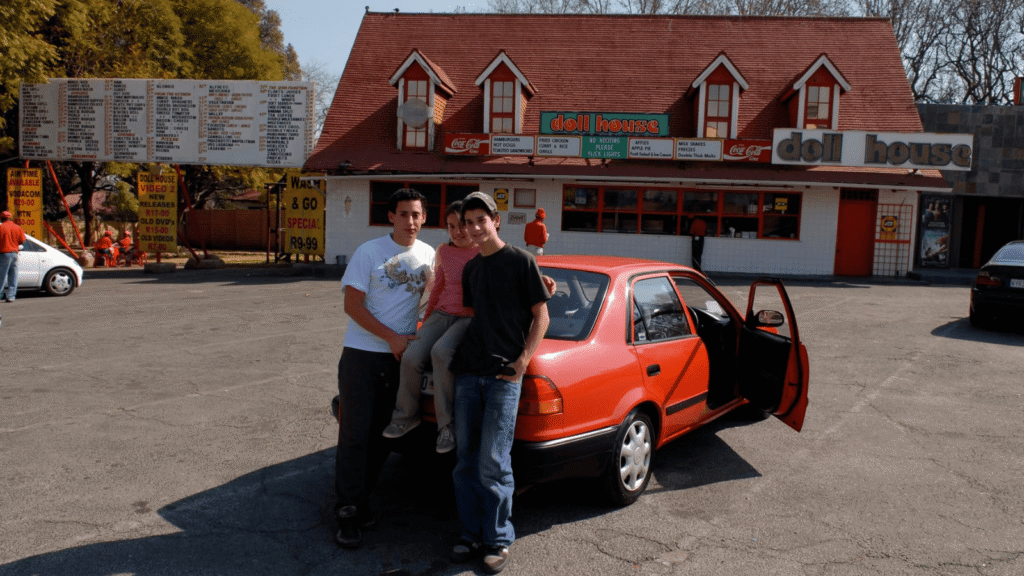
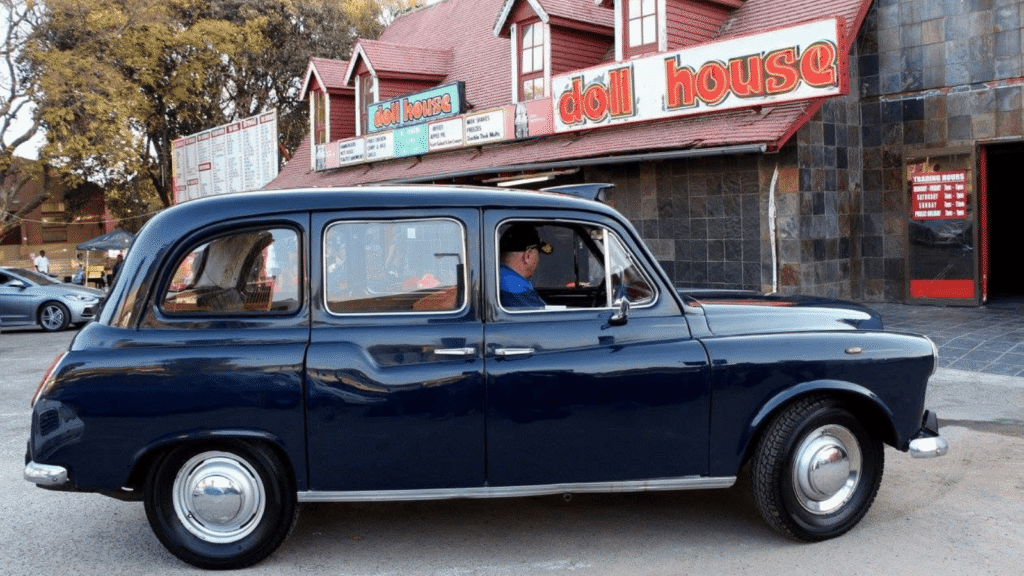
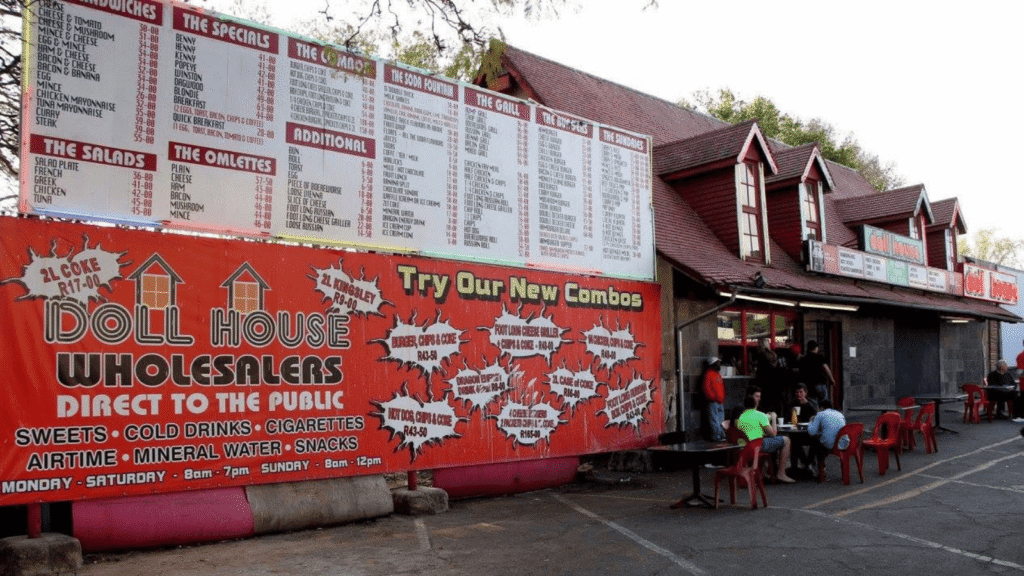
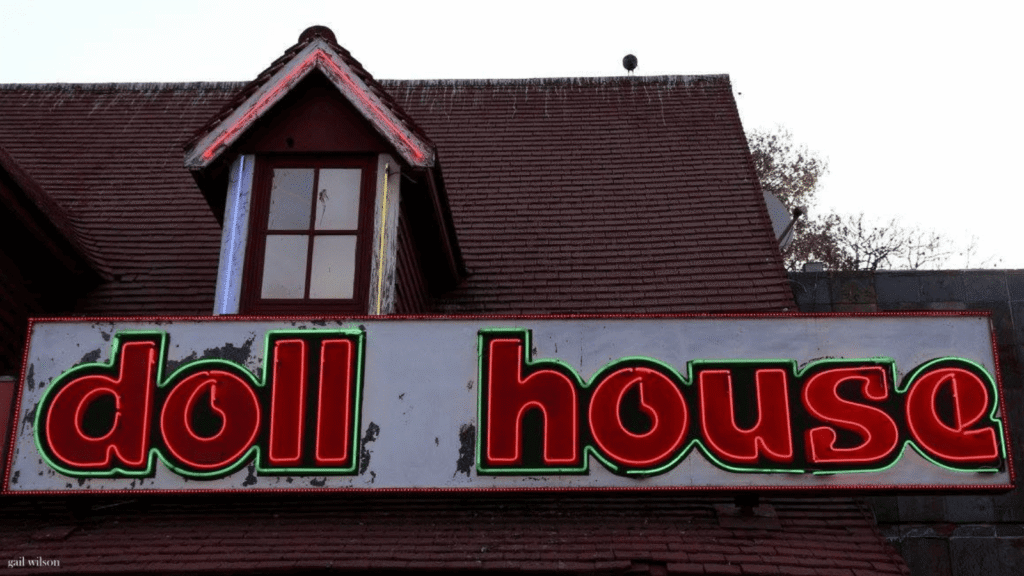
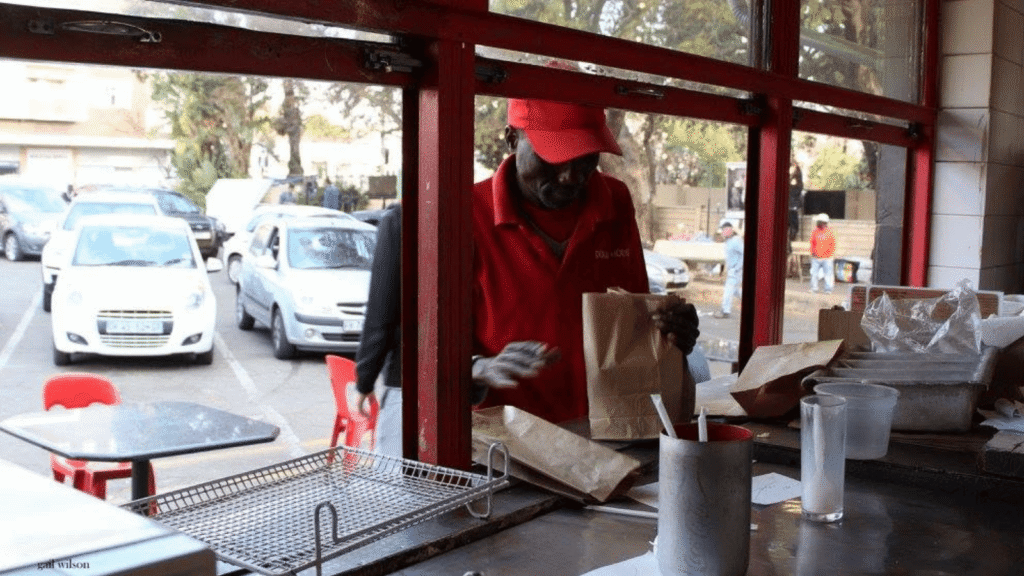
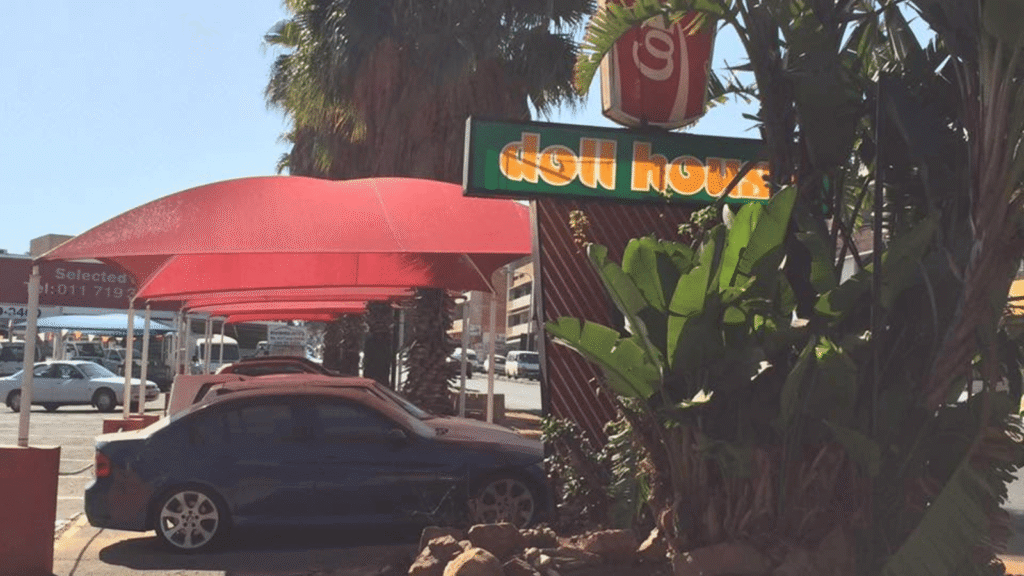
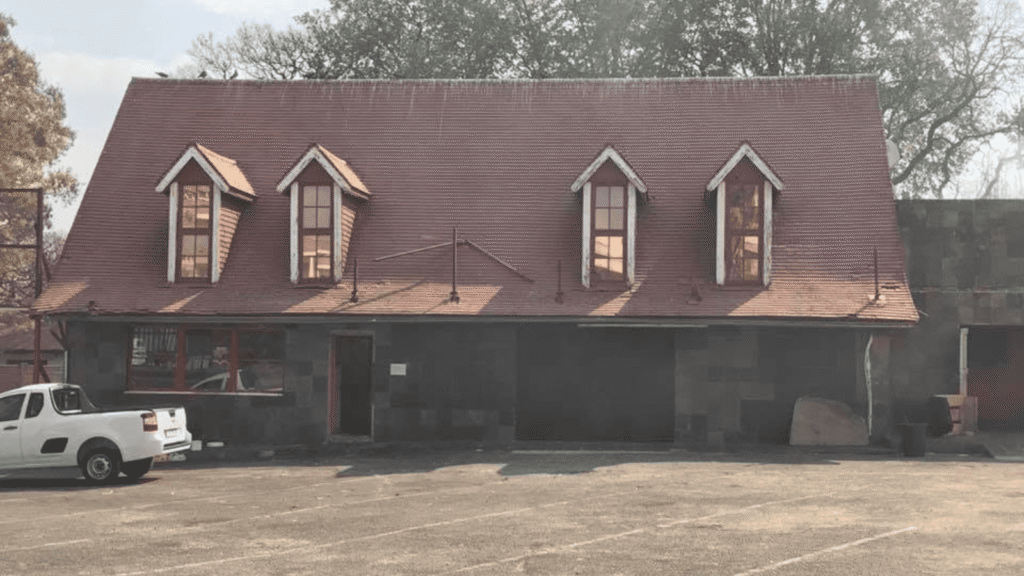
The Johannesburg Doll House was even more of a staple among locals. Situated on Louis Botha Avenue, it opened in 1936 and became Johannesburg’s oldest surviving roadhouse before closing in 2017.
For decades, it served as a gathering place for families during the day and nightclub crowds into the early hours of the morning.
Manager Lucky Muleya, who worked at the restaurant for 25 years, recalled that before international fast-food chains entered South Africa, the Doll House had little competition.
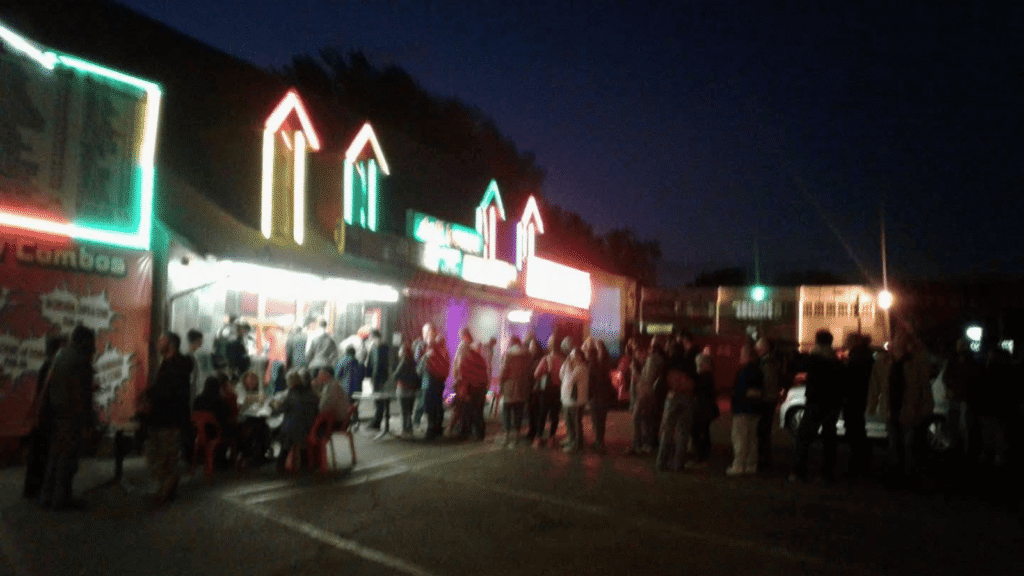
He remembered weekends when customers filled the parking area until 3am, while illegal drag races took place along nearby Louis Botha Avenue.
The restaurant also became known as a meeting place for Johannesburg’s sporting stars, musicians and local celebrities.
The end of an era
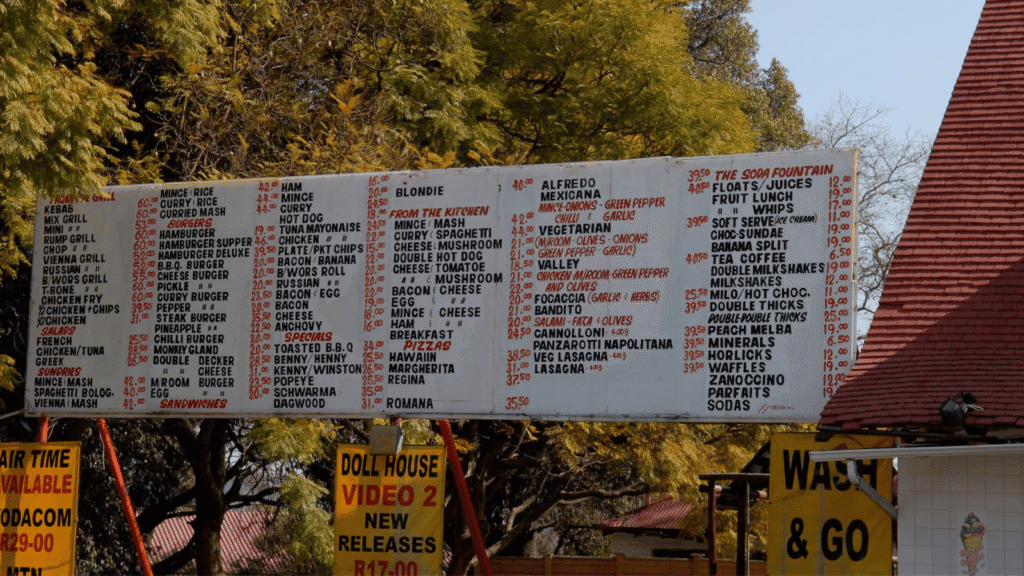
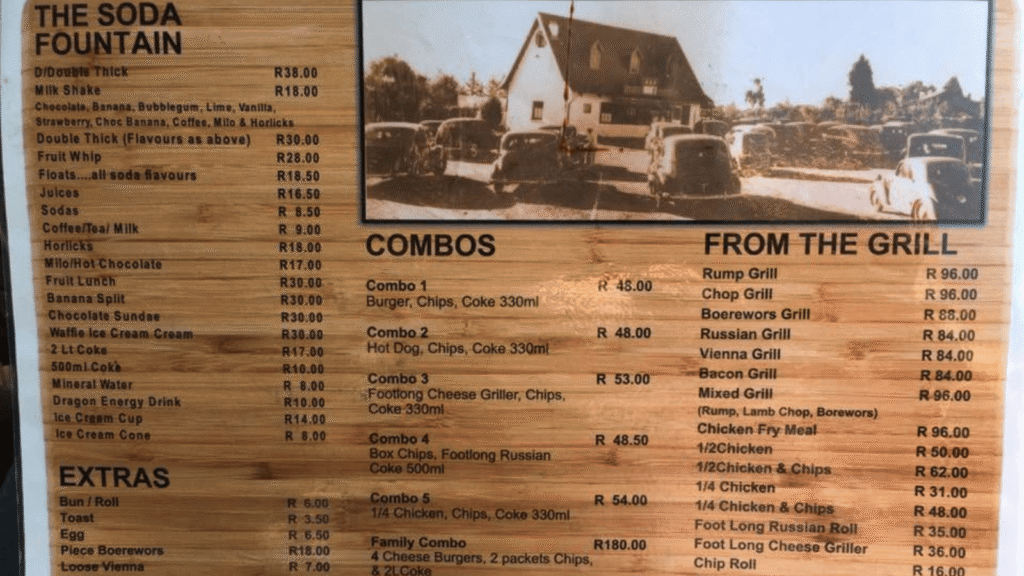
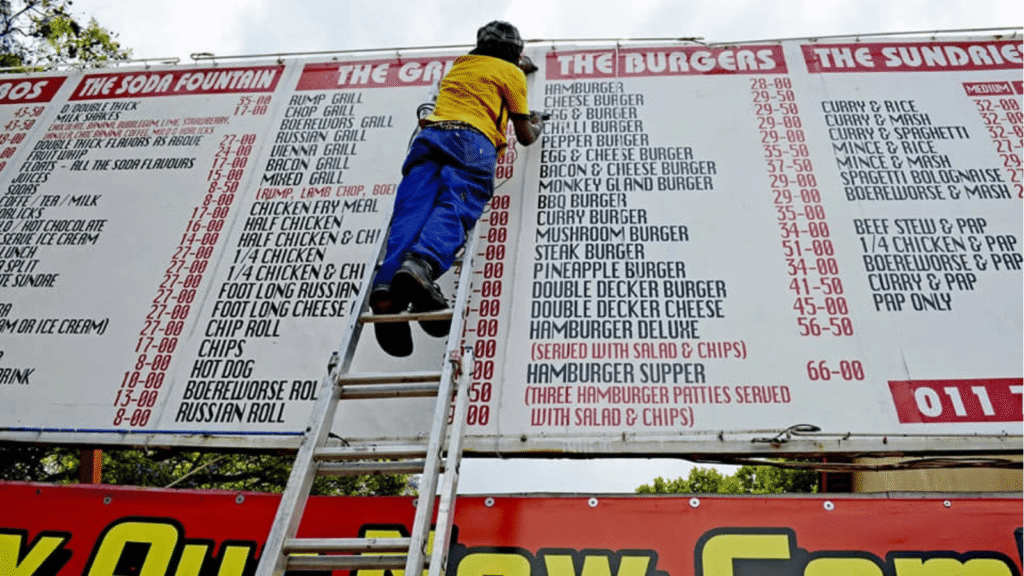
Even today, many South Africans view The Doll House as an iconic piece of the country’s history, with many fondly recalling its burgers, toasted steak sandwiches, milkshakes and famous menu items such as the “Blondie”
In a 2017 DSTV segment, former patrons said they remember spending evenings chatting with friends from their parked cars while waiters carried trays between rows of vehicles.
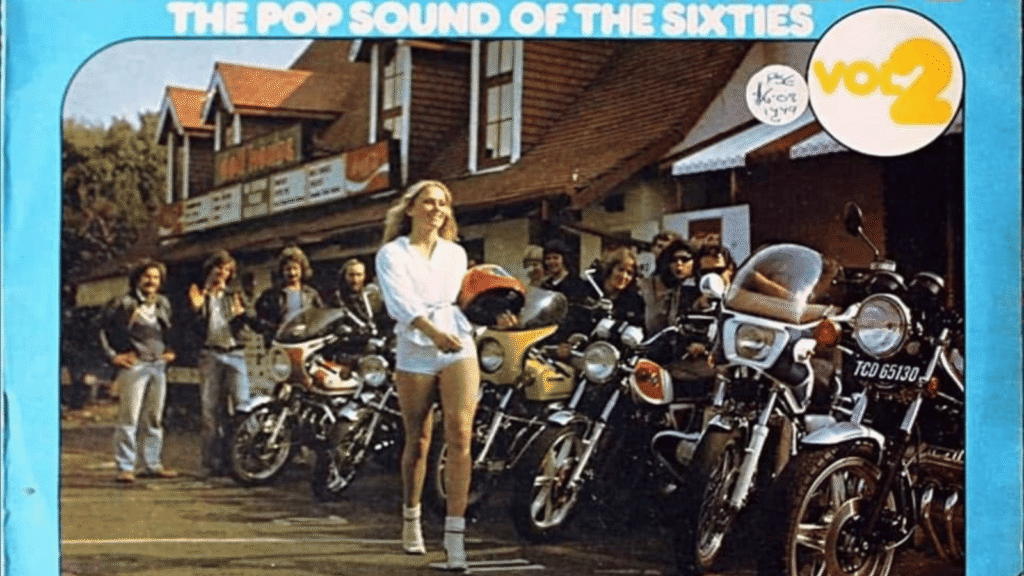
Other patrons recall the restaurant as a popular meeting place for young people throughout the 1970s, 1980s and 1990s.
The late-night atmosphere also earned the restaurant a reputation for colourful stories, such as meetings between lovebirds and spontaneous fights that often broke out.
The Doll House became especially popular with Johannesburg’s nightclub crowd, who often stopped there after evenings in Hillbrow and Yeoville.
Its proximity to Temple Shalom also made it a familiar destination for members of Johannesburg’s Jewish community.
The fortunes of the Doll House gradually changed as large international fast-food chains expanded across South Africa.
Restaurants offering quicker service and standardised menus increasingly drew customers away from traditional drive-ins.
Changing neighbourhoods also affected some branches. According to Muleya, the Johannesburg restaurant saw fewer customers as the demographics changed and residents increasingly preferred to eat at home.
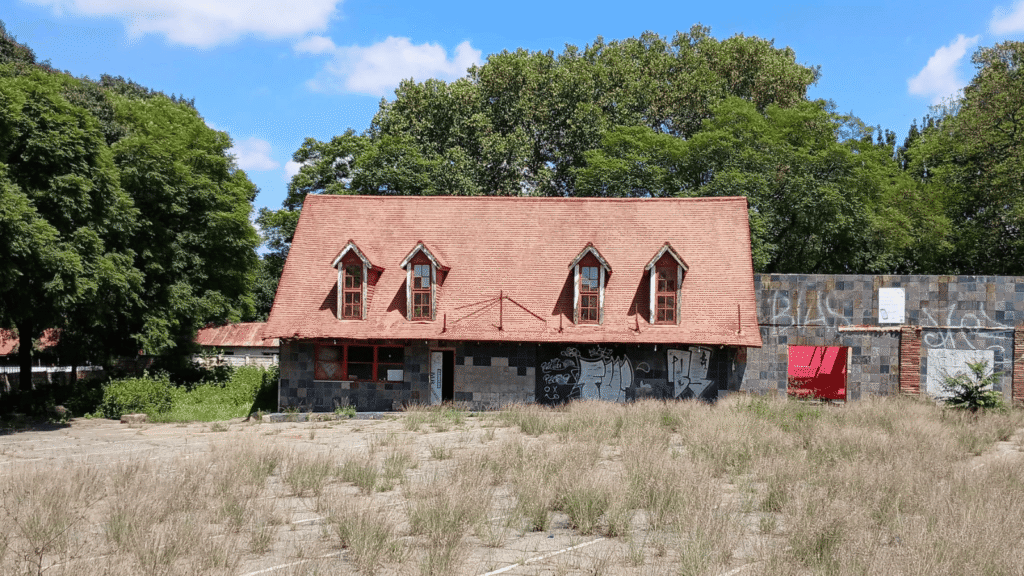
In 2017, the final remaining original Doll House on Louis Botha Avenue closed after the property was sold to a developer. Despite public efforts to preserve the building, it was demolished to make way for housing.
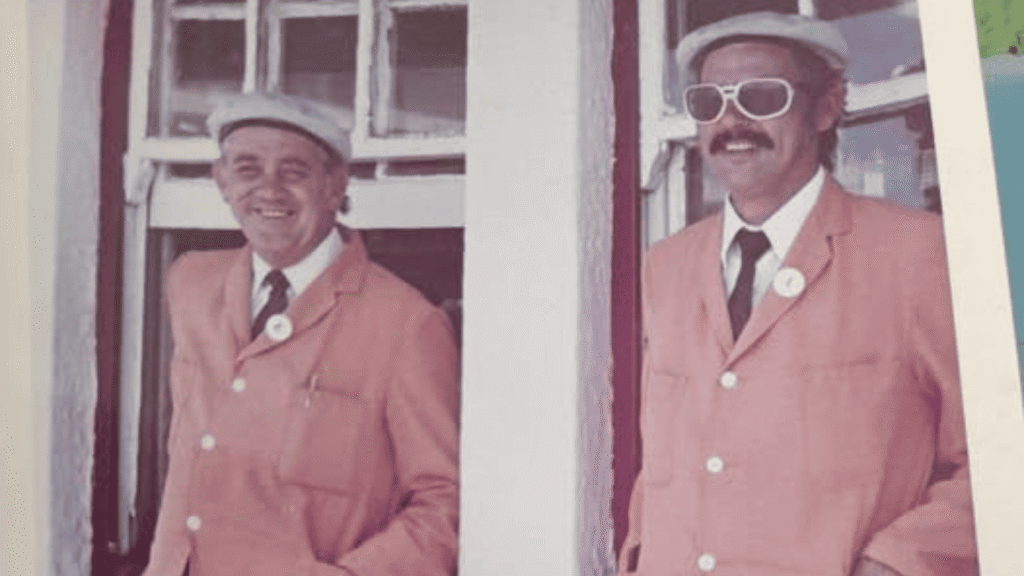
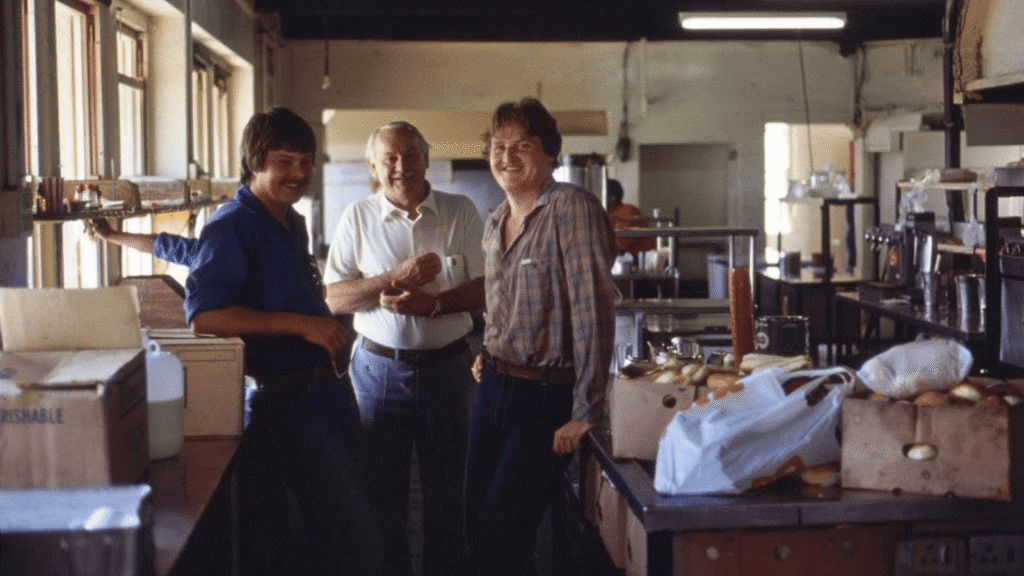
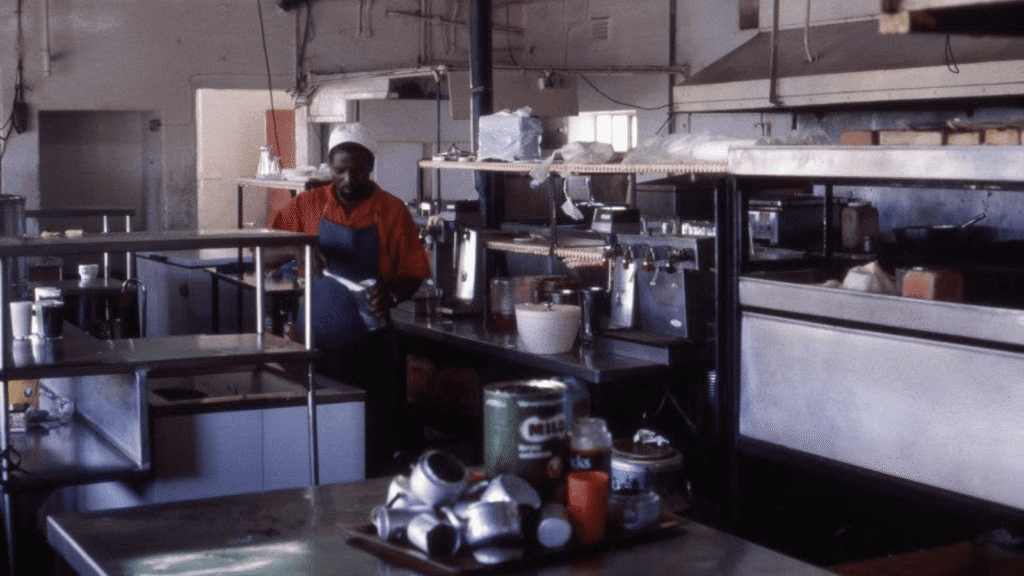
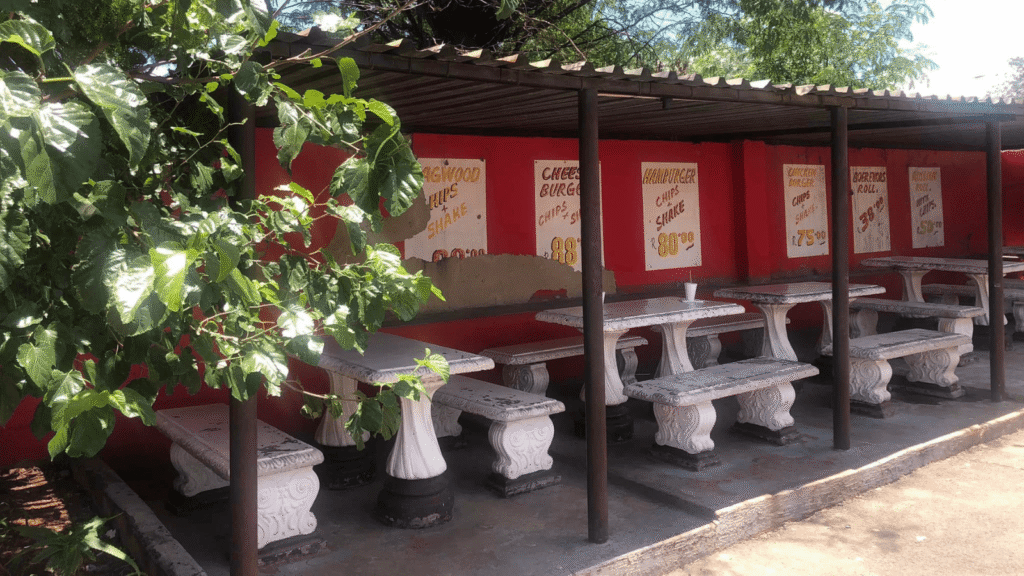
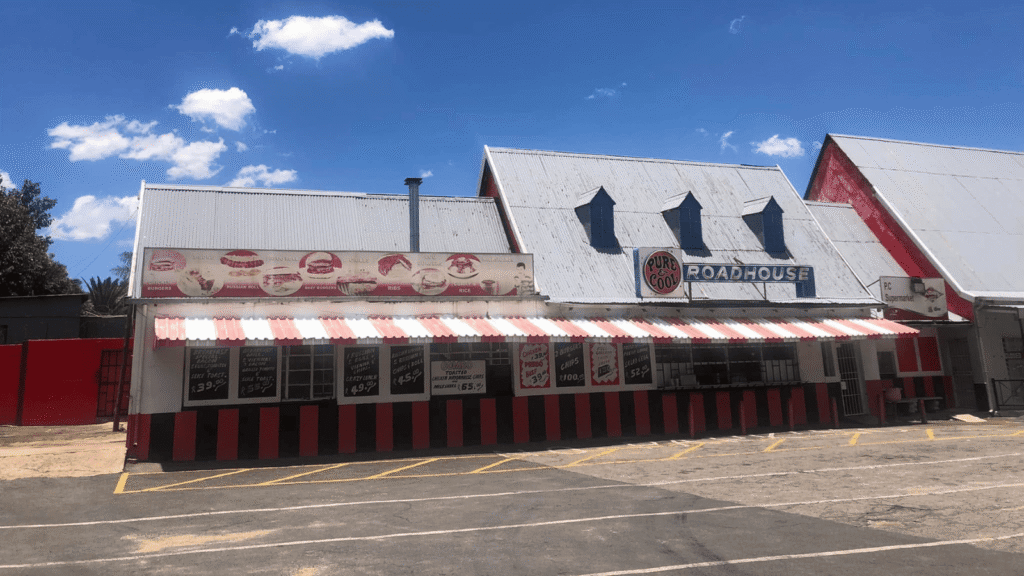
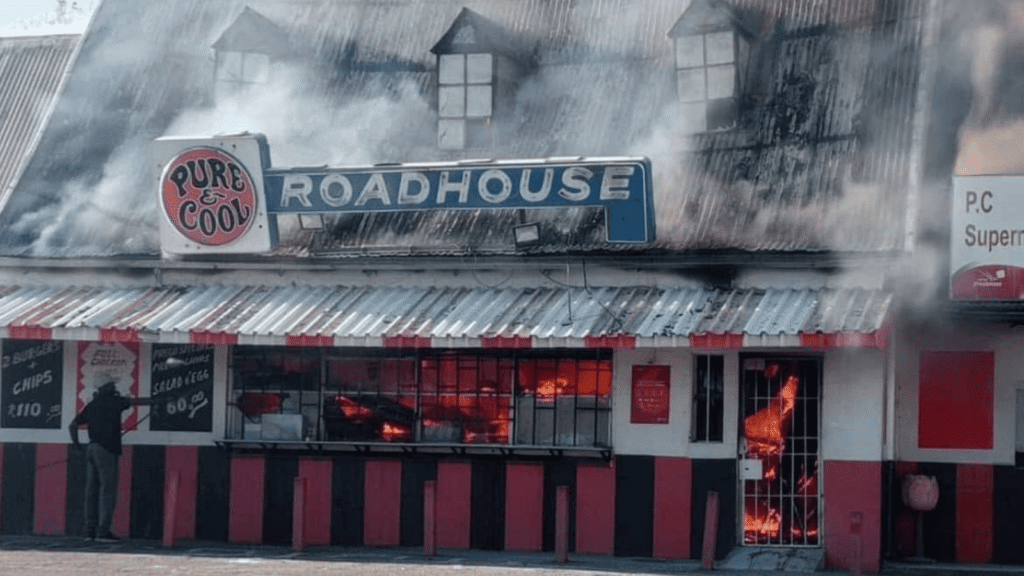
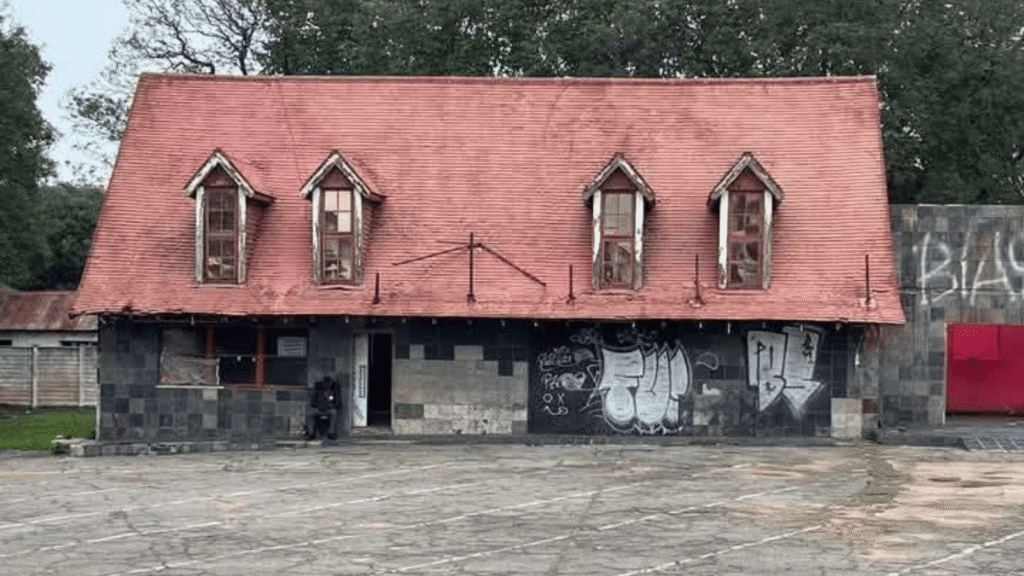
Photos of the Doll House

Comments