The woman who makes R30,000 per month selling chicken in Soweto at half the price of Nando’s


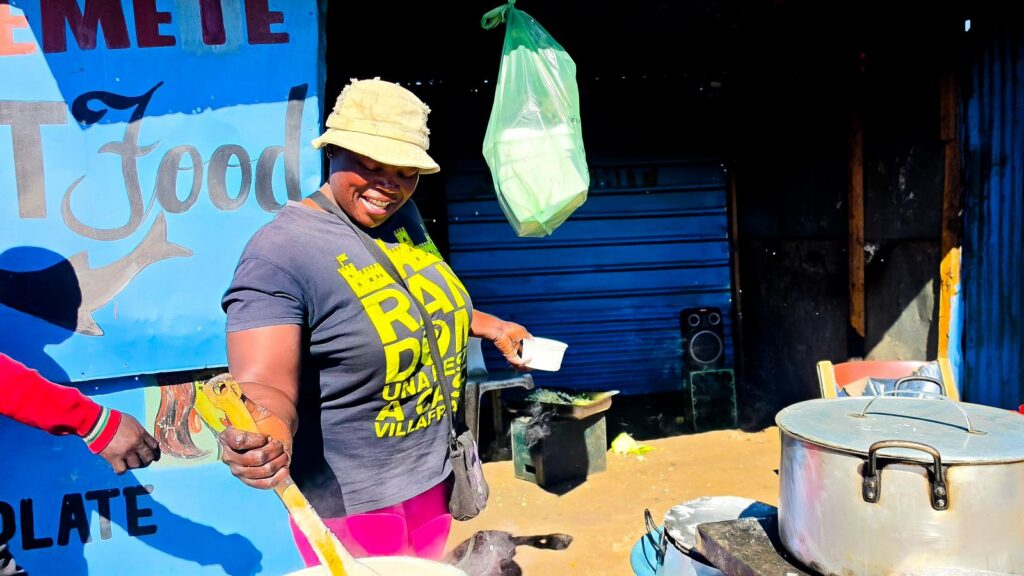
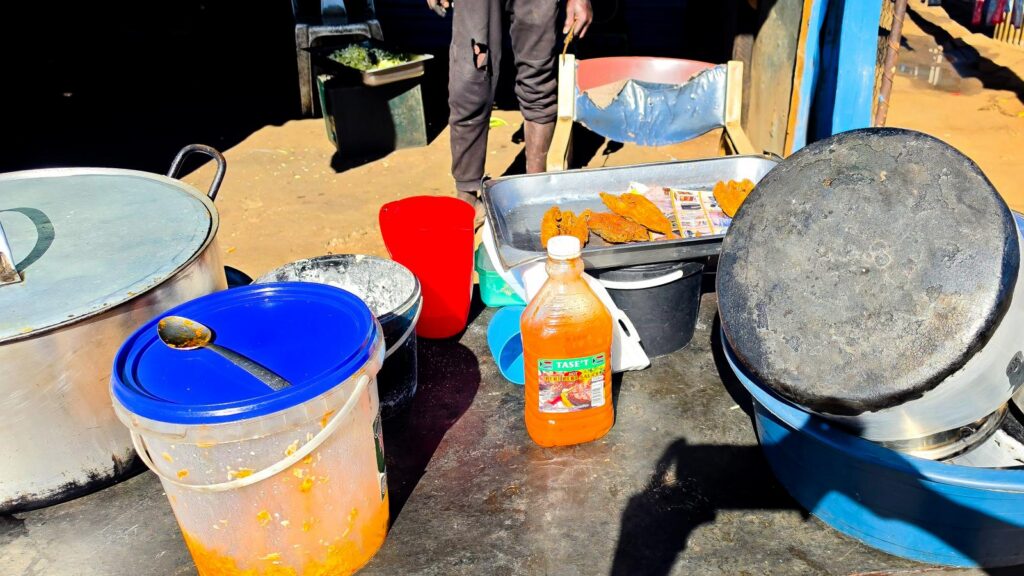
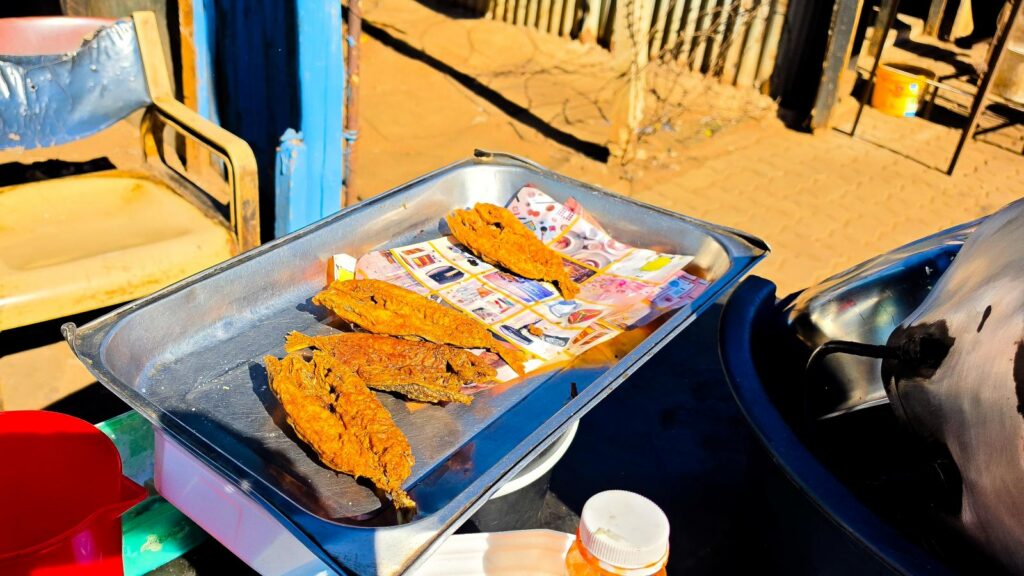
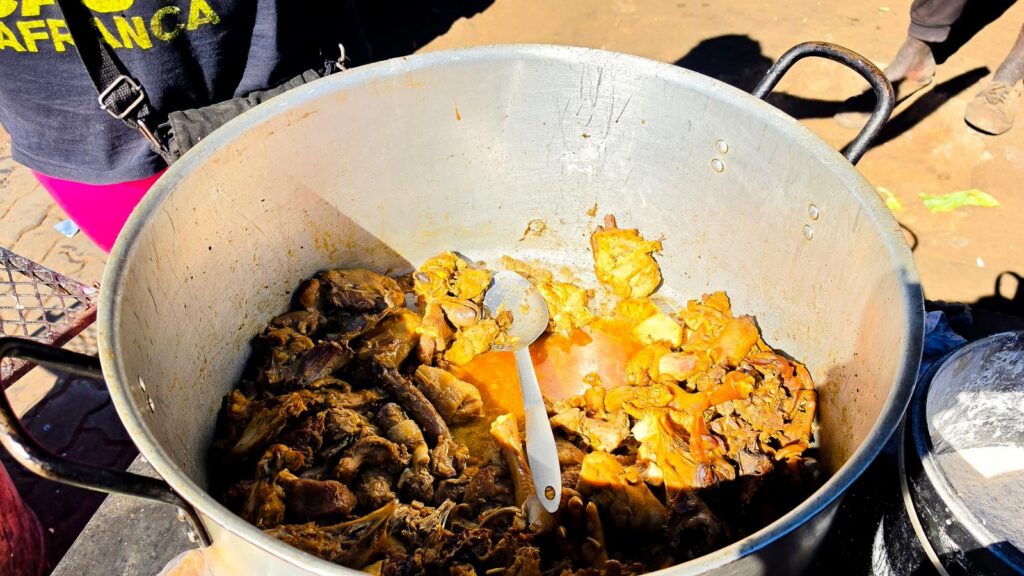
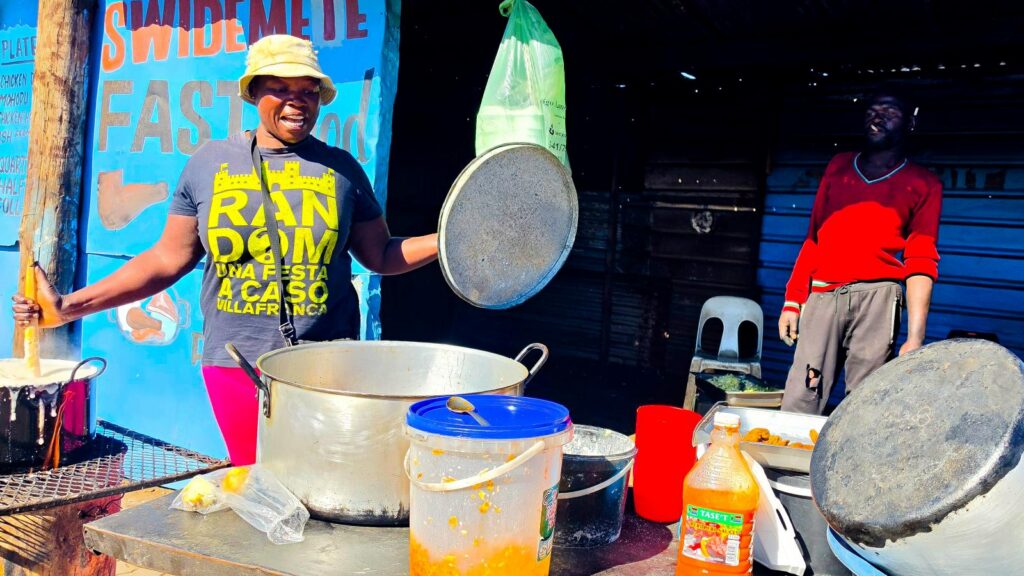
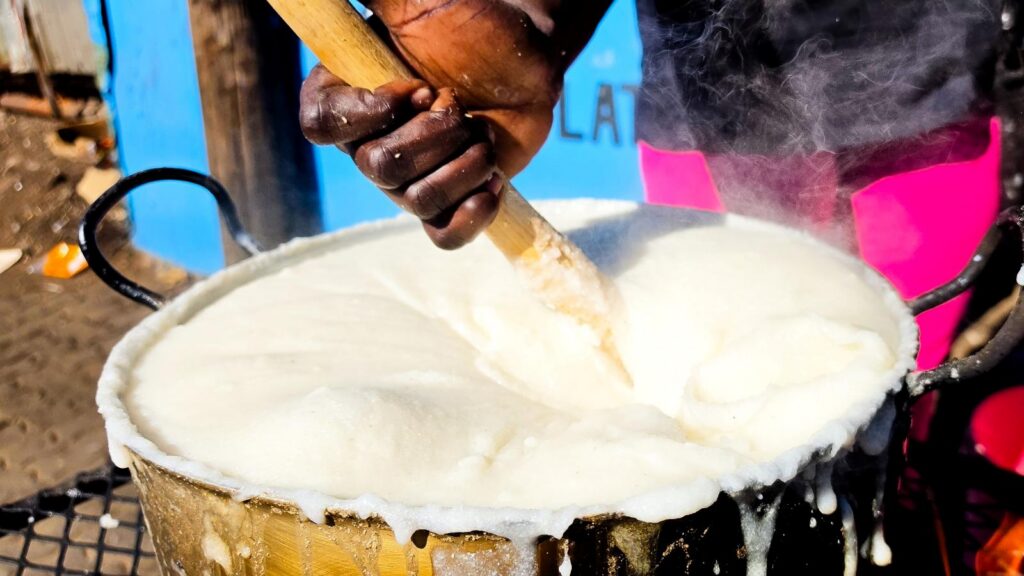
Precious Shizinga runs Swidemete Fast Food in Soweto, generating over R1,000 per day selling chicken, pap, atchar, baked fish, and cabbage.
Shizinga is an example of a township entrepreneur who owns and runs a successful small business in the informal economy.
She founded and runs her meal stand, Swidemete Fast Food, in Protea South, Soweto, close to the Protea Gardens Shopping Centre.
A standard plate of food at her traditional meal stand costs R30. Chicken portions are priced at R35 for a quarter, R60 for a half, and R120 for a full chicken.
To put this pricing in perspective, a quarter chicken at Nando’s costs R60, half costs R105, and a full chicken is R205.
She does not stand back when it comes to quality. Despite being a localised, one-woman operation, her cooking has created a highly dedicated customer base.
Her food is so well-regarded that she does not just rely on foot traffic. People from far outside her immediate neighbourhood specifically seek her out.
Many people outside Soweto use WhatsApp to pre-order their meals before making the trip to Soweto to collect them.
Swidemete Fast Food is a cash-only business that generates between R1,000 and R1,300 per day, depending on demand.
She told Daily Investor that she has big expansion plans. Shizinga wants to upgrade her setup into a more formal, sit-down restaurant in Soweto.
To scale up and handle the growing demand for her remote WhatsApp orders, she hopes to find and train a reliable team to assist in the kitchen.
However, this is not easy. She had previously tried to employ staff but found that people were not serious about the work. This is why she currently does everything herself.
Precious Shizinga and Swidemete Fast Food
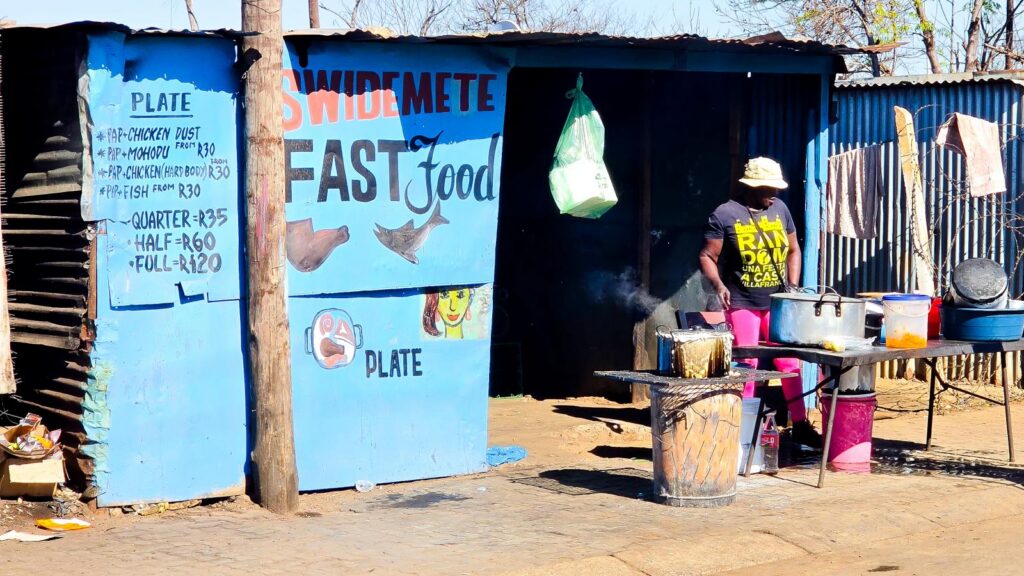
Precious Shizinga and Swidemete Fast Food are examples of informal economy entrepreneurs who successfully run small businesses.
Informal and township economy expert GG Alcock said this sector is thriving and growing faster than the formal economy.
He explained that many people in the formal economy see township entrepreneurs as struggling, subsistence businesspeople. This is misguided.
“It is a very large and thriving economy. It is classified as a township economy, which carries the perception that these are subsistence or survivalist businesses,” he said.
“Contrary to that, there is a wide range of very successful business people in this space who actually prefer to be here rather than in the formal economy.”
He explained that the informal fast-food sector alone is worth R90 billion, with approximately 50,000 outlets spread across rural and township areas in South Africa.
Another misconception is that people frequent smaller fast-food businesses in townships because they are cheaper than KFC, Nando’s, or McDonald’s.
The real reason, Alcock said, is that people prefer the products offered at the informal food outlets. In some cases, they even charge a premium for their products.
He advocated greater investment and assistance in the informal sector to help township entrepreneurs scale their businesses.
“Most owners will tell you that they are investing in these businesses and trying to grow them, generally to create intergenerational wealth,” he said.
“It is not about starting up. It is about how we get them to scale to a level where they can employ more people and generate more income.”
Swidemete Fast Food is a good example. Shizinga has plans to grow and employ more staff, and can get there faster with assistance.
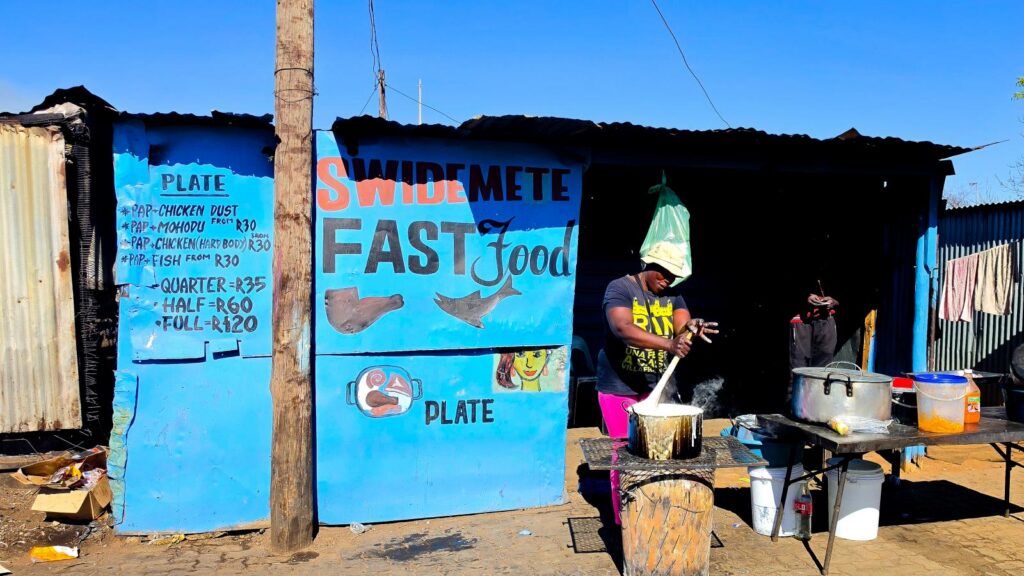
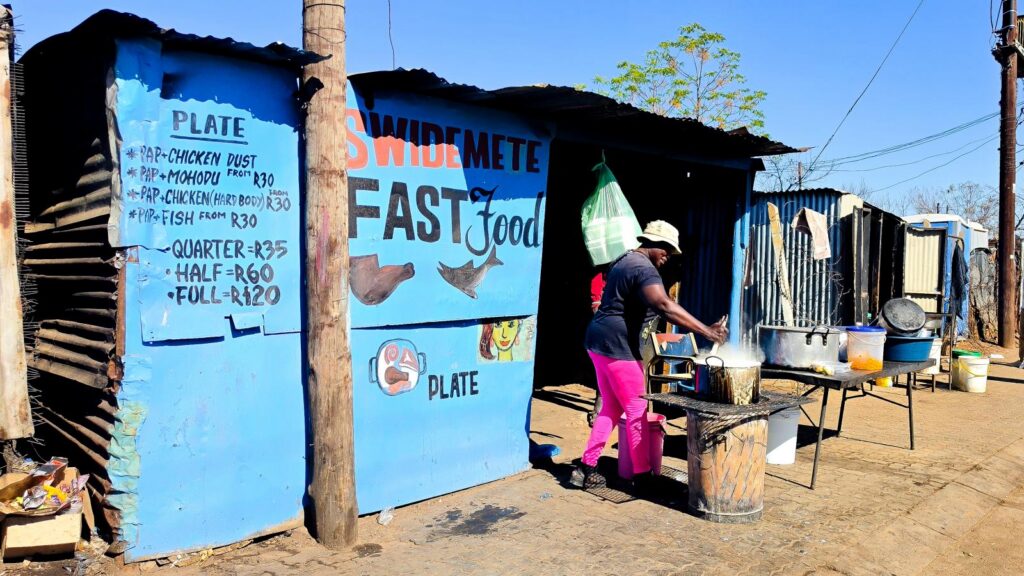
Precious Shizinga and Swidemete Fast Food photos





Comments