The man who makes more than R40,000 a day hosting live car auctions in a failed South African city


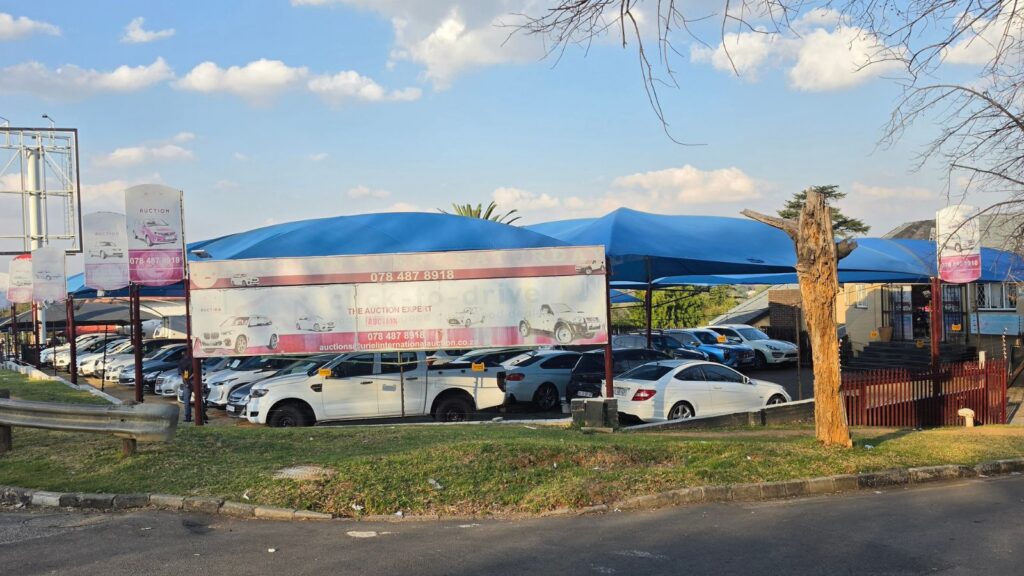
Prince Kafita’s Uriel International Auction business can make up to R40,000 or more in a single day, auctioning off cars in Randburg.
This may come after a week of no sales, with income being highly variable and dependent on what stock is available to Kafita.
Located in Randburg, Kafita’s business is one of the many success stories in South Africa’s forgotten informal economy.
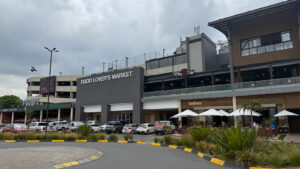
Randburg itself has almost been forgotten, with its CBD being planned to rival that of Sandton and Waterfall by the local government.
This was part of its plan to decentralise Johannesburg’s economy and create productive nodes closer to where people live.
However, Randburg now appears derelict, much like parts of Johannesburg’s former CBD.
Despite this, it is home to businesses that flourish in the informal sector, such as Kafita’s, which are a vital part of the local economy.
These businesses absorb the millions of formally unemployed South Africans and supplement consumer spending that has largely kept the economy afloat.
Informal economy expert GG Alcock explained in his three books on the informal economy that these businesses are not necessarily survivalist or a safety net.
Instead, Alcock said these businesses are thriving, asset-rich companies that mimic their formal peers and can grow rapidly with access to resources.
Estimated at a value of R1 trillion by Alcock, the informal economy has consistently outstripped the growth of its formal counterpart.
This means that the sector plays a vital role in South Africa’s economy, although it is often overlooked by official statistics that rely on formal data.
Alcock said the sector creates an invisible buffer that absorbs millions of unemployed people and supplements economic growth.
He is adamant that the country’s true economic health and unemployment figures are better than what is suggested by official metrics.
Instead of South Africa’s current unemployment rate of 32.7%, Alcock claims that it is much closer to 15% if informal employment is included.
This is thanks to the flourishing of businesses such as Kafita’s, which create immense wealth and value for South Africans.
Uriel International Auction
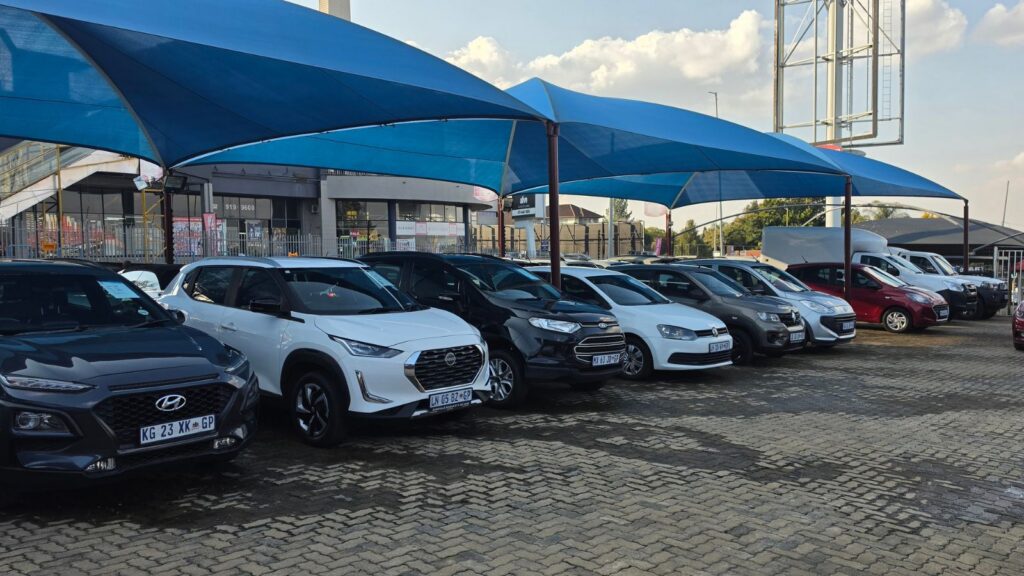
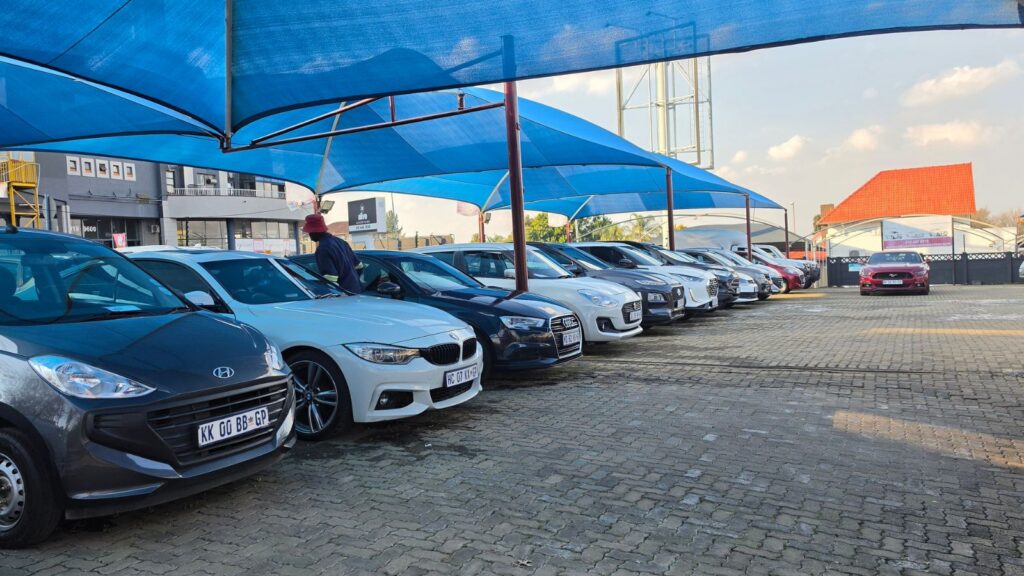
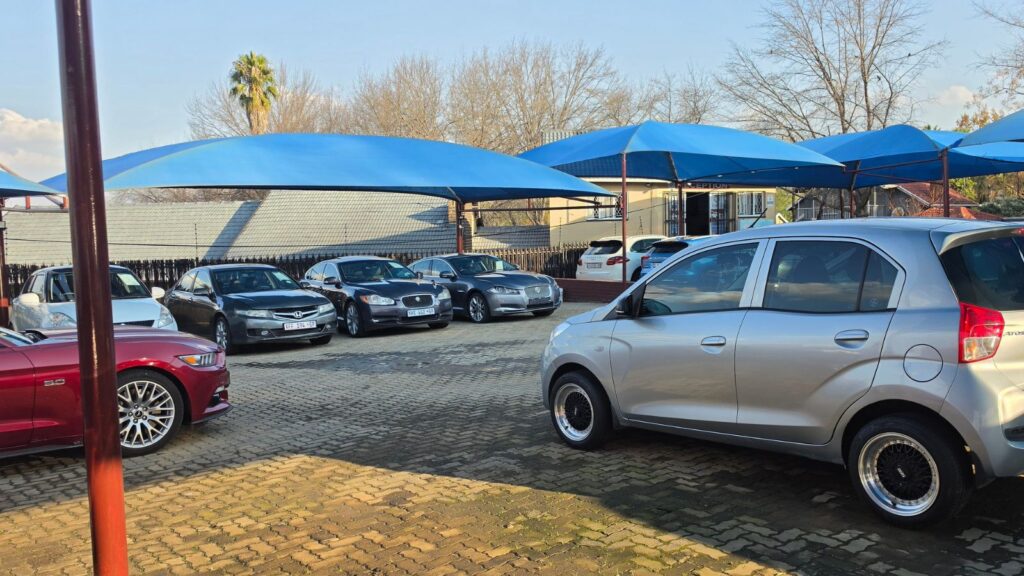
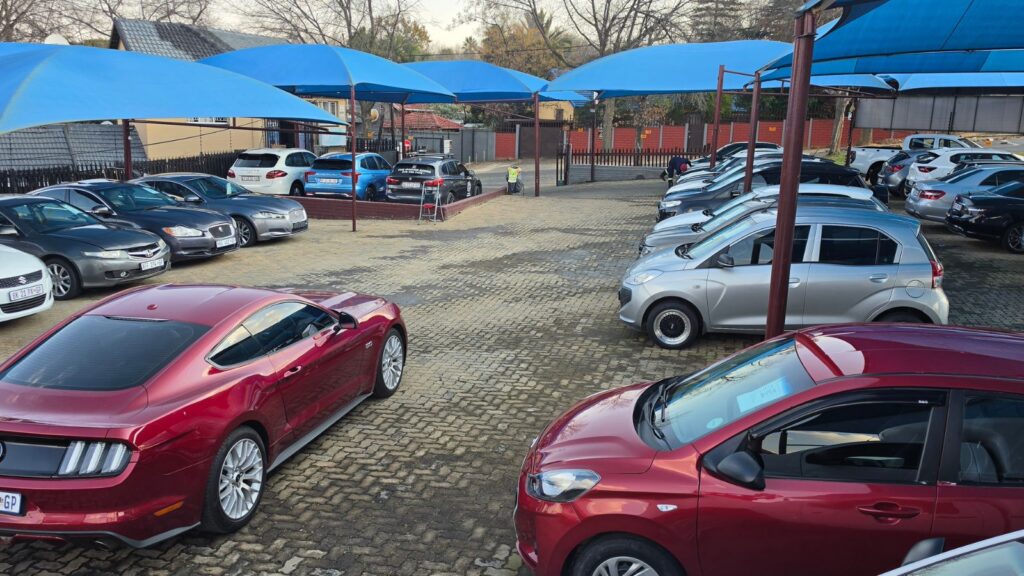
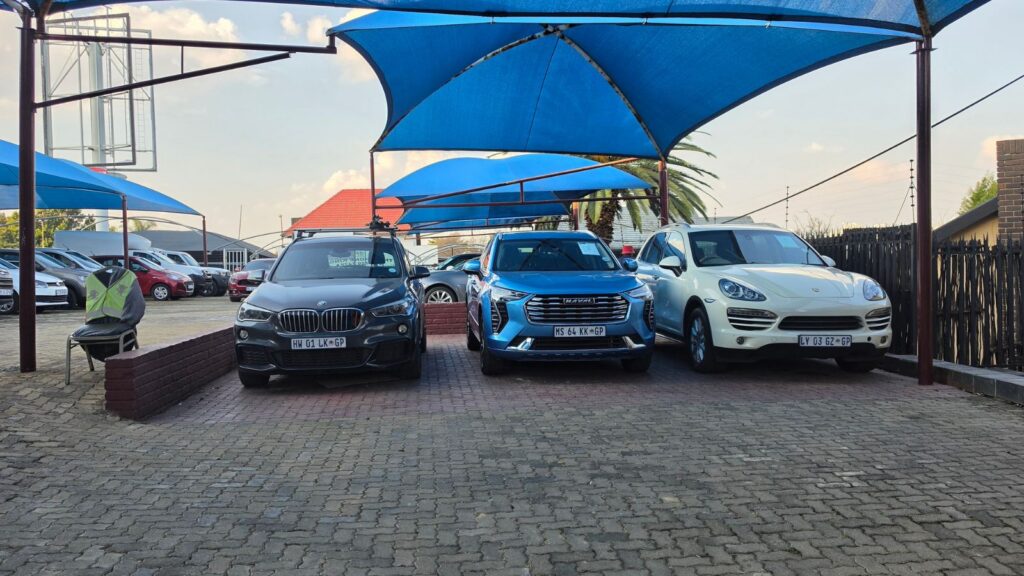
Founded by Kafita, Uriel International Auction operates in Randburg with a total staff complement of three people.
Selling vehicles and hosting auctions, the business’s income is highly variable, with quiet weeks often being followed by busy days. On these busy days, Uriel can make over R40,000.
Kafita told a representative of Daily Investor that his typical clients are bargain hunters, first-time car buyers, and independent dealerships looking for stock.
Given the nature of his business, Kafita only accepts EFTs as payment. This is unique given that much of the informal economy operates on a cash-only basis.
One of the biggest challenges for small businesses is the acceptance of digital payments, with many owners using personal bank accounts for their companies.
Banks are increasingly solving for this by launching new offerings targeting small business owners who use personal accounts for business.
These businesses also struggle to expand as they lack access to space and credit to fund their growth.
Kafita explained that he wants to expand his business by launching a digital bidding platform of a similar kind to WeBuyCars and other second-hand car traders.
This expansion would enable Kafita to reach buyers across the country, rather than only those who make the trip to his premises in Randburg.
Kafita told Daily Investor’s representative that he enjoys the unpredictable nature of selling cars on auction.
This unpredictability brings customers through the door as they hope to buy high-value vehicles far below standard market prices.
The auction model makes every day a unique event, attracting crowds and potential buyers. It also makes Kafita’s income and profit margins highly variable.
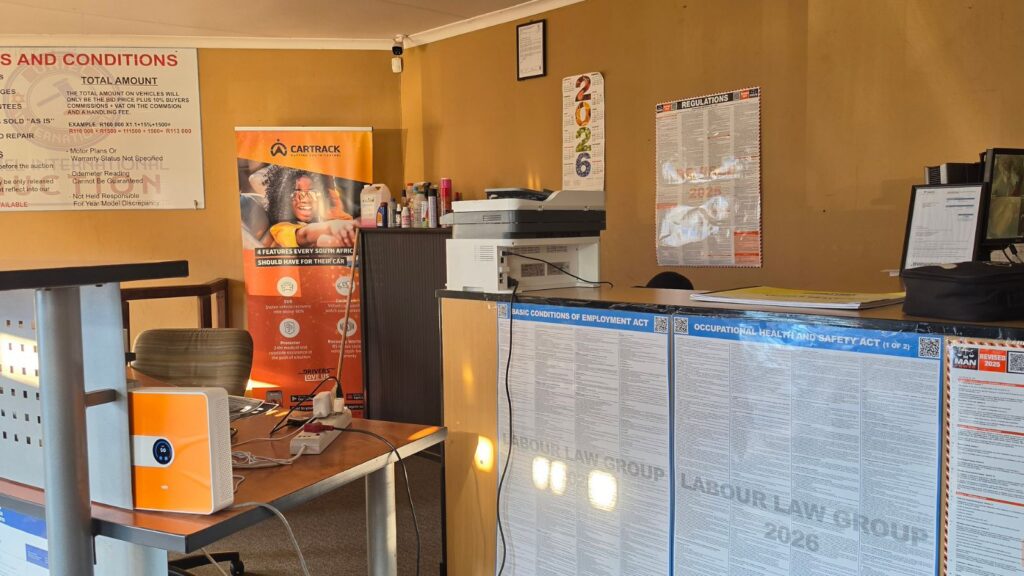
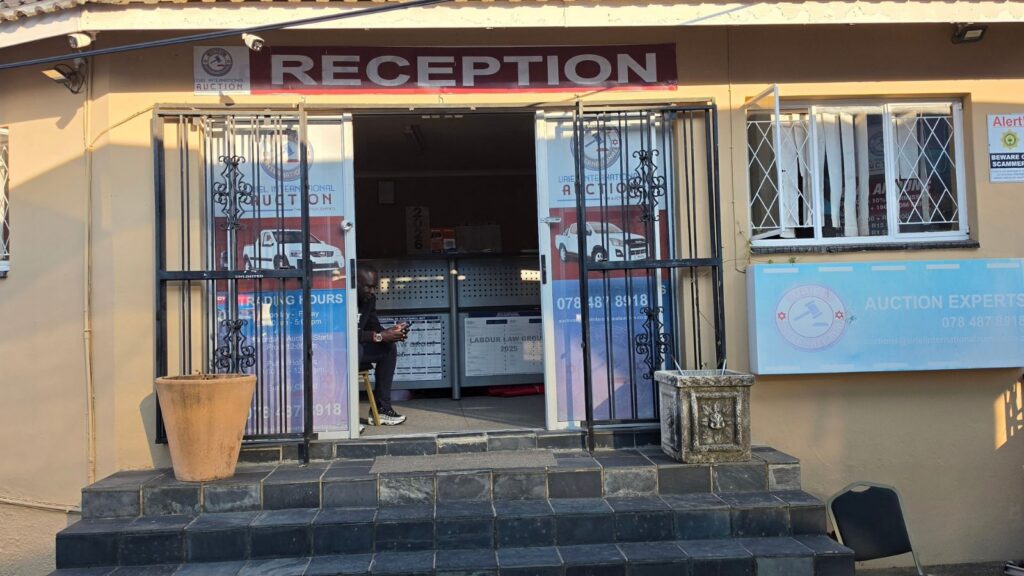
Images of Uriel International Auction





Comments