JSE-listed KAL Group reports massive recovery in latest results


KAL Group, a JSE-listed company focused on agriculture, fuel, and convenience speciality retail, has published its financial results for the year ended 30 September 2025.
These results show an impressive financial recovery despite a challenging economic environment, with gross profit increasing by 3.9%.
Headline earnings per share of 620.98 cents meant an increase of 10.6%, while the recurring headline earnings per share (RHEPS) of 624.47 cents signalled an increase of 11.2%.
This is in contrast with the RHEPS decline of 3.6% that was reported mid-year.
“At mid-year, we spoke about the momentum building in our business and the uplift we expected in the second half – and we have delivered exactly that,” said KAL Group CEO Sean Walsh.
“The recovery we anticipated has materialised, with a strong upswing across our operations supporting an exceptional full-year performance.”
KAL Group also highlighted that Return on Invested Capital (ROIC) increased from 12.6% to 13.2%, while EBITDA increased by 13.8%.
These impressive metrics are accompanied by a significant reduction in debt, with net-interest-bearing debt reduced by R436.3 million, and R268.2 million in term debt being settled in the past year alone.
This improved the company’s debt-to-equity ratio to 38.1% – the lowest the company has seen in a decade.
As a result of this impressive performance, KAL Group declared a total dividend of 210 cents per share to its investors, an increase of 16.7%.
Strategic ambitions
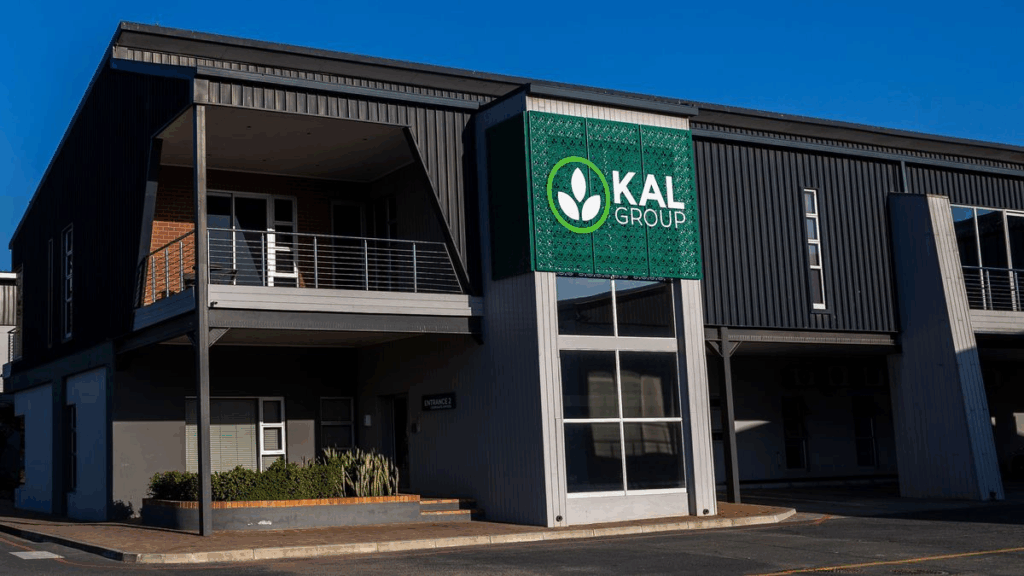
Walsh said the company’s results for the past year align with its 2030 strategic ambitions, which include –
- Delivering an ROIC of 14%
- Delivering a return on equity of 15%
- Maintaining an average debt-to-equity ratio of 40%
- Improving dividend payments
“We deliberately prioritised debt stabilisation and cash preservation through prudent capital expenditure during the past year, which sets us up well for 2026 as we look to grow by ramping up our footprint expansion,” said Walsh.
This expansion will build upon KAL Group’s national network of 268 sites, including retail stores, fuel service stations, convenience shops, and branded quick-service restaurants.
These are strategically located across rural communities, peri-urban areas, and major highway routes.
KAL Group has two core business segments – PEG Retail Operations and Agrimark Operations – which anchor KAL Group’s presence in all nine South African provinces as well as Namibia.
Highlights from the year included PEG adding three new service stations, performing 10 revamps, and introducing 15 retail touchpoints. Agrimark, meanwhile, added a new store and revamped another.
KAL Group aims to continue upon this trajectory by expanding with 10 new, revamped or upgraded PEG sites, Agrimark stores, and Agrimark fuel sites.
“Our capital expenditure is expected to double next year as we accelerate our expansion strategy,” said Walsh.
He added that the sale of Tego Plastics and Agriplas puts KAL Group “firmly in a position to unlock future value through our main operations and core growth drivers, Agrimark and PEG.”
Positive signs for agriculture sector
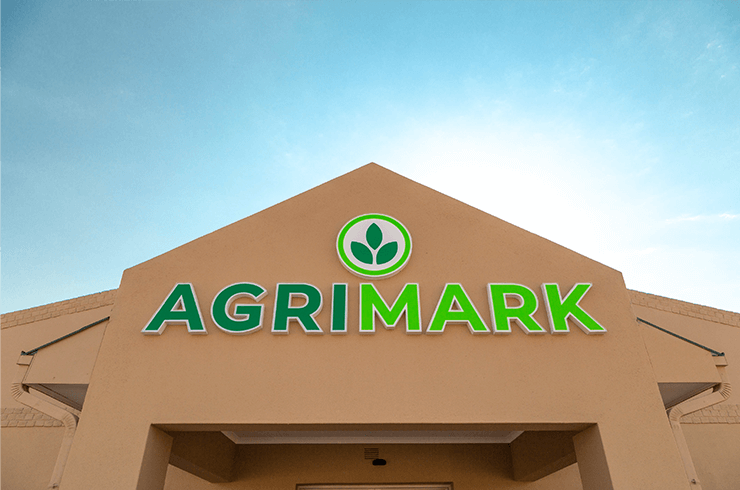
Walsh noted that agricultural performance has remained strong across all major categories, and farmers have been performing particularly well.
“With interest rates coming down, there is renewed activity in the market. Even a 1% reduction on the country’s R250 billion farm debt translates to R2.5 billion saved on interest, much of which goes straight back into the economy,” said Walsh.
According to KAL Group, apples and pears have had a stable year, stone fruit and table grape harvests improved, and wine production was excellent.
Notably, the citrus sector hit unprecedented export volumes of over 200 million cartons during 2025, while KAL Group handled approximately 18% more wheat in its silos year-on-year.
“The only agricultural subsector of concern is livestock, due to ongoing Foot-and-Mouth Disease outbreaks, though exposure to the group remains low,” said Walsh.


Comments