The family behind one of South Africa’s most iconic meat producers


The Moor family survived a shipwreck, built a diamond fortune, and founded one of South Africa’s biggest meat producers, Eskort, during a World War.
At a time when South Africa’s farming landscape had been hit hard by disease, the Moors were able to leverage technology and politics to build the country’s biggest pork manufacturer.
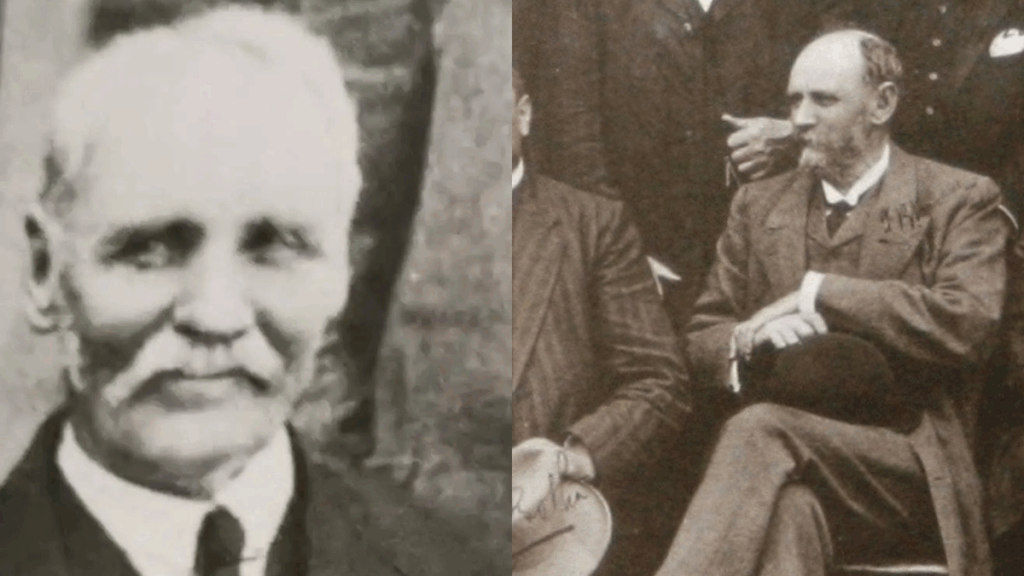
In April 1850, an immigrant ship named the Minerva, with 287 passengers, set sail from London to KwaZulu-Natal. Two of the passengers on board were Frederick William Moor and Sarah Annabella Ralfe.
When the ship arrived in Durban after more than two months at sea, it was wrecked by a reef, and all passengers and cargo ended up overboard.
Moor saved Ralfe’s life and carried her safely to shore. A romance bloomed between the two, and they were married two years later. They had five children, including Frederick Robert (FR) and John William (JW) Moor.
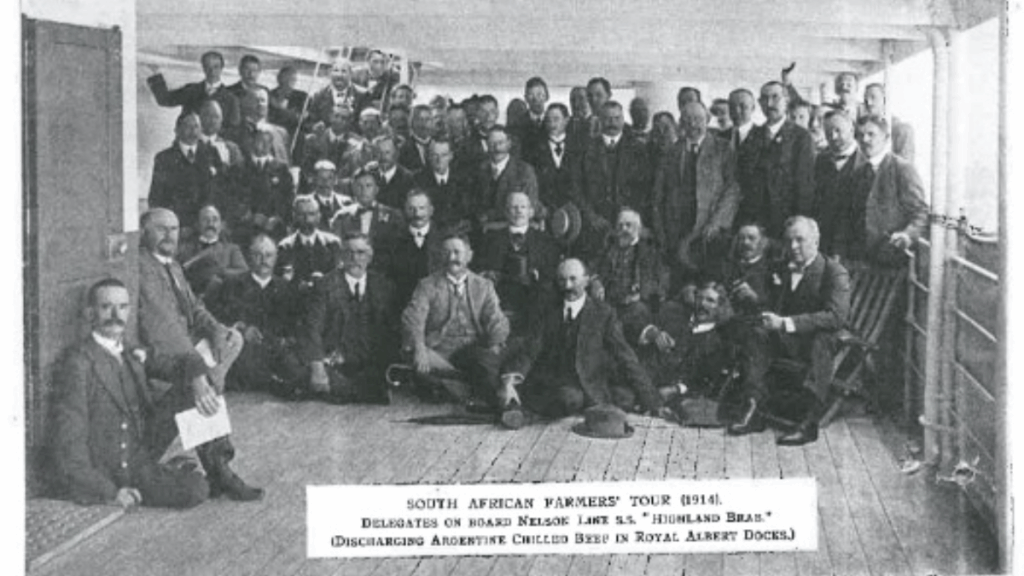
After school, in 1872, FR Moor went to Kimberley to make his fortune in the diamond mines. He was very successful here and built up a fortune, served on the mining board, and even met Cecil John Rhodes.
He spent seven years in Kimberley, but returned to Natal in 1879 after getting married to take up farming. FR and his brother, JW, partnered up to take on this farming venture.
Using FR’s diamond fortune, they acquired 20,000 acres of land where they farmed with sheep, goats and even ostriches.
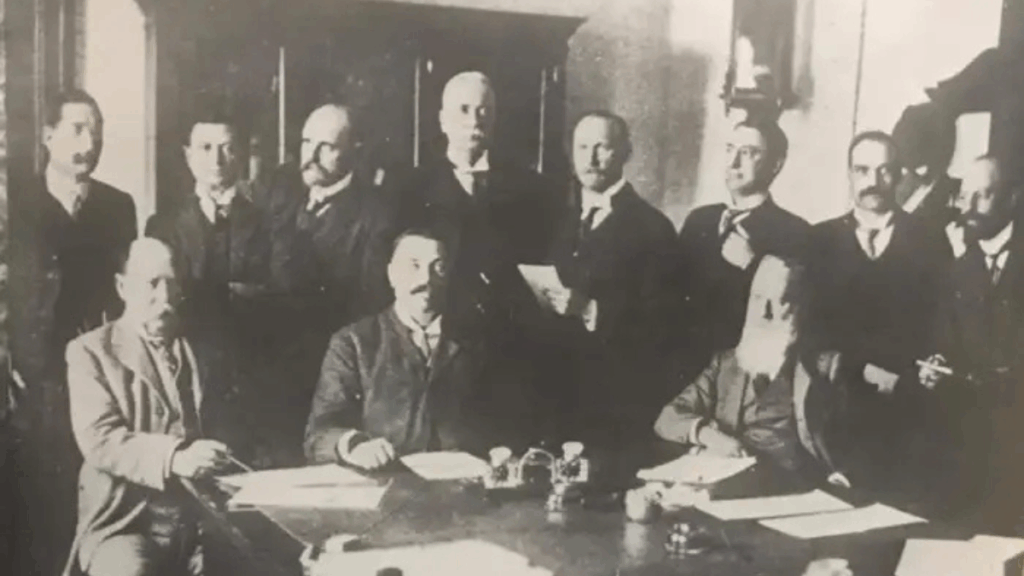
Unfortunately, around the turn of the century, local farmers were hit by cattle diseases. So, during mid-1917, a group of nine gathered at the Plough Hotel in Estcourt, KZN, to discuss the establishment of a bacon curing factory in the area.
The smaller farmers who had survived realised that forming a cooperative would allow them to pool their resources, get stable prices, and crucially, gain access to the major export markets.
War, politics, and innovation
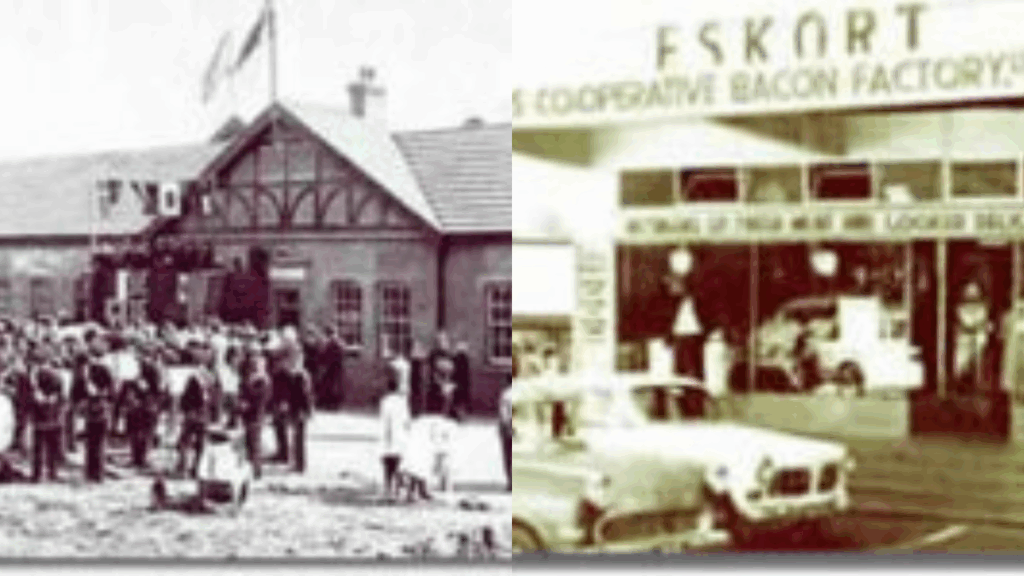
By August 1917, the Farmer’s Co-operative Bacon Factory Limited was founded, and building commenced virtually right next to Fort Dunford, between the fort and the Bushman’s River in the KZN Midlands.
The factory was officially opened by the country’s then-Prime Minister, General Louis Botha, in June 1918, a pivotal moment in history.
The First World War had decimated Europe’s food supply, and the United Kingdom was facing desperate food shortages. At the time, bacon was considered a strategic military staple.
Wanting to move up the value chain, Botha advised farmers to stop exporting raw maize and rather use it to feed stock animals so that processed, higher-value meat could be exported.
The timing of the Eskort factory opening and its location next to a military fort all aligned with the government’s plan to boost South African exports and support the war effort.
To make sure the bacon could survive the long sea voyage to the United Kingdom, the factory had to use the best technology available at the time.
This included a technique known as Wiltshire (or tank) curing. The traditional British method used to make bacon was dry curing, a slow process that required a significant amount of salt to preserve the meat.
This process resulted in incredibly salty, tough bacon. In contrast, the Wiltshire cure was a wet curing process that involved submerging the meat in a “mother brine tank”.
Over time, the nitrates, salpeter and salt combined with the bacteria that grew in the reused brine. This reaction dramatically accelerated the curing process, gave the bacon an appealing pink colour, and allowed them to use significantly less salt.
The resulting bacon had a milder, better-tasting flavour, which was a hit with both consumers and military supply chains. This demand endured even when the war ended.
In June 1919, manufacture of Gold Medal Sausages commenced, and the liner SS Saxon carried the first bacon exports to the United Kingdom. These were very well-received by that market.
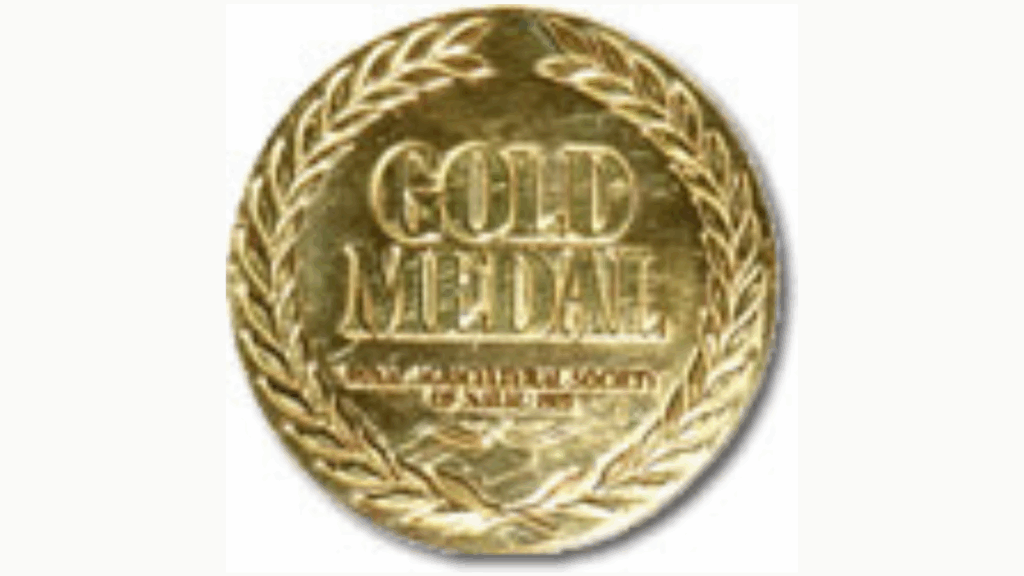
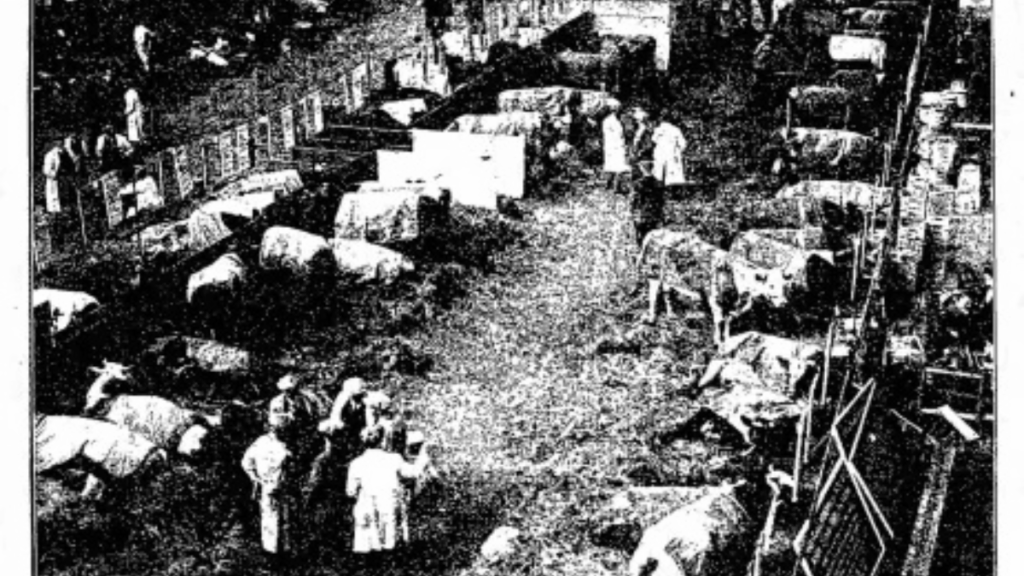
At the 1920 Rand Easter Show, the company secured the only Gold Medal in the Agricultural Section, the Silver Cup for Export Bacon, and the Silver Cup for Export Hams.
In the same year, the company was awarded a Gold and Silver Medal from the British Dairy Farmers Association at the London Dairy Show, where it achieved a perfect score.
In 1920, the company commenced the manufacture of the now-famous Eskort Gold Medal pork sausages.
The business’s continued marketing of excellent products was rewarded with their third successive win in the Export Hams and Bacon categories at the 1922 Rand Easter Show.
Unfortunately, tragedy struck in 1925 when a fire caused extensive damage to the factory, and production was temporarily relocated to Nel’s Rust Dairy Limited in Braamfontein, Johannesburg.
Despite the setback, the company gained the high honour of winning the top three prizes at the 1926 London Dairy Show.
Expanding the business
During the Second World War, over 1 million tins of sausages were supplied to the Allied forces worldwide. It also provided over 12 tonnes of bacon per week to convoys calling at Durban Harbour.
In early 1948, plans for a factory in Heidelberg, Gauteng, were developed. This factory commenced production in September 1954.
The retail Eskort Butchery, a favourite shopping destination for travellers between the Reef and Durban, was opened in 1951. The first Leyland Diesel transport was acquired in March 1953 for £2,362.
During the 1950s, the company embarked on a concerted effort to improve the class of pigs being received into the factory.
The purchase of breeding stock played a significant role in the development of reliable, high-quality raw materials. The first vacuum-packed, sliced bacon in South Africa was made available in 1959.
The Eskort Butchery in Estcourt became a popular stop on the Johannesburg–Durban national road during the late 1960s.
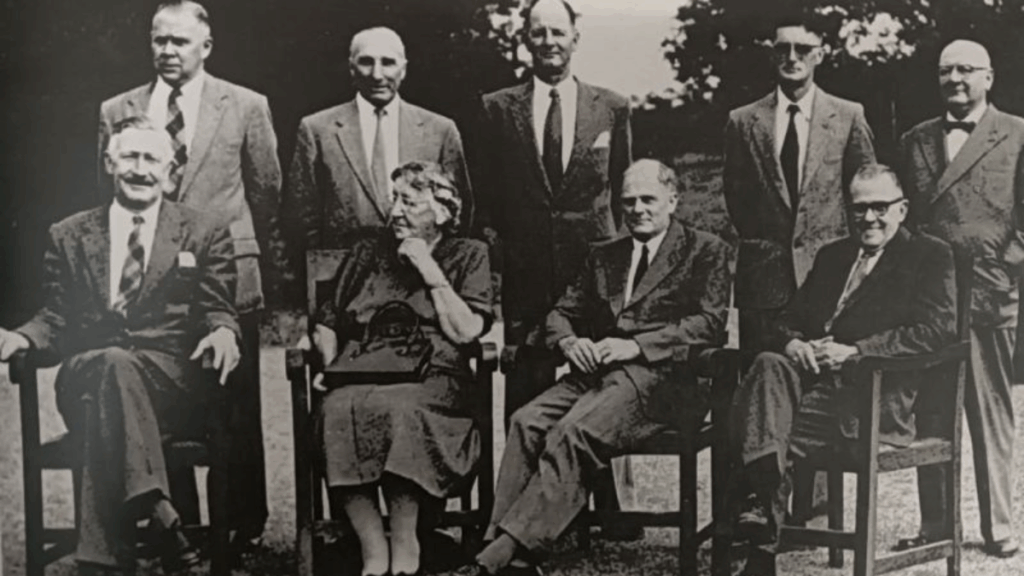
The Golden Jubilee Year of 1967 was celebrated with plans for additional expansion at both Estcourt and Heidelberg, which were continued vigorously to see Eskort become the single largest brand in South Africa’s processed meat industry.
In 1997, an automatic bacon slicer and packer was installed. Further significant acquisitions of technology and machinery were made each year to implement modern production procedures.
These procedures focused on making high-quality products and adhering to the highest food safety standards.
In 1998, Eskort Bacon Co-operative converted to a Limited company, controlled by supplier shareholders. Since 2000, the Eskort product portfolio has been extended into the fresh pork market.
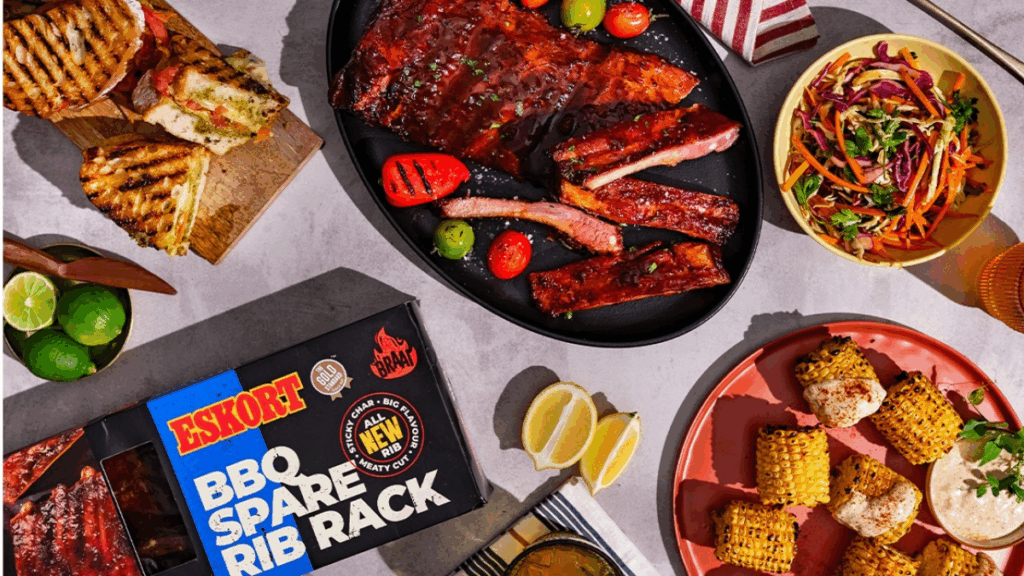
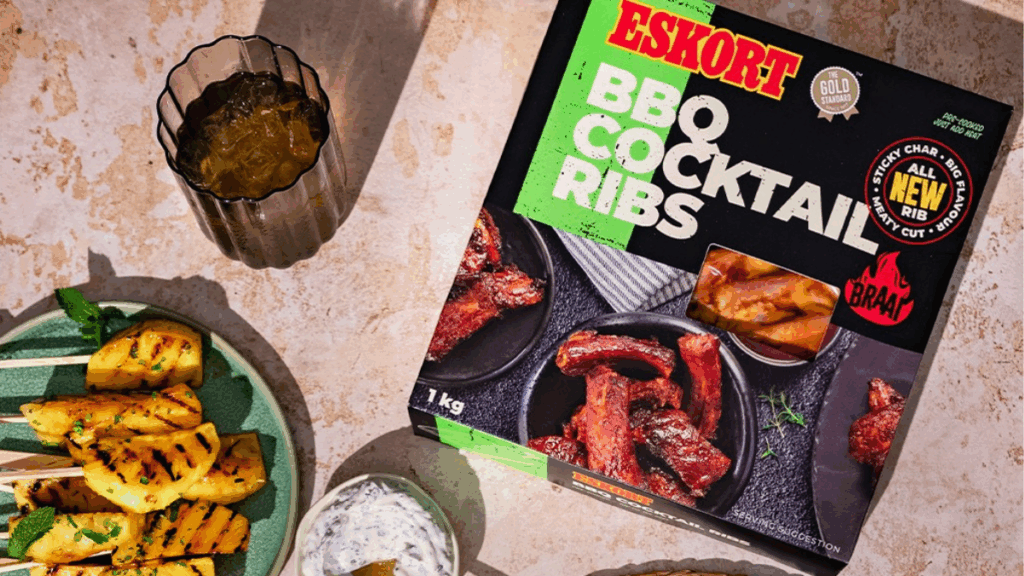
It marketed products such as Spare Ribs, Bacon Cherry Sticks, Marinated Rashers and Smoked Eisbein at the Eskort Butcheries situated in Heidelberg and Estcourt.
Many of these products, including Gammons, are packed under the labels of South Africa’s leading retailers, and Eskort produces a range of products endorsed by Weigh-Less.
Eskort today
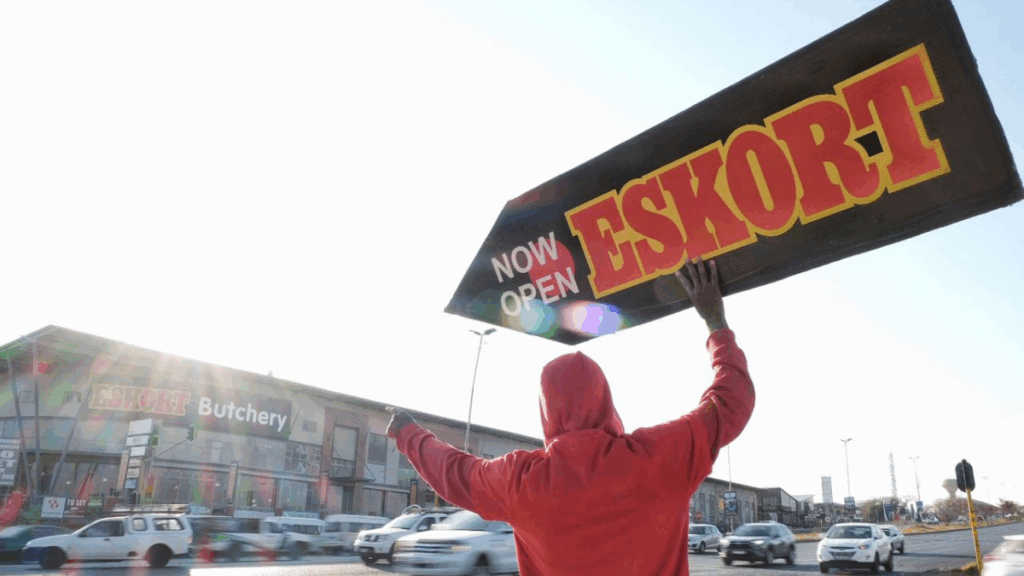
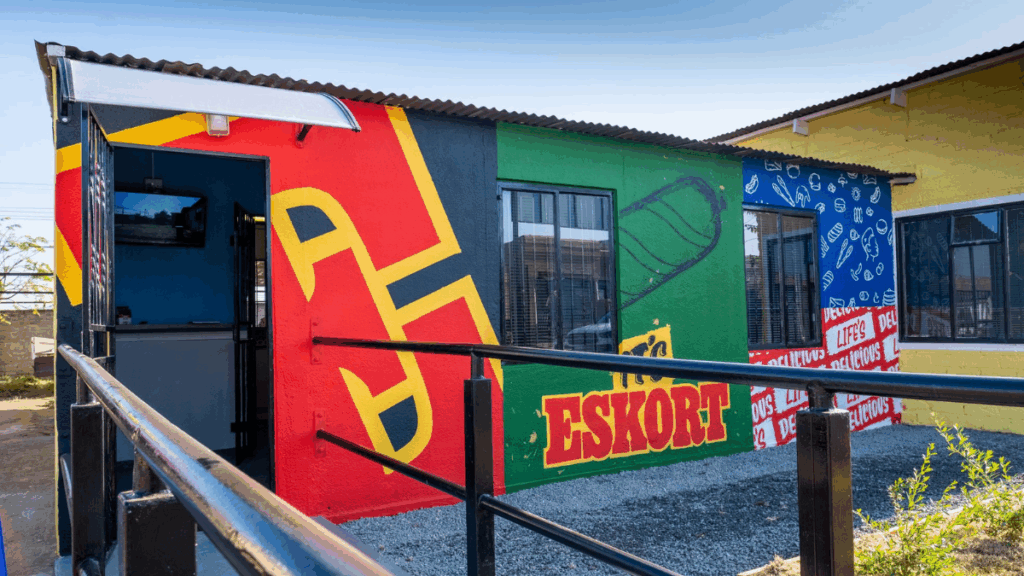
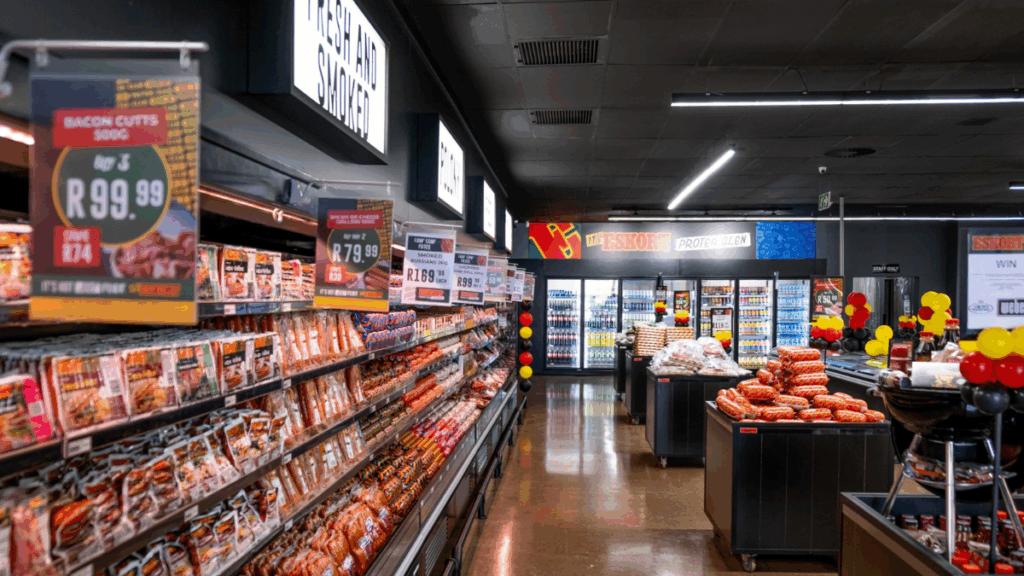
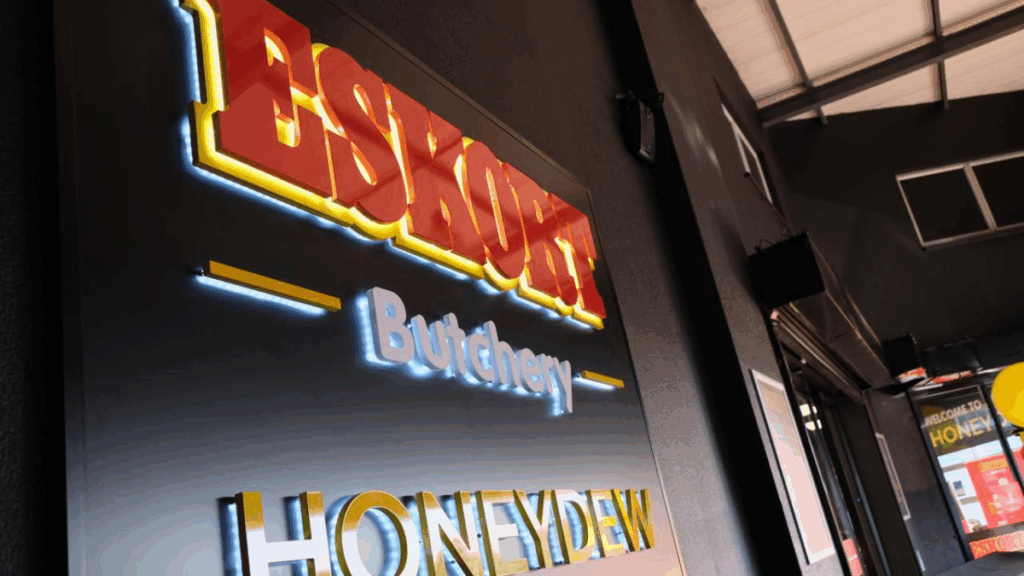
Today, over 100 years after its founding, Eskort is still focused on growing its footprint and product offering. There are currently 30 stores across South Africa, and the company has expressed plans to continue expanding.
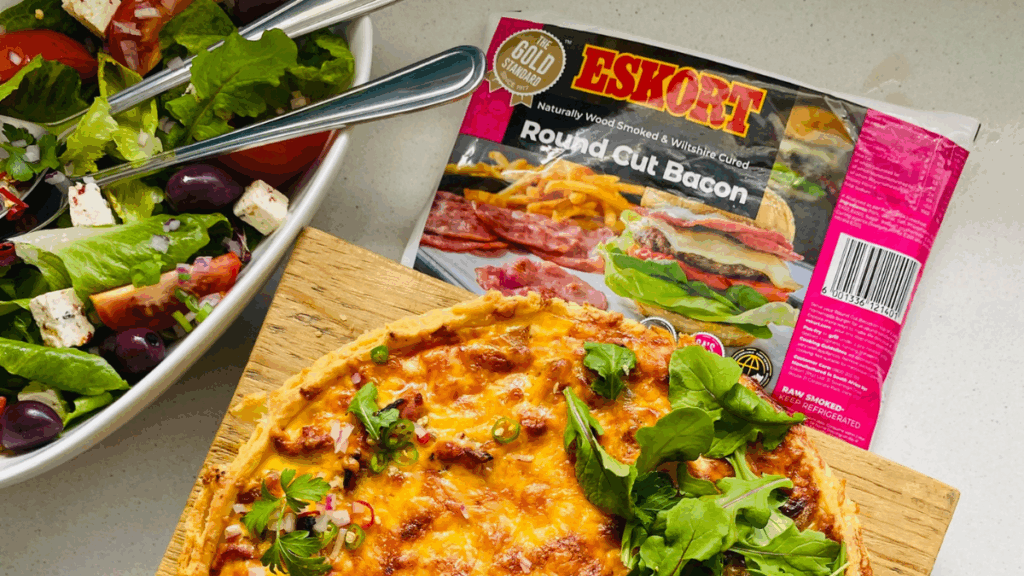
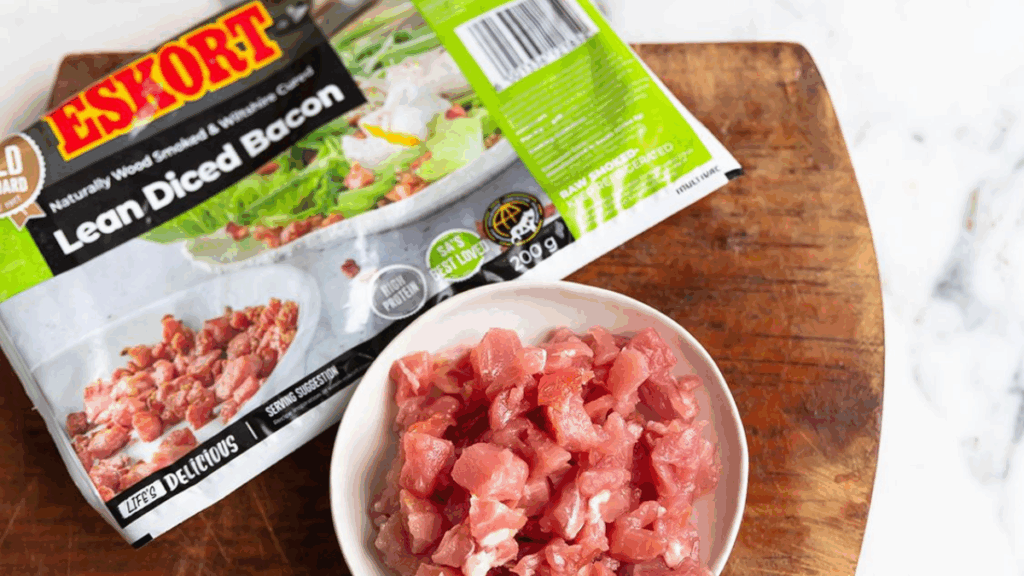
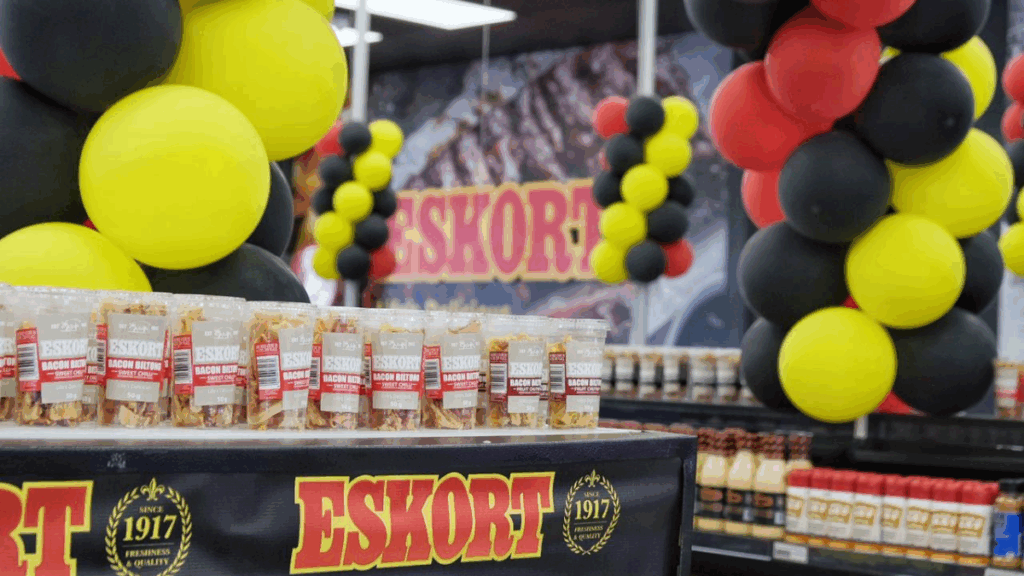
The brand’s products are stocked throughout the country in major retailers such as Checkers, Pick n Pay, Shoprite and Spar.
The company also supplies South Africa’s hotels, restaurants, and catering/cafés sector, which distributes to tens of thousands of restaurants, hotels, catering, healthcare and educational facilities.
The sector’s largest supplier, Bidfood, and another major player, Econofoods, buy a wide range of Eskort products and supply these items to customers from their 20-plus distribution centres.
Now, Eskort is looking to expand beyond retail into the food service and hospitality sector and aligning its pork products with menu developments.
“With the development of our retail convenience range, we have demonstrated our ability to respond to evolving consumer demands,” said Eskort CEO Arnold Prinsloo.
“We look forward to deepening our relationship with the food service and hospitality sector by working in partnership to satisfy their customers’ requirements.”
Eskort’s history
Eskort today


Comments