Anglo American bought a 326-year-old South African wine farm that had lost its vines and turned it into one of the best in the world


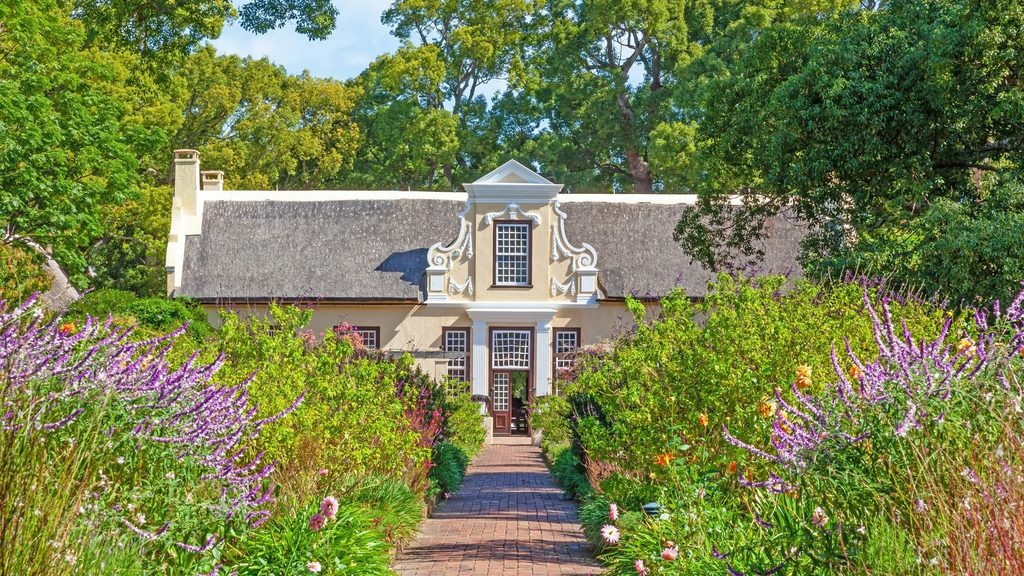
When Anglo American bought the Vergelegen Wine Estate in 1987, no grapes were being cultivated there after the estate had been devastated by disease.
Within a decade, the company had returned the farm to its place among the best vineyards in South Africa.
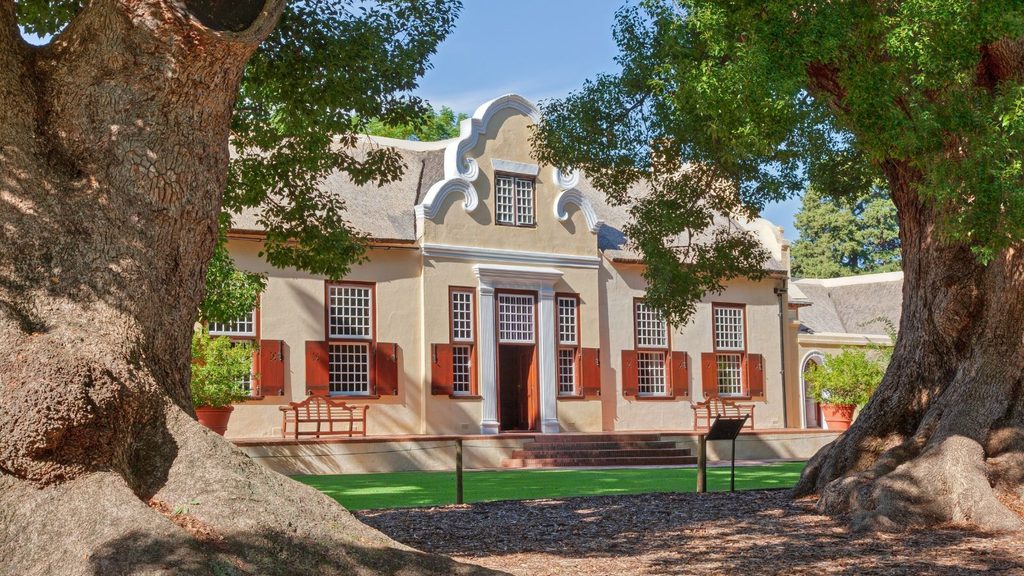
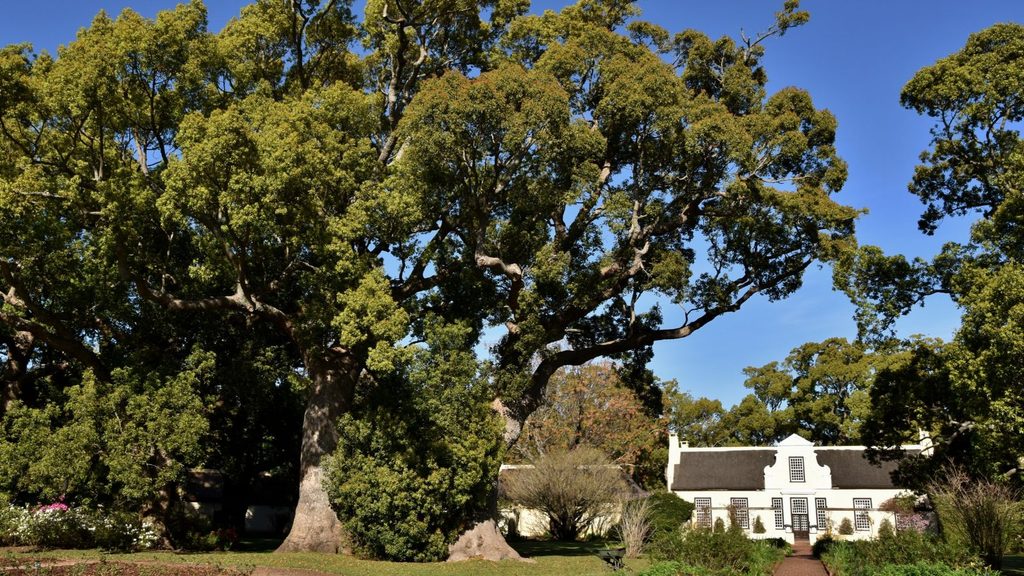
Vergelegen is now recognised as one of the premier wine estates in South Africa, as well as a heritage site with trees on its property dating back to 1705.
Dutch for “place far away”, Vergelegen is located just outside of Somerset West on the slopes of the Hottentots Holland Mountains.
The farm was founded in 1705 by Cape Governor Willem Adriaan van der Stel, and it originally spanned 30,000 hectares.
During Van der Stel’s time, the farm was three days away by ox wagon and was set up to resupply ships from the Dutch East India Company on their journey between the Netherlands and the Far East.
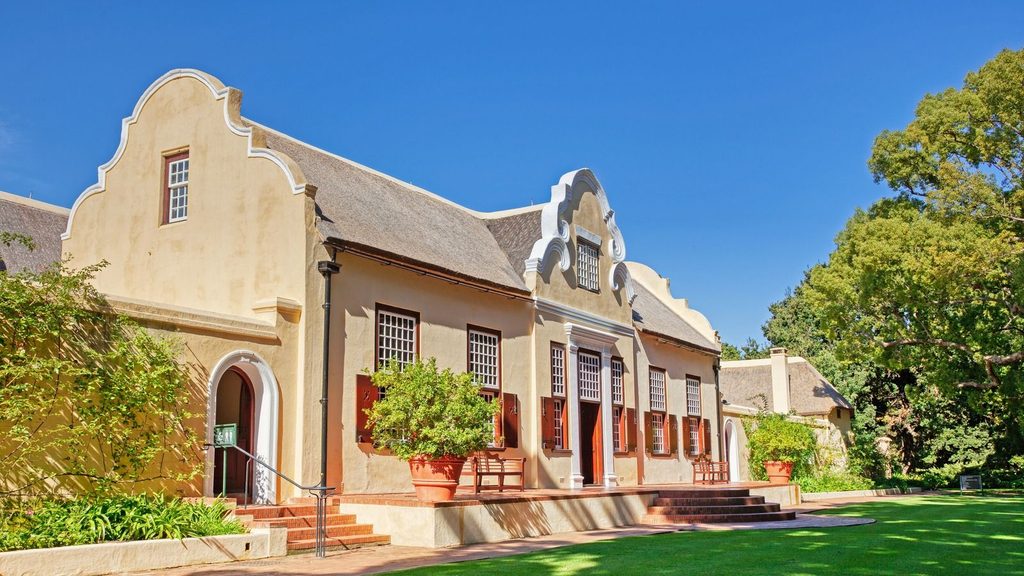
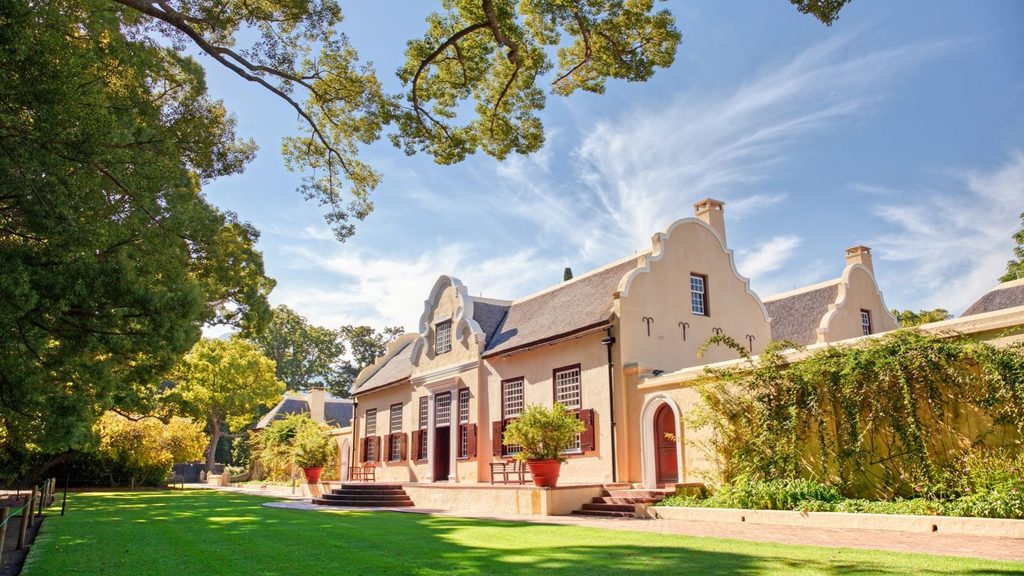
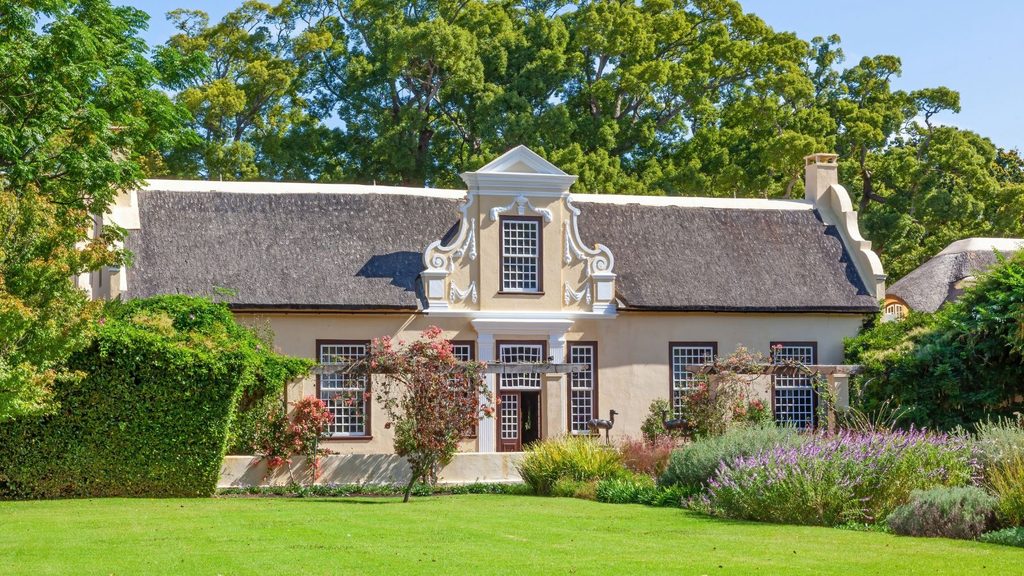
Van der Stel built a Cape Dutch homestead, planted 500,000 vineyards, established fruit orchards, and planted camphor trees that survive to this day.
As with many governors, Van der Stel flew too close to the sun and had the estate divided into four smaller farms after local citizens demanded his monopoly be broken.
The farm went through a tumultuous period before the Theunissen family acquired it in 1798 and expanded its winemaking capacity, making it among the largest producers in the country.
However, the Theunissens would also oversee the devastation of the farm, with a phylloxera epidemic decimating Vergelegen’s vineyards.
The farm was left without a single vine producing grapes, ending its era as the most prominent wine producer in the country.
This kicked off a period where the farm bounced around some of South Africa’s most prolific businessmen, with mining magnate Sir Lionel Phillips buying the property in 1917 for his wife, Lady Florence Phillips.
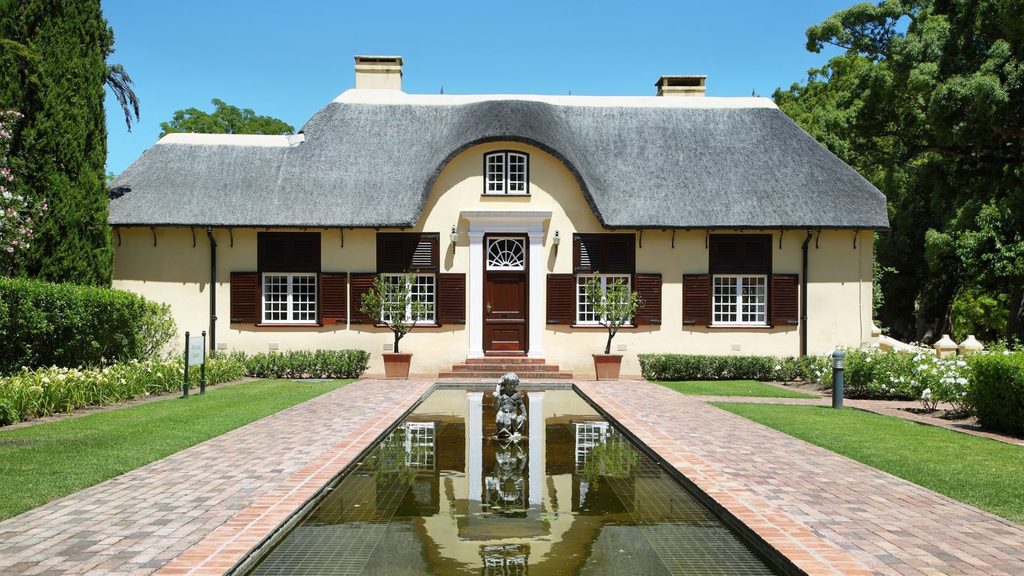
Phillips removed damaged vines and hired architects to restore the homestead and other buildings. The old winery was converted into a library and large English-style gardens were planted.
The estate became a salon for South African artists, writers, and intellectuals before industrialist Charles Barlow bought it at auction after the death of Lionel Phillips and his wife.
Barlow shifted Vergelegen back towards commercial agriculture, developing one of South Africa’s largest Jersey cattle herds, peach orchards, and experimental fruit plantations.
For a century, Vergelegen had not produced a single grape. However, this was all set to change when Anglo American acquired the estate in 1987.
Anglo brings Vergelegen back from the brink
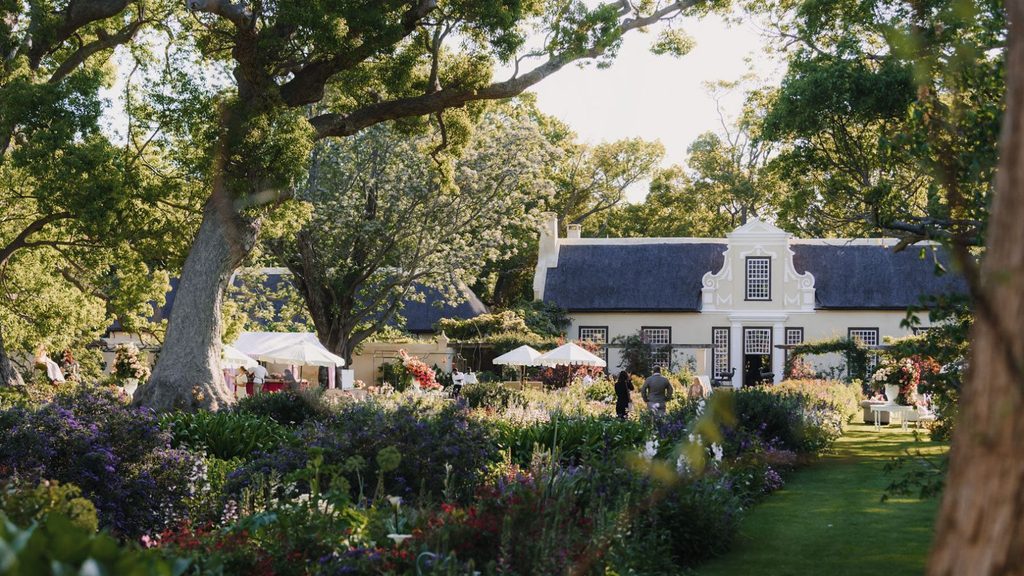
When Anglo American bought Vergelegen in 1987, there were no commercial vineyards on the property and no grapes had been produced for a century.
The company, used to getting its way with nature, set out to turn the farm into a diversified agricultural business and a luxury brand.
This would take decades, and the company was prepared to commit the necessary resources, as apartheid-era regulations limited its ability to invest outside of South Africa.
Anglo began by bringing in experts to conduct extensive soil and climate mapping before replanting vineyards from scratch.
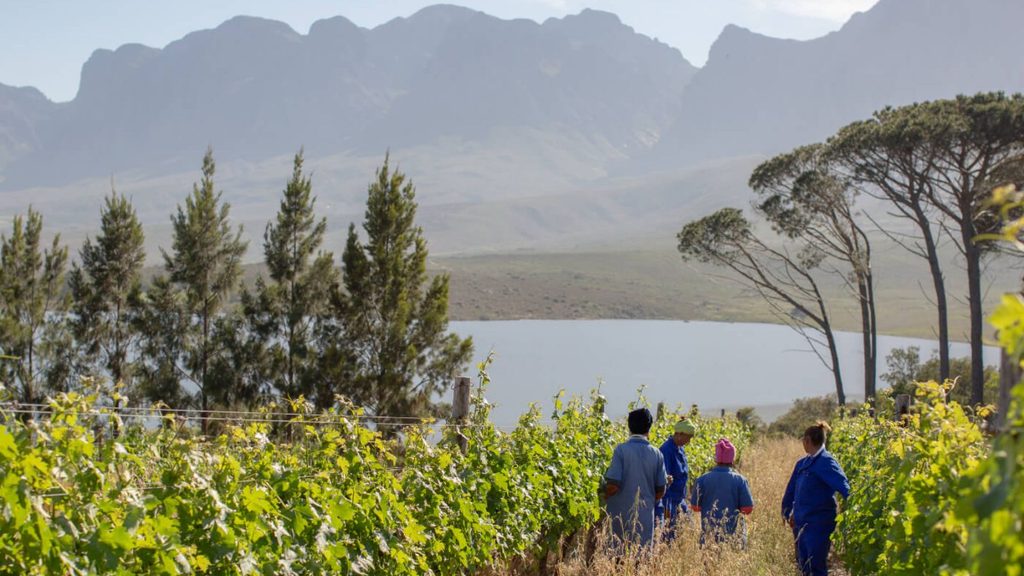
Within five years, the company had produced its first modern vintage. Today, Vergelegen has 117 hectares of vineyards that produce some of the best wines in South Africa.
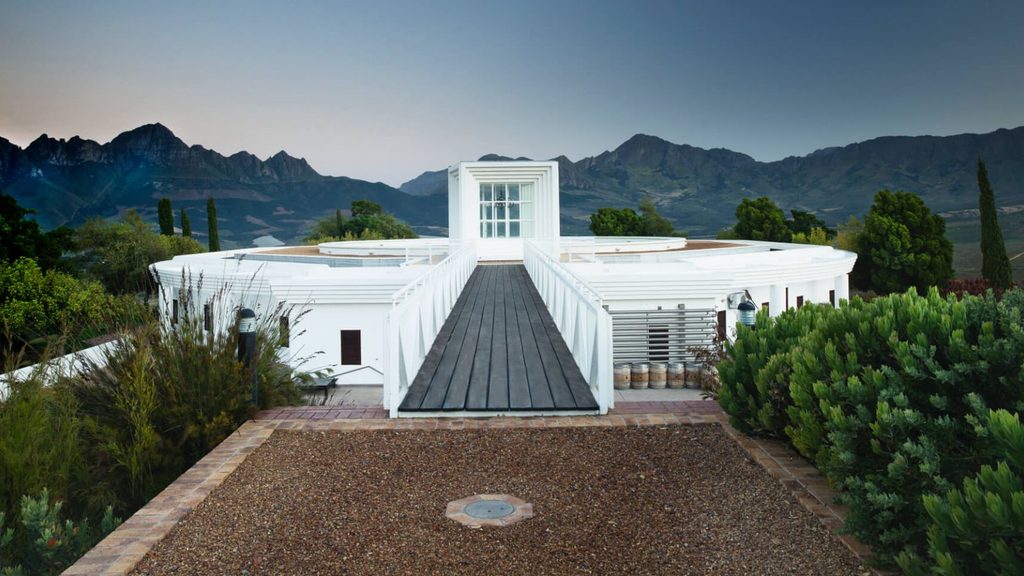
The mining giant also invested in a new gravity-fed winery in the 1990s. The new four-level winery was sunk 11 meters underground to process grapes by gravity rather than by mechanical pumping.
Ten years after its investment began, Anglo was reaping the rewards of Vergelegen’s flagship range, which won five-star ratings in Platter’s South African Wine Guide and other international accolades.
More recently, the company has appointed Wayne Coetzer as the farm’s managing director to modernise its operations.
This led to a new warehouse being built near the winery, capable of storing two million bottles. This enabled Vergelegen to centralise distribution on the farm.
Coetzer has also overseen the launch of the V Wine Club in the United States and the growth of Vergelegen into India through Sonarys.
The farm has not sat idle either, having been expanded into a hospitality destination featuring dining experiences across a handful of restaurants, picnic locations, heritage walks, and game drives.
Now, the wine estate is on par with Babylonstoren and Boschendal, operating more as a business than a farm, with wine only one of many revenue streams.
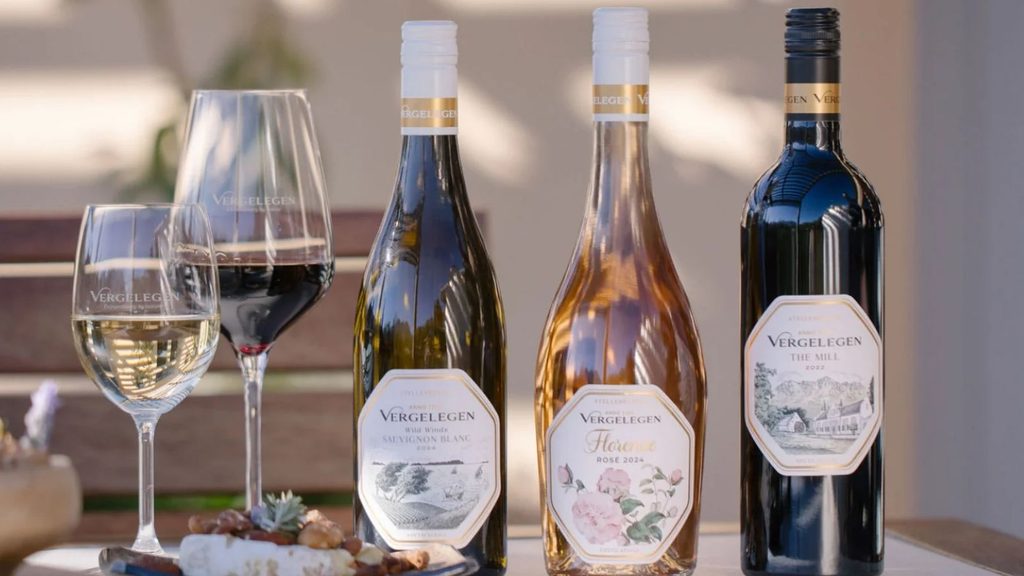
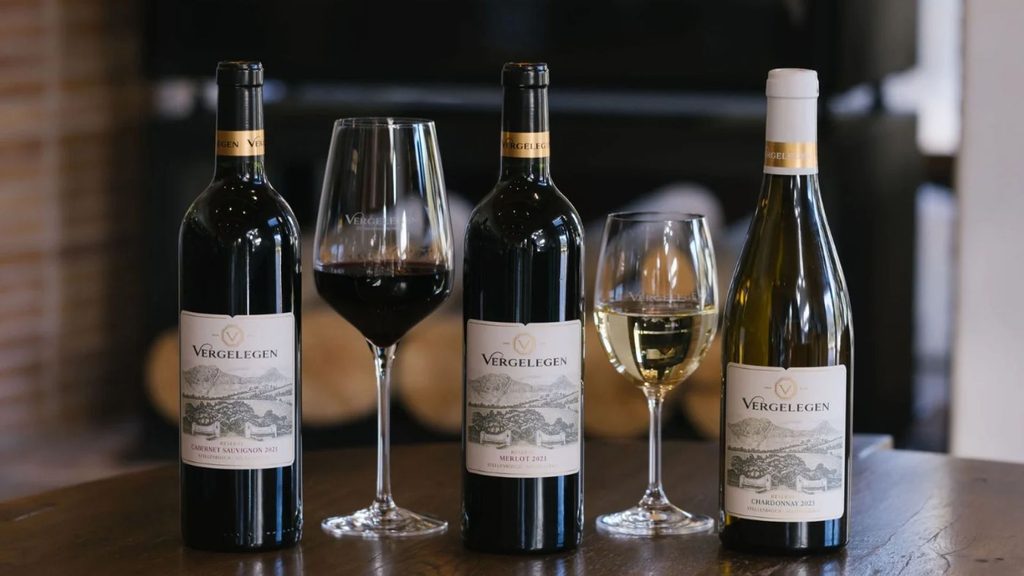
Vergelegen photos
Login or register for unlimited free access.