South Africa’s biggest airport has a special zone where companies do not pay VAT


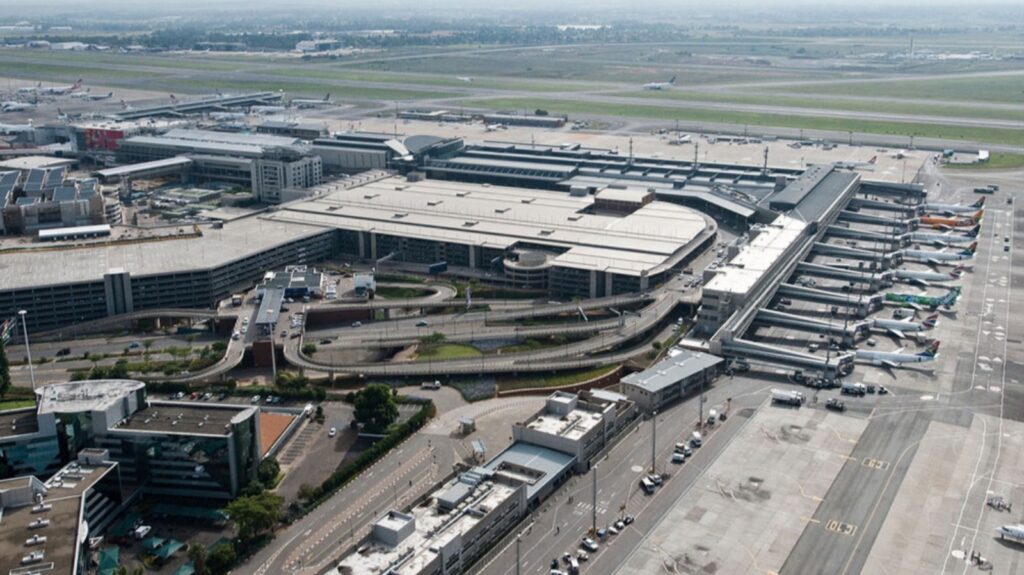
Located next to South Africa’s busiest airport, the OR Tambo Special Economic Zone (SEZ) gives companies access to special tax and customs incentives.
This specific SEZ focuses on high-value products that can be manufactured locally and exported through its airfreight network.
The zone is part of the government’s broader Special Economic Zones Programme, which aims to attract local and foreign investment, create jobs and increase the export of value-added products.
SEZs are geographically designated areas where businesses can operate under specific support measures and incentives.
The government introduced the programme to attract foreign direct investment and strengthen local manufacturing.
It also aims to support regional development, create employment and improve South Africa’s position in international trade.
The programme developed from the earlier Industrial Development Zone policy. The Special Economic Zones Act, signed in 2014, established a broader framework for the designation, development and management of these areas.
The Act provides for different types of zones, including Industrial Development Zones, Free Ports, Free Trade Zones and Sector Development Zones.
Industrial Development Zones focus on manufacturing and services linked to exports. Free Ports allow imported goods to be unloaded for activities such as storage, repackaging and processing.
Free Trade Zones provide duty-free storage and distribution facilities, while Sector Development Zones focus on particular industries.
Businesses operating in qualifying SEZs can access several incentives. These include a reduced corporate income tax rate of 15% for eligible businesses, compared with the standard corporate tax rate.
Qualifying businesses may also access building allowances and the Employment Tax Incentive.
One of the key benefits is the designation as a customs-controlled area. Businesses operating within these areas can qualify for specific VAT and customs relief under the relevant legislation.
This can include VAT relief on eligible goods and supplies, as well as customs duty rebates on certain imported goods.
However, these benefits are subject to specific requirements and do not mean that every business operating in an SEZ is automatically exempt from VAT.
The government also established the Special Economic Zone Fund to support infrastructure development and improve the ability of zones to attract investors.
The fund is intended to help finance infrastructure such as electricity, roads and sanitation, while encouraging additional private-sector investment.
The OR Tambo’s special economic zone
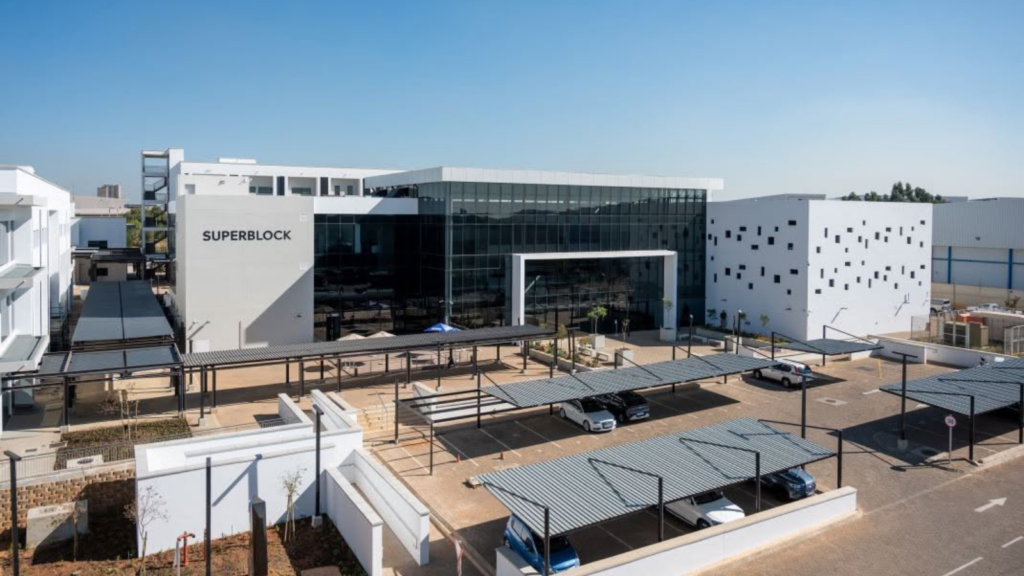
The OR Tambo SEZ is operated by Gauteng Industrial Development Zone Development SOC Limited, which trades as the Gauteng Industrial Development Zone (GIDZ).
Established in 2009, it is designed around the airport’s airfreight infrastructure and focuses on high-value manufacturing that benefits from quick access to international markets.
Its location is particularly suited to products that are relatively lightweight, valuable and time-sensitive.
Businesses can move goods from manufacturing facilities to the airport for export, reducing transport times and logistics costs.
The zone has several focus areas, including precious metals and minerals, pharmaceuticals, medical devices, electronics and agro-processing.
One of its key industries is mineral beneficiation. This involves processing raw minerals into higher-value products before they are exported.
The zone provides opportunities for companies involved in diamond cutting and polishing, jewellery manufacturing and gold refining. These activities allow South Africa to export finished products rather than only raw materials.
This is particularly relevant given the country’s significant mineral resources and established precious metals industry.
Another focus is pharmaceutical and medical product manufacturing. South Africa has established regulatory systems and supply chains that support the production of medicines and medical devices.
The airport’s location also provides access to other African markets, with the African Continental Free Trade Area creating opportunities for businesses looking to expand regional trade.
Electronics and high-technology manufacturing are additional focus areas. These include electronic components, security systems, vehicle components and robotics.
The zone also identifies opportunities in e-services, including e-commerce and digital services such as data storage.
Agro-processing is another targeted industry within the OR Tambo SEZ. Gauteng’s proximity to major agricultural production areas, combined with access to airfreight, creates opportunities for processing and exporting fresh food products.
This includes cold storage, food processing and other technologies that extend the shelf life of perishable goods.
The zone’s investment opportunities are spread across two main locations – OR Tambo International Airport Precinct 2 and the Springs Precinct.
While the airport precinct focuses on products suited to airfreight, Springs provides opportunities for capital equipment, mining machinery and transport components.
The Springs location is also positioned to support manufacturing linked to South Africa’s platinum-group metals industry.
The country is a major producer of these metals, which are used in various industrial applications. They are also important components in hydrogen technologies and fuel cells.
The zone identifies opportunities to manufacture hydrogen equipment, fuel cells and other platinum-group metal products for regional and international markets.
The broader objective is to attract investment into local manufacturing, develop supply chains and create jobs, while connecting South African businesses to global markets.
Login or register for unlimited free access.