Top global firm warns about clever trick scammers use to steal money from South Africans


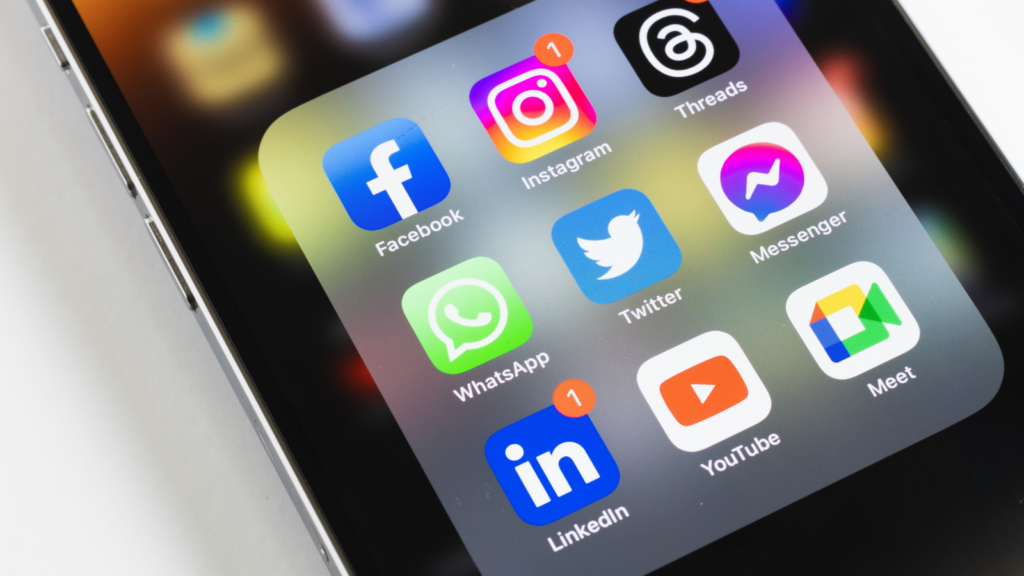
Scammers are increasingly taking over South Africans’ social media accounts and using them to target the victims’ own friends and family.
The approach exploits the trust people place in messages from people they know. A compromised account can be used to request money, share fraudulent links or promote fake investment opportunities.
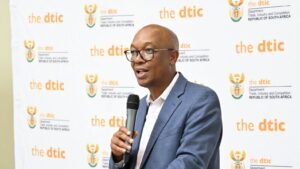
This is according to Meta’s Head of Safety Policy for Europe, the Middle East and Africa, Sylvia Musalagani, who discussed the growing threat of online scams on the Kaya Biz podcast.
Musalagani said scammers often exploit existing relationships by using familiar names, brands and situations to make fraudulent messages appear genuine.
A message might appear to come from a bank, for example, or contain an investment offer promoted by a well-known public figure.
Scammers also use compromised accounts belonging to friends or family members to request money. Because the message comes from a familiar account, recipients may be less likely to question it.
The danger is that the compromised account can then become a tool for targeting more people.
“Once your account is compromised, then you just become very, very vulnerable, and your account can be used to scam other people,” Musalagani said.
She explained that scammers are increasingly trying to persuade people to hand over their own information rather than relying solely on breaking into banking systems.
This can involve convincing victims to share passwords, PINs or verification codes, or to approve transactions themselves.
Musalagani said Meta is investing in technology and specialist teams to identify scam-related activity, including connected networks of accounts involved in fraudulent activity.
The company is also working to improve account security, verify identities and prevent scammers from impersonating public figures or misusing their images.
Meta has partnered with organisations including the South African Fraud Prevention Services, the Financial Sector Conduct Authority (FSCA) and the National Gambling Board.
The partnerships aim to improve public awareness and provide consumers with practical tools to identify and report suspicious activity. Meta has also launched a fraud and scams literacy course through its My Digital World platform.
How South Africans can protect themselves

Musalagani said scammers rely on creating a sense of urgency to stop people from checking whether a request is genuine.
Messages may claim that a family member is facing an emergency or that a bank needs immediate action. Fraudsters may also promise unusually high investment returns or ask for sensitive information.
She advised South Africans to pause and verify unexpected requests through a separate communication channel.
If a message appears to come from a bank, consumers should use the contact details on the bank’s official website, app or the back of their bank card. They should not use phone numbers or links supplied in a suspicious message.
Similarly, if a friend or family member unexpectedly asks for money, people should call the number already saved in their contacts to confirm the request.
Musalagani also warned against sharing passwords, PINs and verification codes. She recommended using unique passwords and enabling two-factor authentication on Facebook and Instagram.
Anyone who encounters a suspected scam should report it to the relevant platform. If money has already been sent, they should contact their bank or payment provider immediately through official channels.
The warning comes as South African financial institutions report rising losses from digital fraud, with criminals increasingly using advanced technology to make their schemes more convincing.
The South African Banking Risk Information Centre (SABRIC) recorded R2.4 billion in reported digital banking crime losses in 2025, up from approximately R1.9 billion in 2024.
Banking app-related crime accounted for more than 70% of reported digital banking losses in 2025. Card fraud losses also increased by 18%, reaching R1.7 billion.
SABRIC has warned that criminals are using artificial intelligence to create more convincing phishing emails, messages and impersonations.
Its 2024 annual crime statistics also highlighted the growing use of AI-generated content and deepfakes in fraud schemes.
These included convincing phishing messages and attempts to impersonate individuals or banking officials using cloned voices.
Investment fraud is on the rise
The FSCA has also issued several warnings about fraudulent investment schemes that use artificial intelligence to impersonate public figures and legitimate financial institutions.
In June 2026, the regulator warned about a deepfake video using the identities of financial journalist Maya Fisher-French and radio presenter Bruce Whitfield.
The video, published on Facebook, promoted an investment scheme and promised returns of up to R60,000 a week from an initial investment of R4,200.
The FSCA confirmed that the two individuals were not associated with the video or the investment being promoted.
The regulator has also warned about scams impersonating authorised financial services providers and public figures.
These schemes often use social media to advertise unrealistic returns, solicit payments and convince consumers that an investment is legitimate.
The FSCA advised consumers to check whether a person or company is authorised to provide financial services before investing.
It also warned against unsolicited investment offers, pressure to act quickly and requests for upfront payments.
The growing use of AI and account impersonation means that familiar names, convincing messages and professional-looking investment adverts are not proof that an offer is legitimate.
Consumers should independently verify requests for money or personal information before responding, even when they appear to come from someone they know.
Login or register for unlimited free access.