Armoured police vehicles, ammunition, and aircraft for sale: Iconic South African SOE has a fire sale of high-tech military equipment


Armscor has been selling defence matériel on behalf of the Department of Defence (DoD), including retired aircraft, old ammunition, and armoured police vehicles.
There are largely obsolete assets, or ones that have been out of service for extended periods, that are now being sold through a structured disposal programme.
This is viewed as an alternative revenue stream for the organisation, which has been contending with declining defence budget allocations.
Armscor, or the Armaments Corporation of South Africa, is the country’s state-owned defence procurement and acquisition agency.
Established in 1968, it was used as a war machine by the apartheid government during a time when South Africa faced international arms embargoes.
Between 1968 and 1992, Armscor steadily grew into an industrial giant that employed 30,000 people and sustained 100,000 workers across private contractors.
During this period, it acted as both buyer and manufacturer, developing world-class hardware tailored to African terrain.
This included the G5 and G6 long-range howitzers, the Ratel infantry combat vehicle, the Casspir MRAP, and the Rooivalk combat helicopter prototype.
Through these developments, Armscor achieved global recognition as a master of artillery, with its creations often out-ranging their Western and Soviet counterparts in the Angola Border War.
However, a big change came in 1992. Following South Africa’s milestone referendum to end apartheid, the government split Armscor in two.
Its manufacturing capabilities, including plants, research labs, and intellectual property, were unbundled to create Denel.
Armscor then transitioned into a non-manufacturing agency responsible for the procurement, tender administration, quality assurance, and management of strategic facilities for the DoD.
Denel came under severe pressure during South Africa’s State Capture era, suffering cash shortages and failing to pay staff.
Armscor also came under pressure for its role as the “middleman” in South Africa’s defence industry, though it fared better than Denel.
Armscor’s balance sheet remained solvent, but the organisation suffered an institutional hollow-out, losing much of its agility and industrial expertise.
Military equipment for sale
Today, Armscor is profitable, though its bottom line is volatile due to fluctuations in debtor collections, expected credit loss provisions, and impairments.
For example, it reported a surplus of R271.64 million in 2026/27, a 237.27% increase from 2025/26.
However, this 2025/26 surplus of R80.54 million represented a 46.62% decrease from Armscor’s 2024/25 surplus of R150.87 million.
Despite these wild swings in its bottom line, Armscor’s revenue is comparatively stable.
One of the revenue streams Armscor has developed is the sale of outdated military equipment on behalf of the DoD.
Armscor is statutorily empowered and mandated to do so under the Armscor Act of 2003, which came into effect in May 2006.
In addition, the DoD and Armscor signed a rolling 3-year service level agreement in June 2025 to further cement the operational requirements for matériel life-cycle management and disposal.
To aid in this process, Armscor’s board established an Investment and Deal-Making Committee in April 2025.
This committee is tasked with advising the board on policies, strategies, and business cases regarding the “sweating of assets” and reviewing capital asset disposal requests.
When a new board was appointed at Armscor in 2025, it found that a large number of assets had accumulated and were obsolete or had remained out of service for extended periods.
The board decided to address this asset redundancy by developing a viable disposal programme.
Under this programme, Armscor began channelling resources and made a few sales in the 2025/26 fiscal year.
For the year through March 2026, Armscor reported a gain of R10.27 million on the disposal of assets and liabilities.
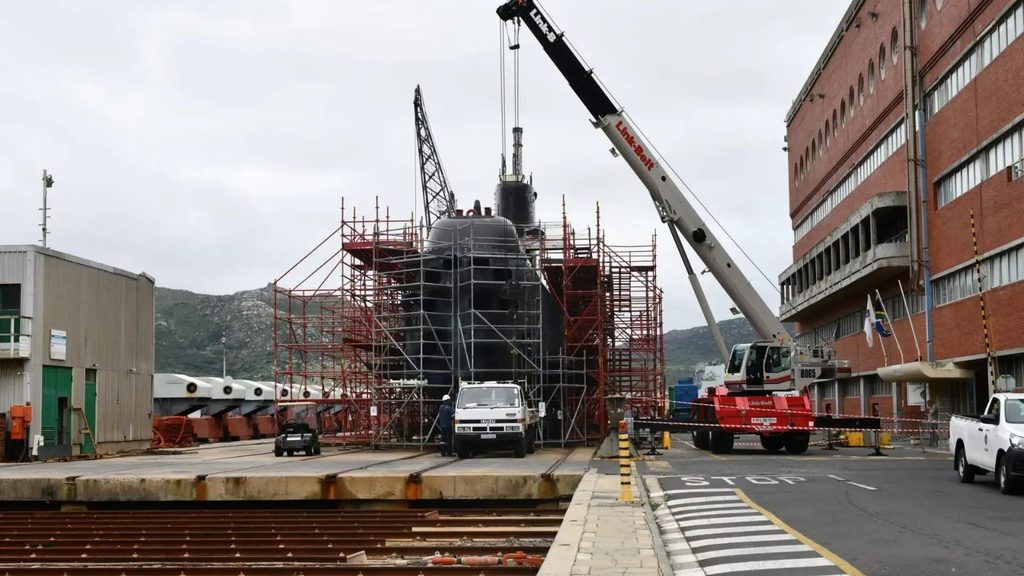
Some of the assets on the chopping block include retired aircraft, vehicles and spare parts, obsolete defence systems, and old ammunition.
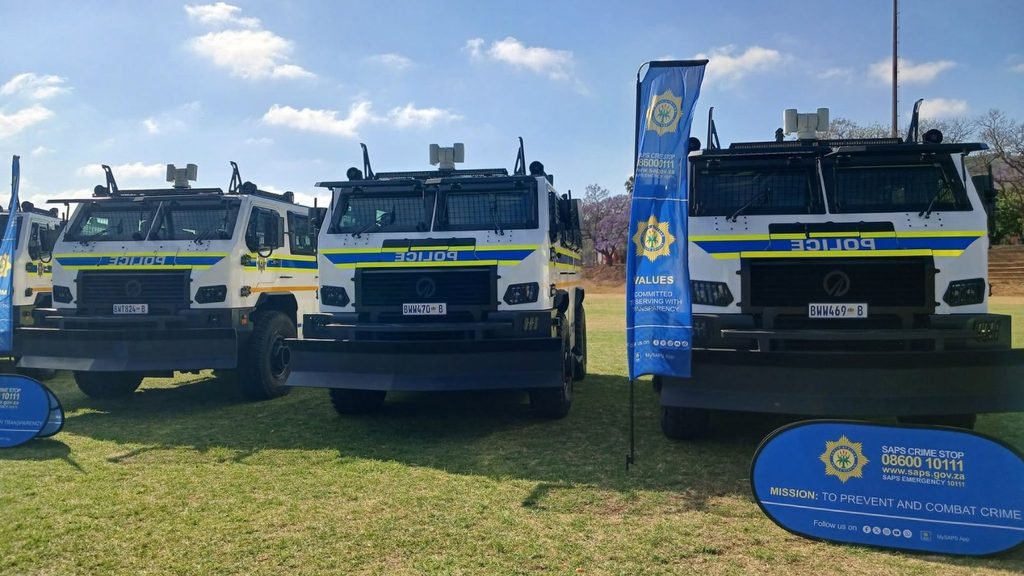
It has also expanded its disposal offering to obsolete armoured vehicles used by the South African Police Service.
Login or register for unlimited free access.