The South African town home to the most expensive power station in the world that cost R240.4 billion to build


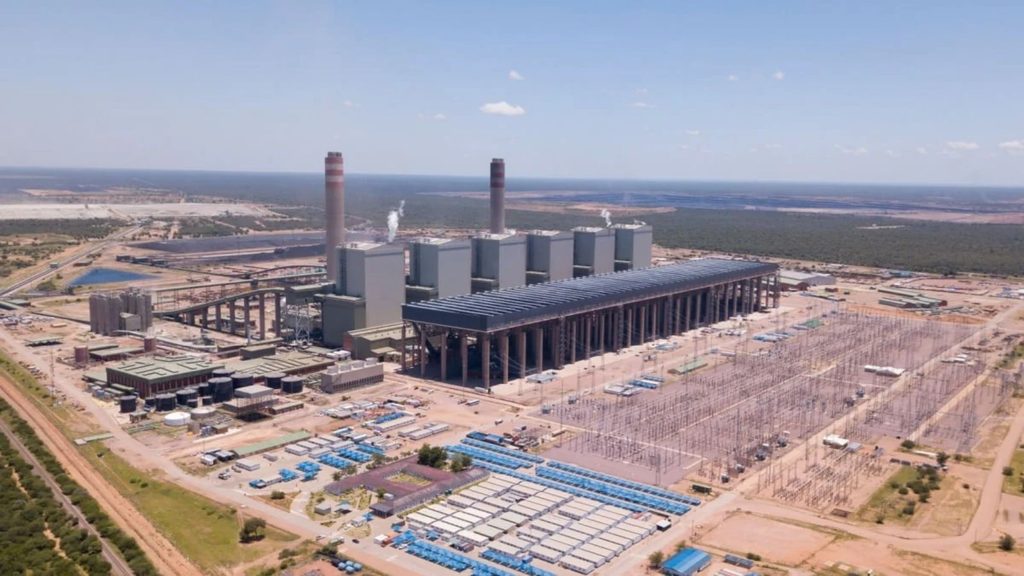
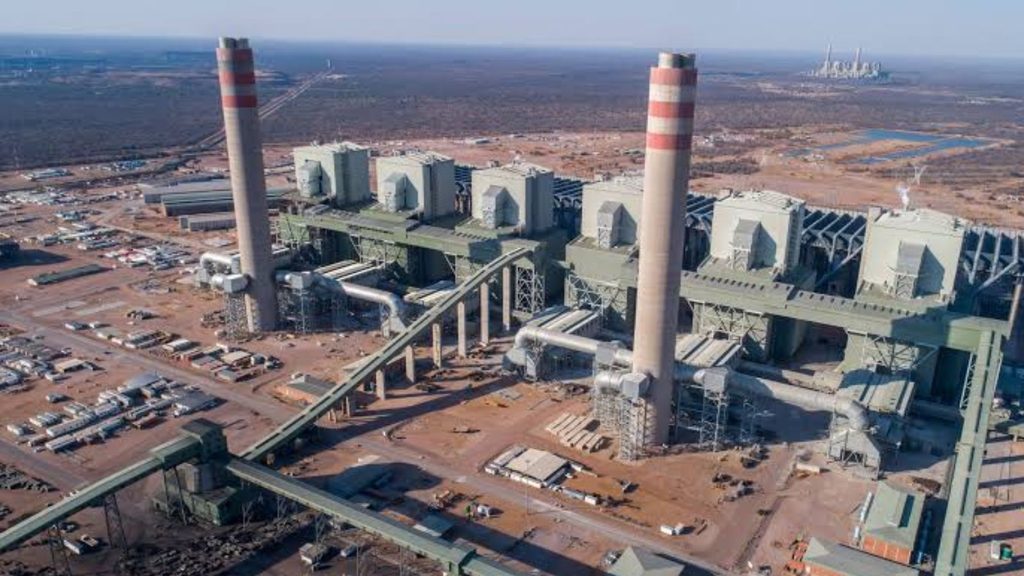
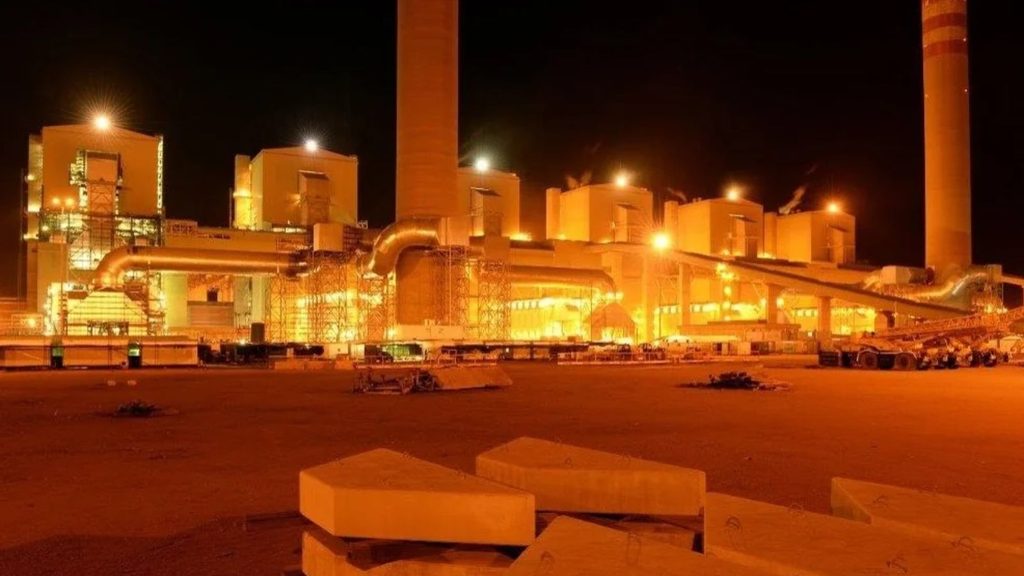
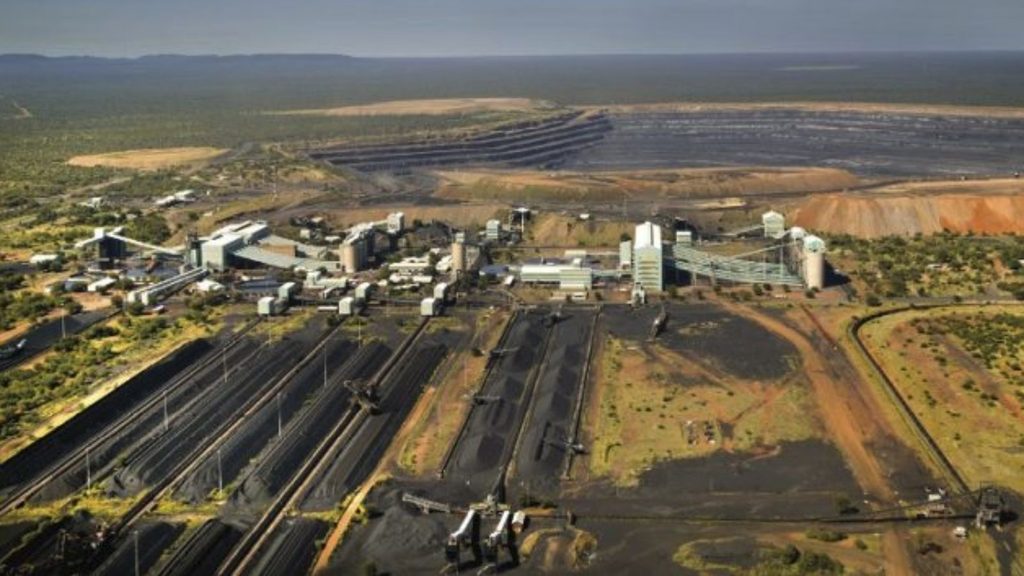
The frontier town of Lephalale, formerly Ellisras, is a historic town that is now home to the world’s largest dry-cooled coal-fired power plant, Medupi Power Station.
Medupi continues a tradition of power plants in the region, with Eskom first building Matimba in Lephalale in the 1980s.
Eskom has used the region to power South Africa’s economy for decades due to the close proximity to coal fields and the economic heartland of Gauteng.
This is slowly changing with the advent of distributed renewable energy, but Eskom’s Kusile and Medupi remain flagship assets.
Lephalale was not always South Africa’s energy heartland; it was a small farming town for most of its existence.
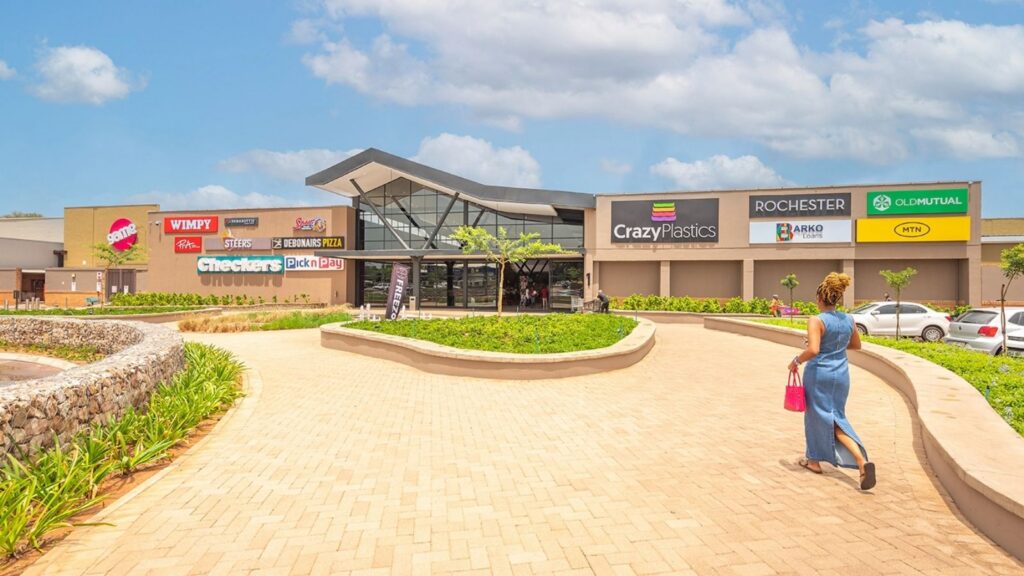
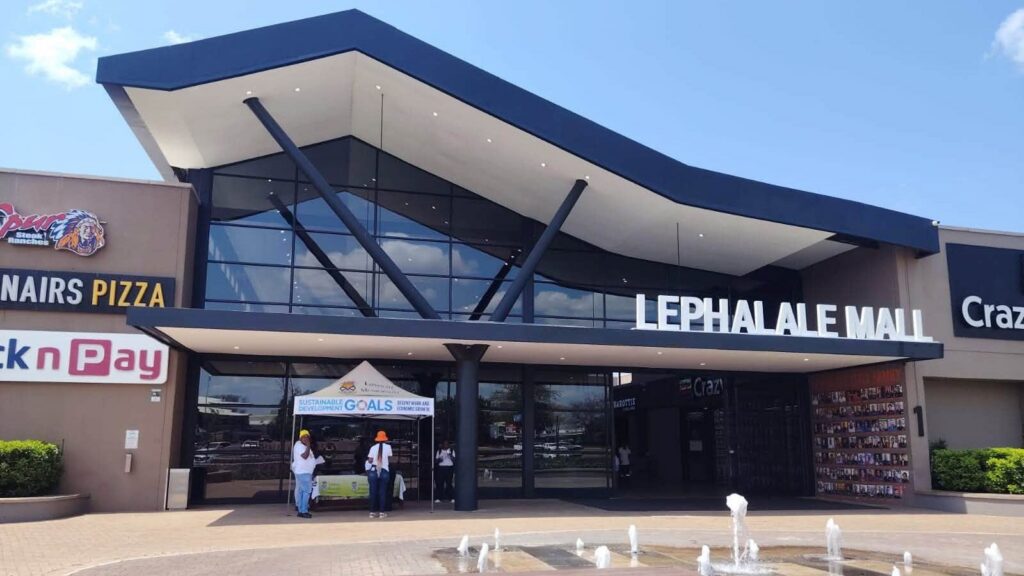
Located in the Waterberg, the town is still primarily a remote cattle-ranching and agricultural outpost despite significant development thanks to Eskom’s investments.
The town is also one of the youngest in South Africa, being founded in the 1930s by Patric Ellis and Piet Erasmus on the farm Waterkloof.
Ellis and Erasmus combined their surnames to form Ellisras and leveraged the flow of the Mokolo River and streams to create a cattle ranch.
The town gradually urbanised as modern transport was extended to it, with a bus stop in the 1930s connecting Ellisras with neighbouring towns and the economic hub of Johannesburg.
Waterkloof farm was subdivided to provide land for a church, schools, and shops, many of which still form the heart of Lephalale today.
The town’s quiet existence would not last for long, with the Department of Mining launching an exploration programme in the region in 1941.
Iscor led the charge to find coal in the region as it was the largest consumer of the commodity to fire its steel furnaces.
It struck one of the richest reserves of coal in South Africa, and Iscor quickly snapped up the mining rights on six farms around the town.
This bounty caught the attention of Eskom in the 1970s and 1980s as it prepared for a significant buildout of new generation capacity to supply the local economy.
What sealed the deal for Eskom was the presence of abundant water and the development of the Hans Strijdom Dam (now the Mokolo Dam) to supply municipal and industrial users.
Eskom developed the Matimba Power Station near Iscor’s mines, which was officially opened on 17 November 1989.
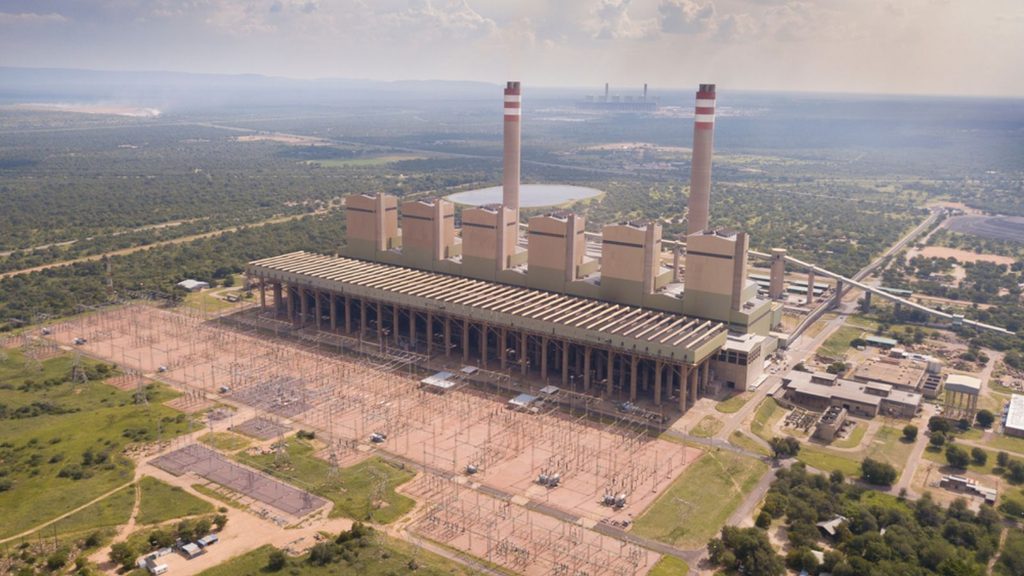
37 years later, the Matimba station is still fully operational and contributes 3,990 MW to South Africa’s grid. However, it would not be alone for long.
The biggest power station of its kind

In 1997, the South African government was warned that the country would run out of generation capacity by 2007 as the local economy’s demand grew.
The state sat on its hands until 2005 to begin planning to build new capacity in the form of two huge, modern coal-fired power plants, Medupi and Kusile.
As predicted, South Africa was hit by load-shedding in 2007, and the government pointed to these two power plants as the solution.
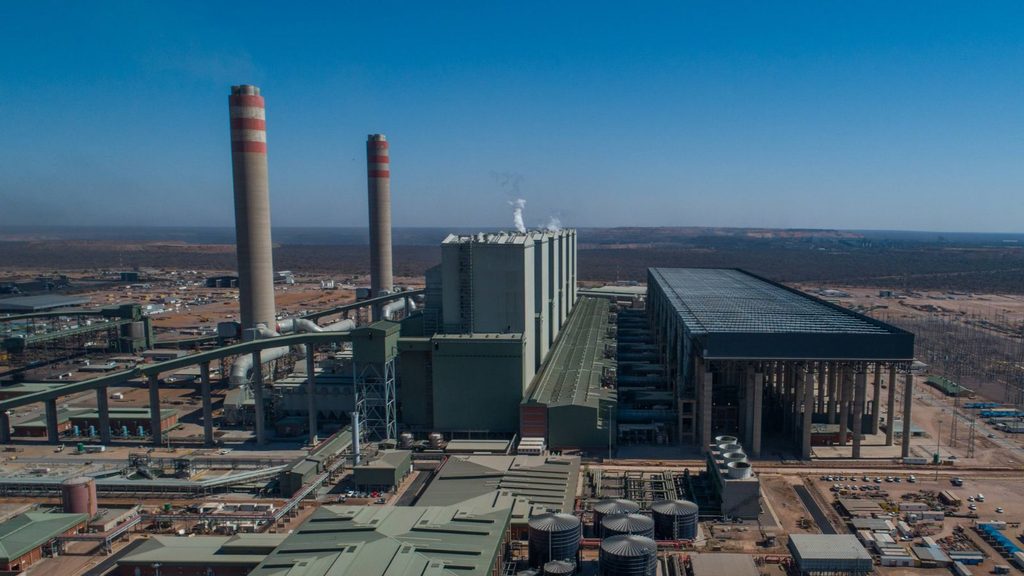
Medupi was designed as a 4,800 MW dry-cooled coal-fired power plant that would be the largest of its kind in the world, tied with Kusile.
The construction of Medupi was approved in 2005, but the delays were immediate, as Nersa took two years to grant its licence to operate.
Eskom explained in its past 16 annual reports that this delayed the beginning of construction and limited time for planning. Effectively, construction was rushed.
As the utility rushed to build the plant, it began purchasing boilers and turbines amid record global demand for new electricity generation capacity. This forced Eskom to pay a 30% premium for this equipment.
Further missteps became clear when substantial boiler and welding defects were noticed, while the control and instrumentation equipment failed preliminary tests.
Contractors were forced to rework Units 1 to 4, while Eskom replaced the same contractors for Units 5 and 6. This created huge integration risks and problems.
These delays were compounded by unprotected strikes from workers and intimidation from local residents. Eskom property was repeatedly damaged and construction halted.
Delays were so severe that Eskom paid Exxaro R8 billion as it could not receive coal from the company’s mines as contracted due to the power plant’s coal stockyard being incomplete.
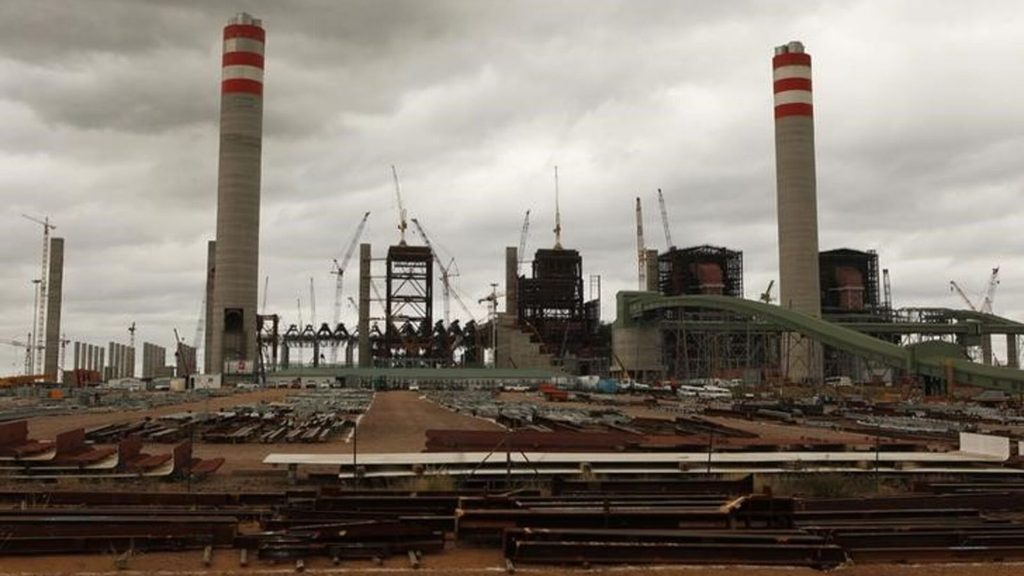
Eskom’s initial target date of 2012 was missed by over a decade, and the power plant is still not complete.
Medupi’s final unit achieved commercial status on 31 July 2021 before Unit 4 exploded, only to return to service in July 2025.
Eskom’s initial budget for Medupi was R105 billion. To date, including interest on debt raised by Eskom, the power station has cost the utility R230 billion.
The overall cost of R230 billion makes Medupi the most expensive power station ever built, despite being neither the largest nor the most efficient.
This inflated budget also includes additional work still required to upgrade Medupi’s flue gas desulphurisation plant to comply with South African emissions standards.
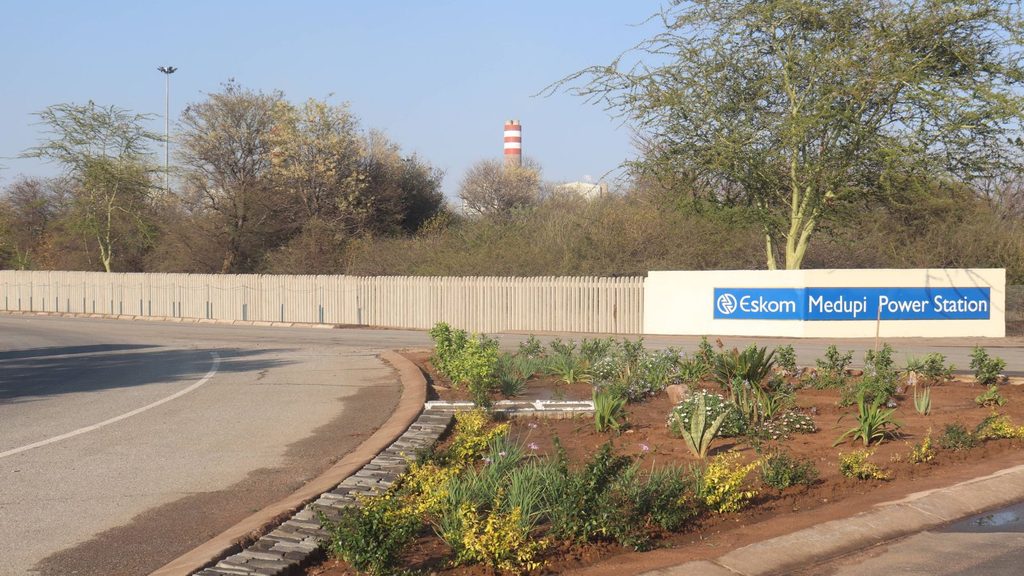
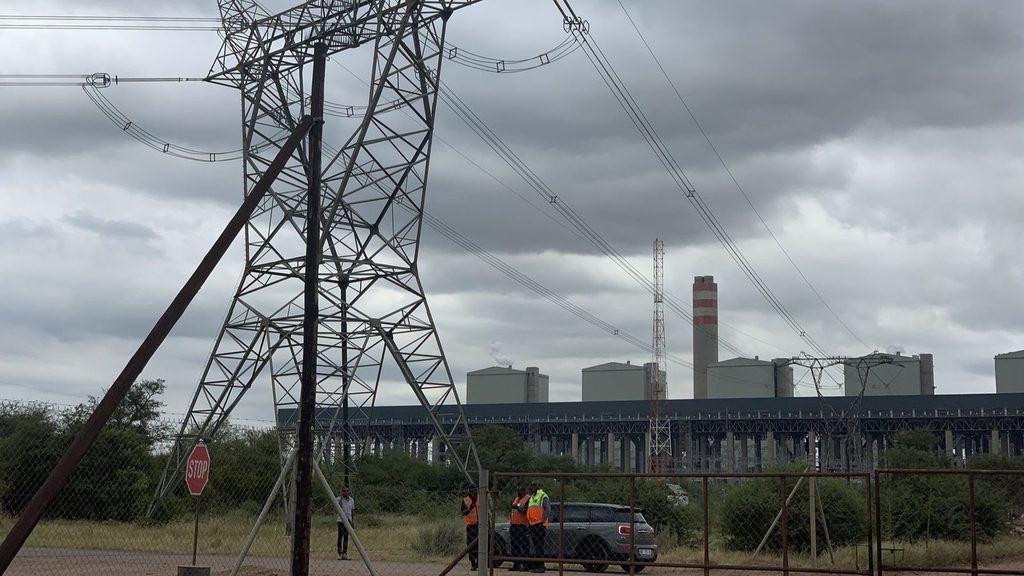
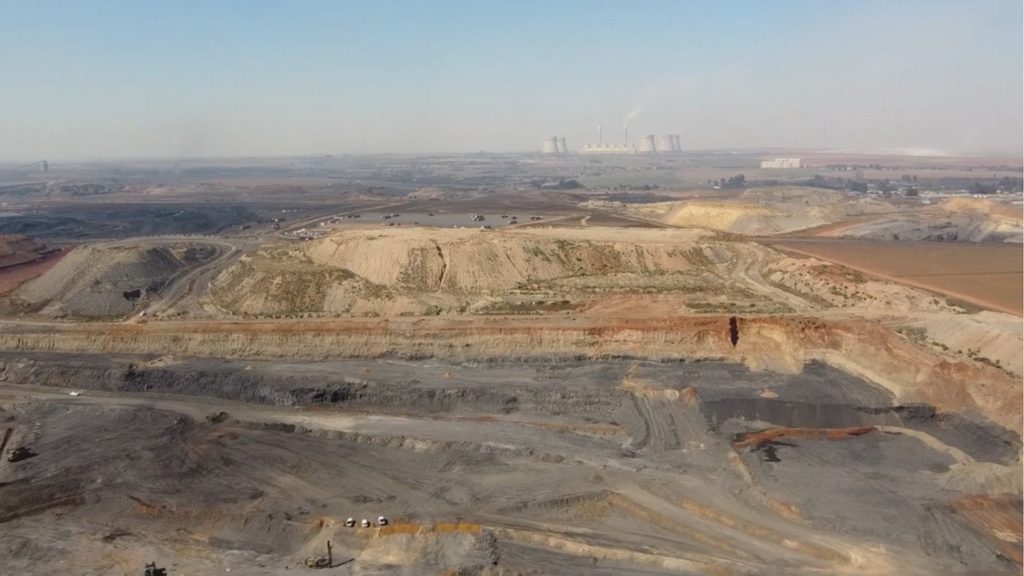
Medupi photos
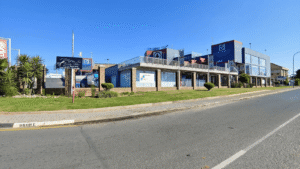
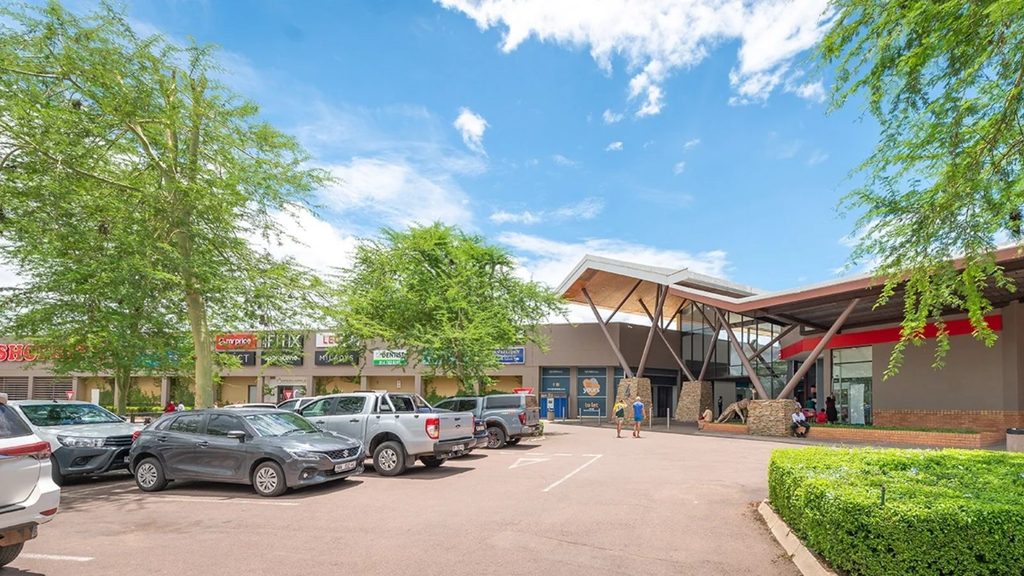
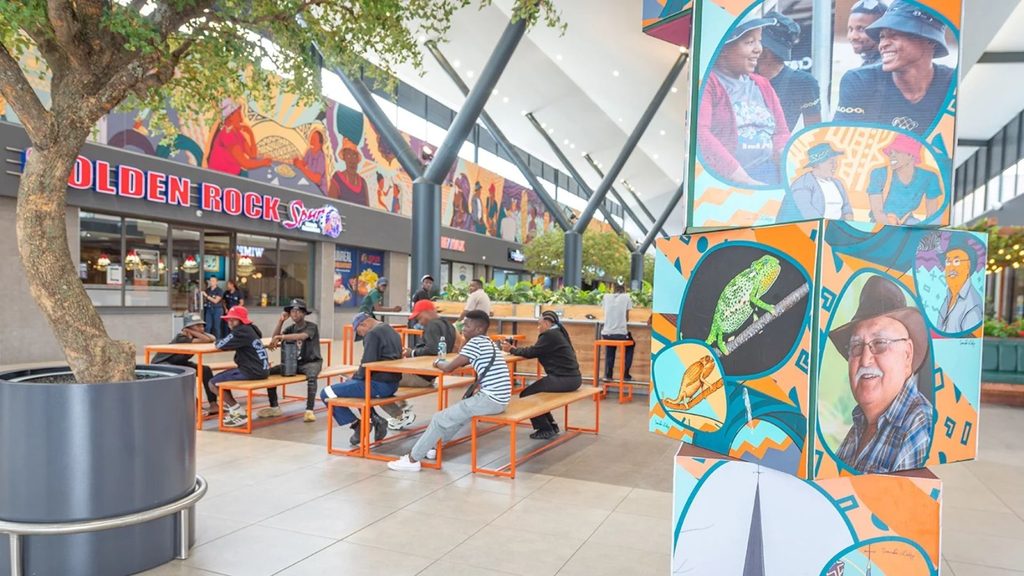
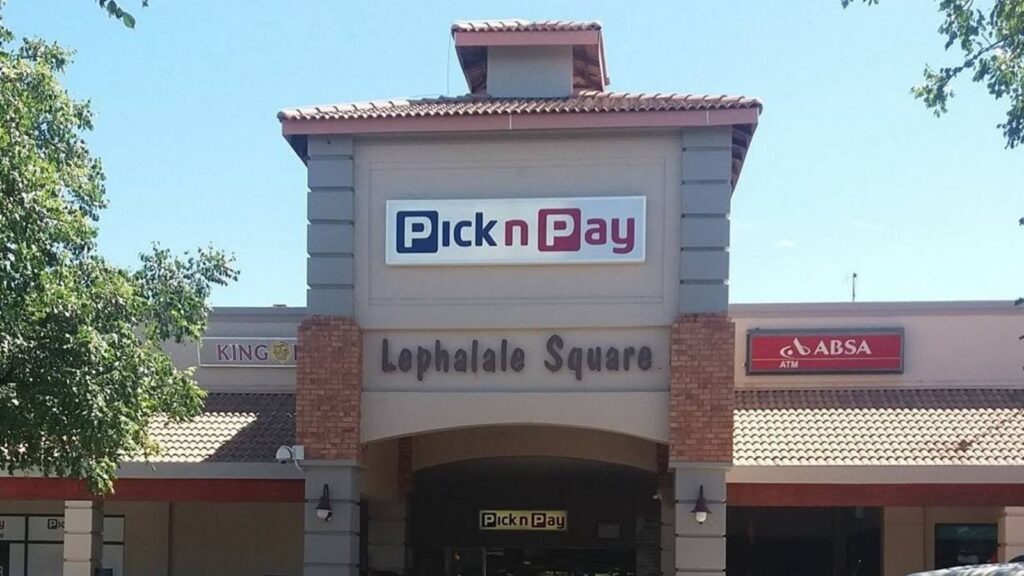
Lephalale photos
Login or register for unlimited free access.