The historic South African town known as the ‘Oasis of the Kalahari’ that has the largest land-based manganese deposit on Earth


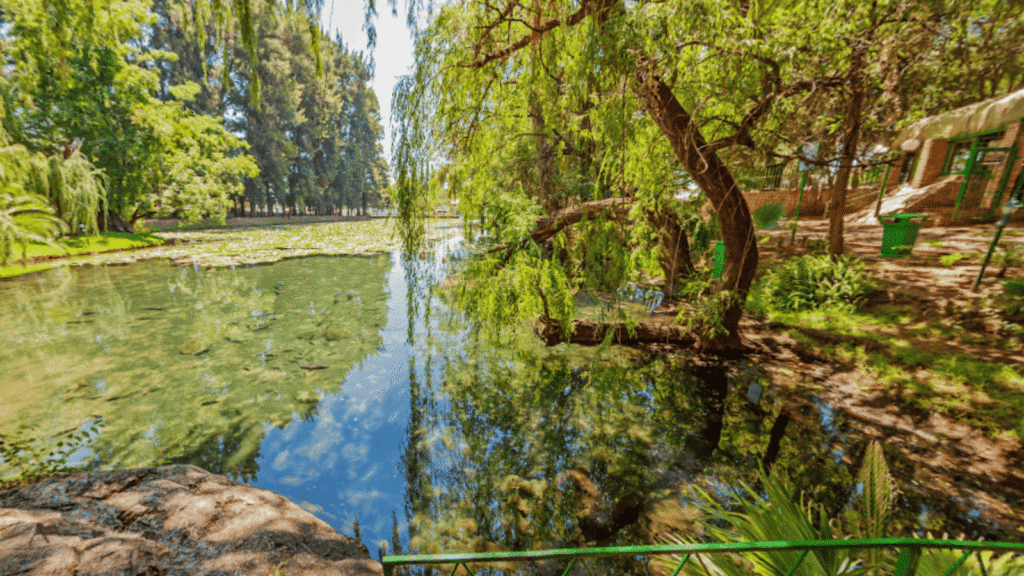
Known as the “Oasis of the Kalahari”, Kuruman in the Northern Cape is next to the Kalahari Manganese Field, which contains the world’s largest land-based manganese deposit.
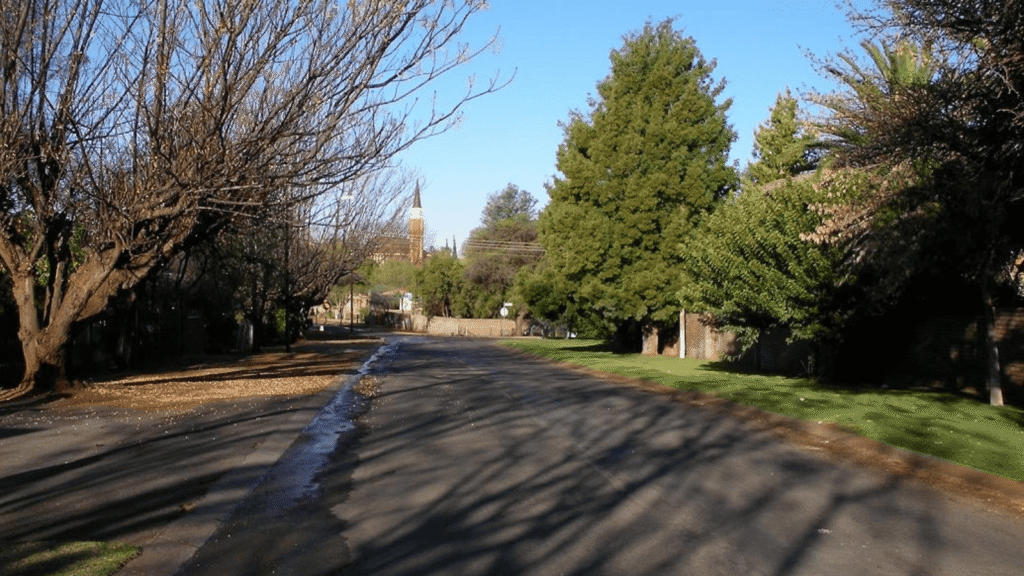
Located on the Ghaap Plateau in the Northern Cape, the town’s history is closely linked to the natural spring known as the Eye of Kuruman, or Die Oog.
The spring has attracted people to the area for thousands of years. Early Tswana inhabitants called it Gasegonyane, meaning “little water calabash”.
The name Kuruman is believed to come from Kudumane, a local leader who lived in the area. The town is sometimes also described as the “fountain of Christianity in Africa” because of its missionary history.
Scottish missionary Robert Moffat arrived in the area in the early 19th century as a representative of the London Missionary Society.
The mission station was established in 1821, with Moffat later building the Moffat Church, which was completed in 1838. The church remains standing and continues to hold services.
Moffat learned to speak Setswana and translated the Bible into the language. His work also led to the first Bible being printed in an indigenous southern African language.
The mission became an important centre for education, literacy and Christianity in the region. It also became closely linked to the famous explorer David Livingstone, who married Moffat’s daughter, Mary, at the mission.
Kuruman played an important role in early European exploration of the African interior. Livingstone and other explorers used the mission station as a base for journeys further into the continent.
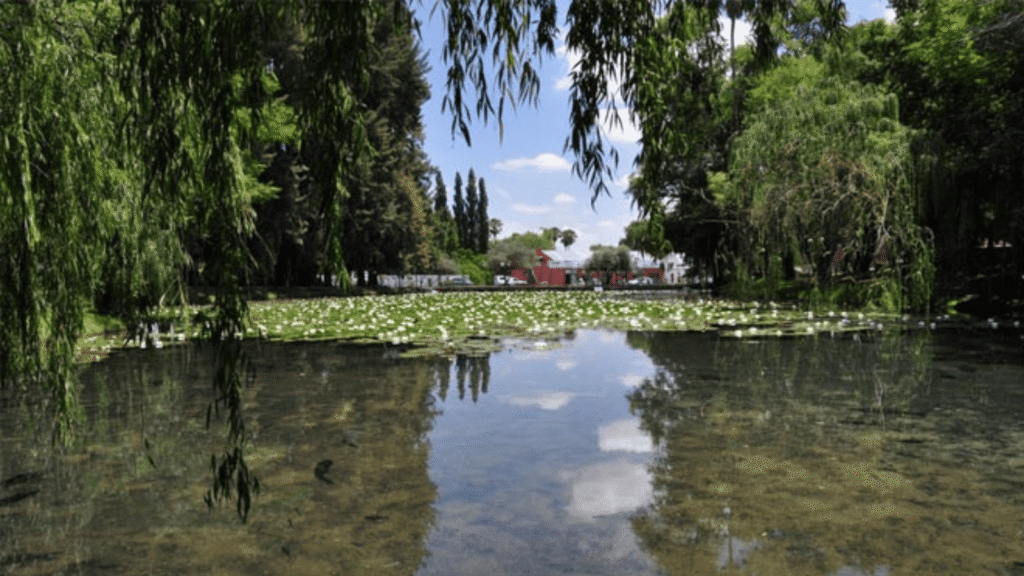
Today, the Eye of Kuruman remains the town’s defining natural feature, with its daily flow estimated to be between 18 million and 30 million litres of water. This makes it one of the largest natural springs in the Southern Hemisphere.
The water creates a green belt of vegetation in an otherwise dry region and supplies the town and surrounding agricultural activities.
The spring also feeds the Kuruman River, which is usually dry. In 2021, the river flowed for the first time in more than 40 years.
Other historical attractions include the Moffat Mission, where visitors can see the old printing press used to print Tswana Bibles, as well as historical buildings and artefacts.
Kuruman has also developed into an important agricultural centre, particularly for cattle and game farming. The wider area is known for hunting and has a mix of agricultural, tourism and mining activity.
Kuruman’s mining operations
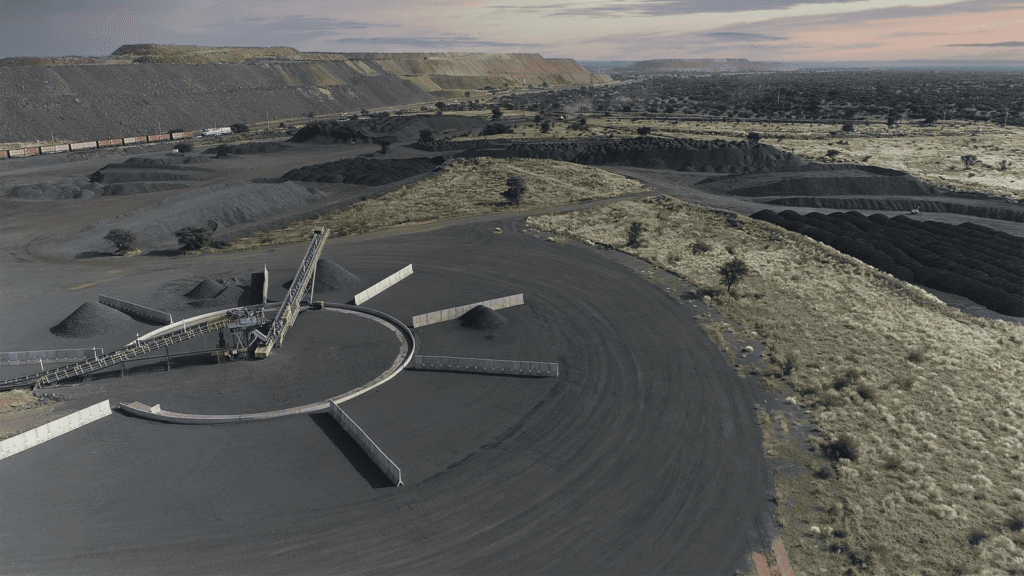
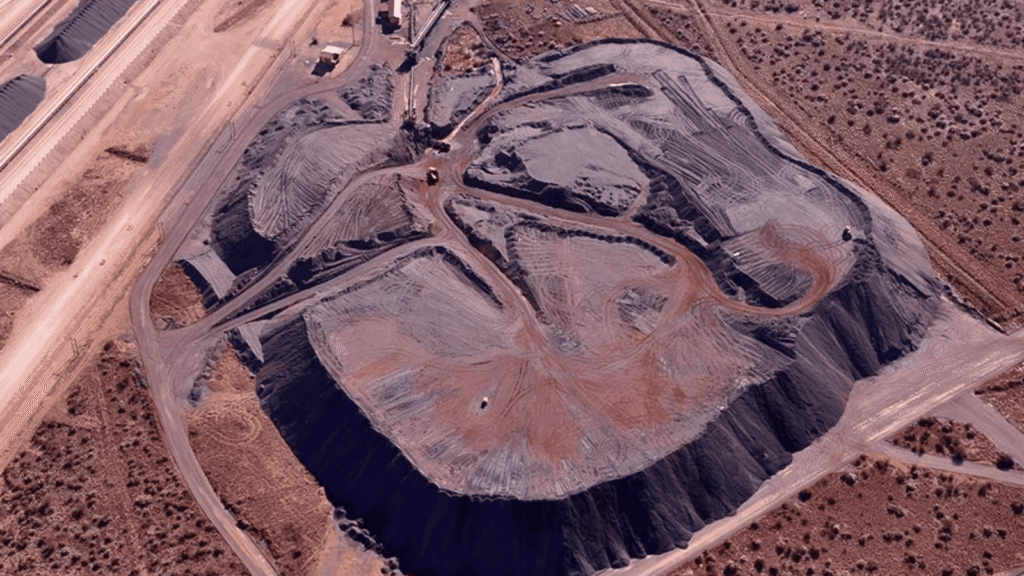
Kuruman is situated near the Kalahari Manganese Field, one of the world’s most significant manganese-producing regions.
South Africa holds approximately 80% of the world’s manganese reserves, much of which is found in the Kalahari Basin. The ore typically has a manganese content of between 30% and 45%.
The mining region around Kuruman includes several major operations, although many are located closer to Hotazel and other surrounding towns.
These include Kudumane Manganese Resources, South32’s Hotazel operations, United Manganese of Kalahari and African Rainbow Minerals’ Black Rock operations.
Based near Hotazel, 60km from Kuruman, Kudumane Manganese Resources began operations in May 2012.
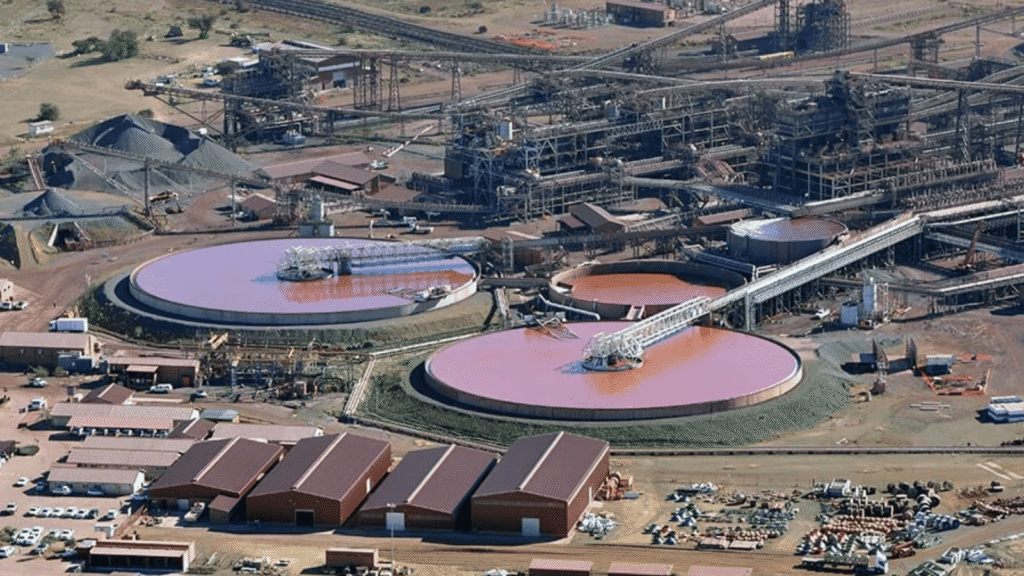
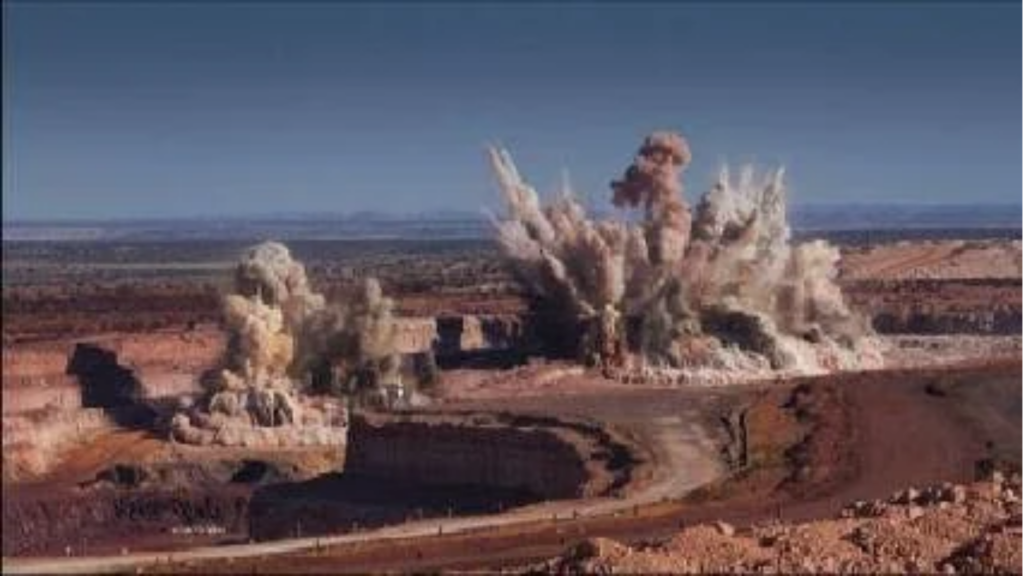
The company operates two open-pit mines, York and Hotazel, alongside a processing plant and supporting infrastructure. It produces 2 million tonnes of manganese ore annually, with grades ranging from 36% to 43%.
Kudumane describes itself as the fifth-largest manganese mine in South Africa. Its mining rights cover York, Hotazel, Kipling, Devon and Telele, with resources estimated to support more than 100 years of production.
The operation also has a rail loading facility with a capacity of more than 4 million tonnes.
Another major operation is Black Rock, which comprises the Nchwaning and Gloria manganese mines. These are operated by Assmang and are situated approximately 80km northwest of Kuruman.
The mines are underground mechanised operations with combined annual production of approximately 4.3 million tonnes of manganese ore, according to African Rainbow Minerals’ operational information.
Assmang supplies some of its manganese to local smelters, while most of its production is exported through ports including Port Elizabeth, Durban and Richards Bay.
The wider mining industry is an important source of employment and economic activity in the region.
Kudumane said it prioritises employing people from surrounding communities, including Hotazel and the Joe Morolong Local Municipality. It extends recruitment nationally when the required skills are not available locally.
The company also invests in community projects, including water infrastructure, education, healthcare and support for local businesses.
Its projects include water access for households in Kilo-Kilo and Glenred, livestock facilities for local farmers and the construction of early childhood development centres.
A small town with global importance
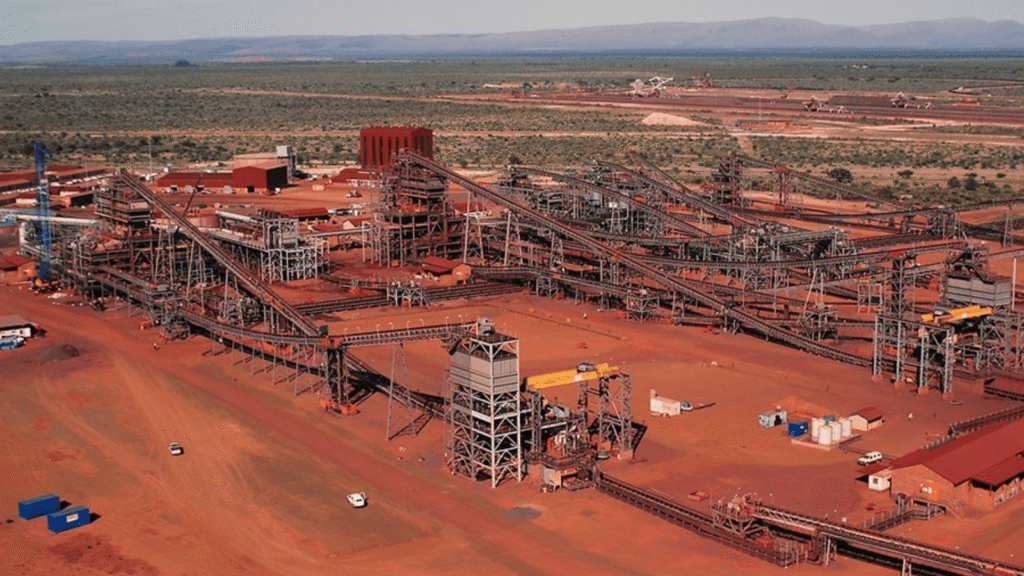
The Kalahari Manganese Field gives the Kuruman area importance well beyond the Northern Cape. Manganese is an important industrial mineral, particularly for steel production.
It is also increasingly relevant to technologies associated with the global energy transition, including electric-vehicle batteries and renewable-energy systems.
South Africa’s large reserve base makes it a major supplier to international markets.
The region’s mines supply industries that depend on manganese, both locally and internationally.
However, mining companies face challenges including volatile commodity prices, rising operating costs, electricity constraints and limited rail capacity.
Kudumane has described logistics constraints as one of the factors affecting the industry’s ability to benefit from global demand.
The company said its production had reached a steady level in line with the limited rail capacity available in South Africa.
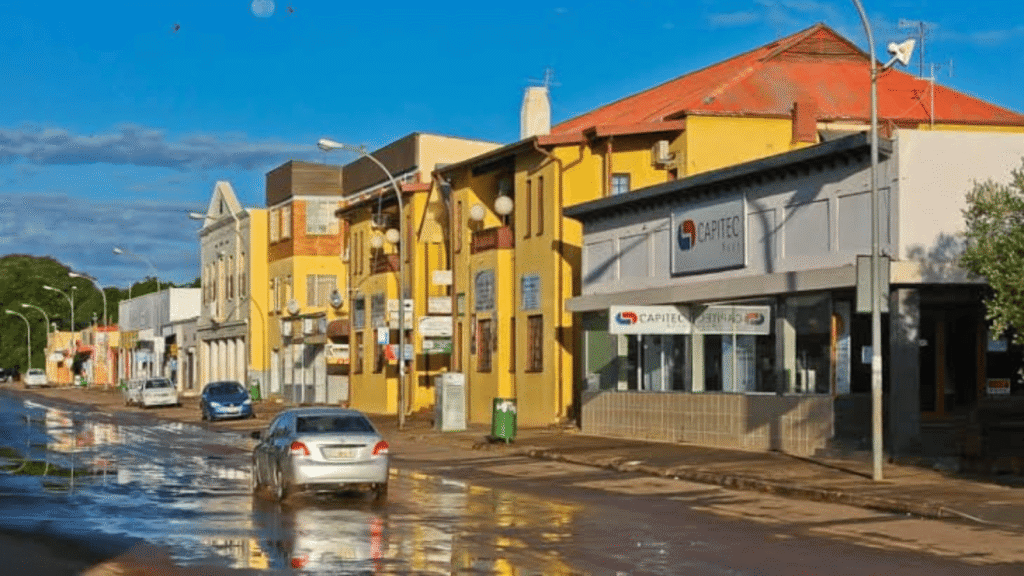
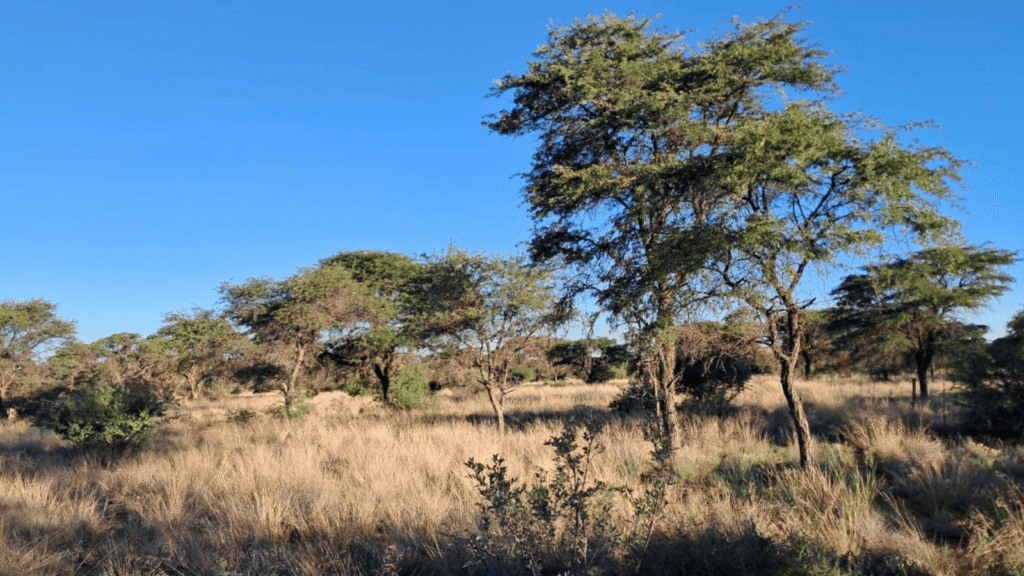
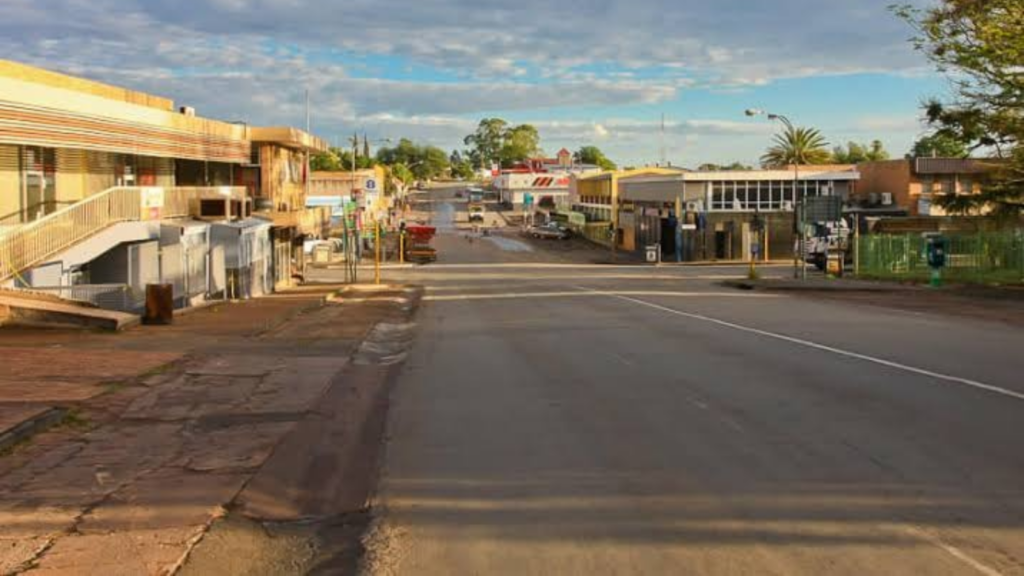
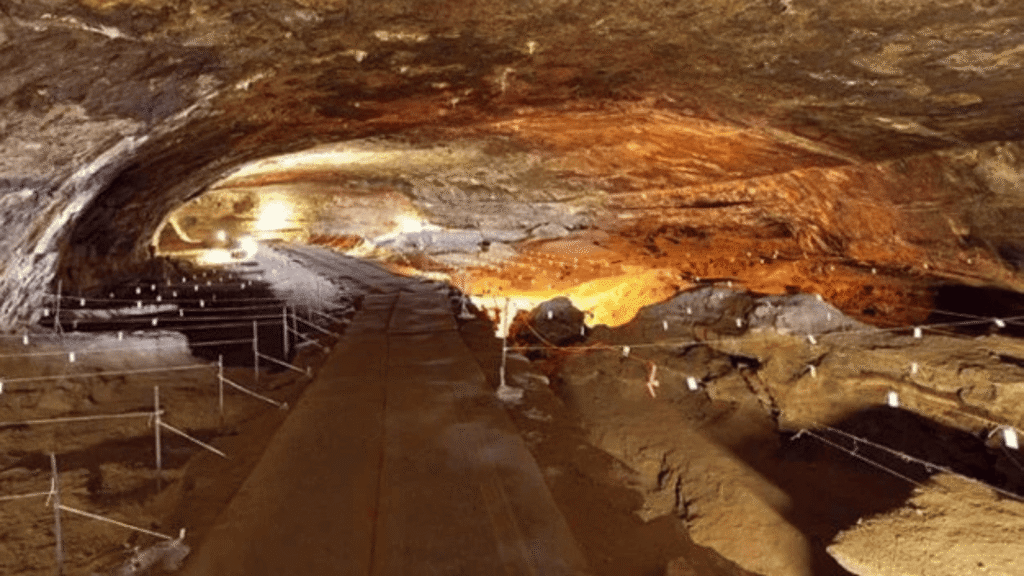
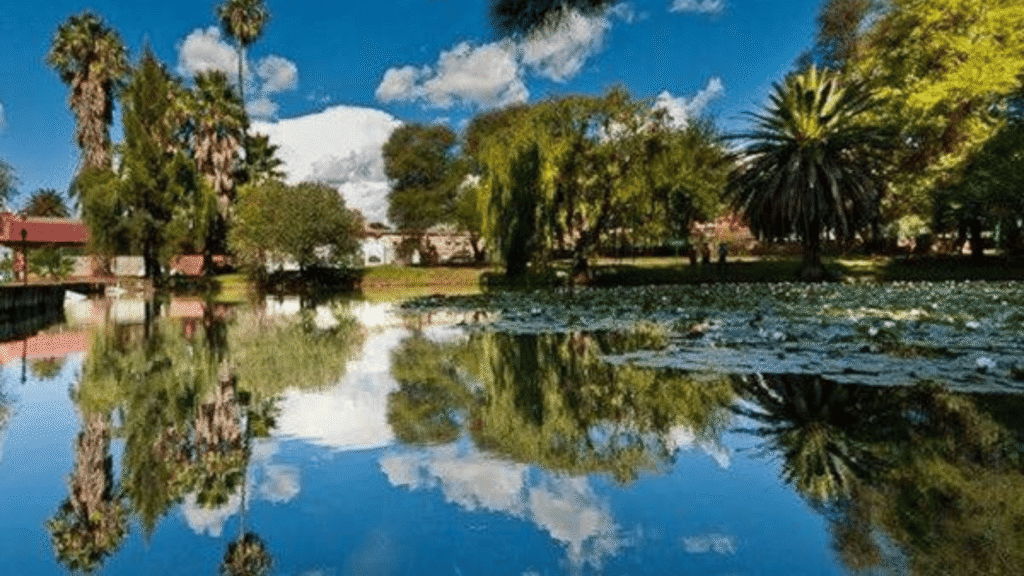
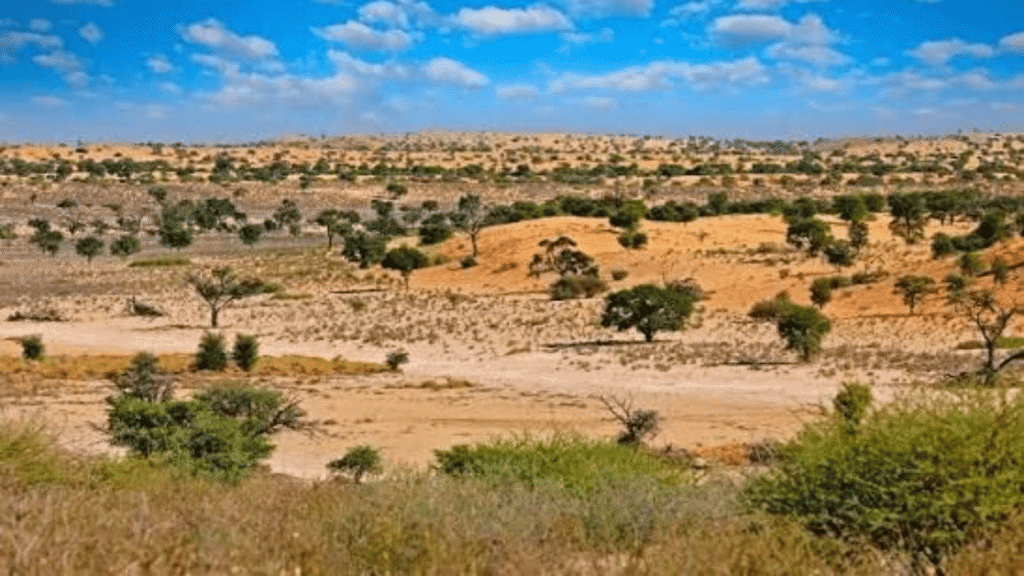
Photos of Kuruman
Login or register for unlimited free access.