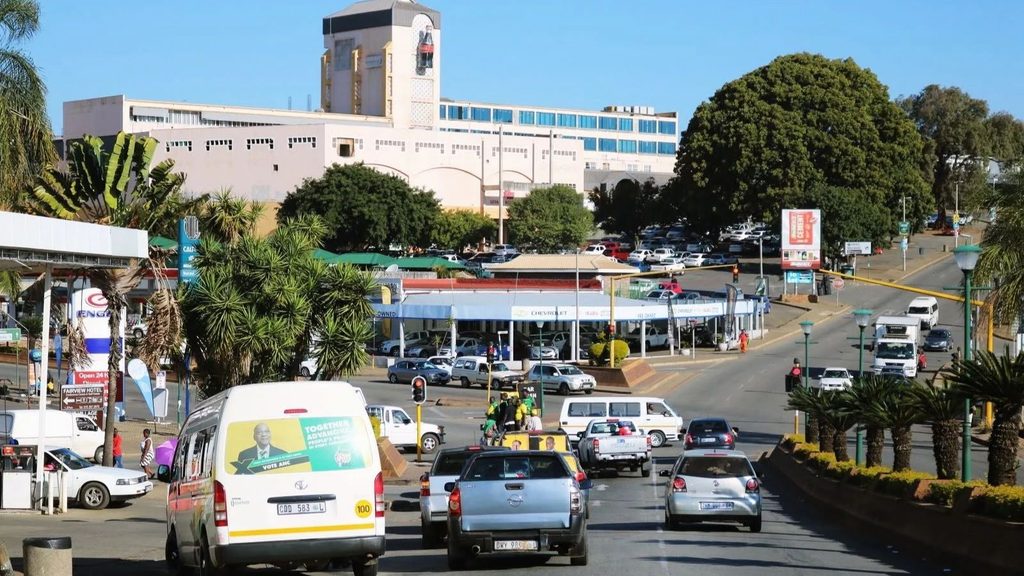
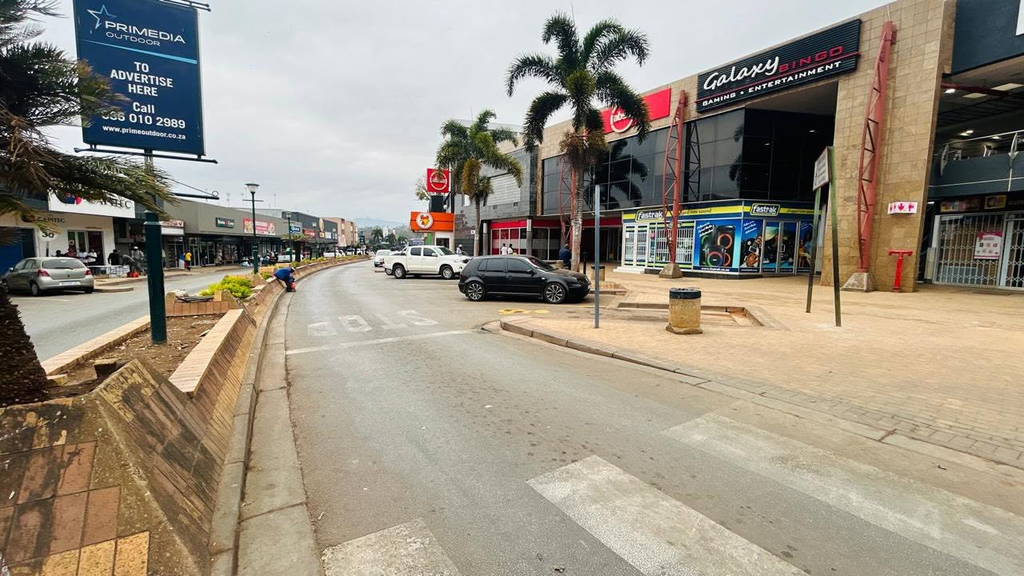
The small South African town which is home to the largest avocado producer in the world


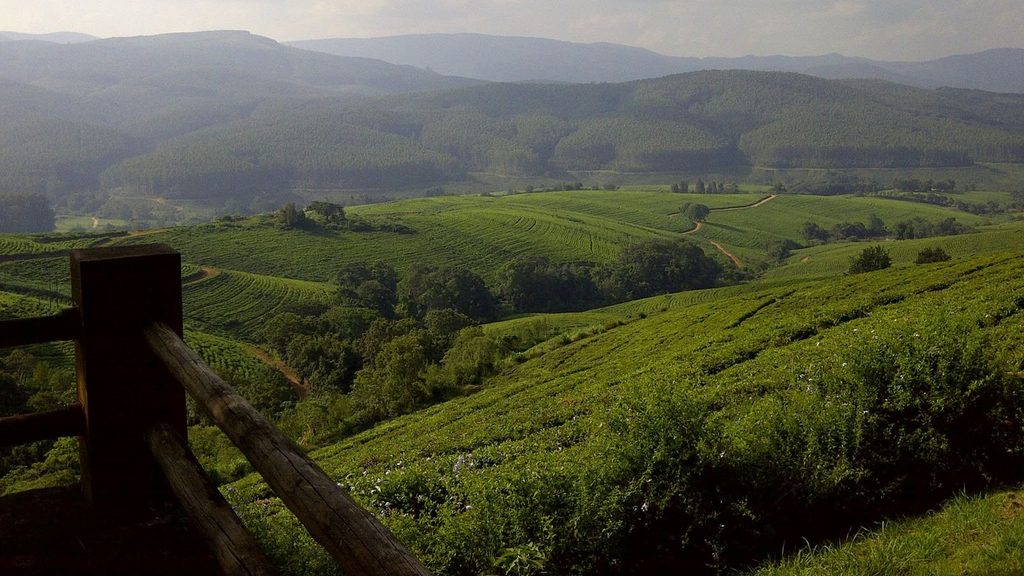
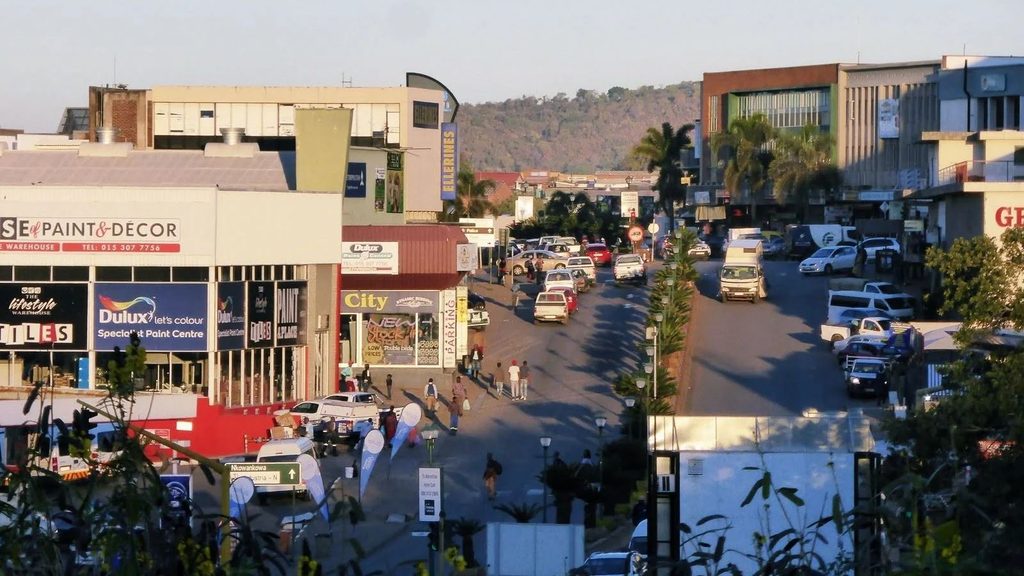
Tzaneen in Limpopo is home to the largest avocado producer in the world, Westfalia Fruit, which was founded in the town 148 years ago.
Westfalia was part of the sprawling empire of Hans Merensky, who is known for being one of the best geologists in history.
Merensky not only spotted many false gold rushes, saving his clients millions, but also discovered the world’s largest deposit of platinum group metals (PGMs) in Lydenburg.
Known as the Merensky Reef, it is a rich layer of igneous rock in the Bushveld Igneous Complex which holds 80% of all PGM reserves in the world.
Merensky loved nature and disliked the destruction mining caused to the natural environment, settling his eye on the town of Tzaneen to build a fruit farm.
Tzaneen is derived from the Sotho word for a place where people gather or a basket, referring to the fertile basin the town is located in.
Before Merensky turned the town into a fruit-producing hub, Tzaneen grew steadily as a loose grouping of staging posts between Polokwane (then Pietersburg) and the lowveld mines.
The 19th-century gold rush in Leydsdorp saw the pass through the Tzaneen basin become increasingly busy and popular for travellers.
As passing trade grew, the Transvaal government decided to create an experimental agricultural station in 1903. This station would provide travellers with supplies, particularly fresh fruit.
The government chose Tzaneen due to its location on a major trading route and its climate, with its frost-free, humid subtropical climate being perfect for growing high-value crops.
This includes citrus fruits, including oranges and most of South Africa’s mangoes, as well as tomatoes and bananas.
The development of agriculture also saw fruit processing grow strongly in the town, with dried fruit, atchar, and pickled fruits being manufactured.
Tzaneen’s growth was turbocharged by the construction of the Selati Railway in 1912, which connected it to major urban centres, increasing exports to the rest of South Africa.
This ensured the town was officially granted municipal status in 1924, with its economic structure being broadly unchanged but significantly larger in the 21st century.
The avocado capital of the world
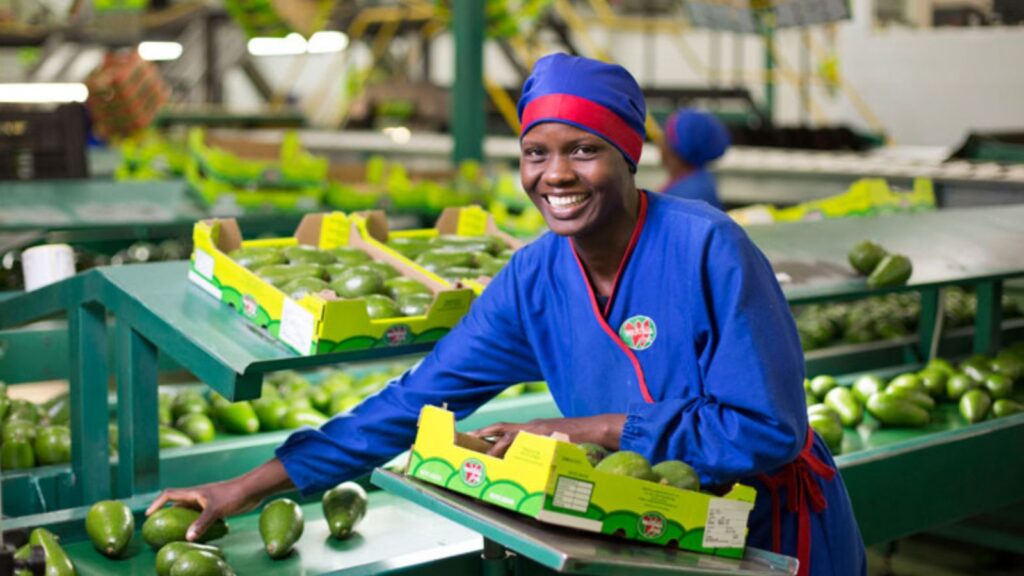
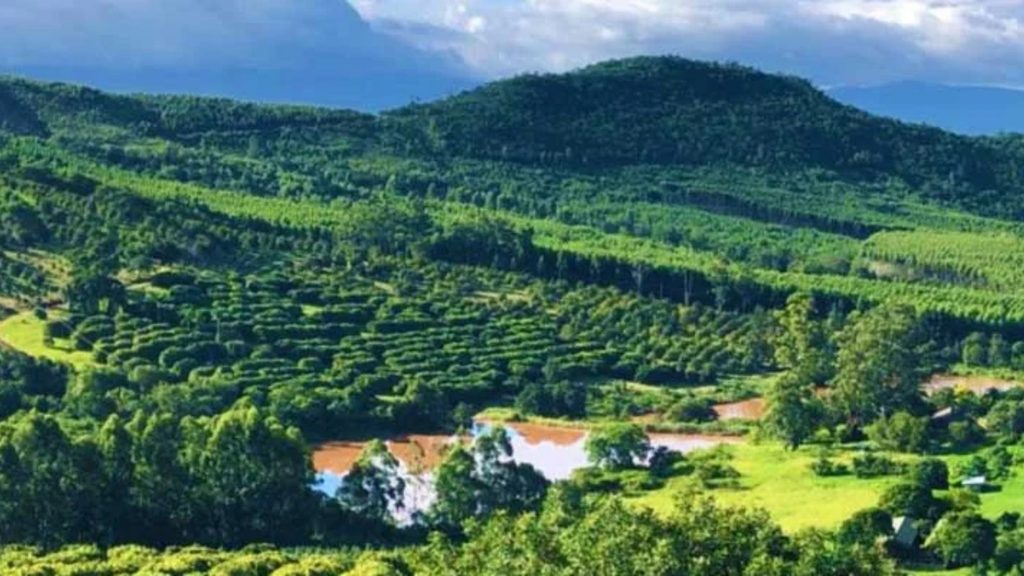
The natural advantages Tzaneen has for the growth of fruit make it a highly productive region for growing avocados, which are amongst the highest-value agricultural crops.
This began when Merensky snapped up the dilapidated Westfalia Estate near Tzaneen and poured his wealth into reviving it.
Merensky cleared out invasive species and revised natural wetlands, rivers, and forests. In this process, he began experimenting with growing citrus fruits and avocados.
Some of the first avocado trees planted on the farm still produce fruit today and are at the heart of the Westfalia Trust’s success.
The farm maintains the experimental nature of its founder, having pioneered disease-resistant avocado rootstocks.
Its nurseries are world-renowned for developing patented rootstocks licensed to farms worldwide.
As Westfalia became more successful, the farm bought up the surrounding land to become a giant agricultural business that exports its products around the world.
Westfalia itself has also invested in farms across Europe, Latin America, North America, and other parts of Africa. The company is still headquartered in Africa.
Its Tzaneen estate produces between 13,000 and 18,000 tonnes of avocados annually, being the crown jewel in its operations.
What began as a few trees on a farm is now home to 60% of South Africa’s total avocado production.
Tzaneen’s climate and advances made by farmers mean that its avocados mature earlier than orchards in other parts of South Africa.
The development of the Maluma Hass variety also occurred in Tzaneen. This variety is prized for its early ripening and resilience.
About 10% to 15% of all avocados grown in Tzaneen are processed locally rather than sold fresh, creating high-value manufacturing jobs in the town.
These processes include the manufacture of avocado oil, frozen avocado pieces, and commercial guacamole pulp.
Between 45% and 55% of avocado production from the region is exported, with most of Tzaneen’s packhouses meeting the highest global standards.
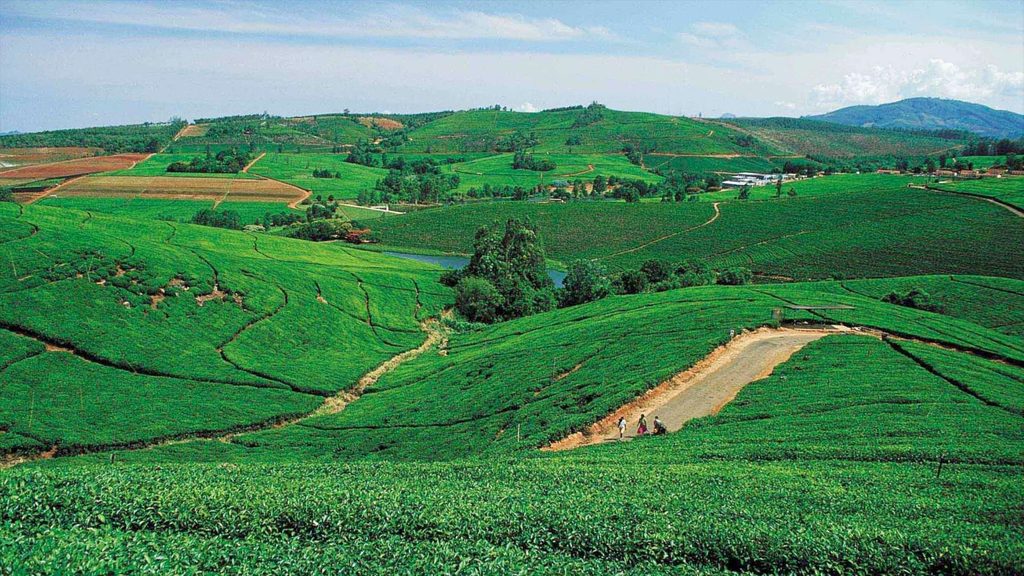
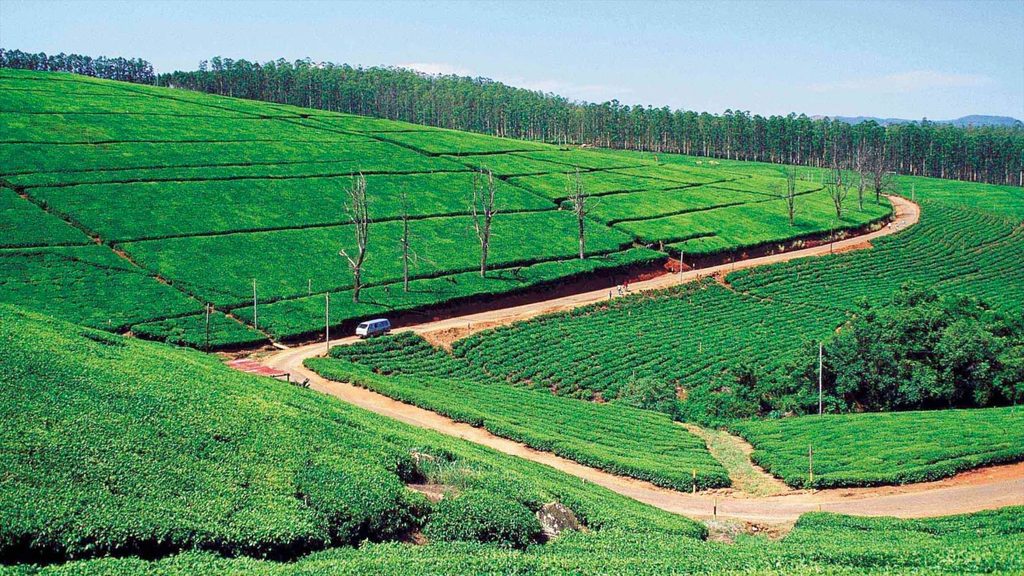
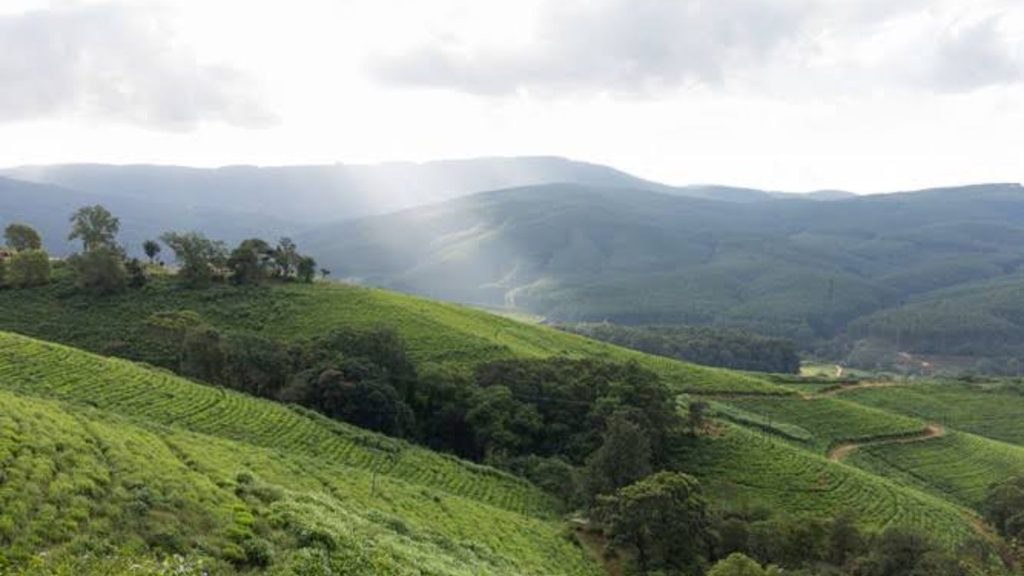
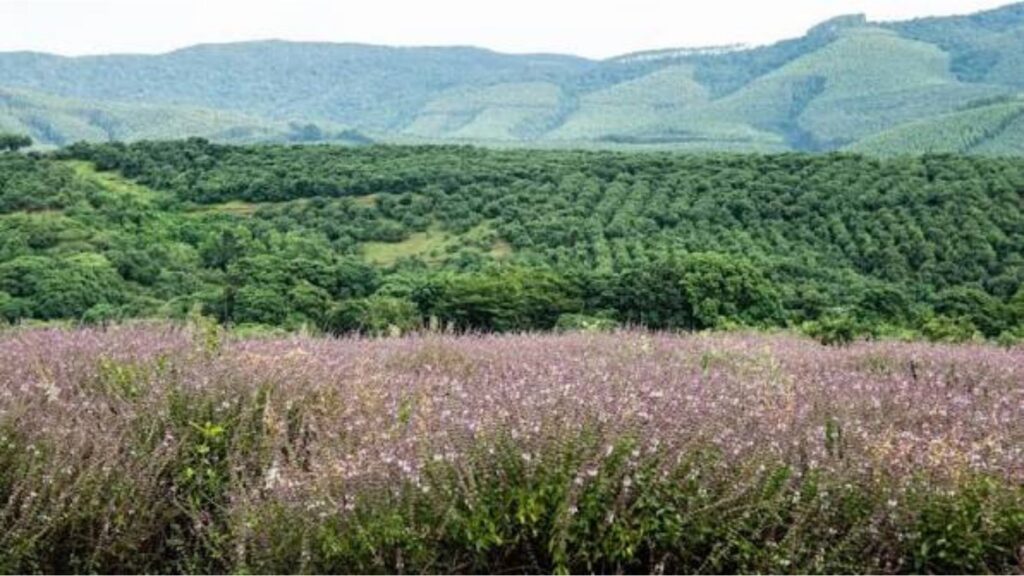
Images of Tzaneen