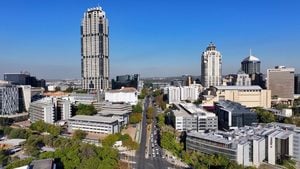
South African gold mine has more tunnels than the entire New York subway system


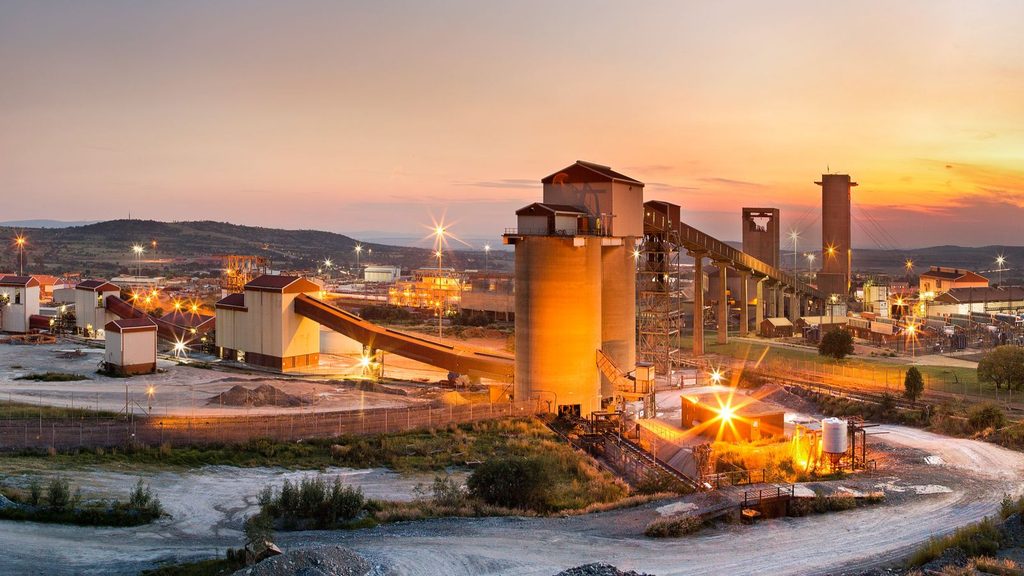
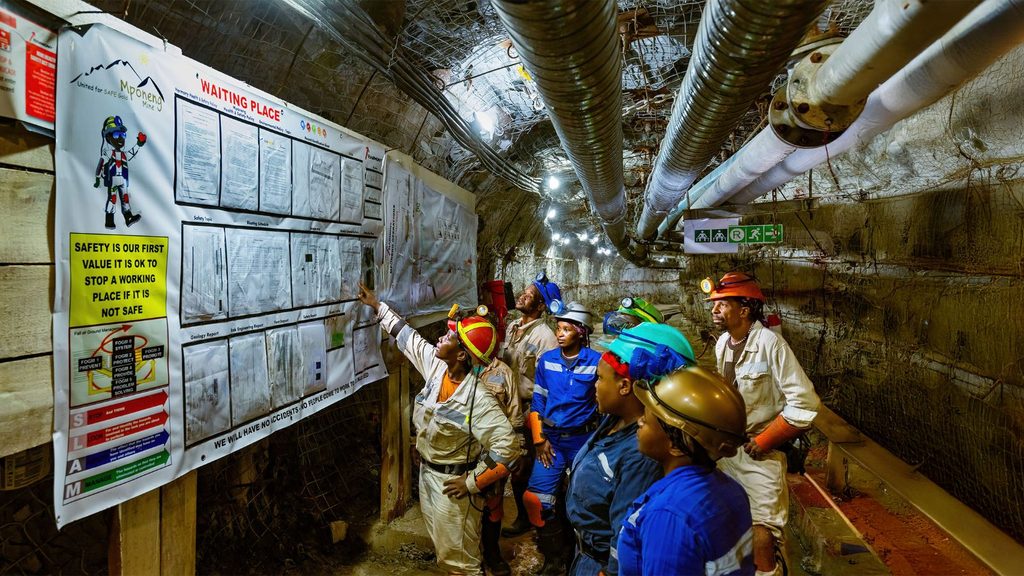
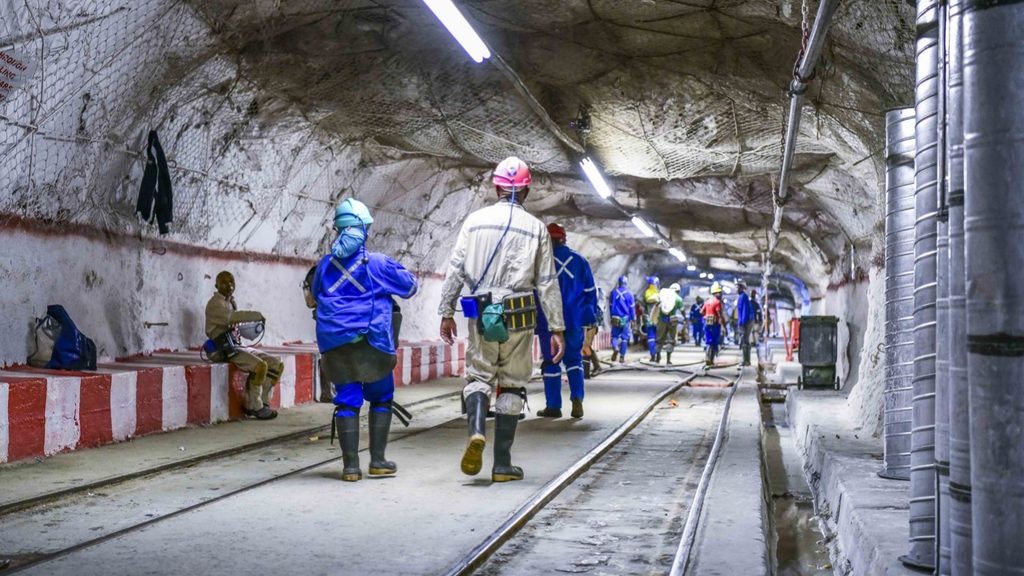
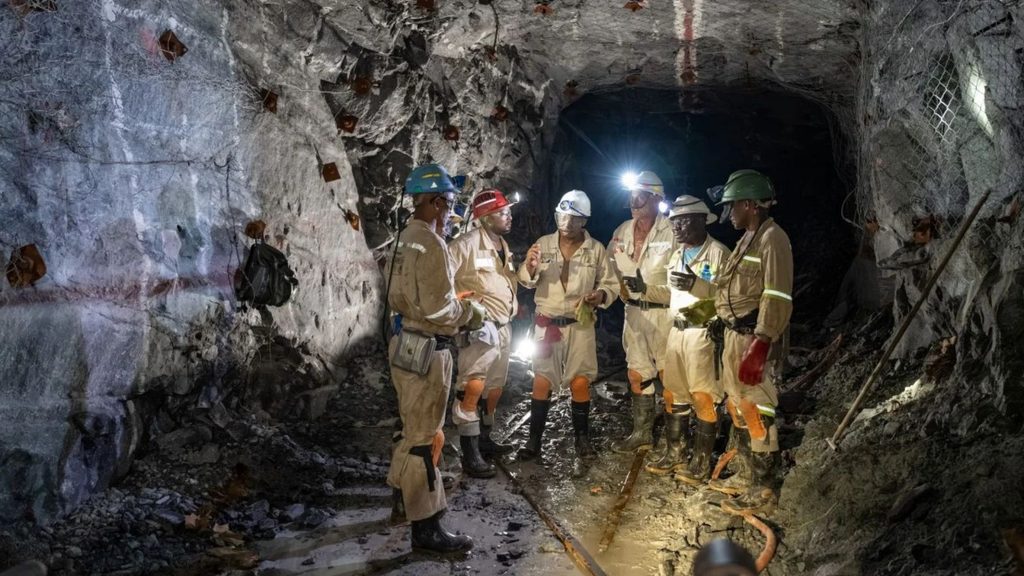
Mponeng Gold Mine in the Witwatersrand Basin is the world’s deepest operational mine and has 380 kilometres of underground tunnels.
This makes its underground tunnel network as long as the New York subway and 140 kilometres longer than the city’s underground railway tracks.
While this is impressive, it also makes it incredibly difficult to operate and be profitable, given the investment that needs to be made to ensure it is safe for humans.
This would not have been a concern for the earliest miners in the region when the Witwatersrand gold rush began in 1886.
Gold was famously first found scattered across farms in the region, many of which now give their names to the city’s suburbs and districts.
The gold rush quickly established that the Witwatersrand was the site of the largest gold mineralisation on earth.
However, the pace of extraction soon made it expensive to mine in the basin as increasingly complicated equipment was needed to get to gold-bearing ore and purify it.
This led to the formation of mining companies that listed on the early Johannesburg Stock Exchange.
Many of these companies were founded by the men who would become known as Randlords, who had first made their fortunes on the diamond fields of Kimberley.
The level of investment in the gold mines ensured that new technology would be developed to maintain extraction at profitable levels.
Mponeng was founded towards the end of this cycle, with easily accessible gold on the Witwatersrand effectively running out by the middle of the 20th century.
After five years of drilling, Mponent was officially opened as a mine in 1986 and was initially referred to as the Western Deep Levels South Shaft.
The name Mponeng only came into use in 1999 and means “look at me” in Sesotho. It is located near Carletonville.
Mponeng primarily exploits the Ventersdorp Contact Reef, with the gold-bearing ore being processed at the Mponeng Gold Plant.
Mponeng today
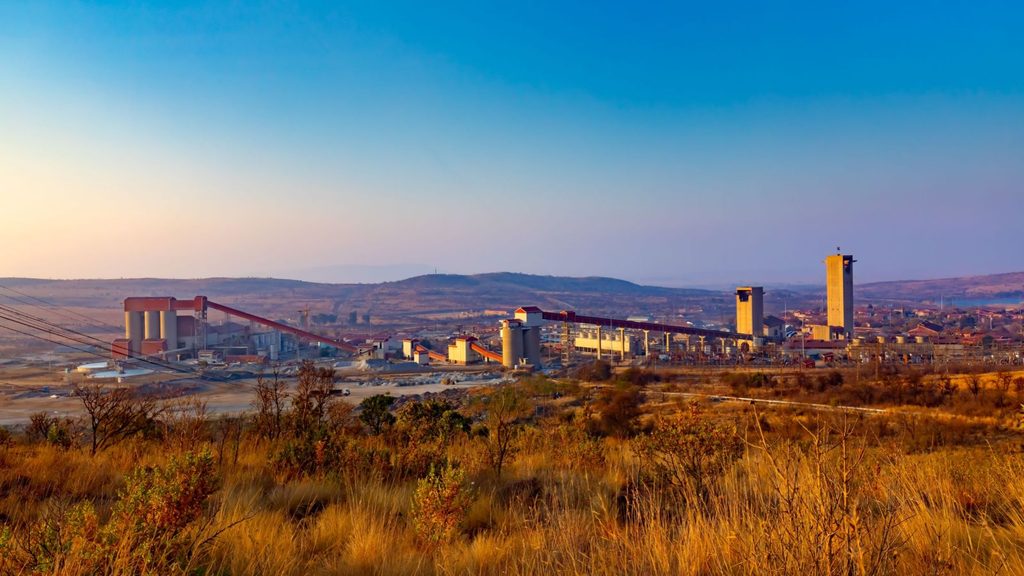
As with most gold mining operations on the Witwatersrand, Mponeng has changed greatly over the years to remain operational.
Seven years after the first gold was produced, a second shaft was sunk to allow workers and equipment to move beyond the initial three-kilometre depth.
This moved the mine into what is known as ultra-deep horizons, where it continues to extract gold-bearing ore at a depth of four kilometres.
These investments were made by Anglo American, which gave it the name Mponeng when it consolidated its gold assets into AngloGold.
As many of its neighbouring ultra-deep mines, such as TauTona and Savuka, shut down, AngloGold absorbed them into Mponeng.
In 2020, Harmony Gold acquired AngloGold’s South African assets and effectively ended Anglo’s participation in the industry it founded.
Harmony Gold has invested heavily in Mponeng to keep it operating and approved funding in 2024 to extend the life of the mine.
This included deepening it once again, with plans to keep it operating into the late 2030s and early 2040s.
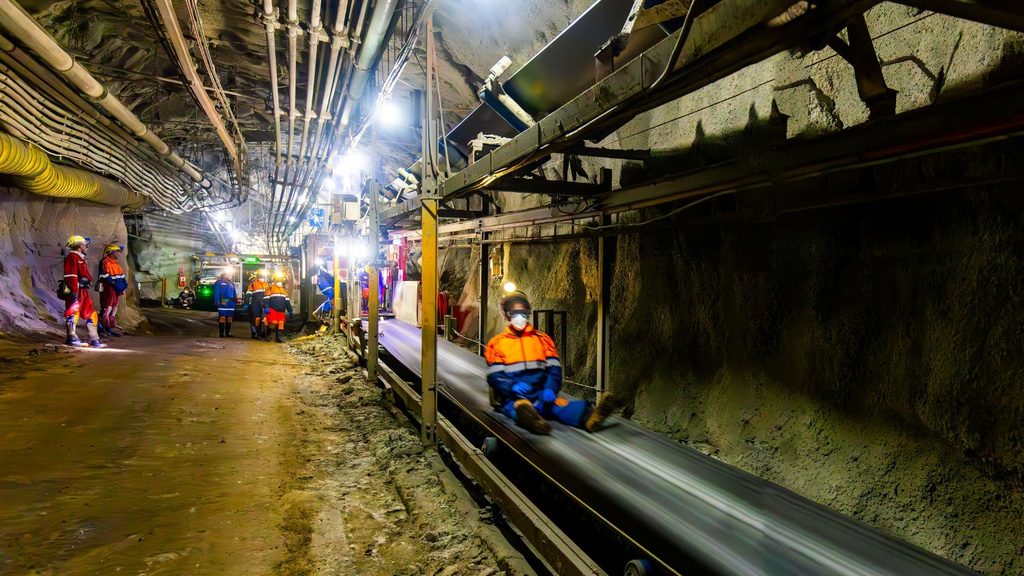
Mponeng’s continued operation is thanks to Harmony’s investment in mechanisation and equipment to ensure it is safe for humans to operate at such a depth.
An example of this investment is the mine’s operation of one of the largest refrigeration complexes in the world that freezes thousands of tonnes of ice slurry daily.
This slurry is then pumped down vertical pipes into underground reservoirs where it is used in heat exchanger networks to bring temperatures down from 60°C to 30°C.
The depth of Mponeng also renders concrete unusable as it would shatter under tectonic shifting.
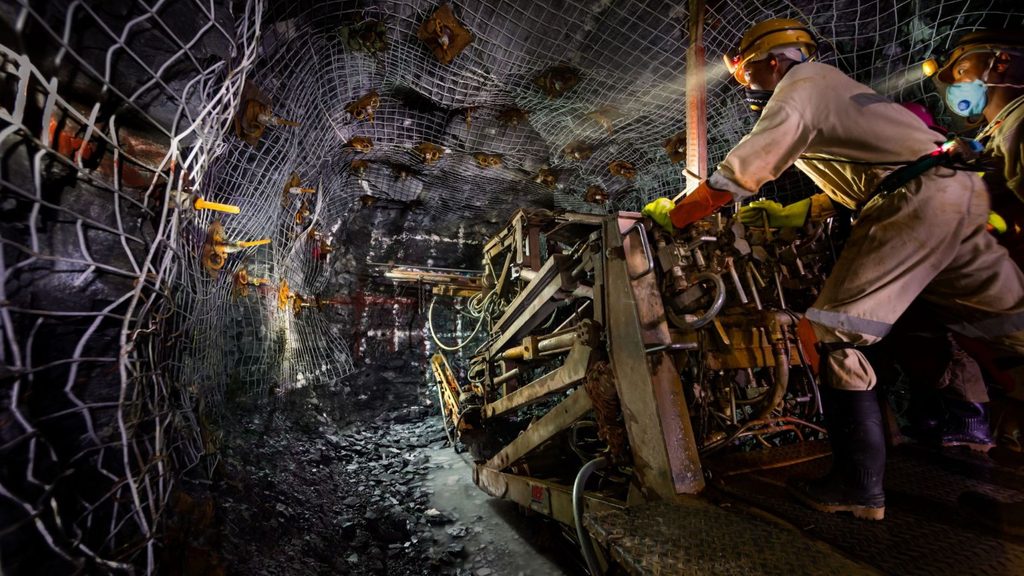
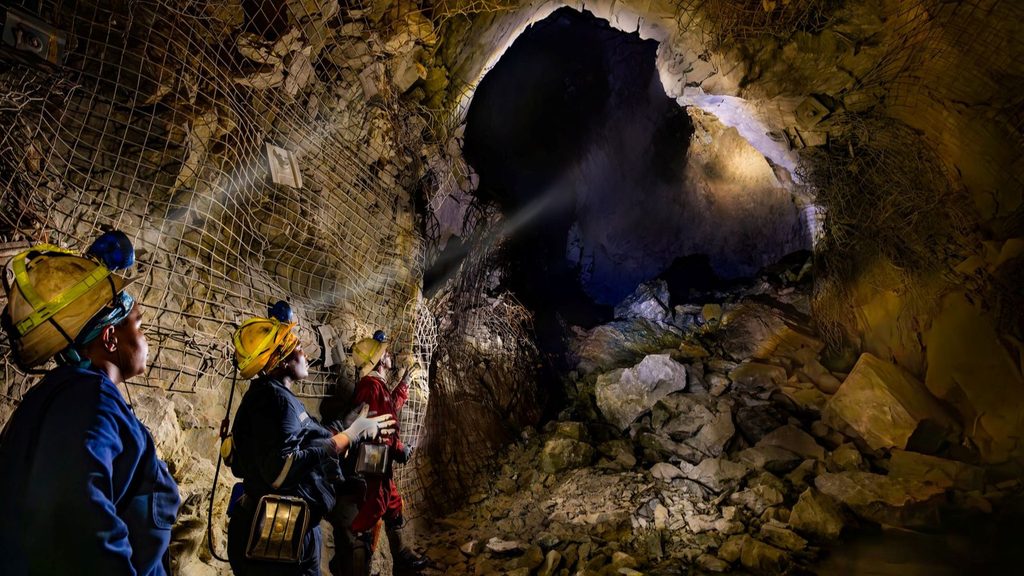
This forces the mine to use steel mesh that is held by flexible diamond-strand tendon rock bolts and anchor cables that can stretch under seismic shock.
Another engineering challenge is getting people and equipment into the mine, as four kilometres is too long for the steel cables that typically operate lifts.
Mponeng used multi-stage hoists for its lifts to move people and equipment up and down the shaft, resulting in a journey to the bottom of the mine taking around an hour.
The mine remains Harmony’s flagship gold asset, with it having a reserve grade of above seven grammes per ton.
In the 2026 financial year, the mine produced 307,392 ounces of gold at a recovery grade of 10.67 grammes per tonne.
Harmony estimates Mponeng’s remaining mineral reserves at 4.5 million ounces.
It is investing R3.1 billion to extend the life of Mponeng in the 2027 financial year to achieve a steady-state production level of 250,000 ounces per year.
Mponeng Gold Mine Photos