The Australian pawnbroker taking on Facebook Marketplace, Gumtree, and Bob Shop in South Africa


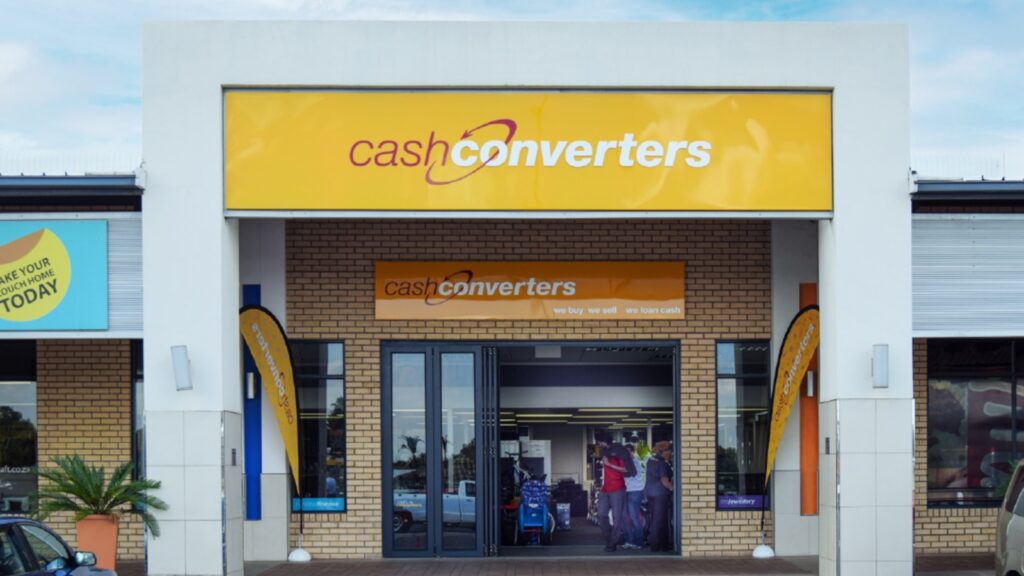
Three decades after arriving in South Africa, second-hand retailer Cash Converters is adapting to an increasingly online retail market.
The Australian company opened its first South African store in Parow in 1994, owned and managed by now-CEO Richard Mukheibir and his business partner, now-CFO Peter Forshaw.
Franchising began the following year, and today Cash Converters operates 100 stores across South Africa and Namibia, with plans to expand further across the continent.
The business has traditionally operated under a three-in-one business model, covering second-hand retail, pawnbroking, and unsecured lending.
But where the company would previously have seen other brick-and-mortar second-hand retailers as its main competition, this has changed in the last few years.
In an interview with 702, Forshaw explained that customers are increasingly turning to online marketplaces to compare prices when buying and selling used goods.
“The online marketplaces over the last couple of years have really come to the fore,” Forshaw said. “We have seen that as really positive.”
“It has created this concept of buying and selling, and made it acceptable to do it. And that’s Facebook Marketplace, Bob Shop, Gumtree, and many other platforms.”
Forshaw likened this to McDonald’s first entry into the South African market in 1996, amid concerns that it would put all existing hamburger restaurants out of business.
Instead, it stimulated overall demand and increased competition between McDonald’s and other local restaurant chains, boosting the industry as a whole.
According to Forshaw, the mainstreaming of second-hand goods buying and selling has positioned Cash Converters to operate successfully in South Africa’s circular economy.
“Although it’s pretty new as a concept in South Africa, it’s socially acceptable now to effectively trade in second-hand goods,” Forshaw said.
“In some cases, it’s actually really trendy. That’s been good for our business, and the second-hand sector. It’s definitely mainstream now.”
Cash Converters’ evolving strategy
To keep pace with the rise of online marketplaces, Forshaw explained how Cash Converters had adapted its business strategy to digitisation.
Much of this centred around the company’s online shop, which, according to Forshaw, hosts 60,000 individual item listings.
He explained that Cash Converters’ decision to transition towards a greater online presence stemmed from the uncertainty created by the Covid-19 pandemic.
“We didn’t know what was going to happen to our business, so we actively pursued and got our web shop going,” Forshaw said.
“What that’s shown us is that customers want to deal online. Our web shop does the payment and the fulfilment, all in one. That is critically important to the industry.”
In contrast to other second-hand marketplaces such as Facebook Marketplace, Forshaw said deals done with Cash Converters were open and visible.
The company’s status and reputation as a verified retailer offer distinct advantages over informal online trades, such as guaranteed cash payments and transparent transaction processes.
In addition, Cash Converters is required to provide a 6-month guarantee on almost every second-hand item it deals in under the Consumer Protection Act.
While there are a few exceptions where this is not possible, he said this demonstrated the amount of careful processing that accompanies each transaction made through Cash Converters.
“I think a lot of people are a little bit concerned these days when dealing with platforms like Facebook Marketplace,” Forshaw said.
“At the end of the day, Facebook Marketplace is really there to create eyeballs and analyse people’s data. They’re not really there to facilitate deals.”
Forshaw praised Bob Shop as an online platform that positioned itself more around connecting buyers and sellers together.
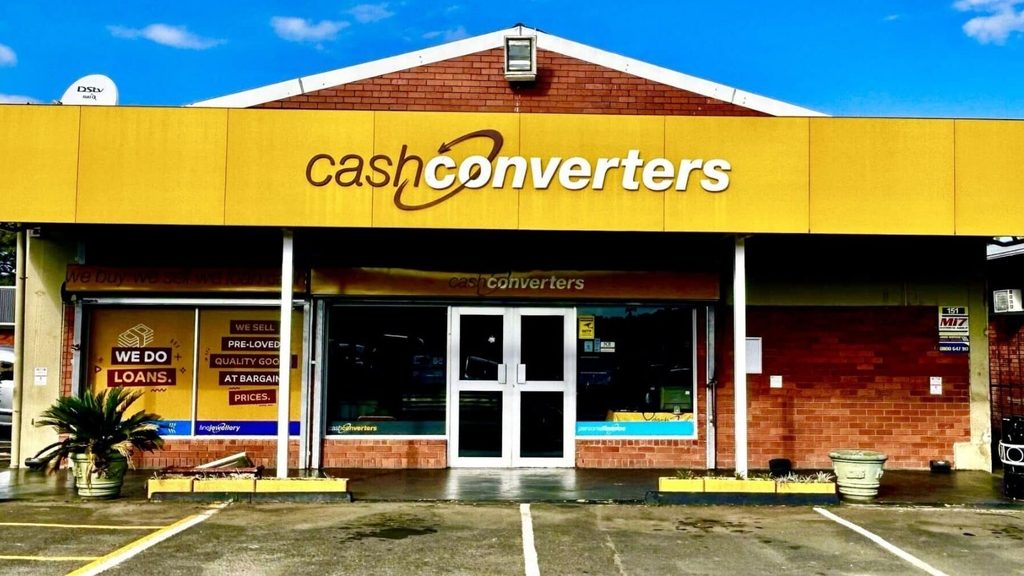
Aside from its online presence, Forshaw said the company placed special attention to the location, visibility, and accessibility of its physical storefronts.
Cash Converters’ locations typically fall outside major shopping malls, preferring to operate in secondary shopping centres where people can drive up to the door to bring in products for sale.