From a small fishermen’s village to a South African millionaire hotspot where houses sell for R20 million


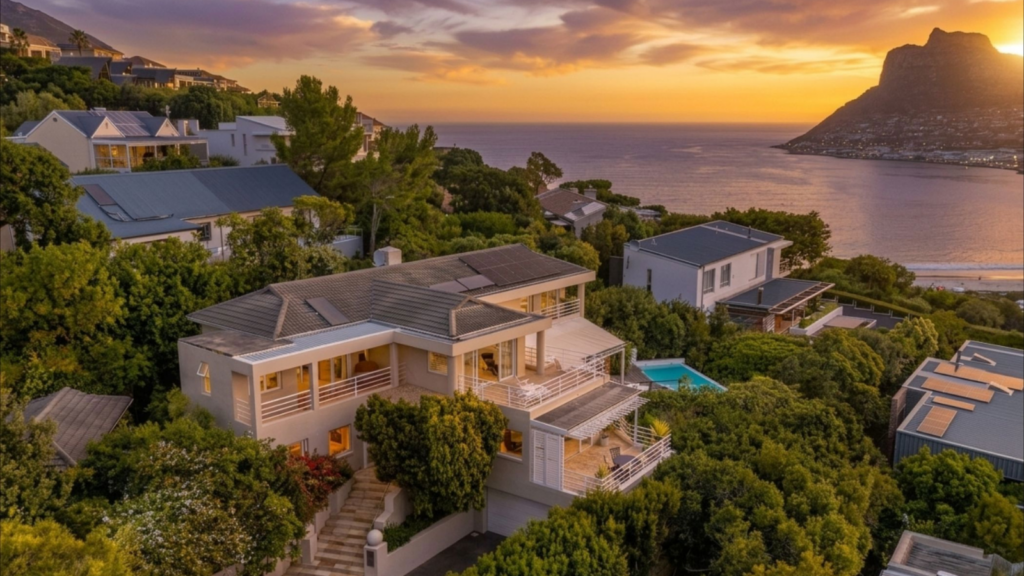
The historic town of Hout Bay has evolved from a small fishing village into a luxury property hotspot, with average prices rising 141% in five years.
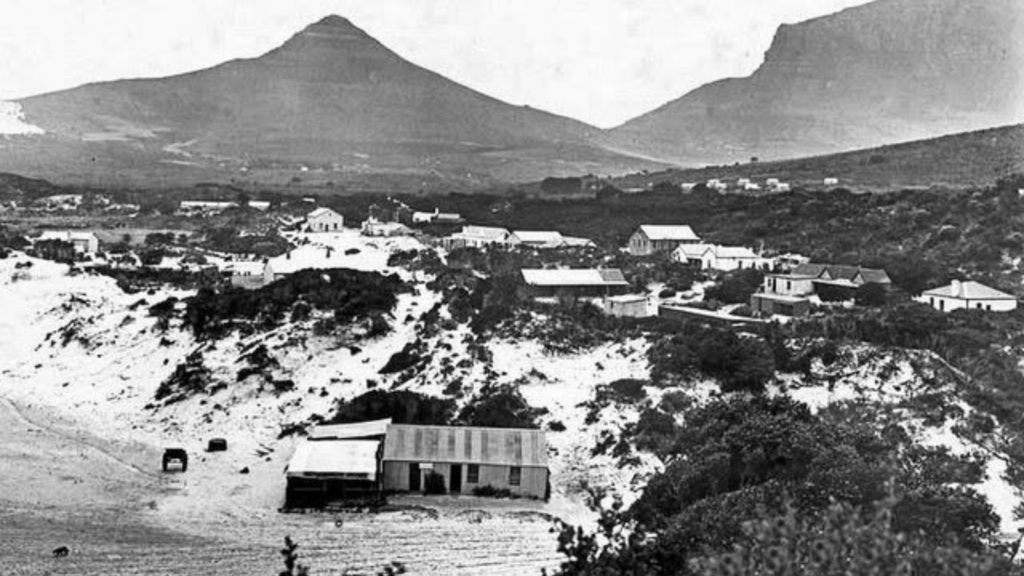
Hout Bay’s history dates back centuries, when the area was inhabited by indigenous San and Khoi communities who relied on its natural resources for hunting, fishing, gathering, and livestock farming.
In 1653, Dutch settlers named the bay ‘Houtbaai’, meaning ‘Wood Bay’, because the valley’s dense forests contained valuable timber, particularly yellowwood.
This wood was used to build and repair ships and construct buildings such as the Castle of Good Hope. A road over Constantia Nek was also developed to transport timber to Cape Town.
As the forests were cleared, the area increasingly became agricultural. Kronendal, established in the 1670s, was the first farm in Hout Bay.
Its Cape Dutch homestead was built in the early 1800s and remains a part of the area’s heritage. The sheltered harbour also gave Hout Bay strategic importance.
During the late 18th and early 19th centuries, coastal fortifications were built to protect against potential marine invasions.
The area’s natural harbour later became central to its fishing industry. The fishing village was established in 1867, when German immigrant Jacob Trautmann began farming and fishing in the valley.
Fishing and agriculture remained important to the local economy for generations. During the 20th century, the harbour developed into a major commercial fishing centre.
This was supported by breakwaters built in 1937 and 1968. By the 1980s, the harbour had five fish-processing plants.
The surrounding valley also has a long history of wine production. In 1685, Simon van der Stel, the man who would become the first Governor of the Cape Colony, planted 10,000 grapevines on the slopes between Hout Bay and neighbouring Constantia.
In the 1980s, local Rotarians and business owners launched a tongue-in-cheek tourism campaign declaring Hout Bay the “Republic of Hout Bay”.
The initiative included a mock passport and president, creating a distinctive local identity that remains part of the area’s tourism history.
Hout Bay’s property boom
Today, Hout Bay is becoming the new luxury hub on the Atlantic Seaboard, with the area experiencing a surge in high-end buyers.
Seeff Hout Bay manager Stephan Cross said that despite a broader market slowdown, properties are selling at the fastest rate in over a decade.
This comes as the area is experiencing constrained supply, with almost half of all sellers achieving close to, or even above, their full asking price.
Average prices have risen by 141% over the last five years, with both the sales and rental markets in high demand.
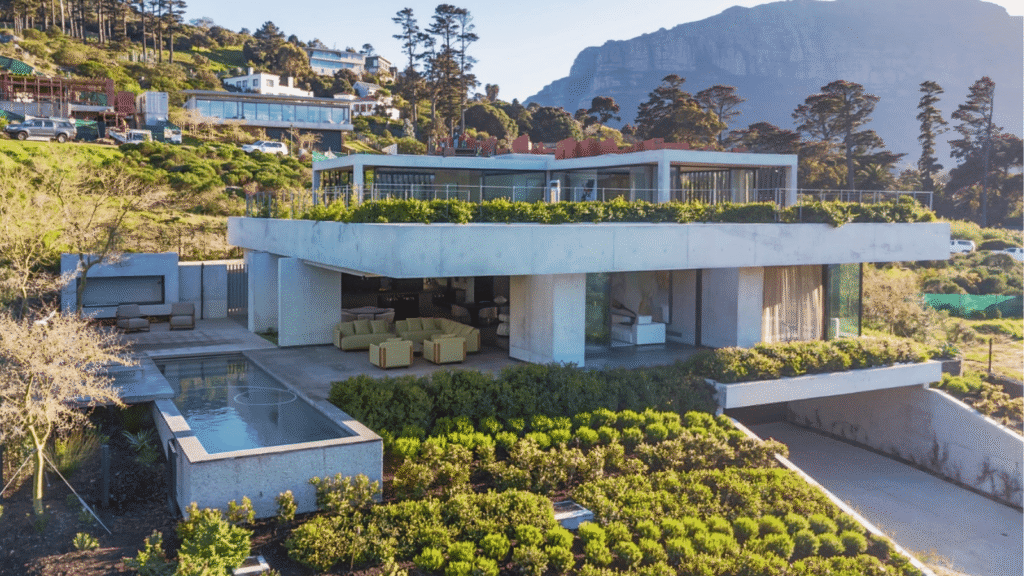
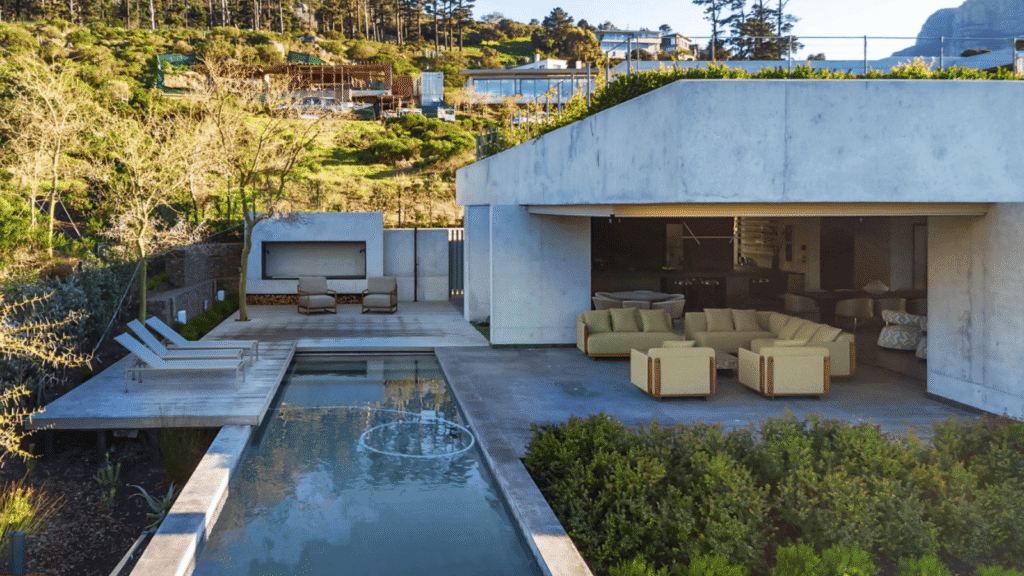
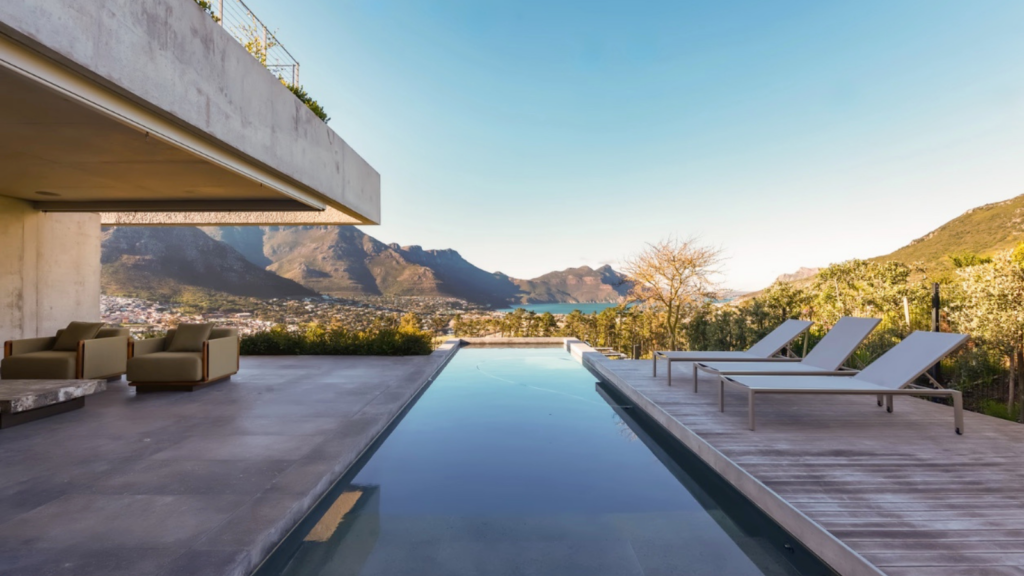
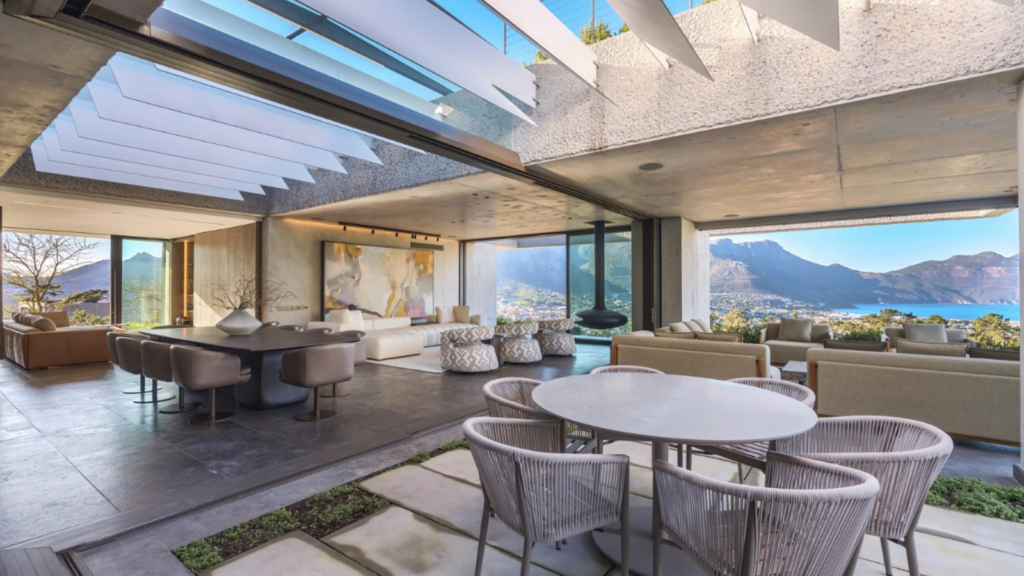
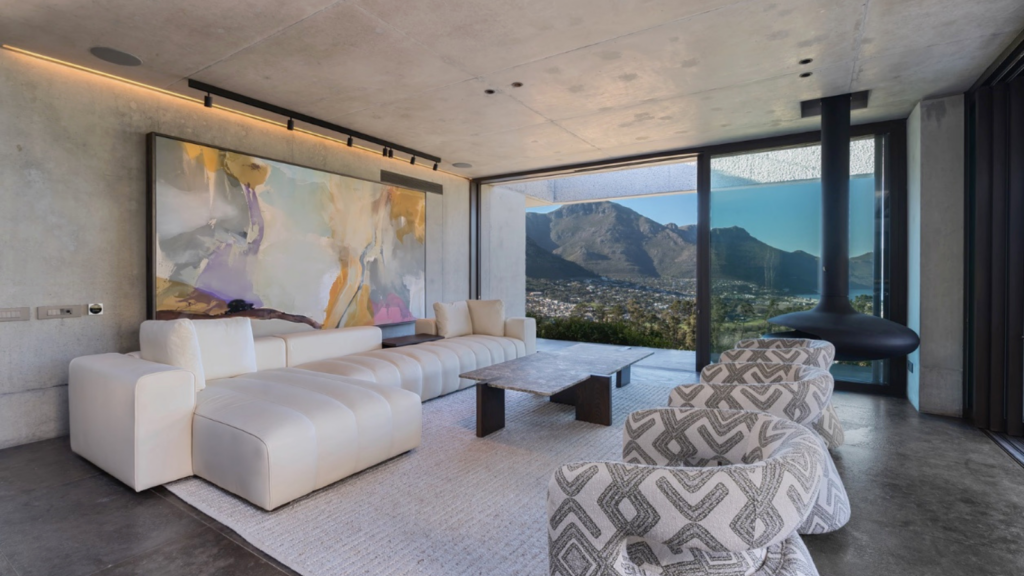
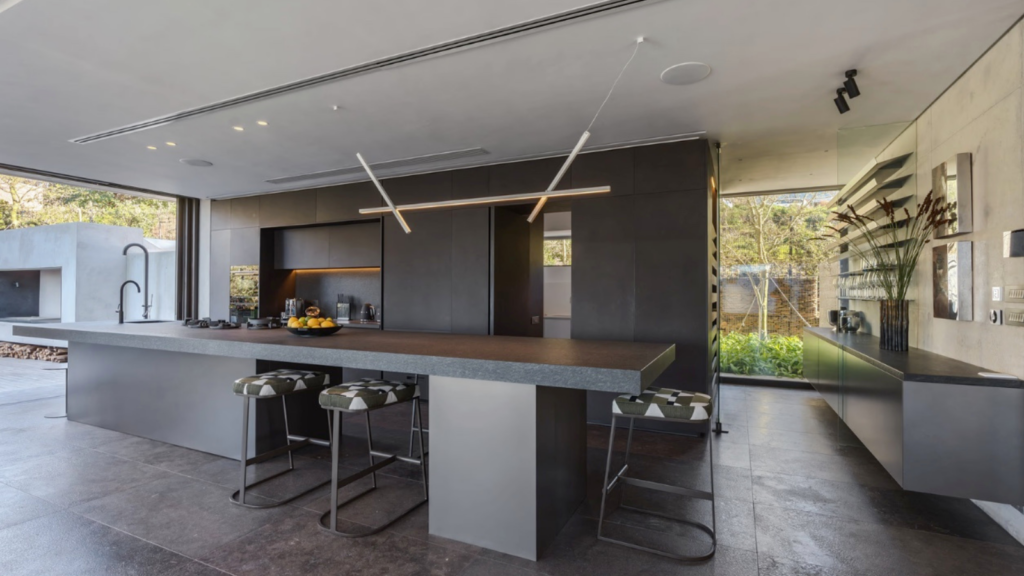
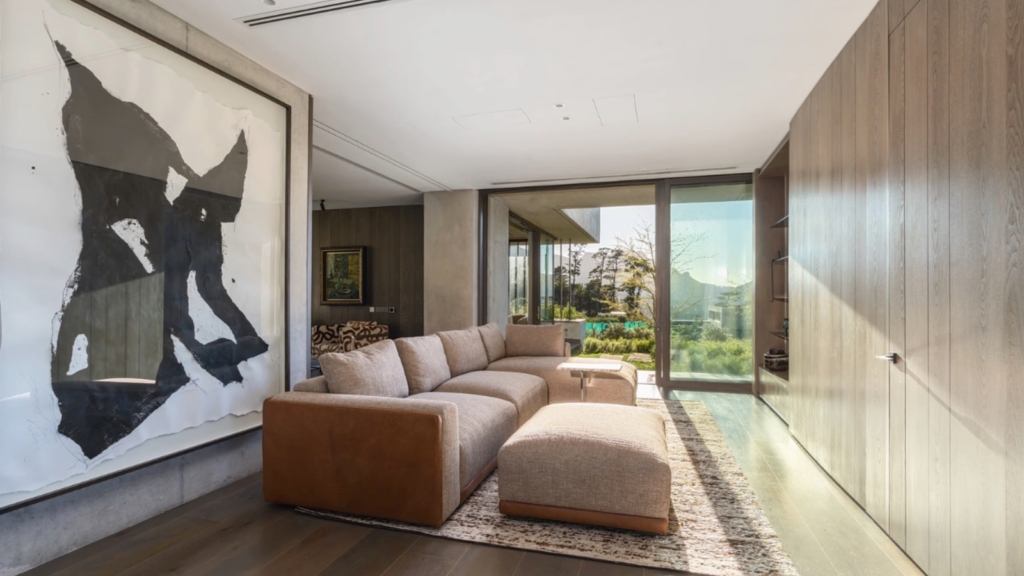
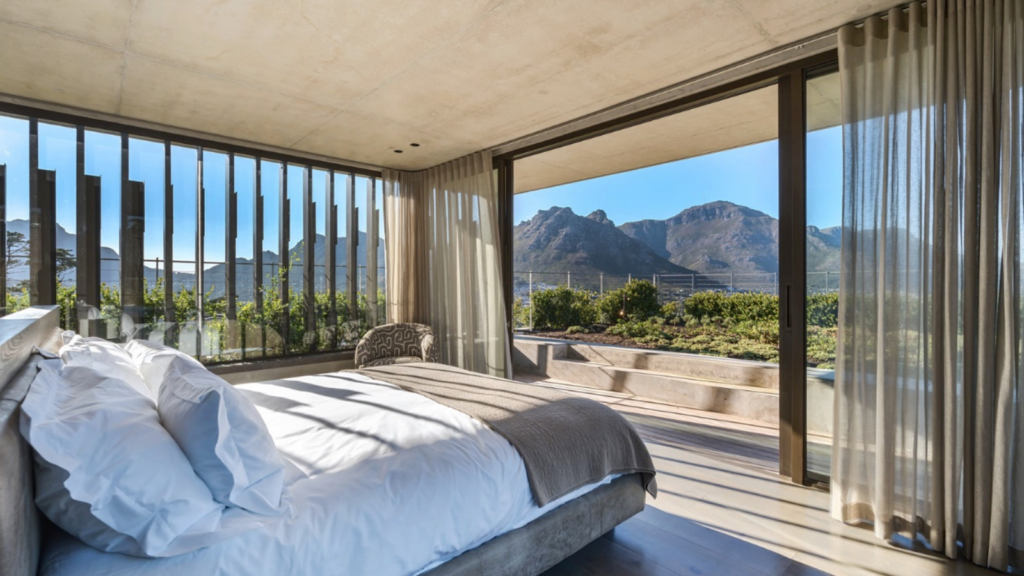
Seeff recorded a rental of R250,000 per month for a super-luxury home in the Kerzner Estate.
Propstats data shows the average transaction price for Hout Bay is R8.5 million, up 54% from R5.5 million in 2025, driven by a higher volume of top-tier sales.
Five years ago, less than 2% of sales exceeded R10 million. Now, 22% of sales are over R10 million, and several transactions top R20 million, primarily in the estates.
Only 40% of sales are now below R5 million. These transactions tend to be apartments and sectional title units.
One of Seeff Hout Bay’s property professionals, Ingred Killa, sold three properties over R10 million, totalling R35.5 million, in one week.
These fetched R13 million, R11.5 million, and R11 million, with the latter two sold off-market.
Cross said that five years ago, sellers were achieving, on average, 10% below their asking prices, and properties spent as much as 175 days on the market.
That timeline is now down to one month, twice as fast as the average of 78 days reported in 2025.
Sellers are achieving 3.9% below asking prices, with half achieving at or near full price.
Estate living draws buyers
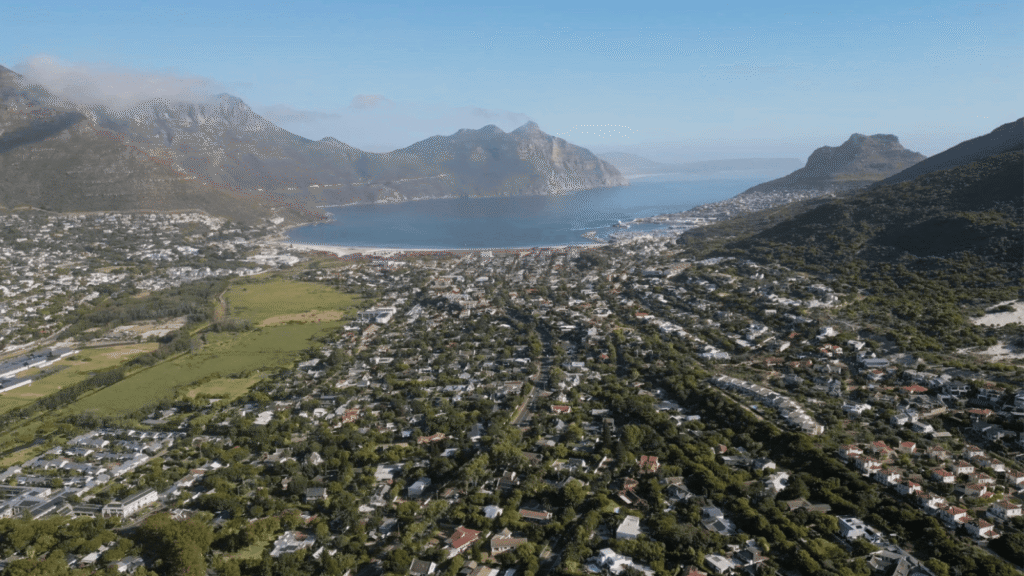
Beyond its coastal appeal, Hout Bay offers suburban and estate living, making it an attractive alternative to the Atlantic Seaboard.
Cross said there is a steady influx of semigration buyers from Gauteng and KwaZulu-Natal, alongside international purchasers predominantly from Germany and the UK, as well as buyers seeking Airbnb investments.
Gated estates are a primary drawcard for luxury buyers. Ruyterplaats now boasts a median price of R18.75 million, with some sales reaching R20 million in the last two years.
The median price for Kenrock stands at R17.9 million, with most sales now ranging from R10 million to R20 million.
New developments around Hout Bay, including boutique estates and luxury apartments, continue to expand the area’s property offering.
The growth of the ultra-luxury Kerzner Estate, which features bespoke architectural homes, has further elevated the local market into the super-luxury category.
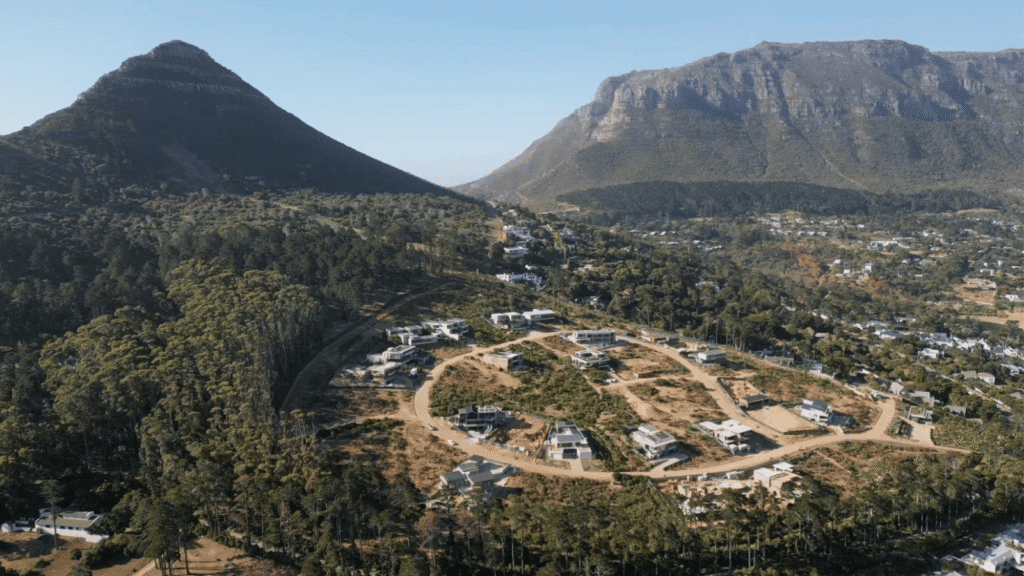
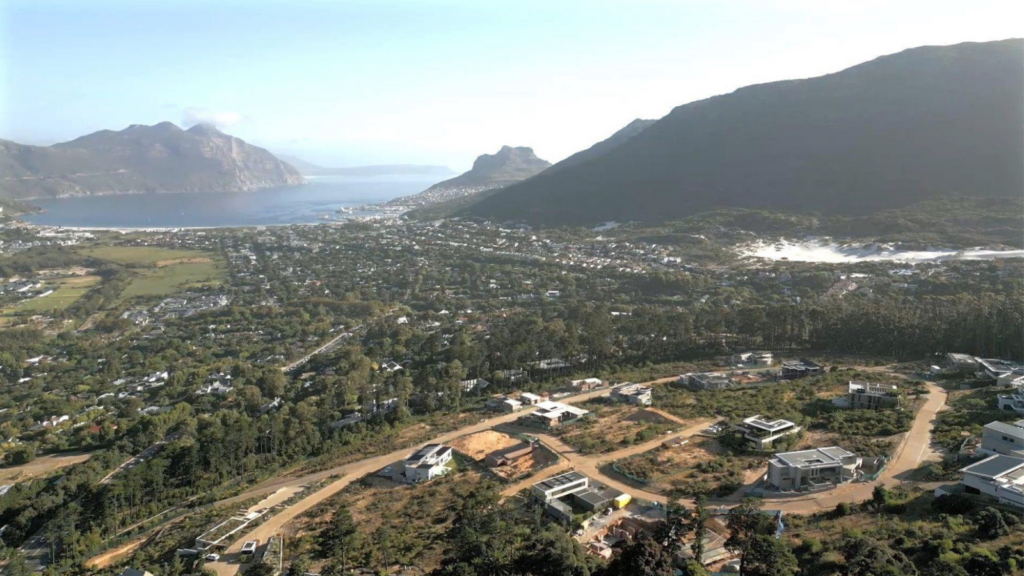
Kerzner Estate is positioned high on the slopes of Leeukoppie, the former private estate of South African businessman and Sun City founder Sol Kerzner.
The estate has raised the benchmark for property values, as demonstrated by the record R250,000 monthly rental.
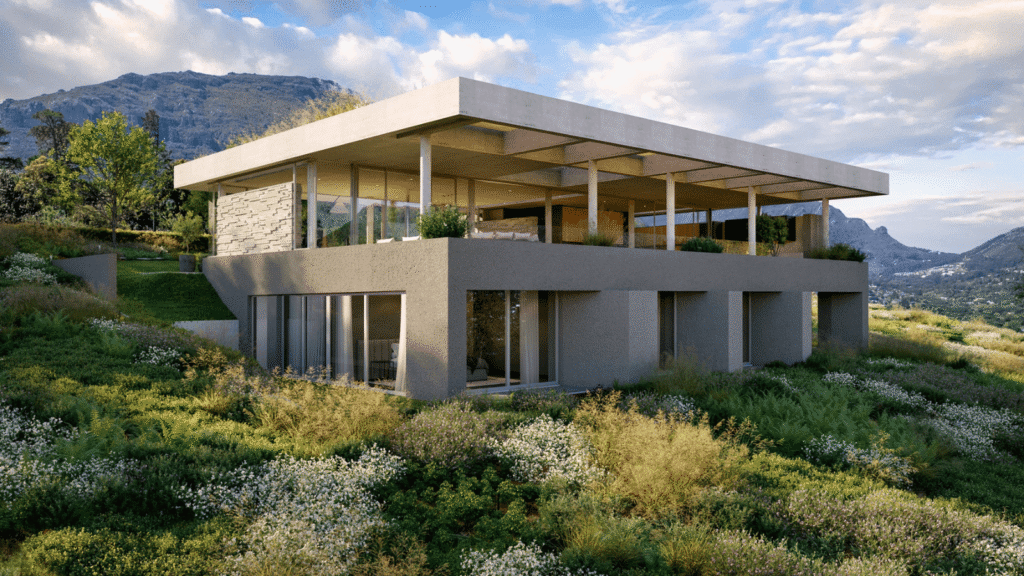
The architect and developers behind that residence are already working on their next project, House 23, which is being marketed off-plan at R43 million, with occupation expected by the fourth quarter of 2027.
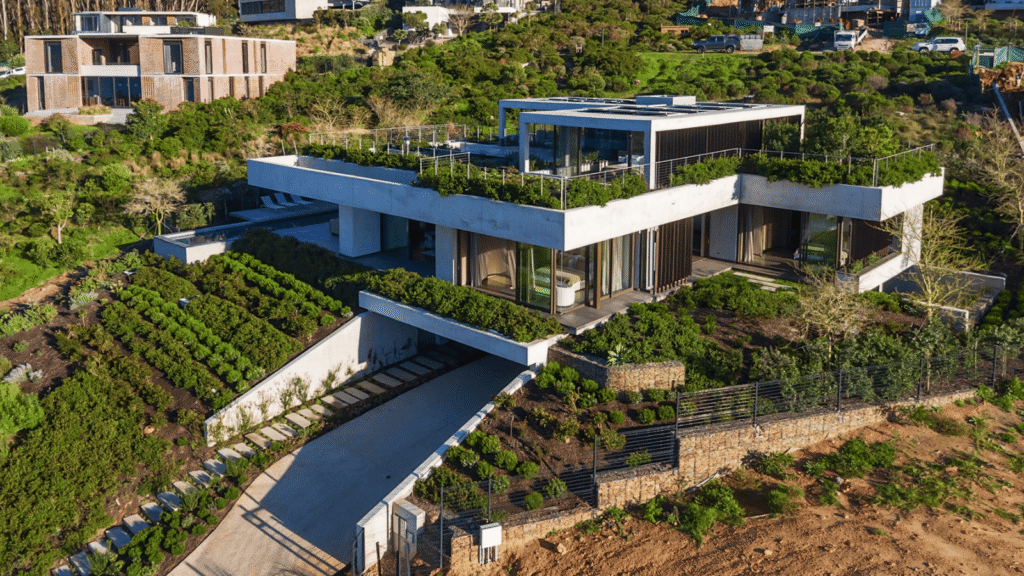
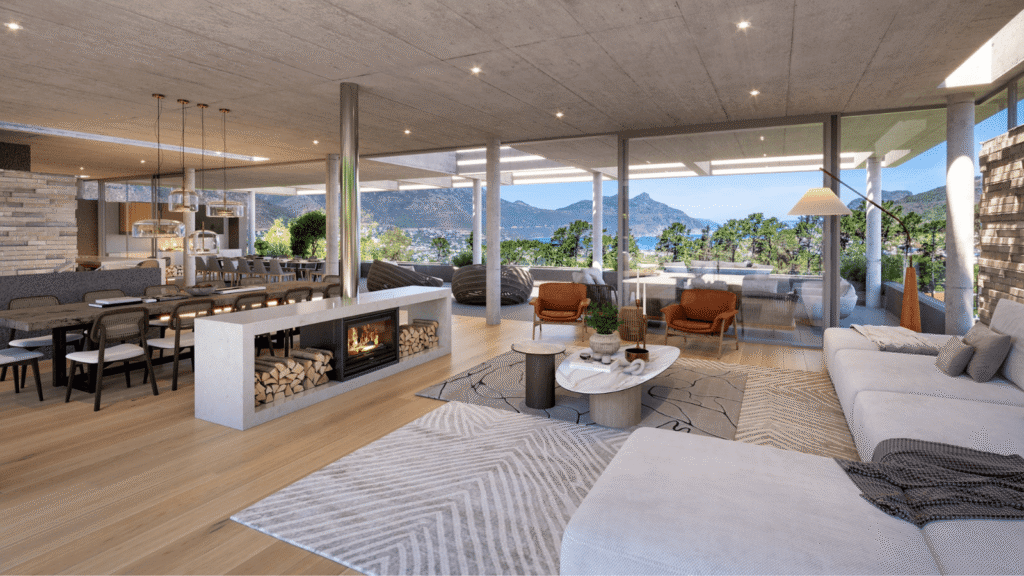
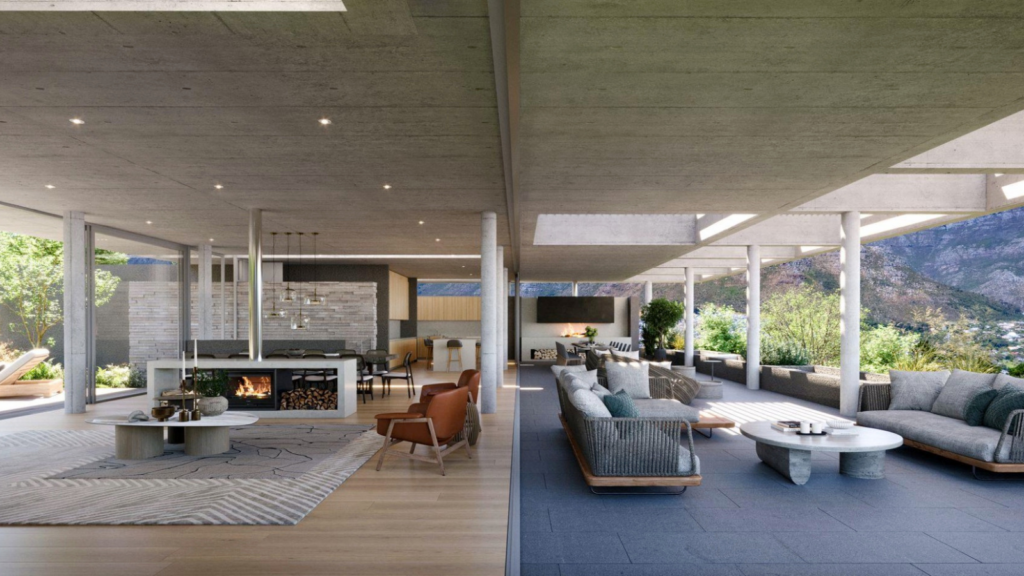
Designed by Metropolis Design, House 23 features off-shutter concrete slabs floating like mountain overhangs and floor-to-ceiling glazing.
It includes four en-suite bedrooms, dual living levels, an expansive pool, an integrated solar system, and customisable high-end finishes.
R250,000 per month four-bedroom rental home in Kerzner Estate
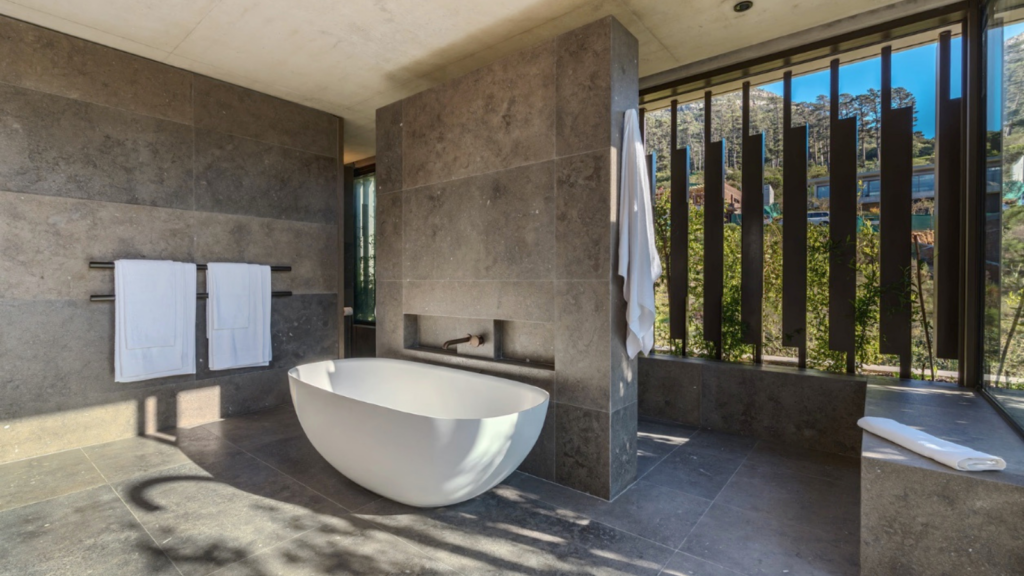
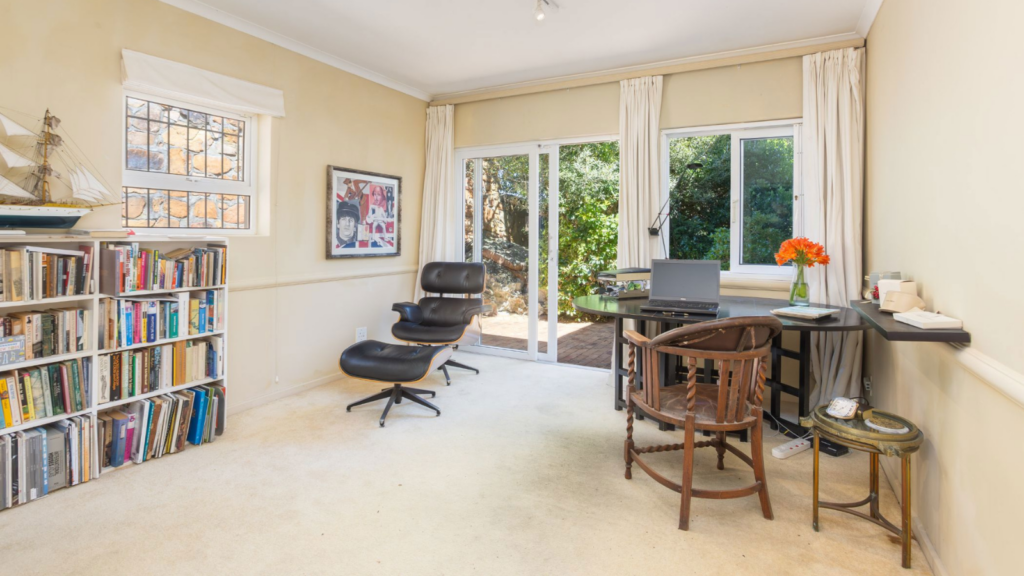
R23.45 million six-bedroom house in Scott Estate
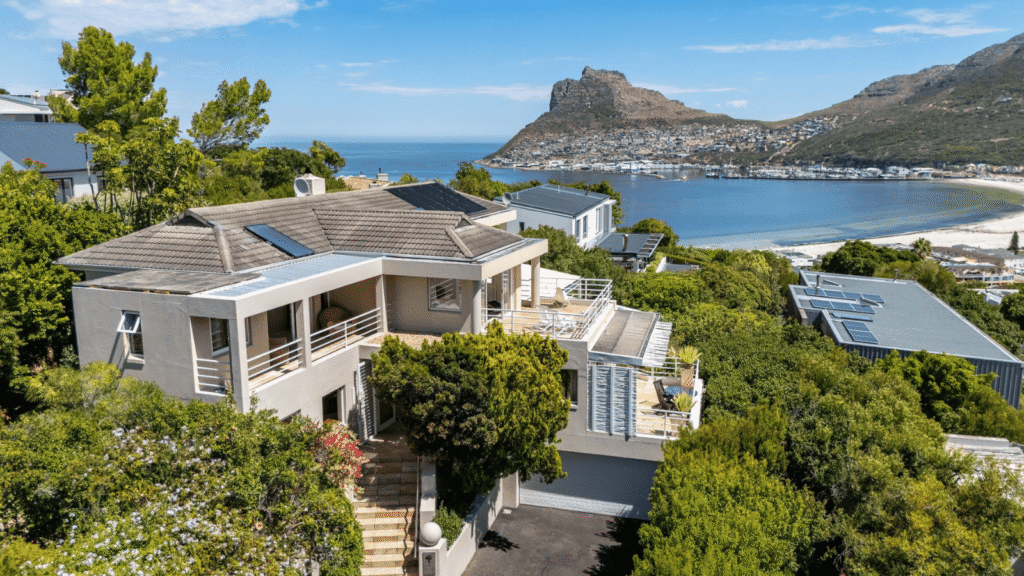
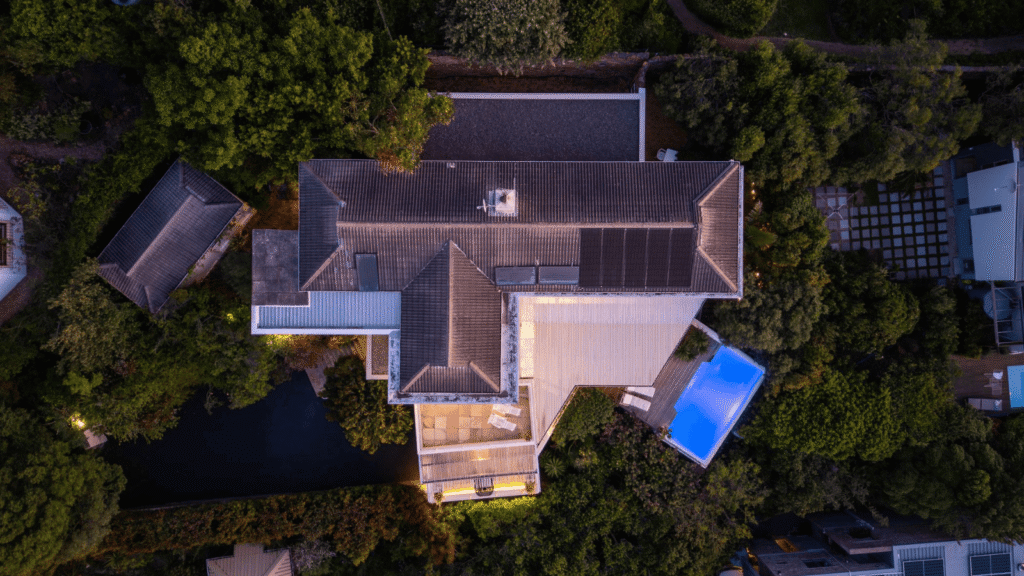
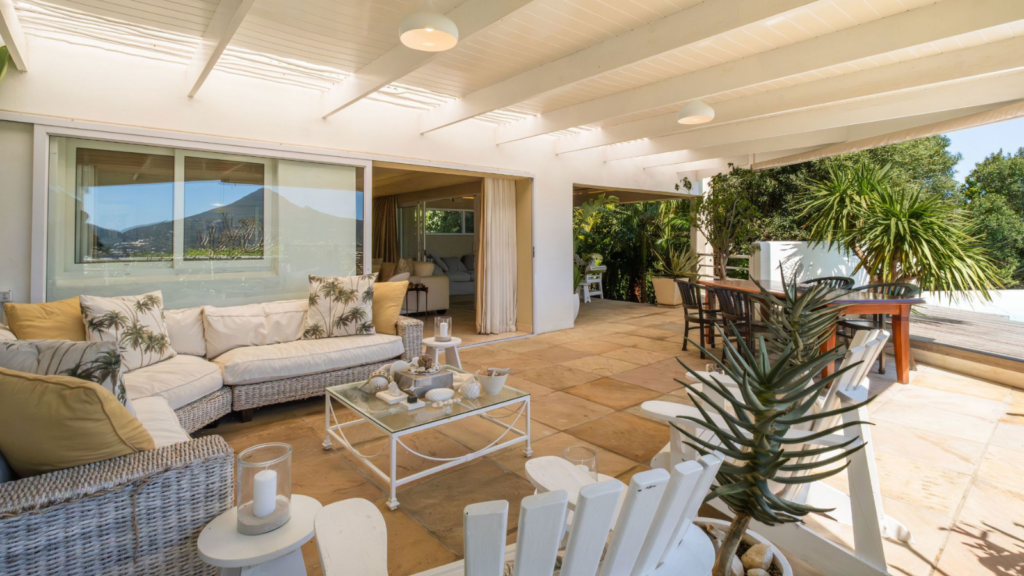
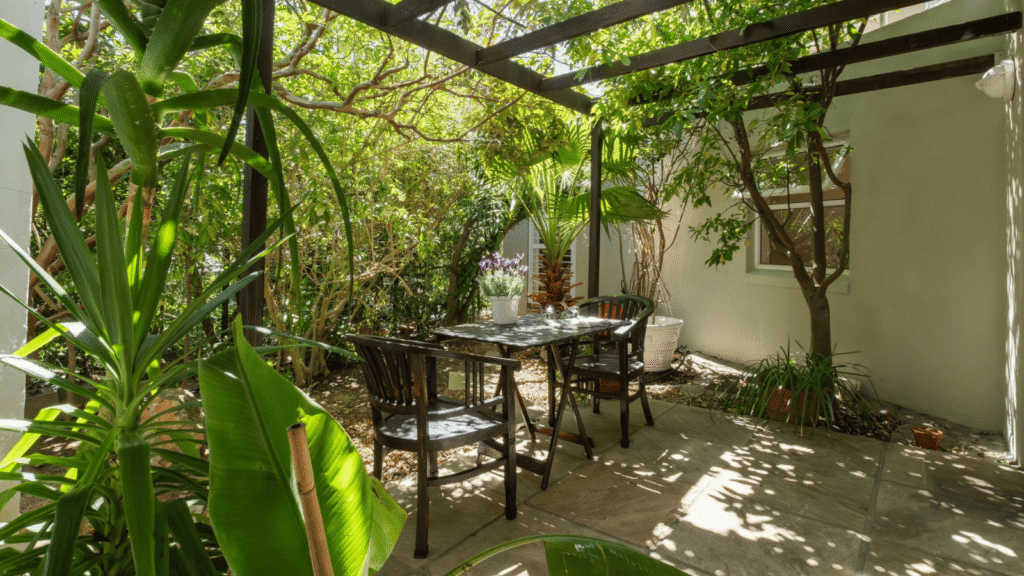
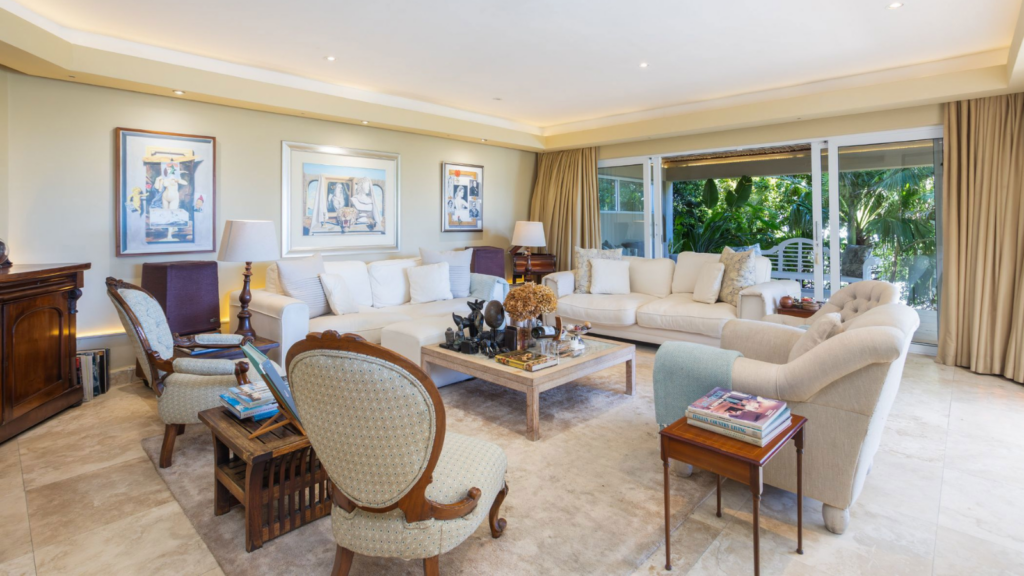
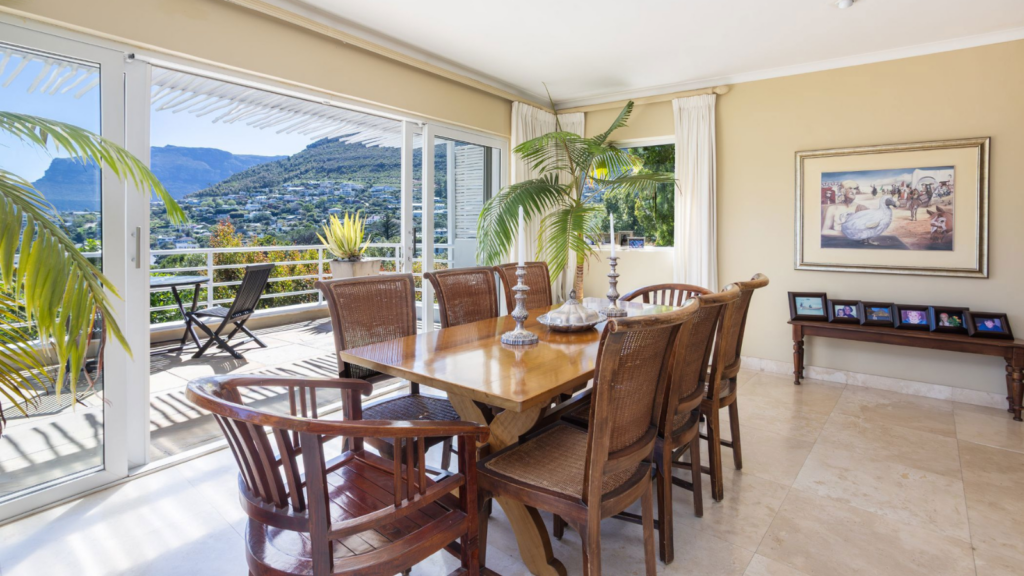
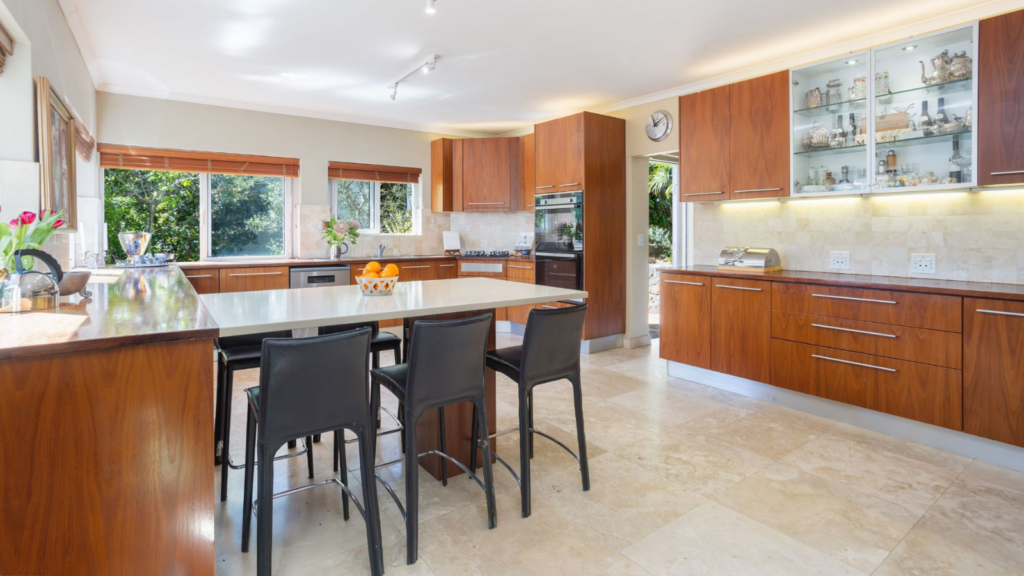
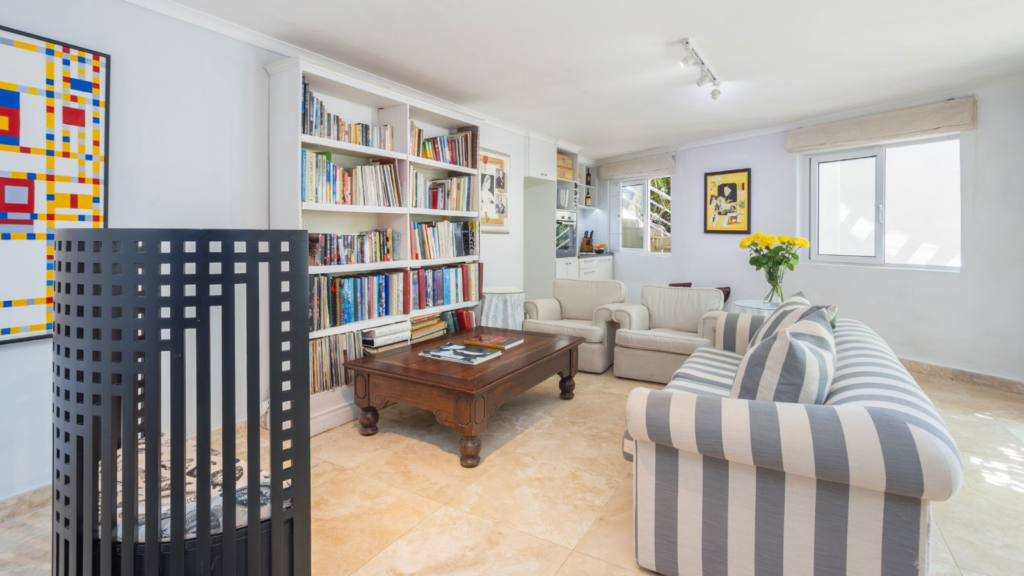
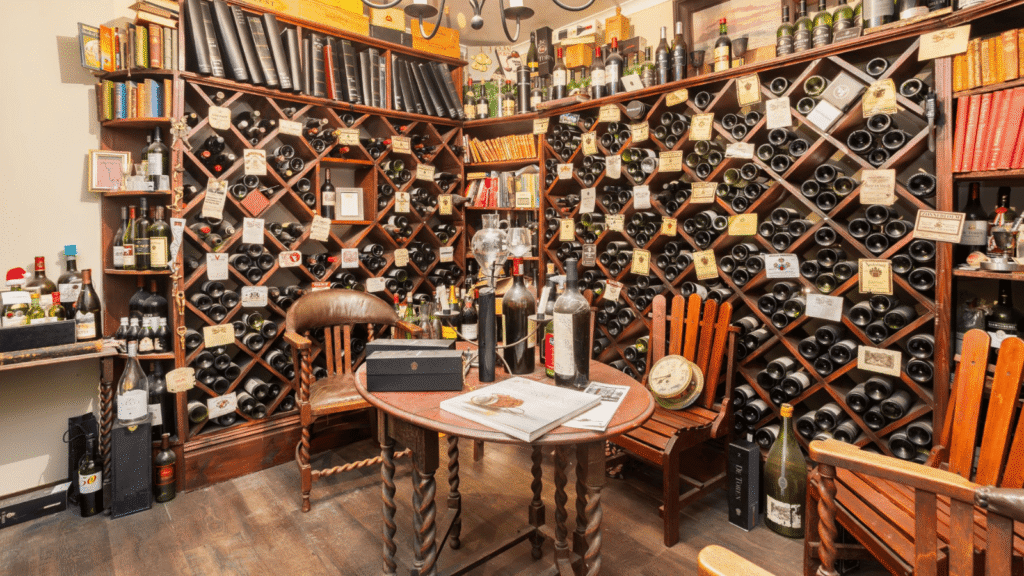
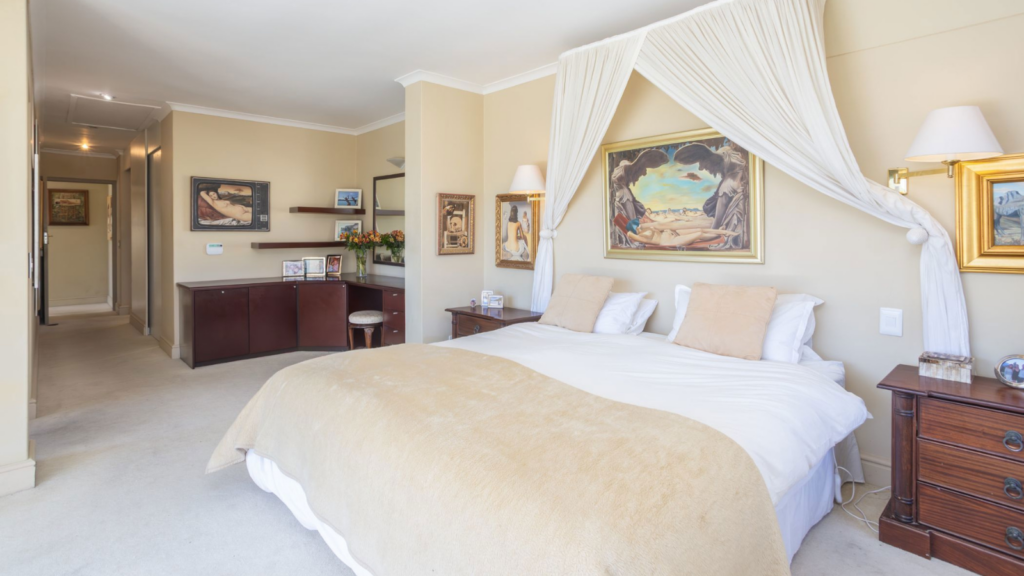
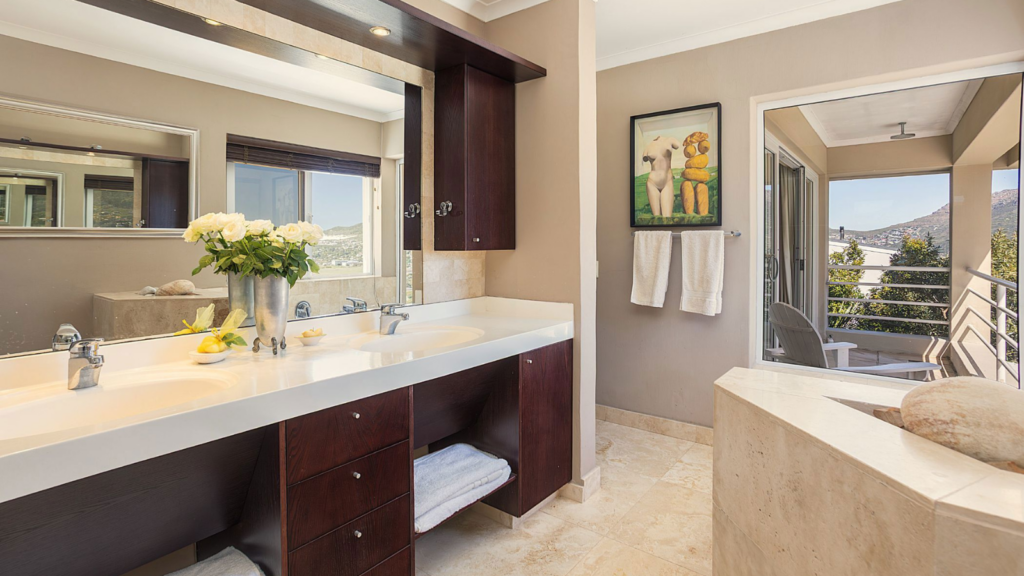
R43 million four-bedroom house in Klein Kerzner Estate






Comments