Trusts in South Africa face penalties of R16,000 a month


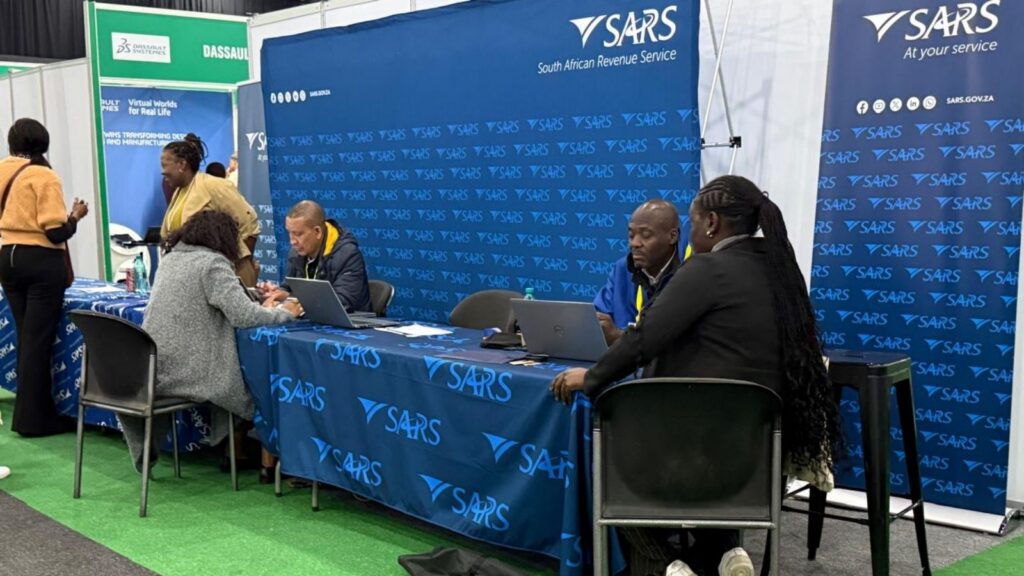
SARS is coming after South African trusts with outstanding amounts and issuing monthly administrative penalties of between R250 and R16,000 to those who do not submit their returns on time.
This is according to Tax Consulting South Africa’s senior tax consultant, Sohail Arnoldus, who said the South African Revenue Service (SARS) is sending trustees final demand letters for outstanding income tax returns.
He warned that the cancellation of earlier penalties should not be mistaken for an exemption from trusts’ statutory filing obligations.
The renewed demands follow a temporary reprieve in July 2026, when SARS cancelled penalties imposed on certain trusts for failing to submit their 2024 and 2025 income tax returns.
In February 2026, SARS issued final demand letters to trusts with outstanding income tax returns for the 2024 and 2025 years of assessment. The letters gave trustees 21 business days to bring their tax affairs up to date.
However, the legal basis for the penalties came under scrutiny because the relevant public notice had not yet been published when the initial demands were issued.
Sections 210 and 211 of the Tax Administration Act provide for fixed-amount administrative penalties for specified forms of non-compliance. The non-compliance must be identified in a public notice.
Although SARS issued its initial demands in February, Notice 7314 was only published in Government Gazette No. 54417 on 27 March 2026.
This raised concerns about the validity of penalties imposed based on demands issued before the notice was published.
Following this feedback, SARS deferred the implementation of the penalties until 4 May 2026. However, penalties were still imposed on certain trusts.
On 6 July 2026, SARS issued a Notice of Penalty Cancellation for trusts penalised for failing to submit their 2024 and 2025 returns.
The cancellations provided relief to affected trustees, but they did not remove the obligation to submit outstanding tax returns.
Arnoldus said the latest demands indicate that SARS is renewing its enforcement efforts under the published legal framework.
How the trust penalty system works

Under Notice 7314, a trust may face administrative penalties if it fails to submit an income tax return required under the Income Tax Act for a year of assessment commencing on or after 1 March 2023.
The penalty applies where SARS has issued a final demand that refers to the notice and requires the outstanding return to be submitted.
If the trust fails to comply within 21 business days, SARS may impose a fixed-amount administrative penalty.
The monthly penalty ranges from R250 to R16,000, depending on the applicable statutory penalty category and the trust’s taxable income. Penalties may recur for up to 35 months while the non-compliance continues.
This means that the amount can accumulate significantly when a trust has multiple outstanding returns, Arnoldus said.
He noted that trustees should not assume that a trust with little activity, or one that has distributed its income to beneficiaries, is automatically exempt from the penalties.
SARS has previously confirmed that registered resident trusts must submit annual income tax returns, whether they are economically active or passive. Certain non-resident trusts may also have filing obligations.
The responsibility for ensuring that the trust’s tax affairs are in order rests with its trustees, including keeping the relevant registration information up to date.
What trustees should do
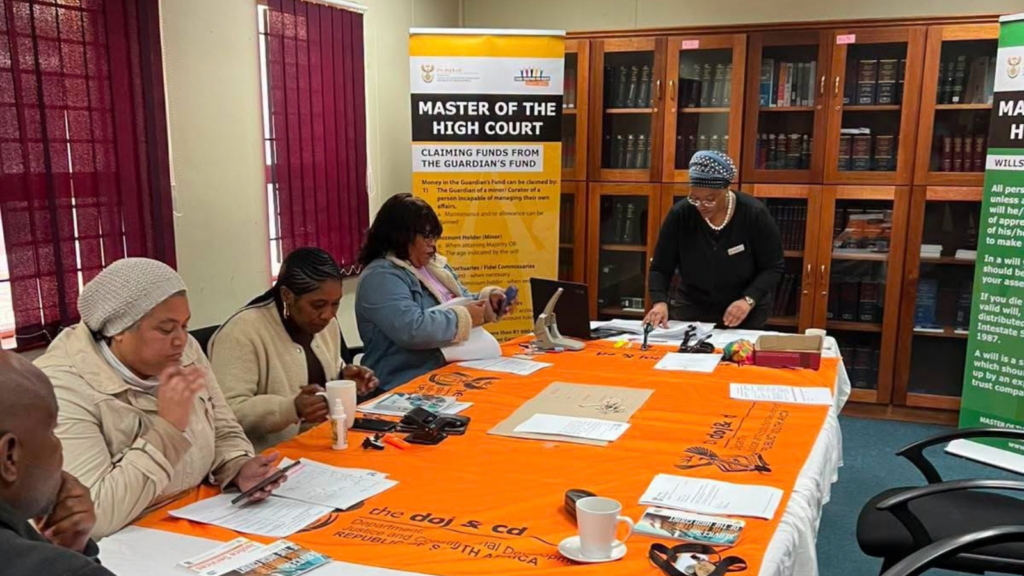
Arnoldus advised that trustees review their trusts’ compliance status and act within the prescribed period if they receive a new final demand.
The first step is to establish which income tax returns remain outstanding and submit them through SARS eFiling. Trustees should check the specific tax periods in the demand and ensure that all returns are filed.
They should also review their SARS accounts to confirm that penalties cancelled in July have been removed.
If penalties have been imposed incorrectly, trustees can consider the available remission and dispute-resolution procedures.
SARS allows taxpayers to request remission of administrative penalties if they disagree with the assessment. However, disputing a penalty does not remove the need to address the underlying filing default.
Submitting outstanding returns remains important because monthly penalties may continue to accrue while the non-compliance persists.
Trustees should also determine whether trusts that are no longer in use should be formally terminated and deregistered, Arnoldus explained.
An inactive trust is not exempt from filing requirements simply because it no longer earns income or holds substantial assets.
Where a trust is no longer needed, trustees should follow the formal termination process through the Office of the Master of the High Court.
They must then request income tax deregistration from SARS. Outstanding tax returns and liabilities must be addressed as part of the process.
The renewed demands place the responsibility on trustees to distinguish between the cancellation of earlier penalties and their continuing legal obligations.
Those with outstanding returns should review their position promptly rather than assume that the July reprieve remains in effect, Arnoldus added.






Comments