The small Karoo town in the middle of nowhere with a hotel that has its own shopping mall


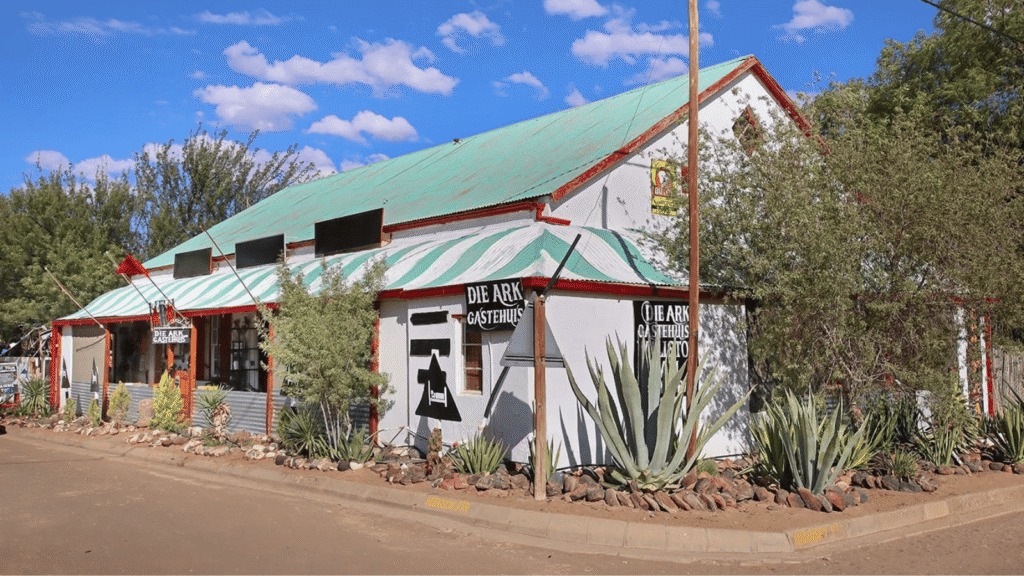
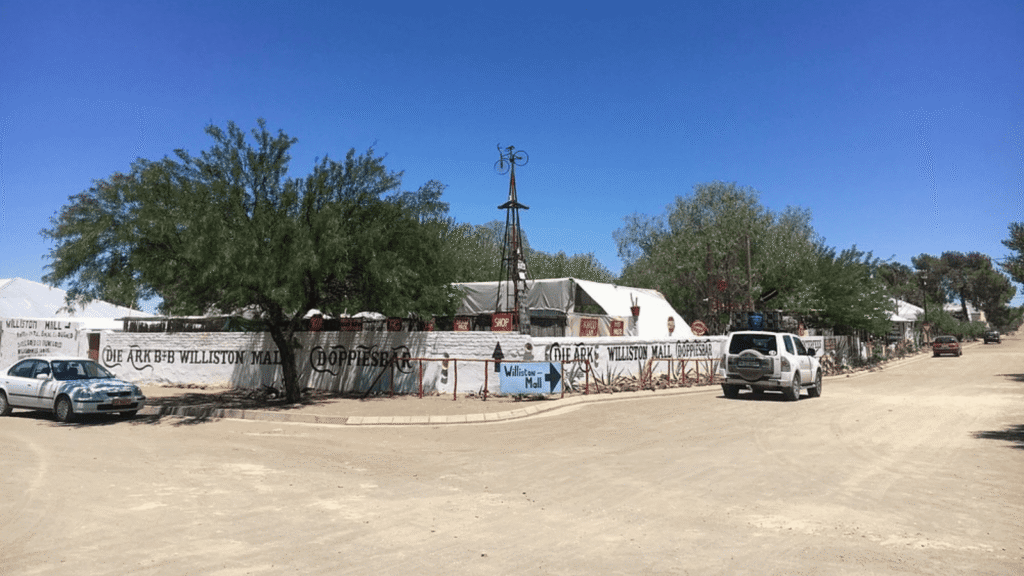
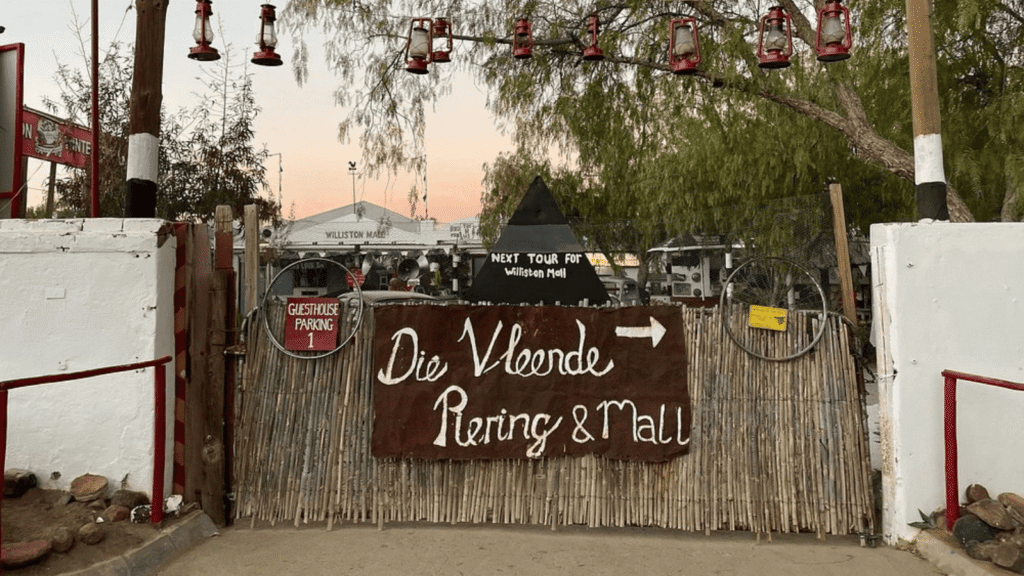
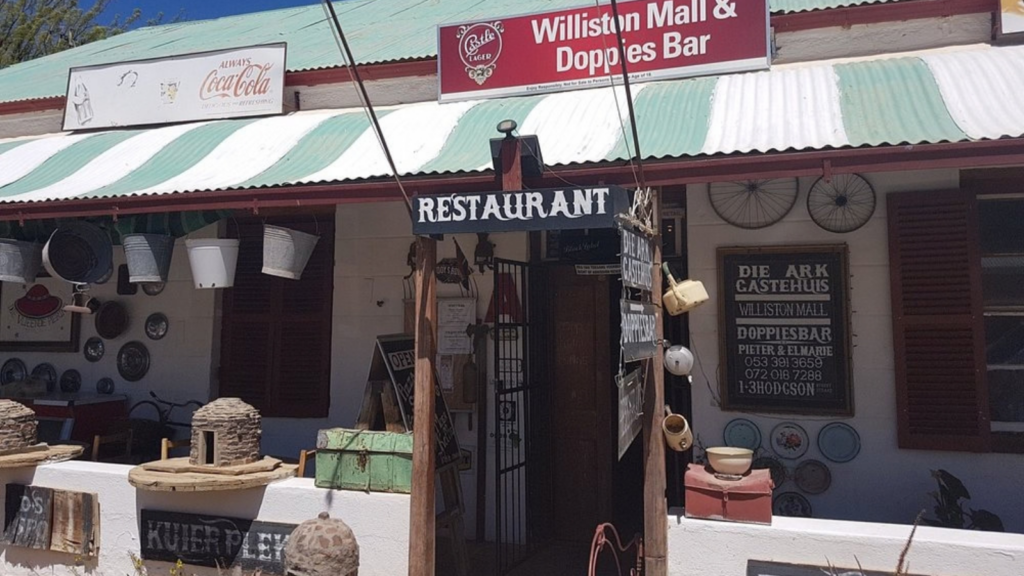
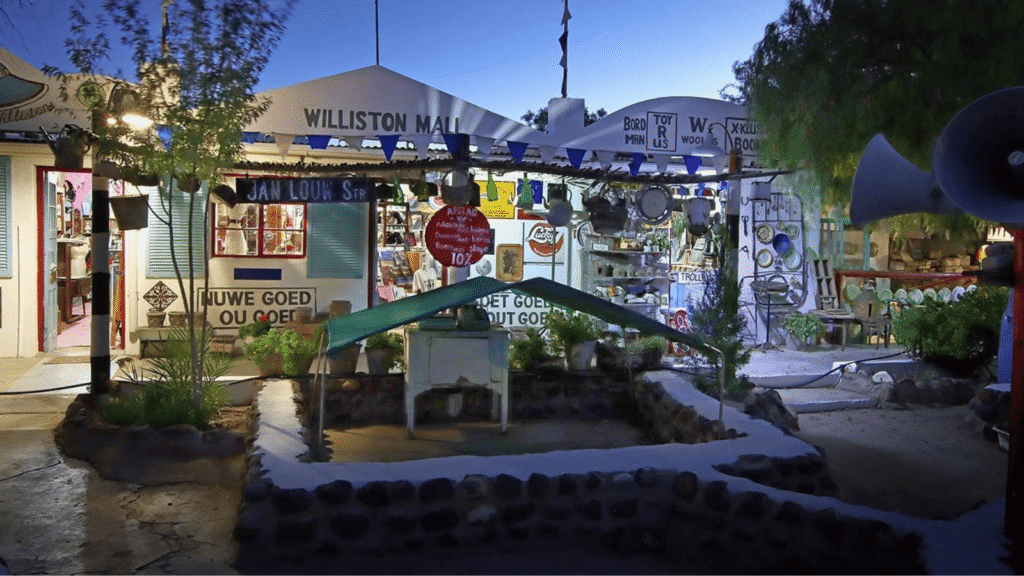
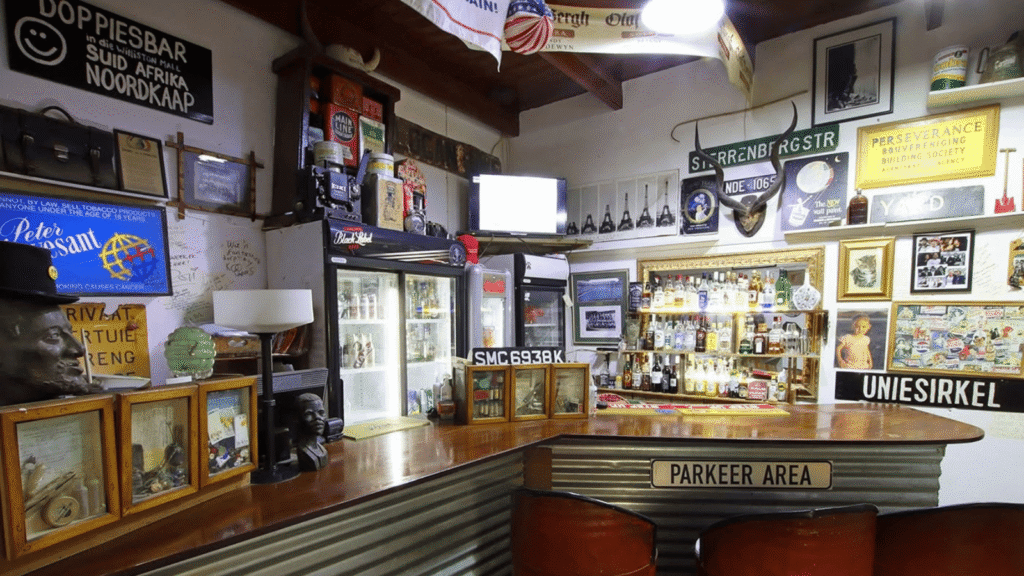
In the remote Karoo town of Williston, in the Northern Cape, lies a small guesthouse with its own shopping complex, bar, restaurant and theatre.
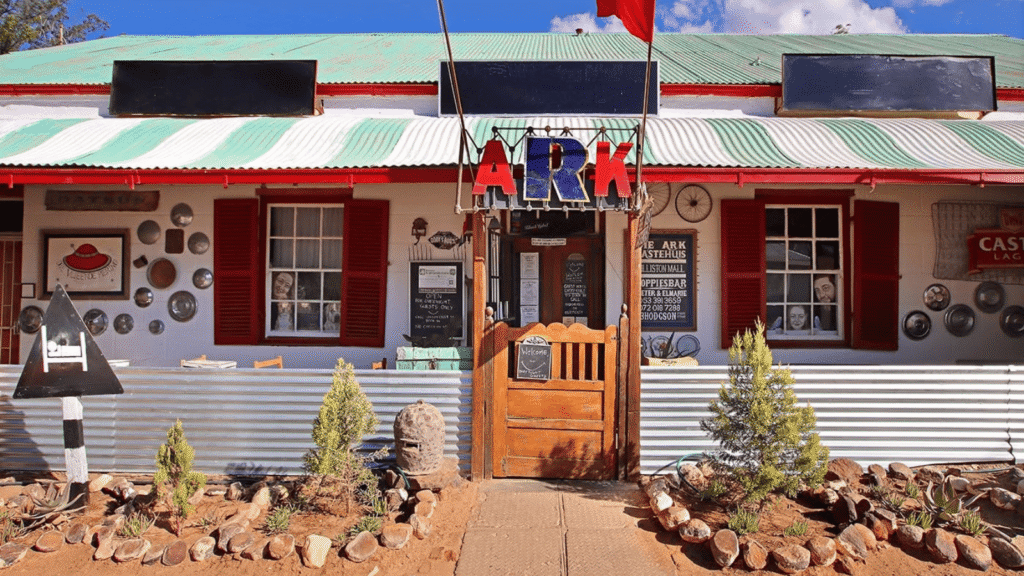
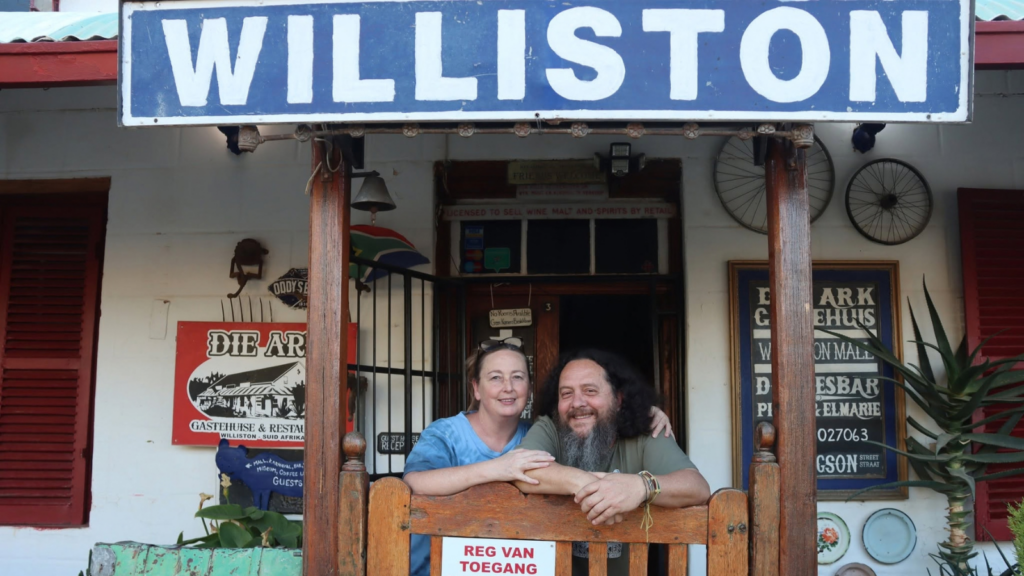
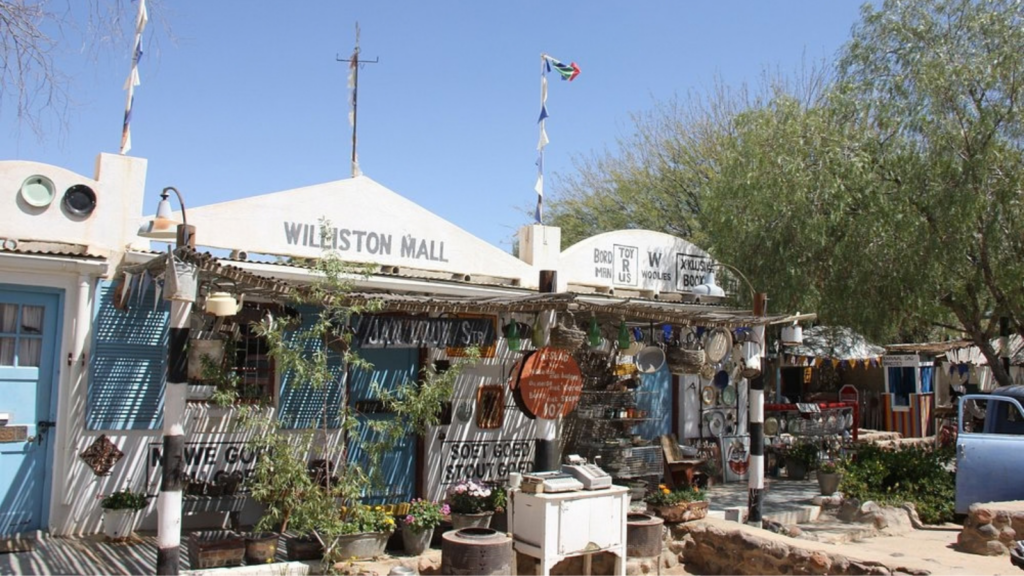
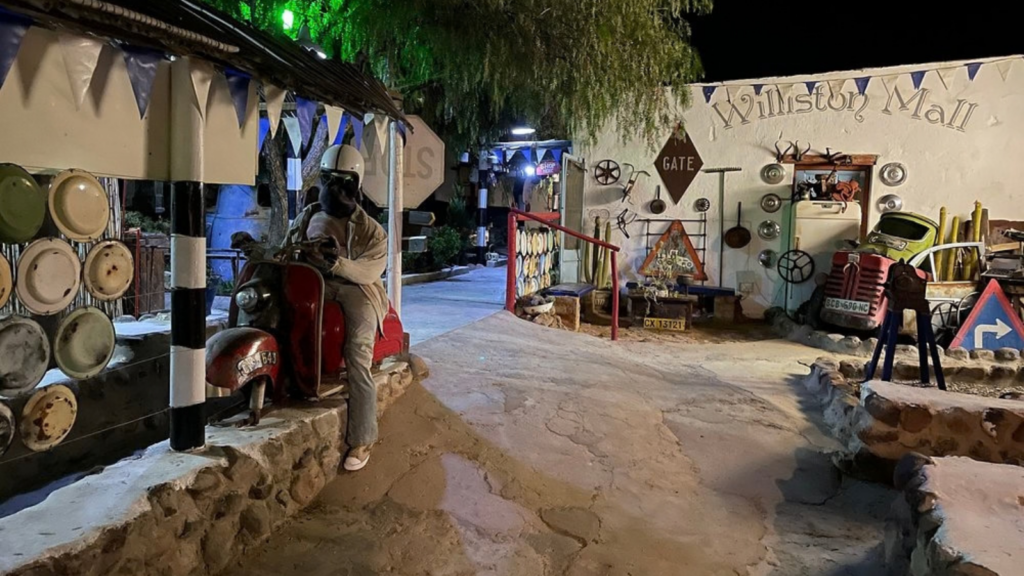
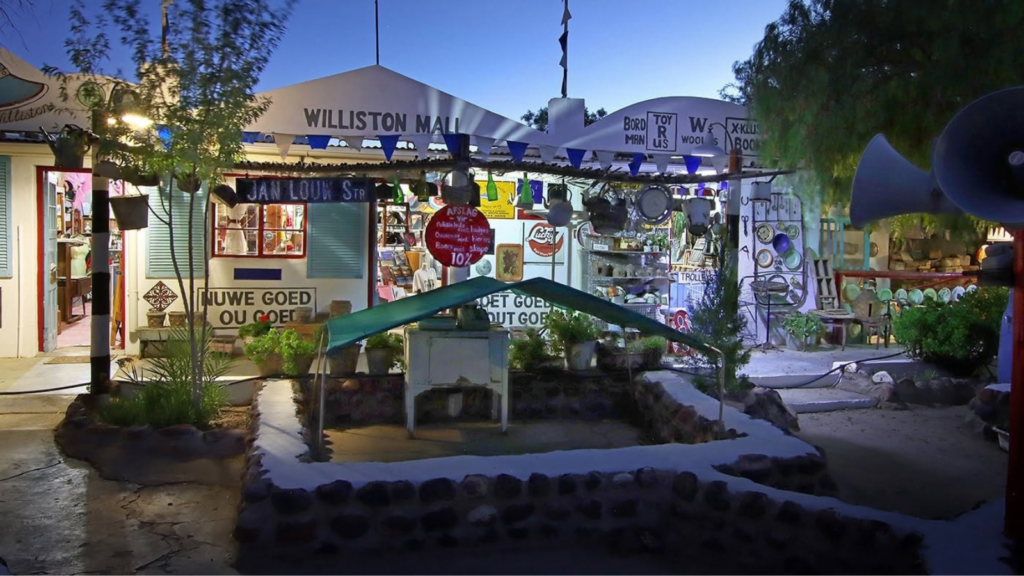
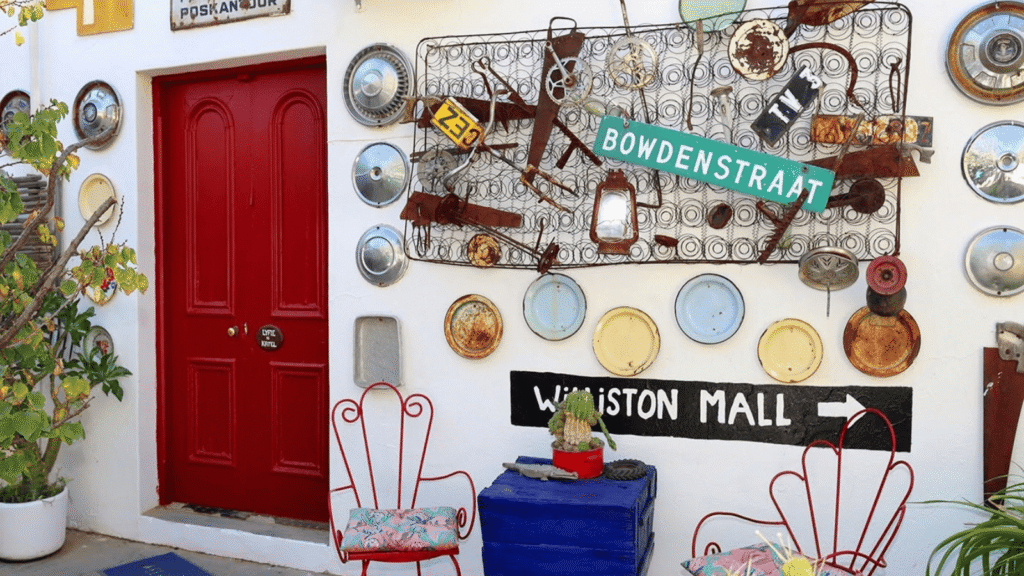
The Williston Mall forms part of Ark Guesthouse, a guesthouse and creative space run by two artists. Over the years, the property has become a popular stop for travellers exploring the Karoo.
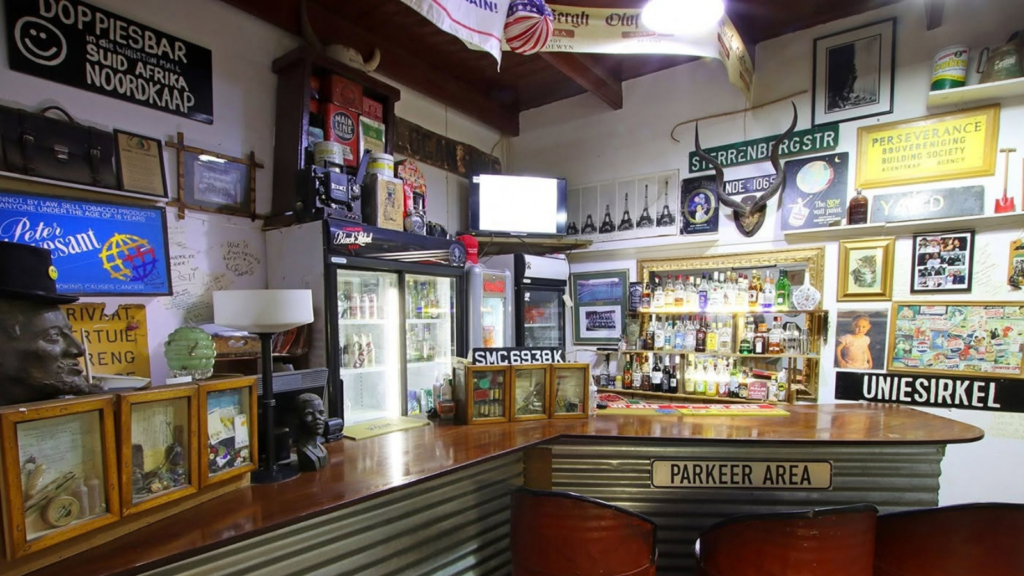
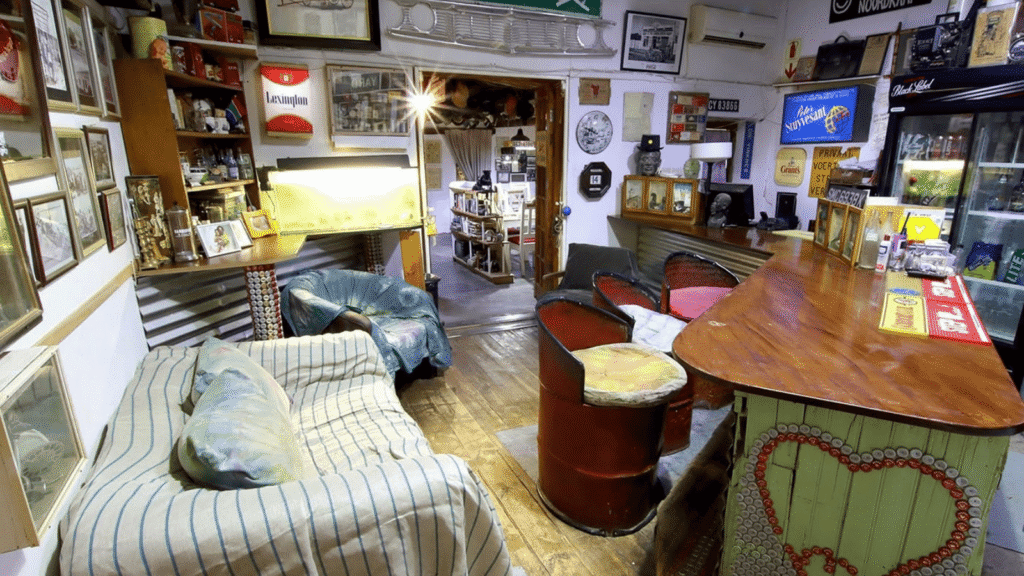
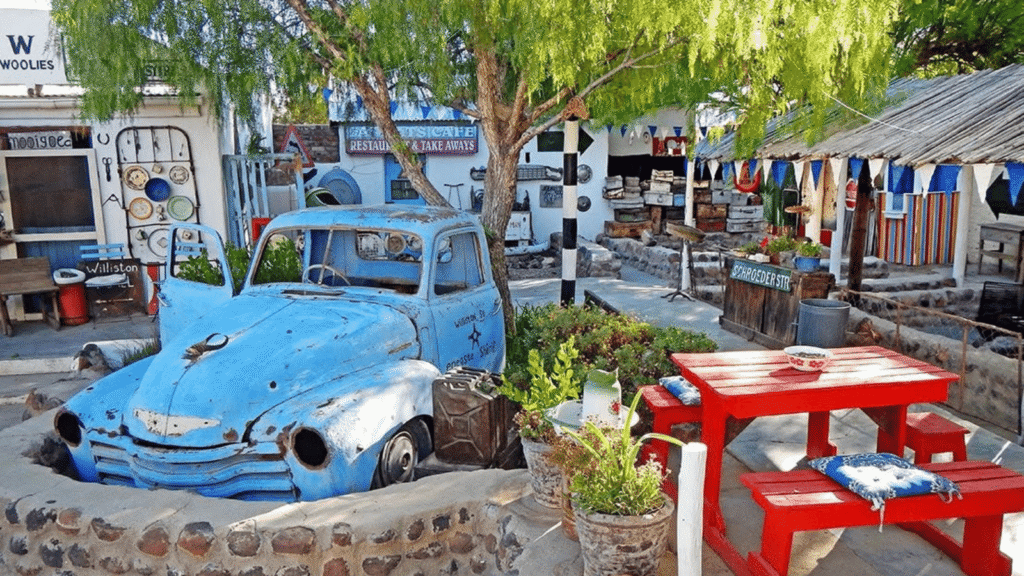
Located in the Northern Cape, the property combines accommodation, food outlets, shops and a collection of unusual displays across its courtyard.
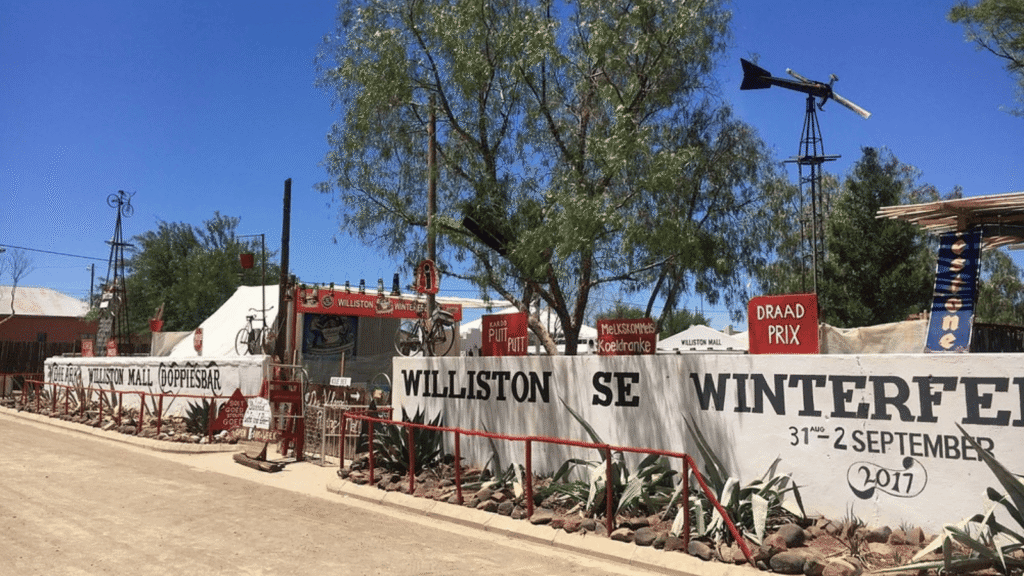
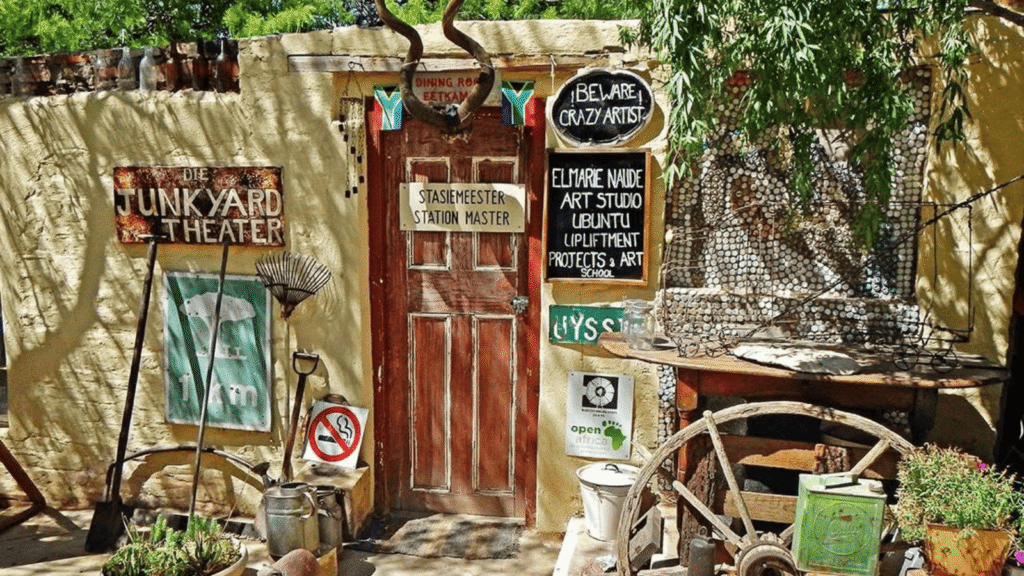
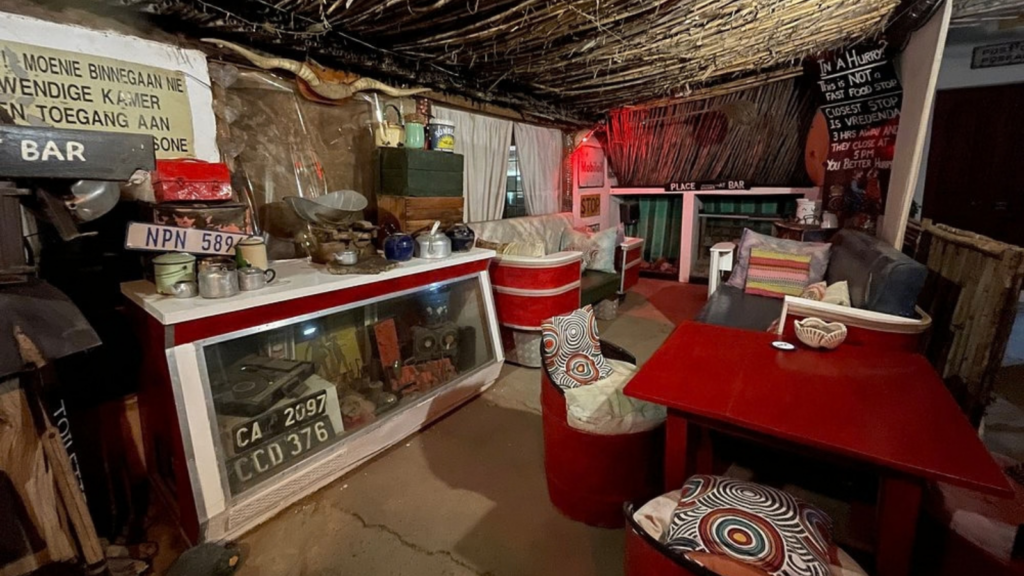
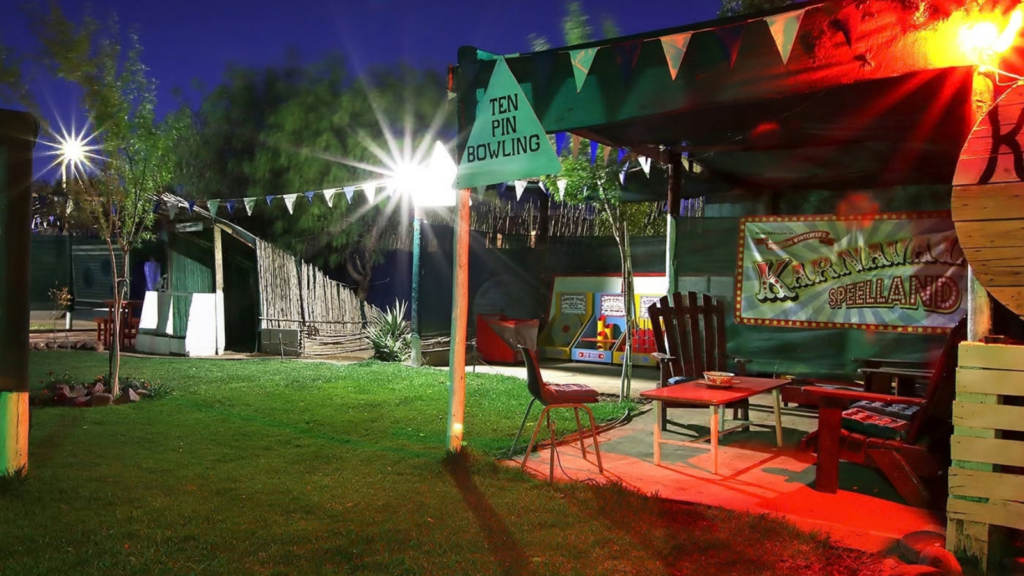
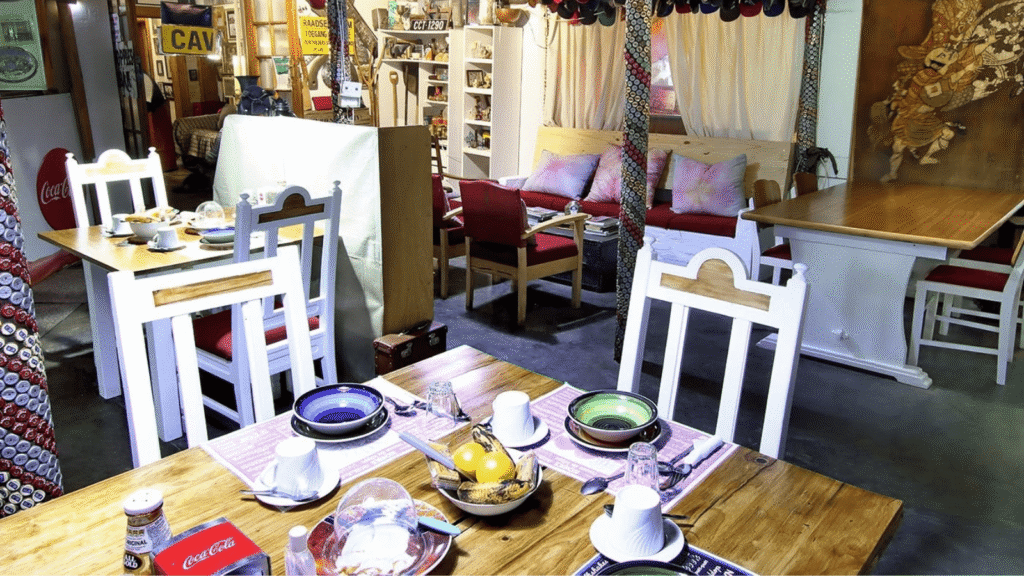
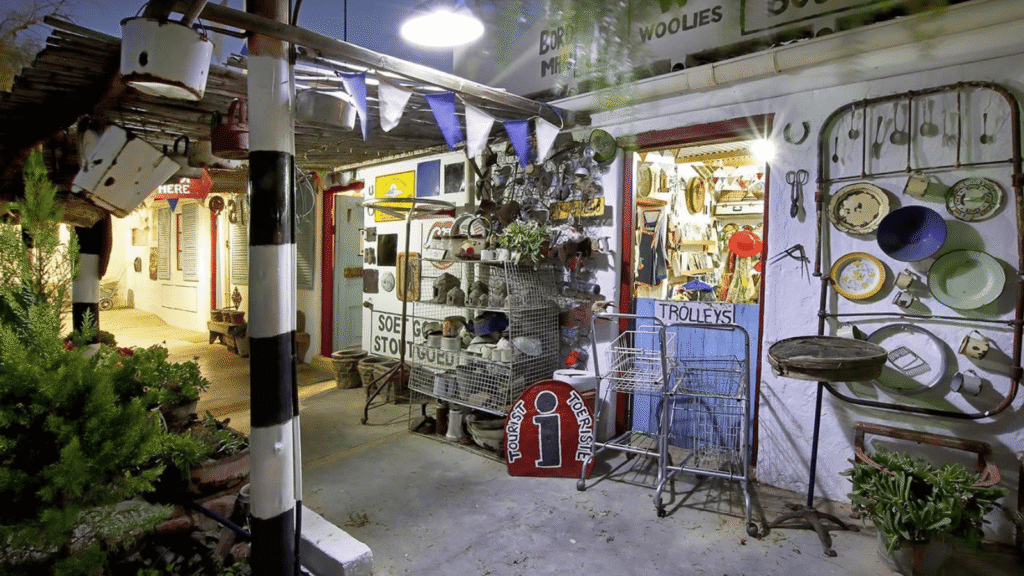
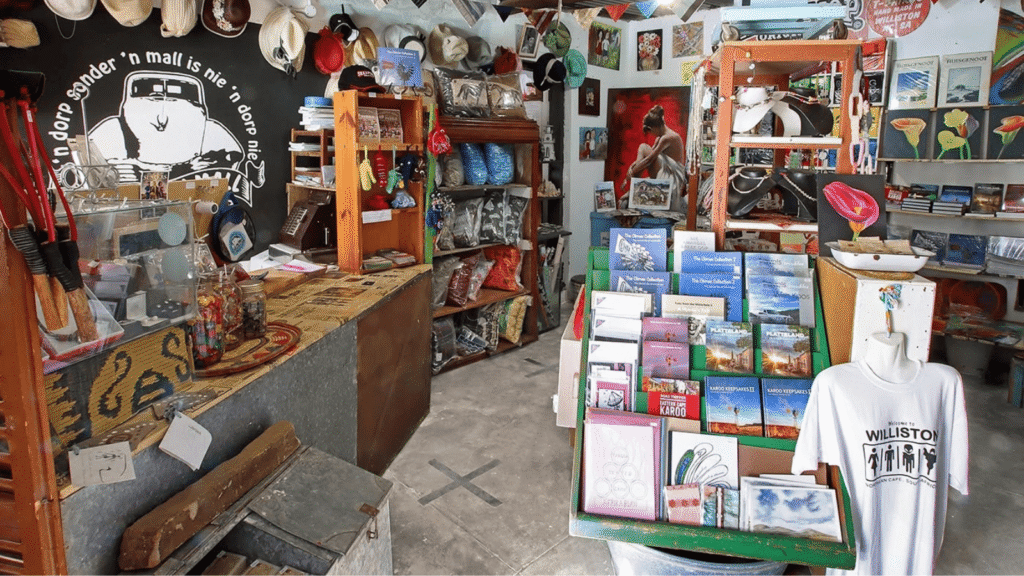
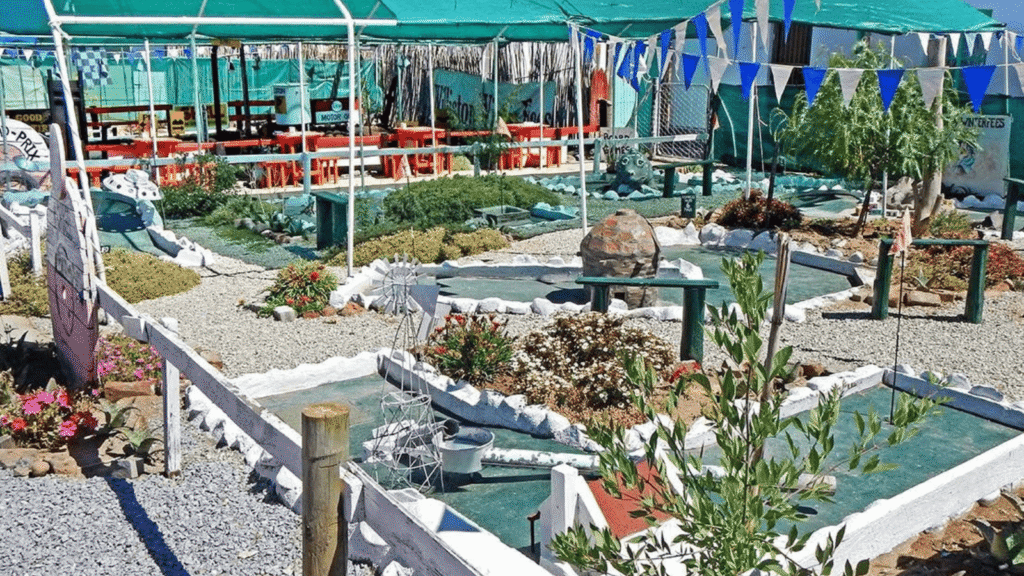
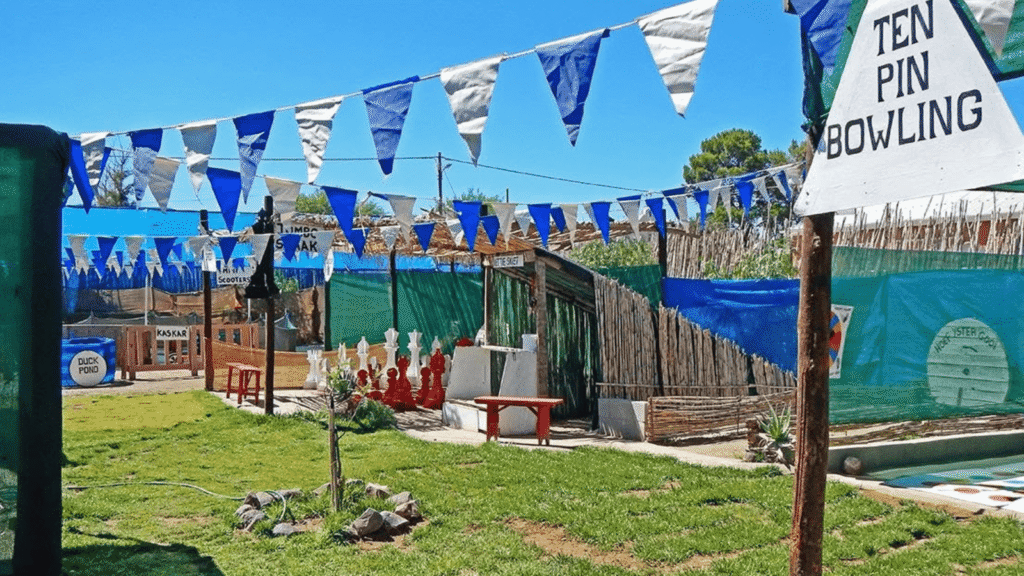
The shopping complex includes a coffee shop, a restaurant, takeaway stalls, a succulent nursery, and a children’s play area. It also houses the Junkyard Theatre, which has a small stage used for performances.
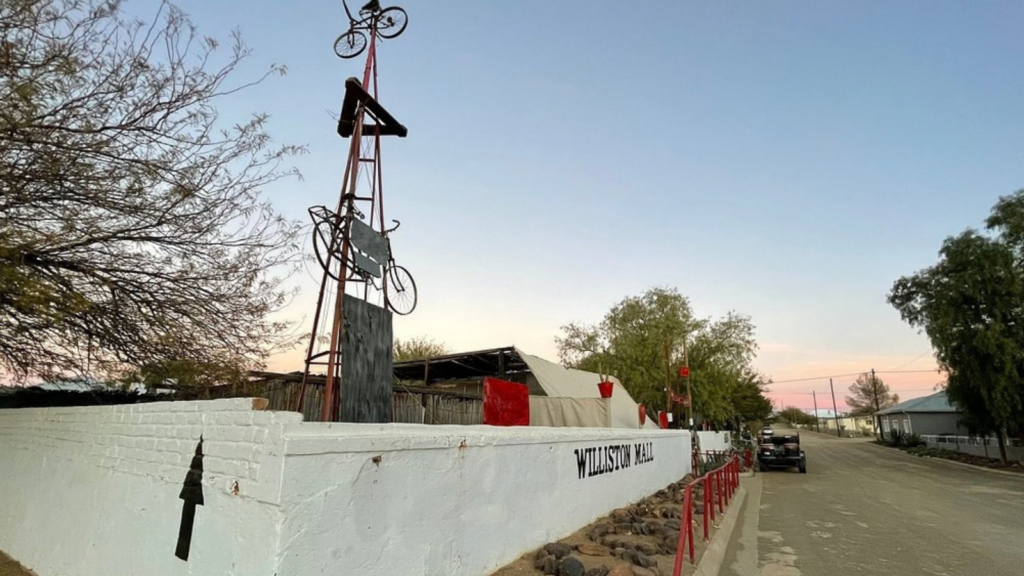
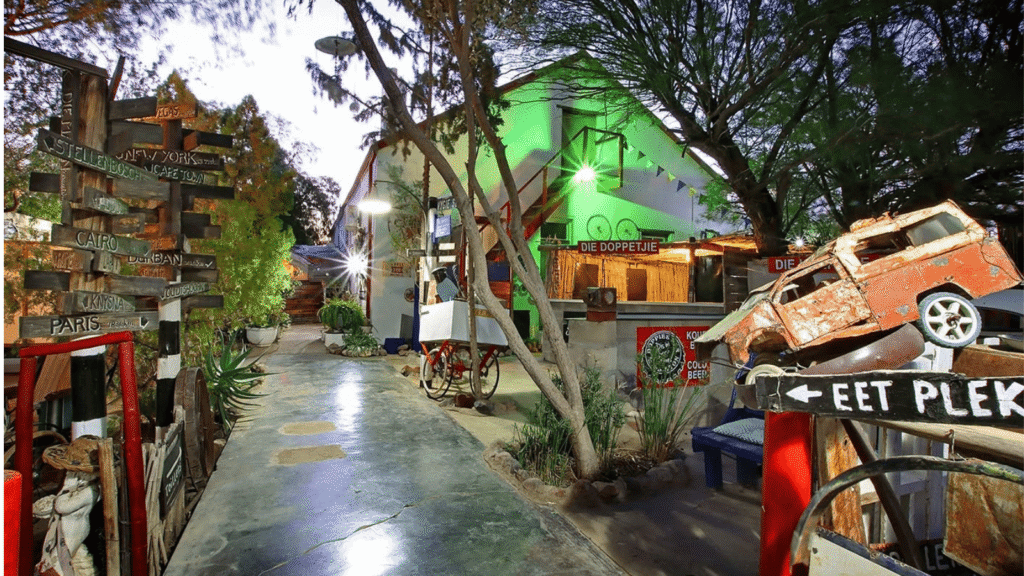
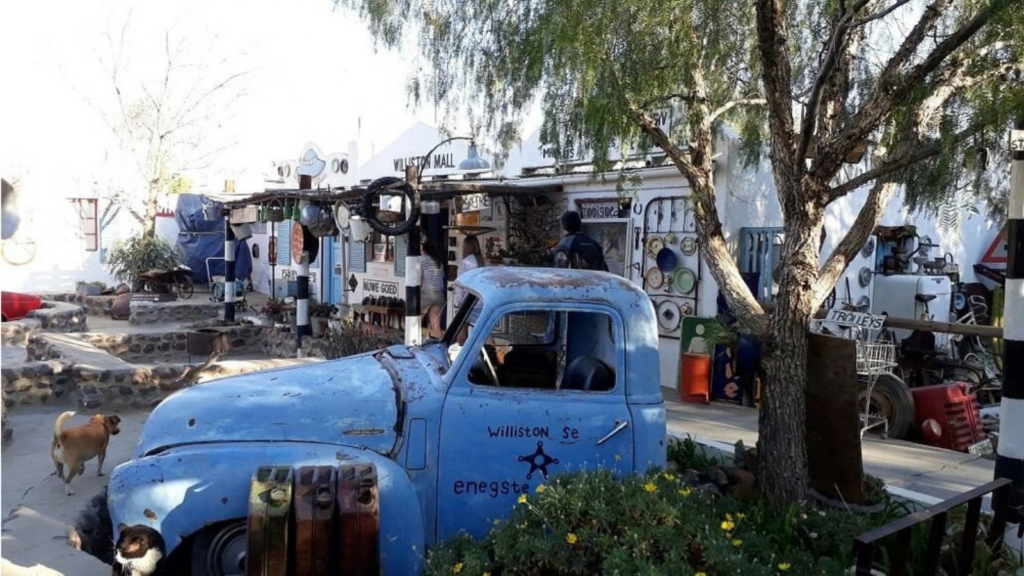
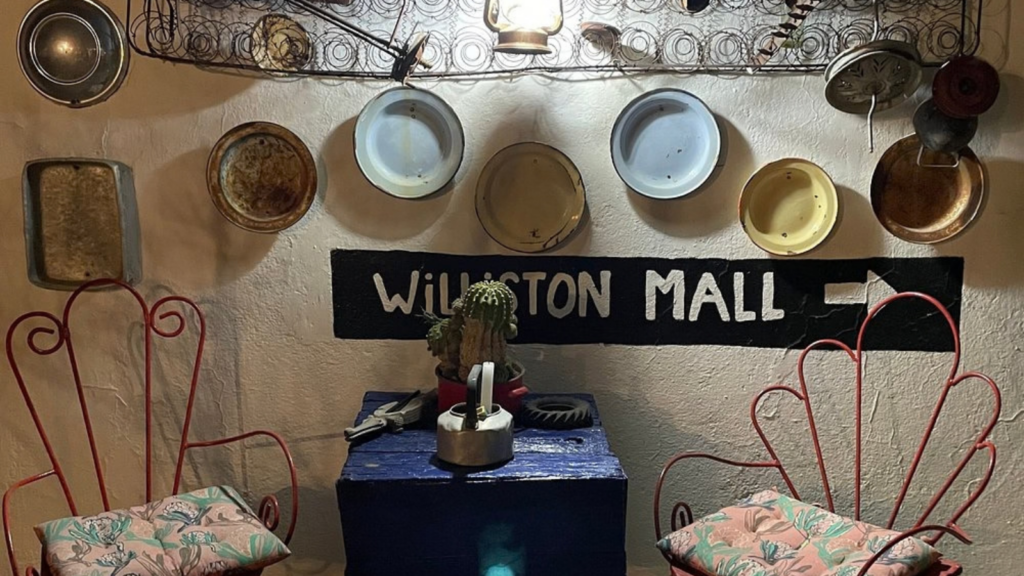
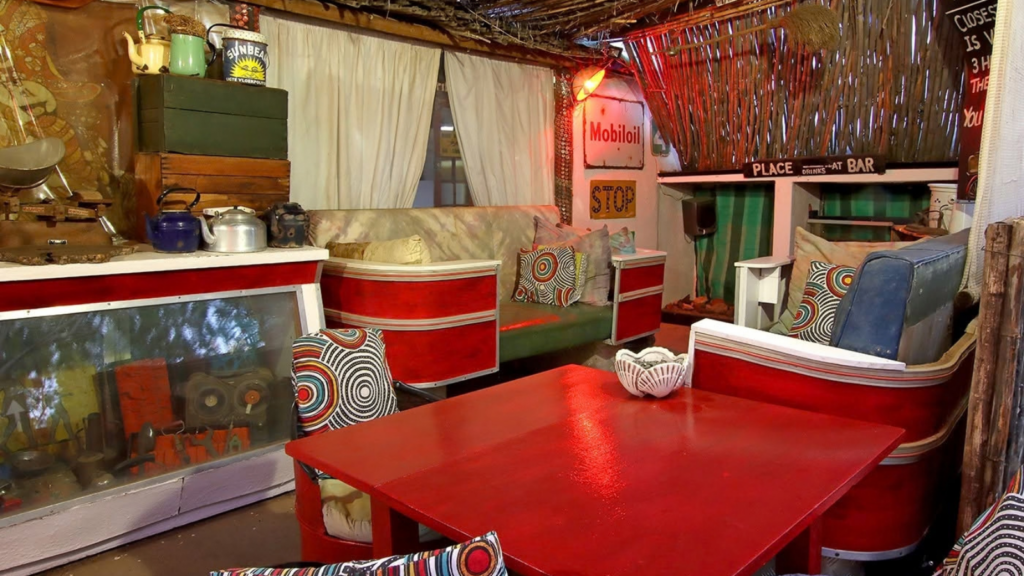
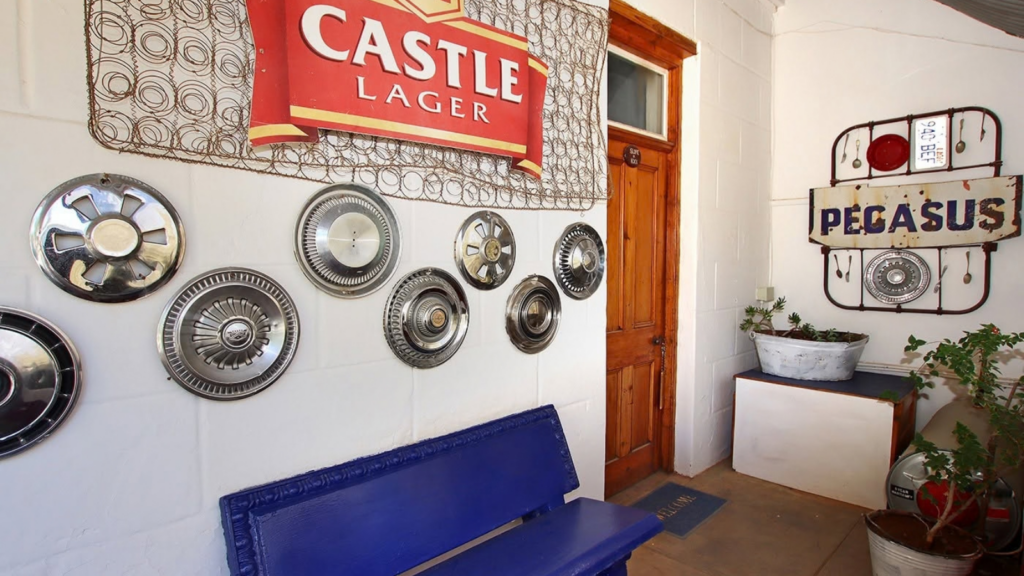
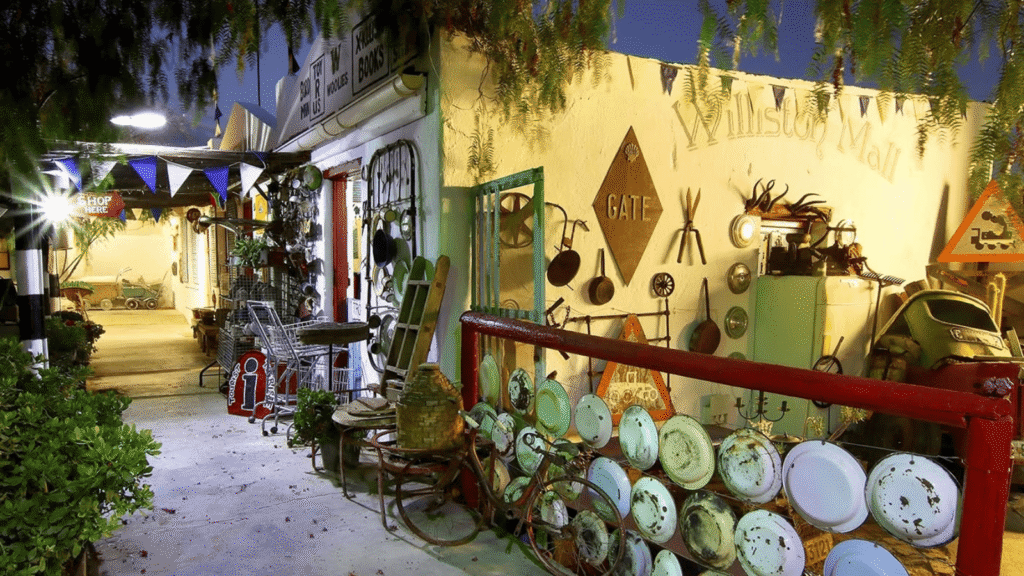
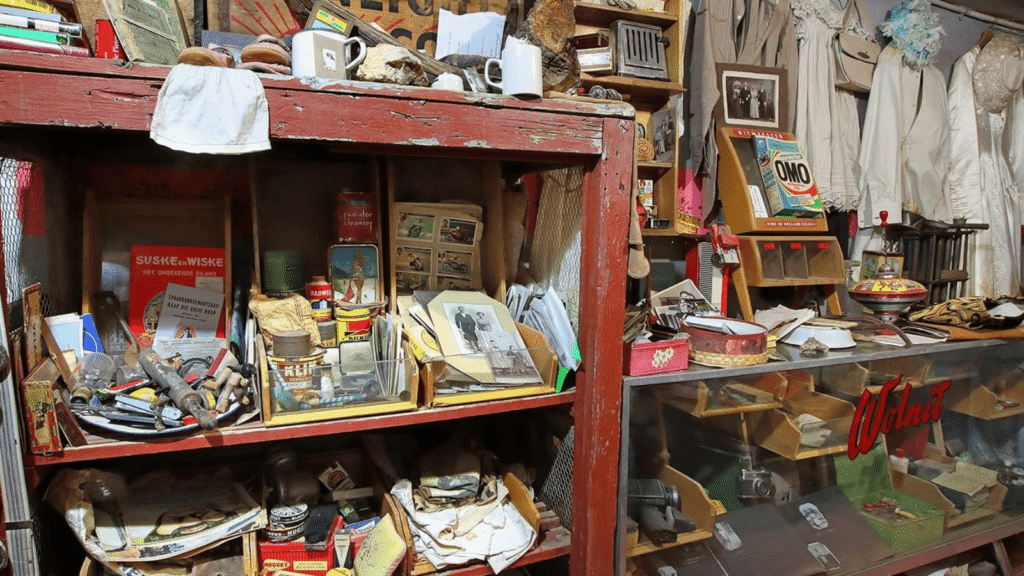
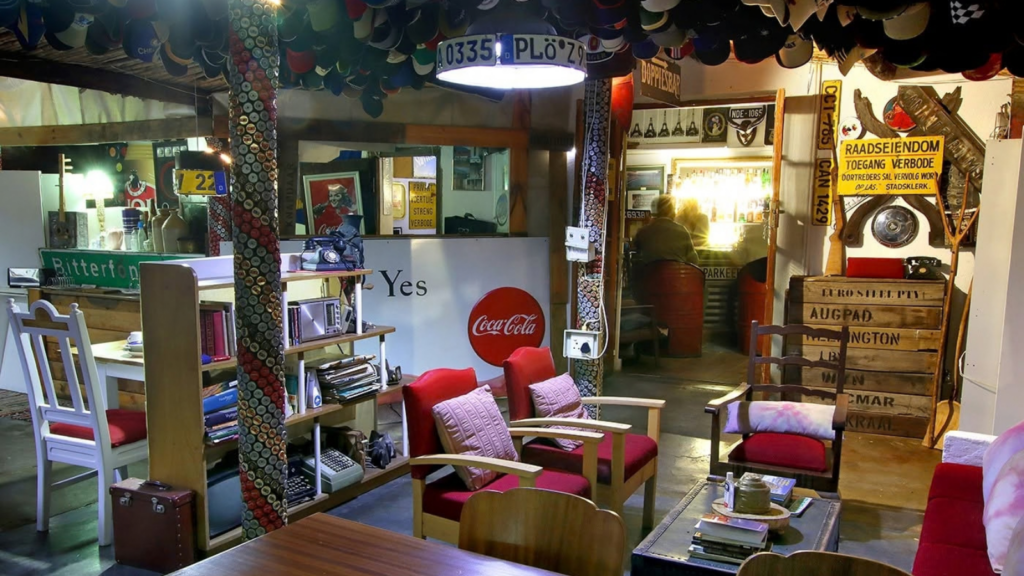
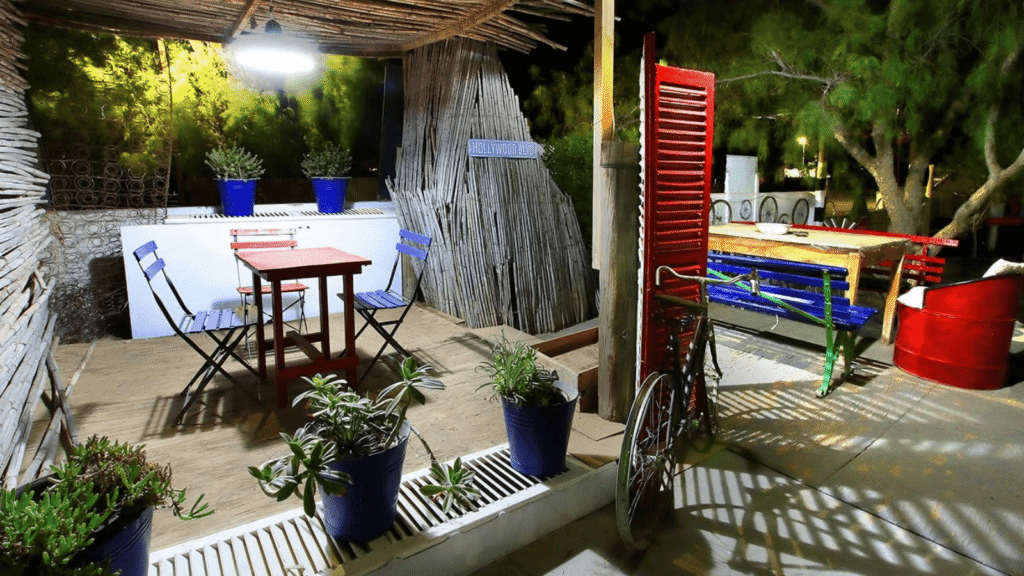
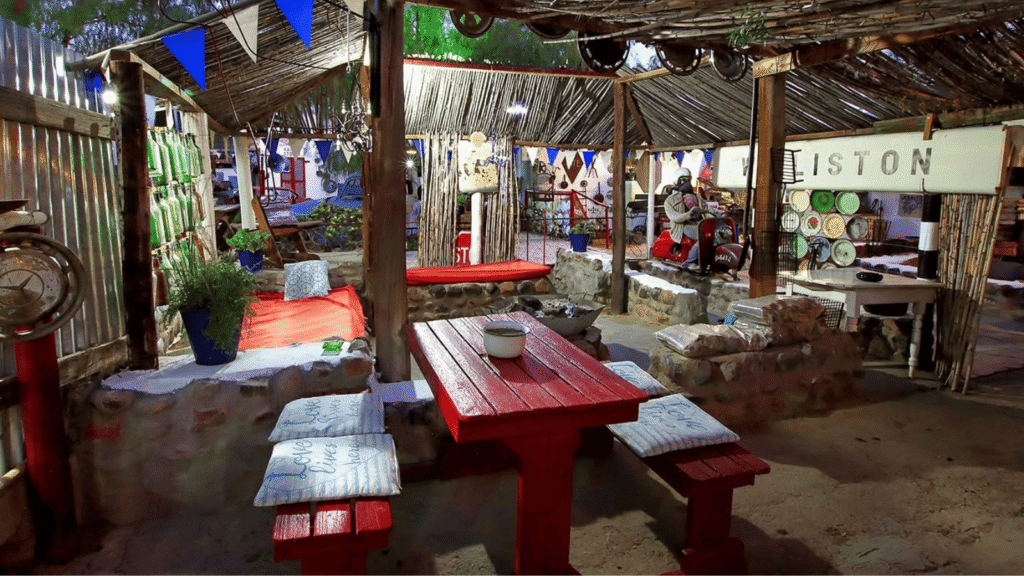
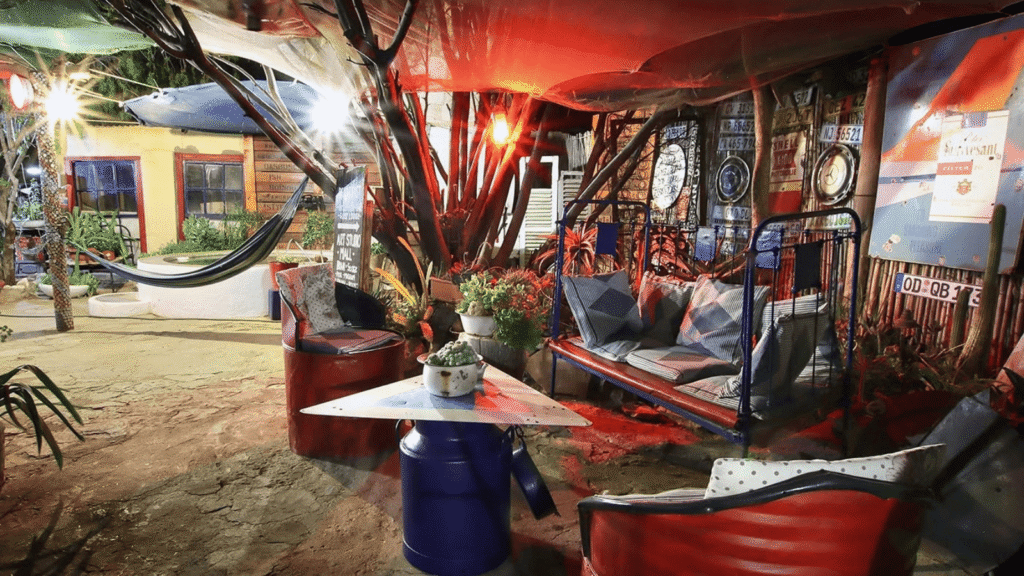
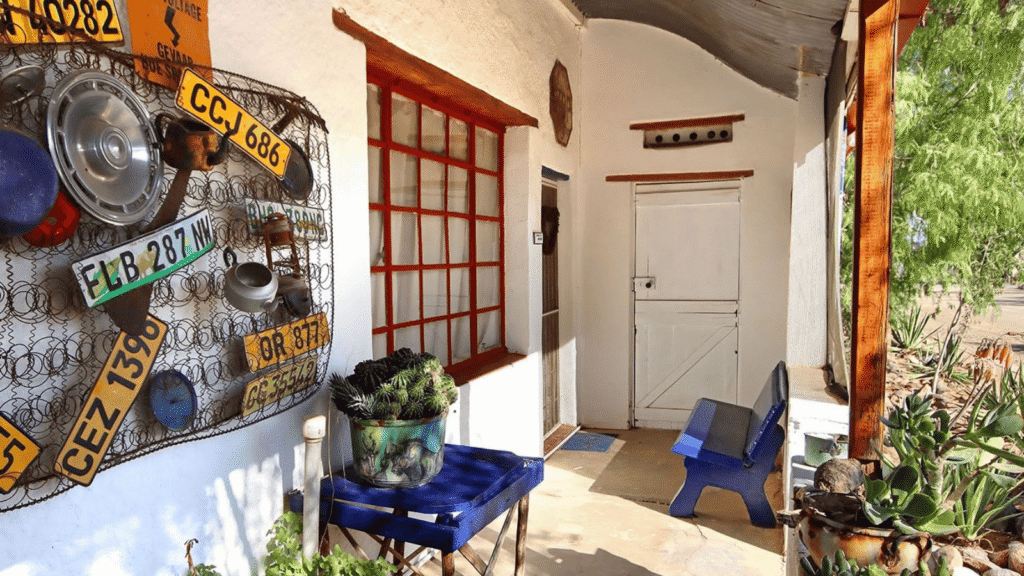
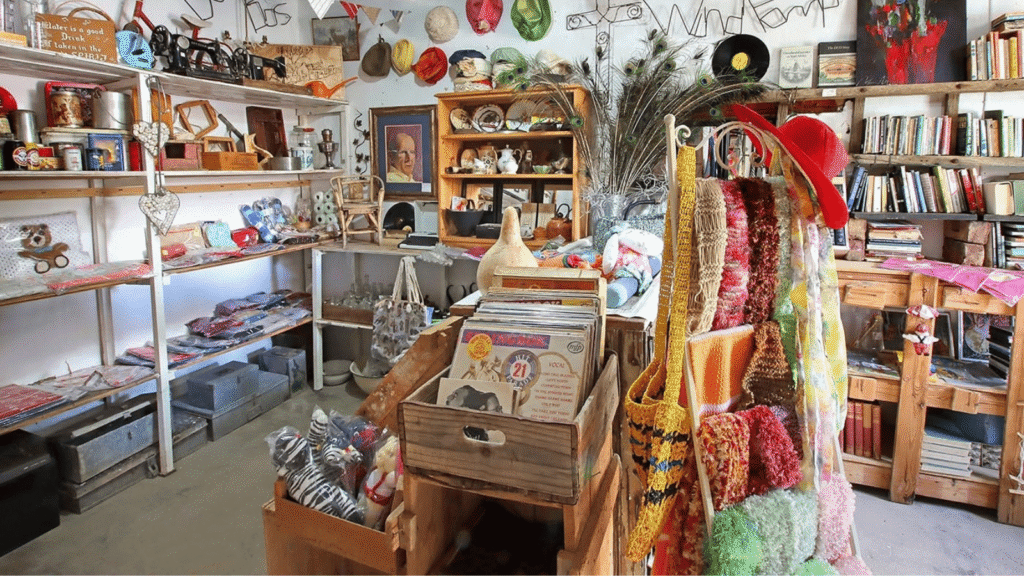
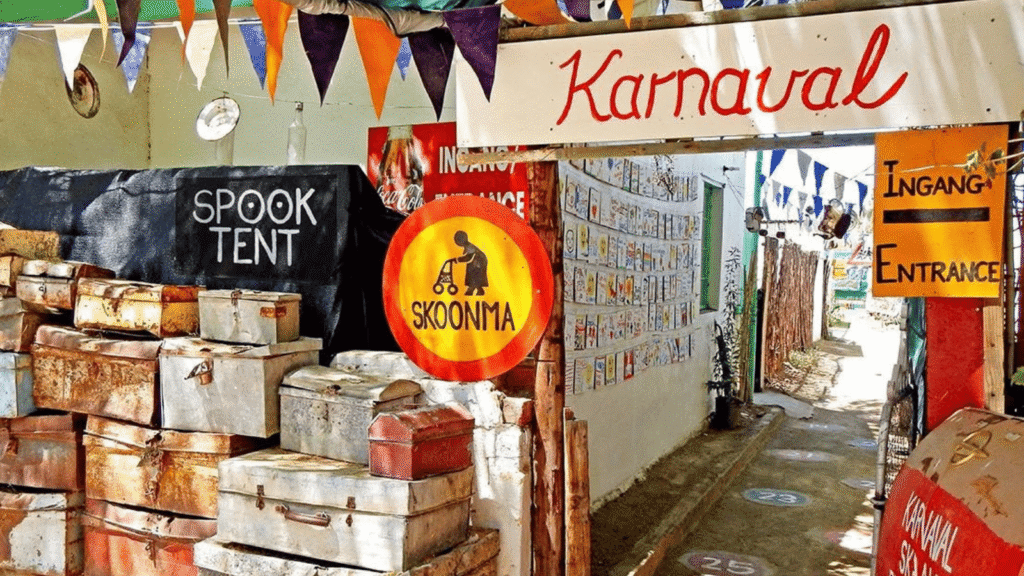
Its walls and courtyard are decorated with an assortment of old household items, rusted bicycles, radiator grilles, hubcaps, tin advertising signs, kettles and pots.
Other displays include old number plates, bottle tops and unusual sculptures. One of the more distinctive decorations is a red Jaguar E-Type embedded in the ground.
There are also several signs around the property, including a distance marker that lists destinations such as Berlin and Pofadder, and even the moon.
Visitors can stop for food and drinks at the on-site restaurant and coffee shop, which serves items such as cappuccinos, breakfast and traditional Karoo-style meals.
The accommodation is known as Ark Guesthouse, or Ark Gastehuis, and occupies a building originally constructed in 1905 as a boarding school for girls.
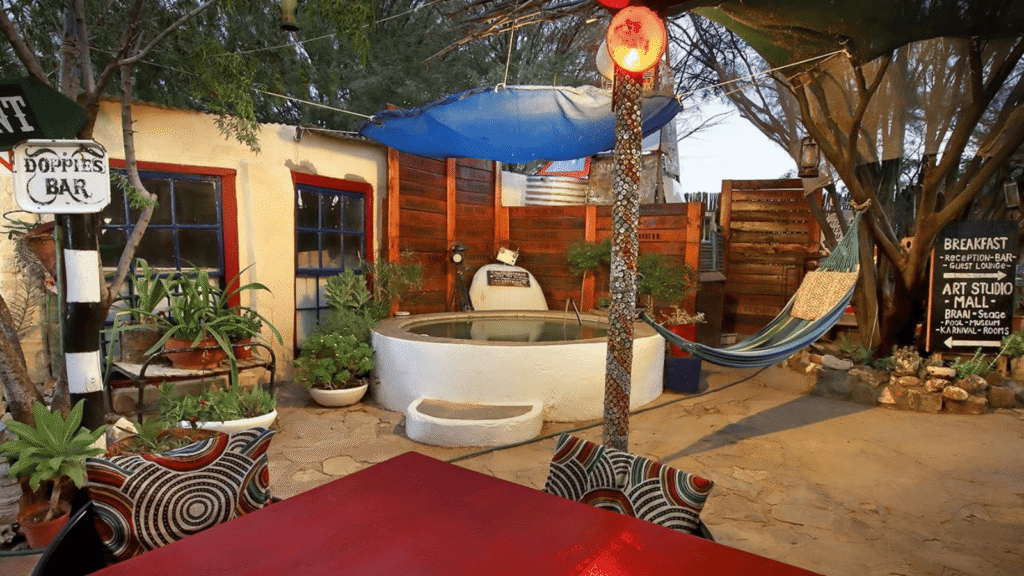
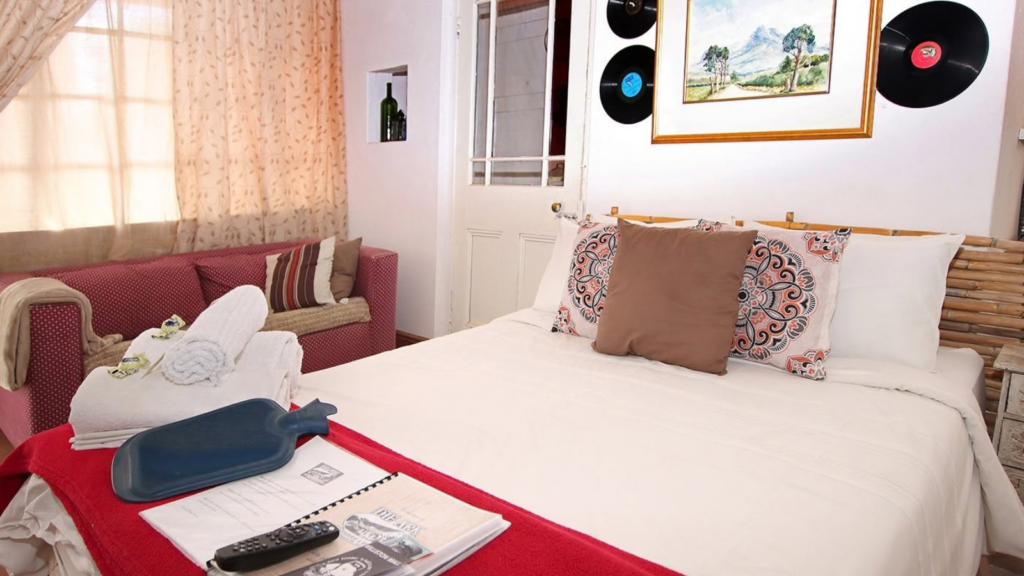
The property has since been converted into a guesthouse, with the owners using art, old objects and rustic décor throughout the building and grounds. It has eight individually styled rooms, which cost R1,000 to R2,000 per night.
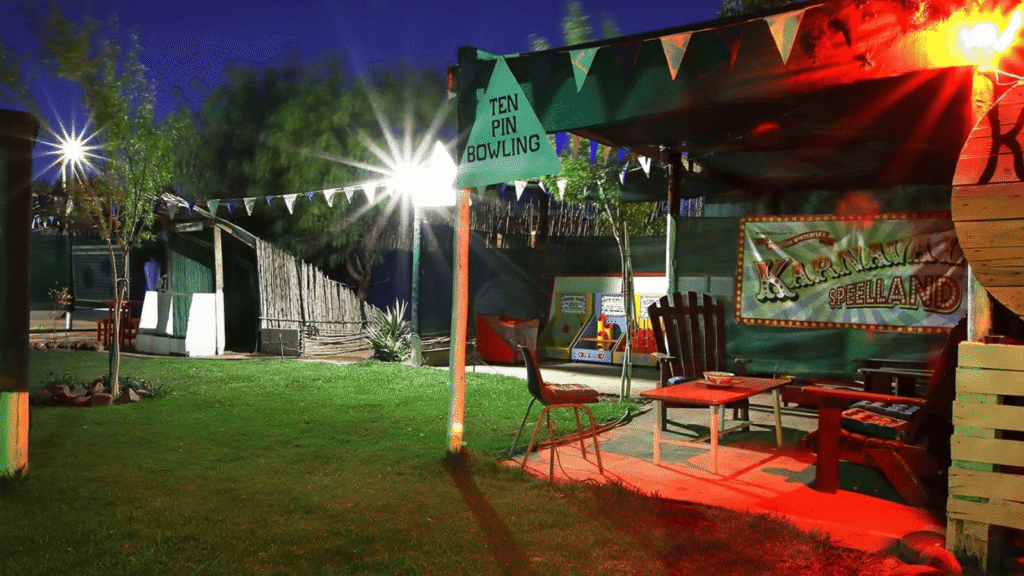
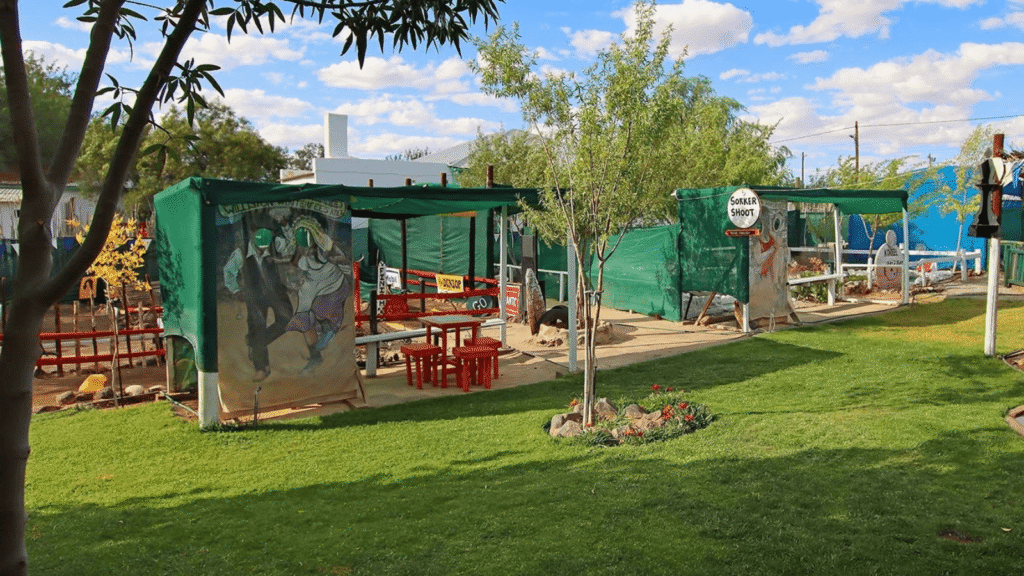
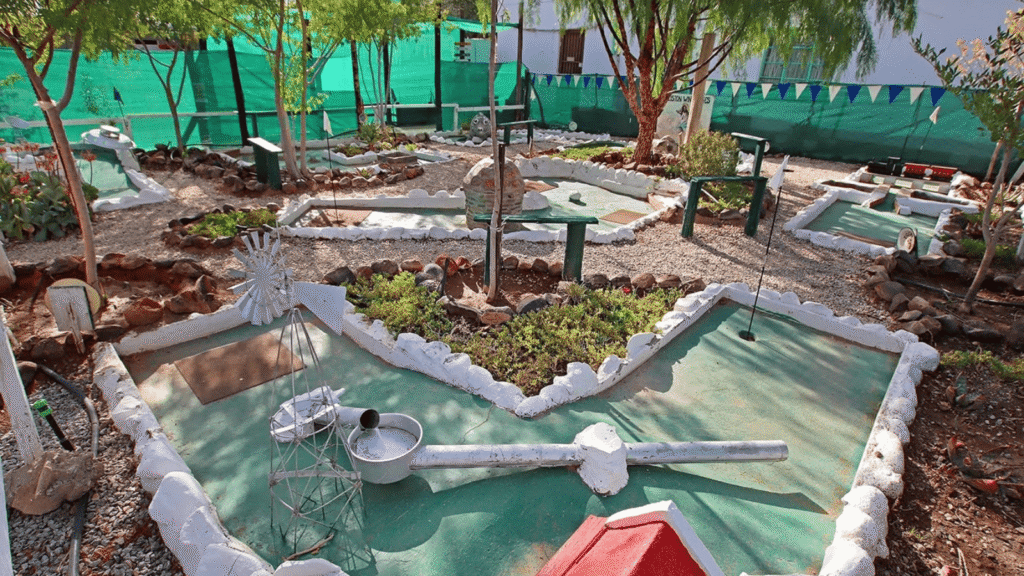
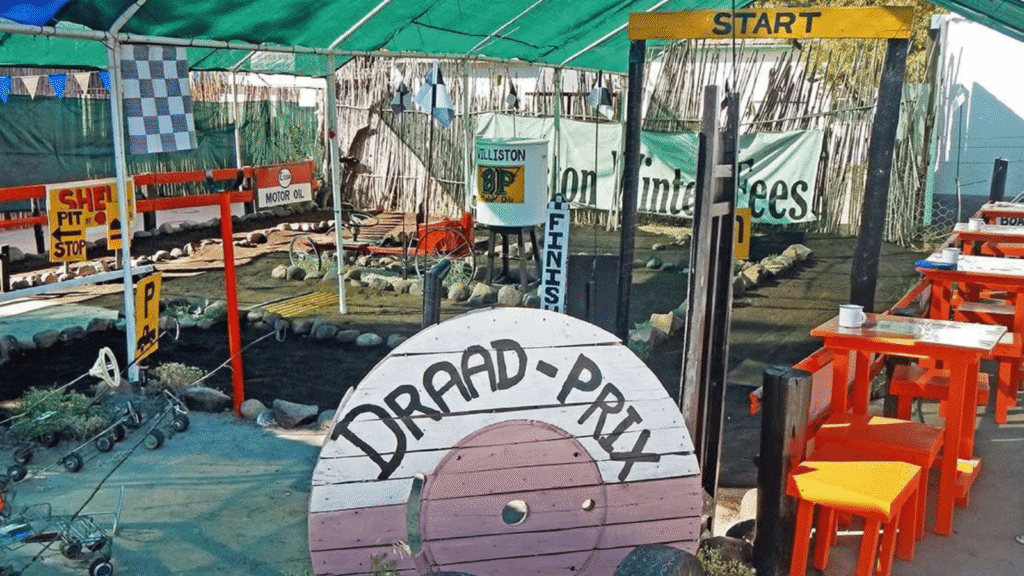
Facilities include a small communal splash pool, a lounge with board games, books and puzzles, and a braai area. The grounds also contain a craft shop, old keepsakes and a carnival-style games area.
Williston
Williston lies in the Upper Karoo, near the Sak River in the Northern Cape. The surrounding district covers more than 13,000km², with Karakul and Merino sheep farming forming the backbone of its agricultural economy.
The town’s history dates back to 1768, when Johan Abraham Nel settled with his family near a spring along the Sak River.
He planted an almond tree to mark the birth of his son. The tree became a landmark in the dry, largely treeless landscape, and the settlement later became known as Amandelboom, meaning almond tree in Afrikaans.
In 1845, Swiss missionary Johann Heinrich Lutz established a Rhenish mission station at the site.
The town eventually took the name Williston in honour of Colonel Hampden Willis, the Cape Colony’s Colonial Secretary. It became a municipality in 1881 and an official district in 1926.
The town is also home to several iconic pieces of architecture, including its sandstone Dutch Reformed Church, which was completed in 1912. This is one of the few dressed-stone churches remaining in South Africa.
The building reportedly cost £8,000 to construct, with materials transported by donkey cart from Matjiesfontein via Sutherland. The earlier Rhenish mission church, consecrated in 1857, is another historical landmark.
The wider district is also known for its corbelled houses, an early architectural style in the north-western Karoo.
Built entirely from local stone, these structures have distinctive domed roofs formed by stacking flat stones in overlapping layers.
Williston also has a Tombstone Route, which showcases sandstone gravestones carved into intricate works of folk art.
The town’s other attractions include an Anglo-Boer War blockhouse and the Singing Hills, where choirs once gathered to sing spiritual songs that echoed across the surrounding landscape.
Photos of the Ark Guesthouse and Williston Mall





Comments