Changes for South Africans house hunting on websites like Property24 and Just Property



Technology is changing how South Africans interact with online property websites as agencies increasingly use interactive tools to help buyers visualise homes before they visit them.
In previous years, buyers looking for homes online would have to use a combination of poor-quality photos and their imagination to determine whether a property was worth viewing.
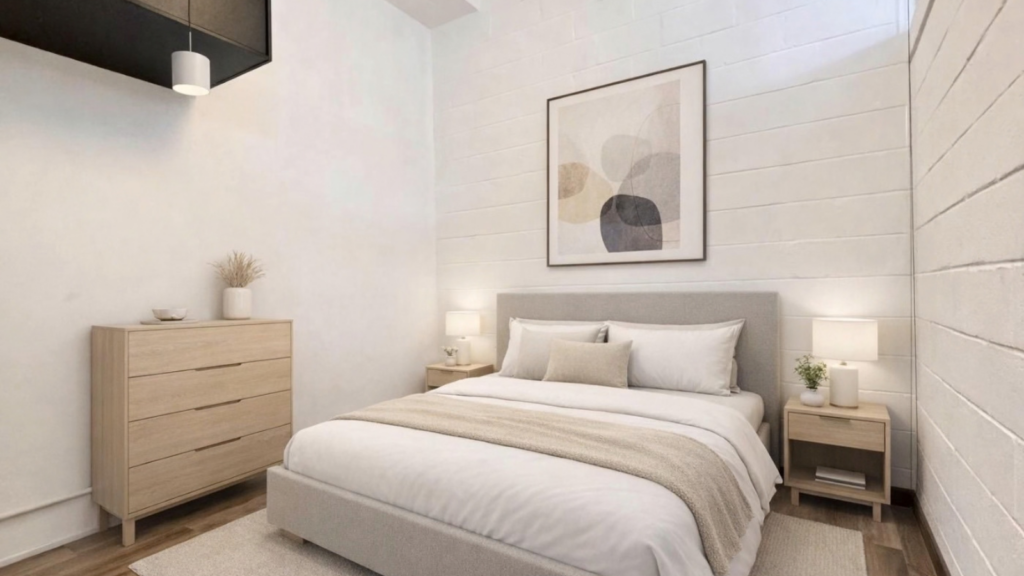
While this is still happening today, agencies are increasingly using AI technology to artificially furnish, decorate or even completely remodel photos of listed properties.
This makes it easier for shoppers to envision what the property could look like if they choose to proceed with the purchase.
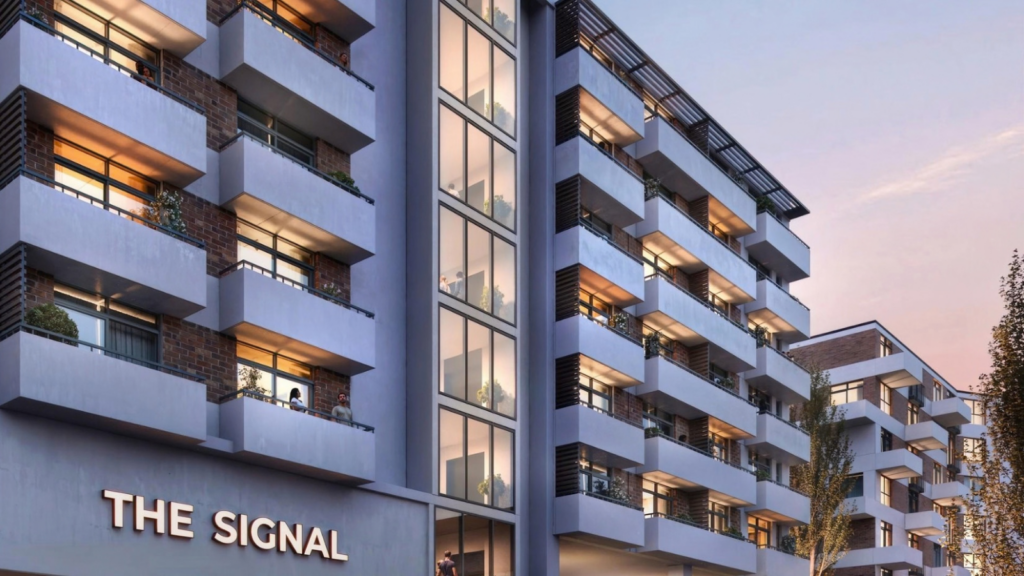
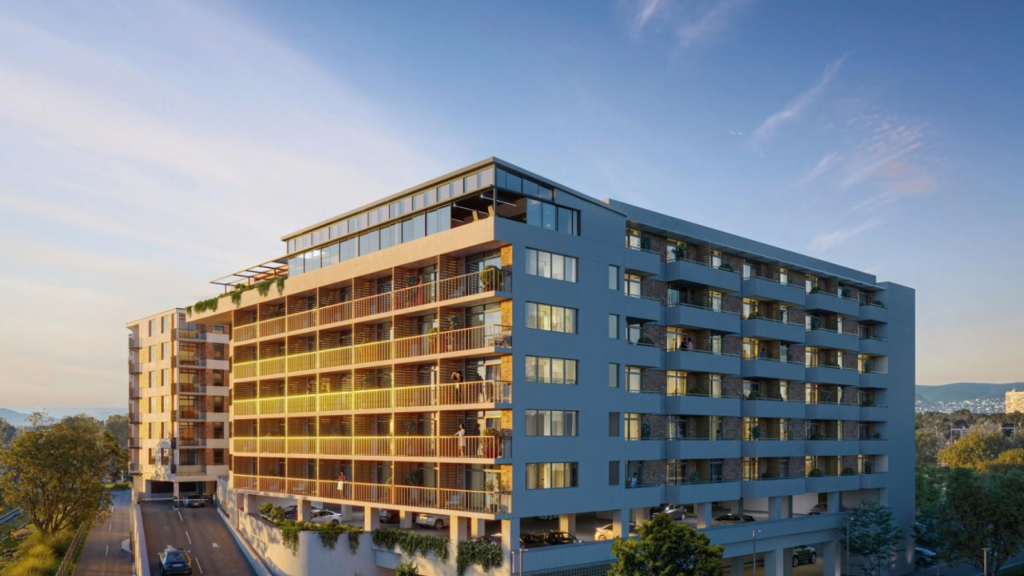
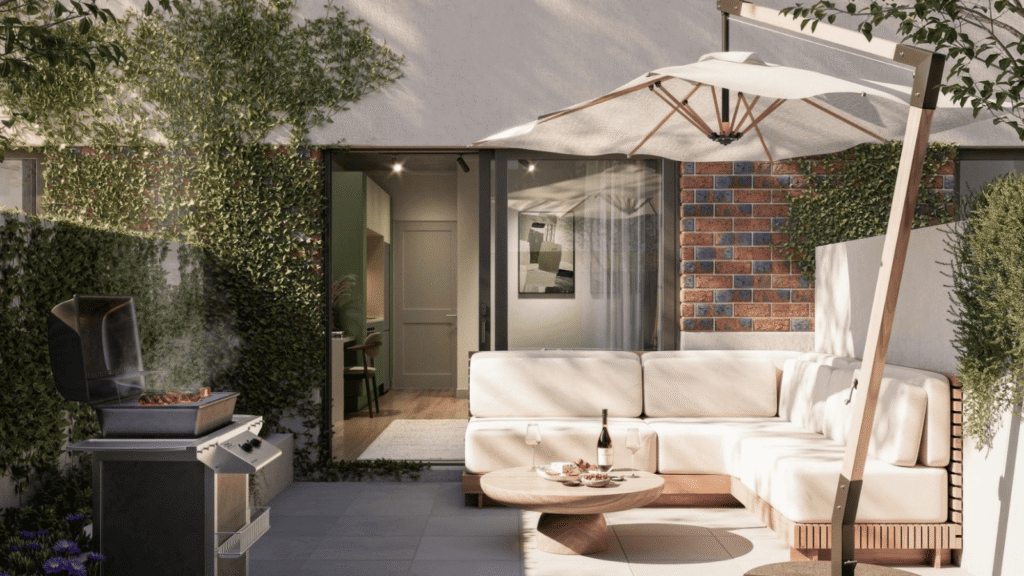
This trend even extends to properties which haven’t been completed. Previous renderings of property developments were rough and undetailed.
But modern technology means that renderings today are nearly photo-realistic and give potential buyers a very clear, if not idealised, image of what the property will look like once completed.
The growth of this type of marketing is especially important today, where more than 70% of initial property searches in South Africa start online.
According to FNB’s latest residential property and consumer insights, the new generation spends up to 70% more time online than its predecessors.
Reports by Meltwater and We Are Social show that South Africans spend an average of 9.5 hours online per day, placing the country near the top of global screen-time rankings. Most of that activity occurs on mobile devices.
“While buyers generally spend just 20 to 25 minutes on a physical walk-through before deciding whether or not to make an offer, their online searches are far lengthier,” explained Just Property CEO Paul Stevens.
Those younger than 35 now account for 69% of all first-time bond approvals in South Africa. Since this group has grown up in the digital interactivity environment, he said it makes sense that these tools are now a critical part of home shopping.
At the same time, upfront deposits now average from R150,000 for first-time buyers and R285,000 across the broader market.
As a result, buyers are increasingly cautious when buying homes. This is especially true if, for example, the property in question requires unbudgeted cosmetic upgrades, since the cost of making alterations can be daunting.
“This creates what’s often referred to as ‘renovation hesitation’ – where prospective buyers pass on homes with incredible potential because they can’t see past dated paint, tired floors, and old fixtures.”
“Interactive tools allow them to test their own colour combinations, superimpose finishes, and work out budgets before making an appointment to view the property in person.”
Artificially renovated homes
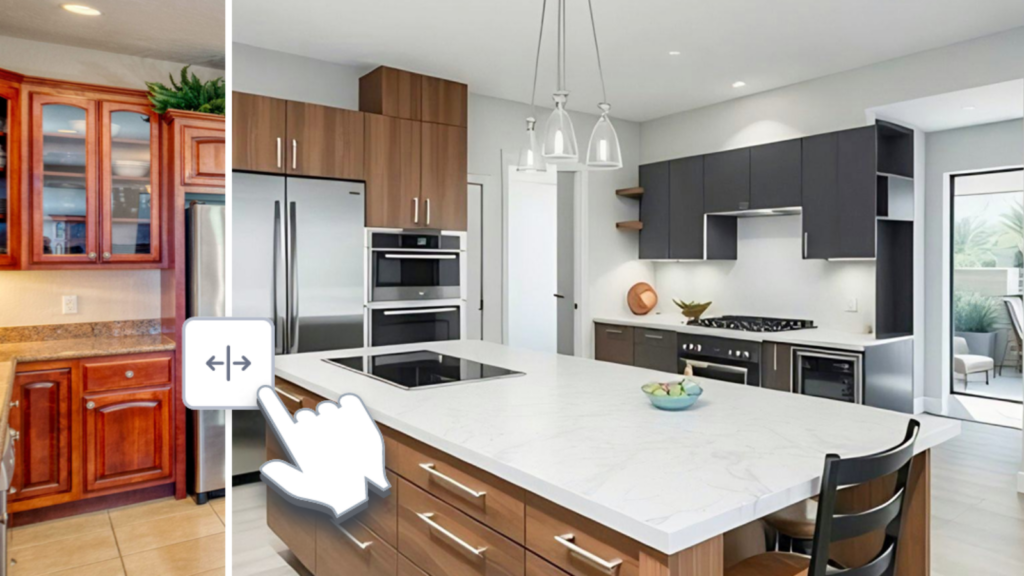
Against this landscape, more agencies are rethinking how they list homes for sale, with many already using AI technologies or likely to do so in the near future.
For example, Just Property has partnered with Roomvo, an international AI-driven visualisation platform that already operates in more than 150 countries.
“Roomvo uses augmented reality (AR) technology that allows users to compare custom finishes against the original photo in seconds,” Stevens explained.
“Unlike basic virtual staging that drops generic digital furniture and countertops into a photo, Roomvo uses actual products that they can buy in South Africa.”
He said the benefits extend to sellers and landlords, too, by increasing online engagement and the time spent on listings, which in turn accelerates the viewing pipeline.
According to the FNB Residential Property Barometer, more than half of listed properties take upwards of three months to sell.
“Global e-commerce and real estate data shows that when shoppers or buyers can interactively visualise a product or space in real-time, conversion rates increase by up to five times compared to static photos,” Stevens said.
“In the context of real estate, price isn’t the only reason that a property doesn’t move quickly – appearance can be just as critical.”
Online buyer interest peaks within the first 14 days of a listing going live, and when a home doesn’t inspire during this crucial two-week window, it can quickly go stale.
“Home décor tools can move buyers from asking ‘Could I live here?’ to ‘How would I make this mine?’”
Stevens added that the goal of this new technology isn’t to replace human decision-making or physical viewings. “It’s about giving buyers the visual confidence they need to take the next step.”
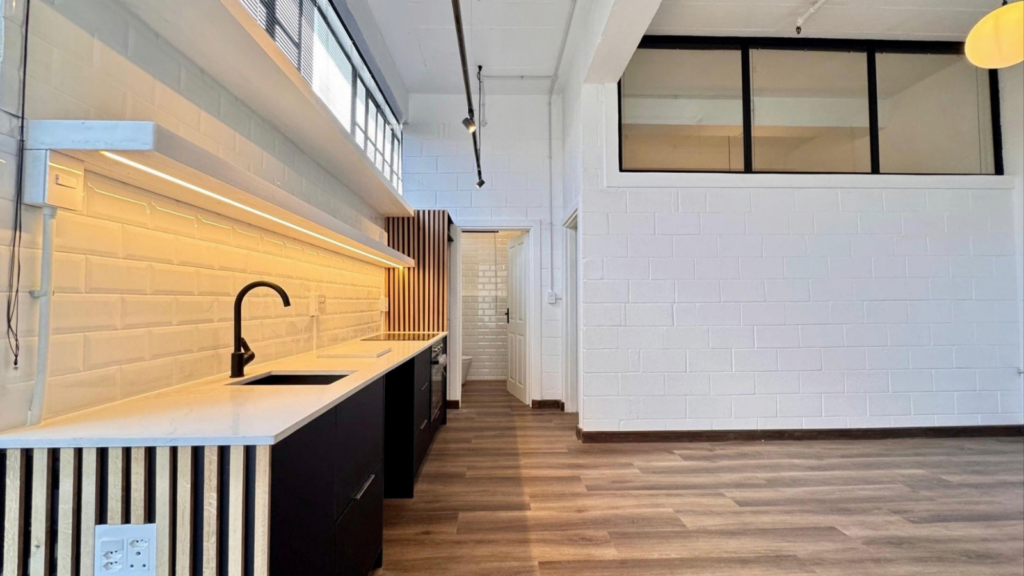
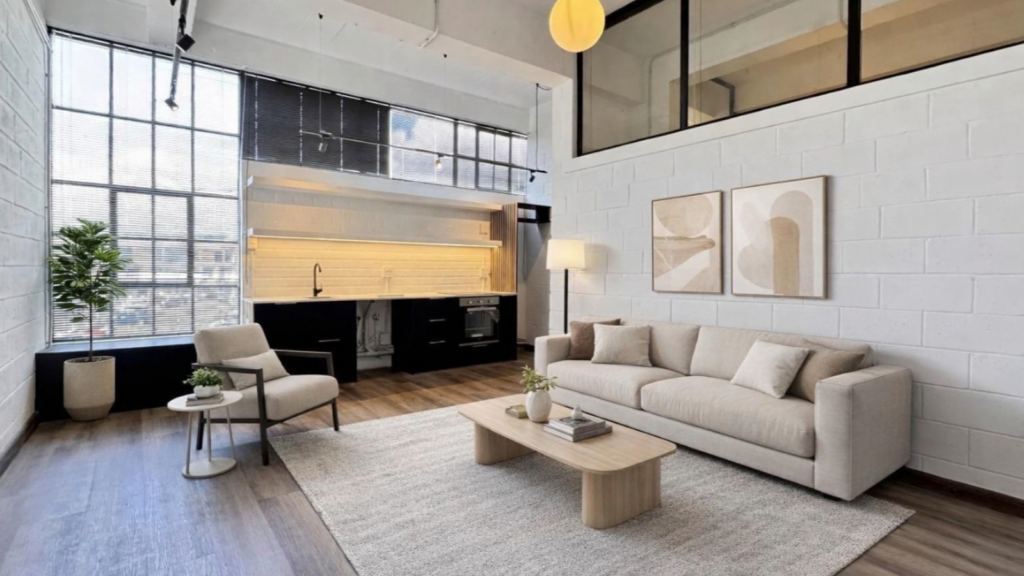
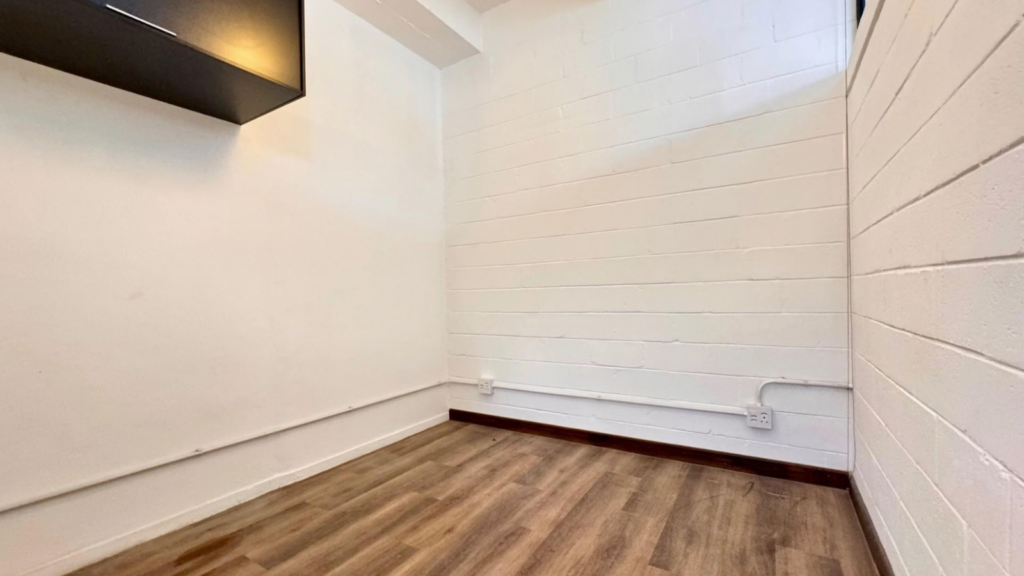
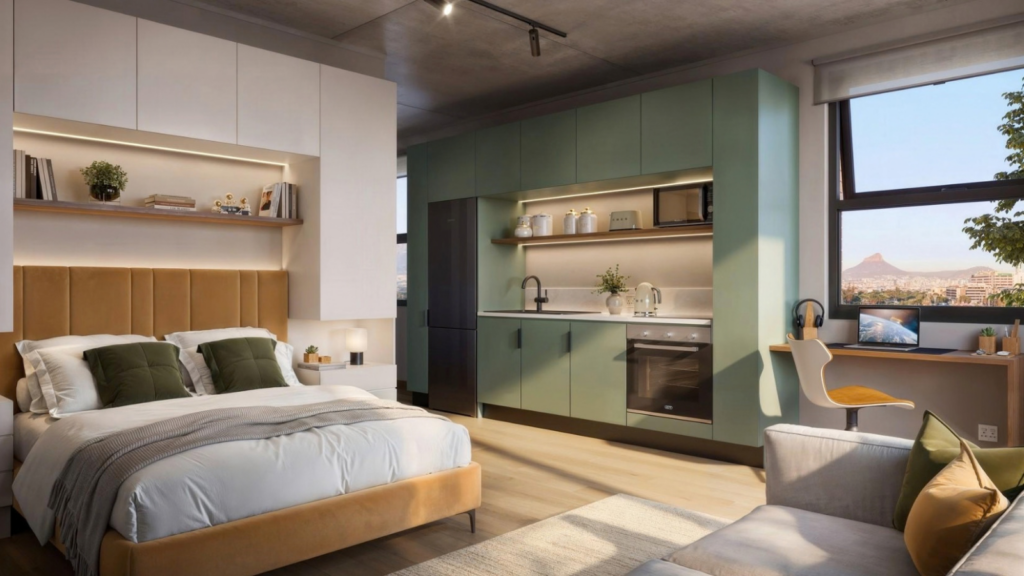
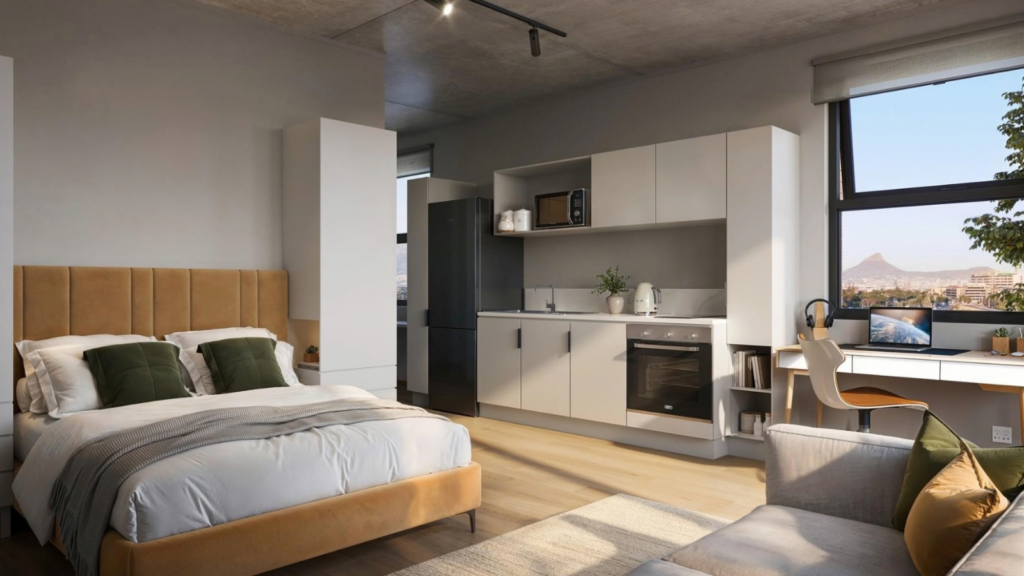
The images below show two current property listings. In the first, the property has been artificially “furnished”. The second listing shows what a property currently under development will look like once completed.
R1.75 million 1-bedroom apartment for sale in Woodstock
Residential development in Pinelands from R720,000






Comments