The worst time for a prominent South African miner in 20 years


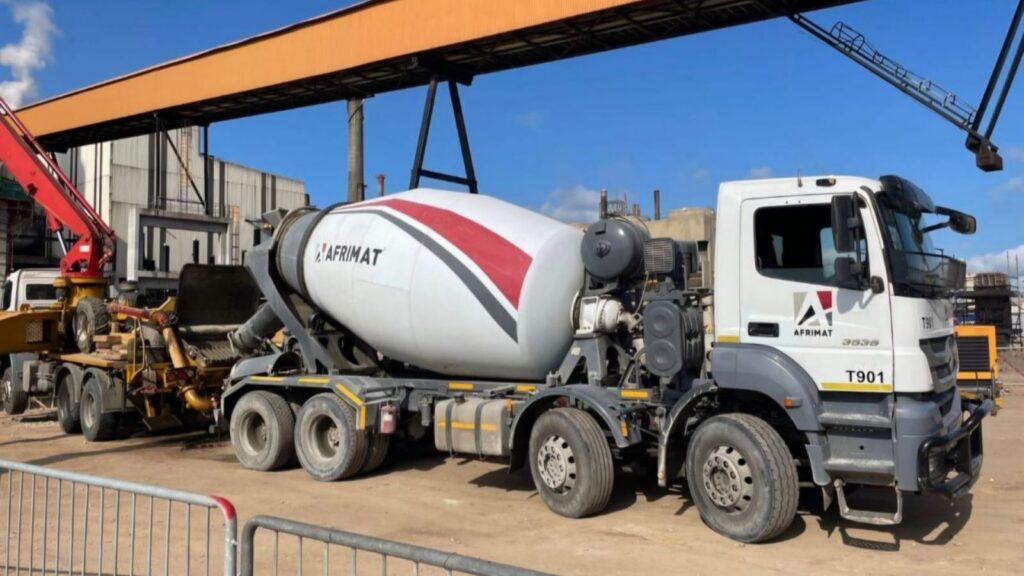
Afrimat said it is facing the most challenging trading conditions it has seen since listing on the JSE in 2006.
The group said these conditions severely affected its results for the six months through August 2026, which saw a significantly weaker financial performance.
As a multi-commodity, mid-tier mining company, Afrimat produces and supplies construction materials, cement, iron ore, anthracite, phosphate, and high-quality industrial minerals.
It was formed and listed on the JSE in 2006 through the merger of Prima Klipbrekers and Lancaster Quarries.
Following South Africa’s construction boom in 2010, the local sector experienced a downturn, which impacted companies like Afrimat.
To counter this sector downturn, the miner expanded into industrial minerals and bulk commodities, making key acquisitions to diversify its revenue streams.
This means Afrimat experienced record revenues and operating margins during the commodity supercycle of the early 2020s.
In 2024, Afrimat acquired Lafarge South Africa for R1 billion, with plans to expand its aggregates and cement operations.
However, heavy initial integration costs, plant maintenance, and Transnet-induced rail logistics bottlenecks severely compressed Afrimat’s profit margins.
In a trading update released on Wednesday, 7 October, Afrimat described the six months through August 2026 as among the most difficult it had ever faced.
“Since listing in 2006, Afrimat has never faced trading conditions as challenging as those experienced during the six months ended 31 August 2026,” it said.
The company made a similar comment in a business update released on 25 August 2026, wherein it also bemoaned the local operating environment.
In its latest update, Afrimat said it expected its earnings per share for the six-month period to decline by between 95% and 100%, narrowly avoiding a loss.
However, the group expects its headline earnings per share to swing to a loss of between 60 and 55 cents per share.
Afrimat attributed its struggles largely to its iron ore division, the primary driver of the group’s decline in profitability.
It explained that its export revenue was adversely affected by a stronger rand and significantly higher shipping costs due to the war in Iran.
“Domestic iron ore was adversely affected in Q1 as a domestic customer drew on non-Afrimat stockpiles it had secured previously, leading to lower and irregular sales volumes,” the miner added.
“Similarly, the temporary shutdown of ferrochrome smelters reduced anthracite demand, resulting in low sales volumes.”
“Volume trends in domestic iron ore began to recover in Q2. However, domestic iron ore volumes remained 36.5% below the comparative period.”
Its cement operations have also continued to struggle, despite heavy investment in strengthening its engineering and management capacity over the period.
In contrast, one positive in the trading update was Afrimat’s aggregates and fly ash operations, which performed strongly.
The group said ongoing efficiency drives, effective marketing, strong client retention, and sound operational performance delivered margin expansion and strong operating profit growth.
Afrimat will release its interim financial results for the six months ended 31 August 2026 on 22 October.






Comments