South Africa watches R41 billion disappear into thin air every year


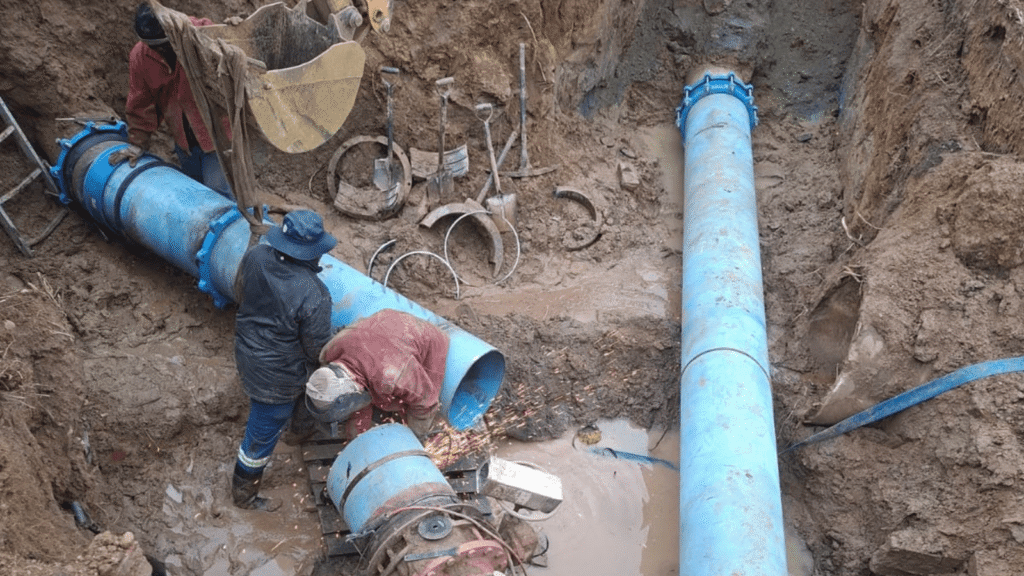
South Africa is losing more than R41 billion in water and electricity every year due to municipal losses, theft, faulty infrastructure, and other inefficiencies.
Around R26 billion worth of treated water is lost annually, while electricity distribution losses in major metros cost municipalities more than R15 billion a year.
The figures were released by the National Treasury in March 2026 and show the scale of the financial pressure facing the country’s municipalities.
South African consumers owe municipalities R467.2 billion in unpaid utility bills. Households account for 72%, or R335.3 billion, of the total municipal consumer debt. Commercial users owe a further R94.7 billion.
Much of the debt is also long overdue. Treasury data show that 87.1%, or R406.8 billion, is classified as historical debt more than 90 days old. However, not all of this debt results from consumers refusing to pay.
Fungi Utilities General Manager Matthew Koller said a significant portion is linked to disputed estimates, leaks and unclear billing. Municipalities are also losing large amounts of water before it reaches paying consumers.
According to the Department of Water and Sanitation, national non-revenue water losses average 47%, compared with an international benchmark of around 25%. This represents R26 billion in water losses.
The problem is particularly severe in some major metros. Johannesburg has reported non-revenue water losses of 44.7%.
The city also has an infrastructure backlog of more than R220 billion. In eThekwini, which includes Durban, non-revenue water losses have reached 58.7%.
South Africans also use significantly more water than the global average, consuming around 218 litres per person per day compared with 173 litres globally.
Electricity distribution losses are another major concern. Reports from Eskom and municipal distributors show that losses from theft, unmetered connections and technical faults average around 18% in major metros.
Koller estimated that these losses cost municipalities R15 billion a year.
The scale of the debt is also linked to weak municipal collection rates, with National Treasury’s Municipal Finance Management Act reports showing rates of 69%, compared with a target of 78.6%.
This leaves municipalities with a substantial shortfall in revenue collection. Koller pointed out that municipalities then become more reliant on estimated billing and broad tariff increases to make up for lost income.
This creates a cycle in which consumers face higher bills while municipalities continue to struggle with infrastructure losses and unpaid accounts.
South Africa’s money drain
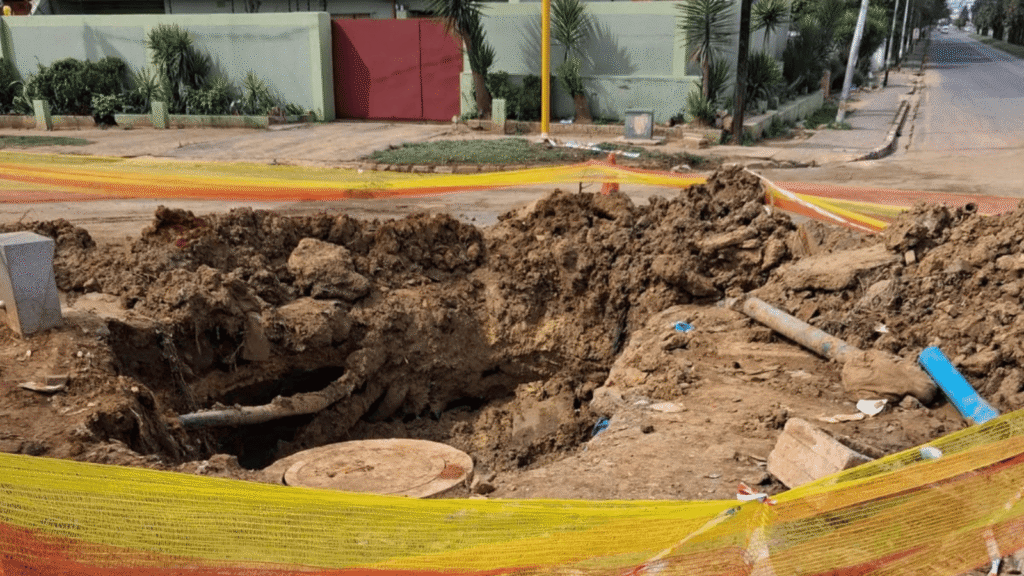
A large part of South Africa’s water losses is linked to ageing municipal infrastructure, illegal connections and weaknesses in billing and revenue collection.
In a June 2026 parliamentary Q&A session, Water and Sanitation Minister Pemmy Majodina addressed the issue of non-revenue water.
She explained that non-revenue water includes both physical losses, such as leaking pipes, and commercial losses where water is supplied but not properly billed.
The scale of the problem has prompted the Department of Water and Sanitation (DWS) to expand its efforts to help municipalities reduce losses.
One initiative is the National Non-Revenue Water Training Programme, which has so far trained 28 water services authorities and 135 learners.
The department is also using its No Drop Programme to monitor compliance with water-management standards. Full No Drop assessments are currently underway, with the next progress report expected in March 2027.
Another major intervention is the Water Partnerships Office’s national non-revenue water programme, which aims to bring private-sector expertise and investment into municipal projects.
The programme has developed a pipeline of projects worth around R4.5 billion. It aims to save 70 million kilolitres of water and generate R736 million in annual municipal savings and additional revenue.
Projects are being prepared in municipalities including eThekwini, Mangaung, Buffalo City, Polokwane and Tshwane, as well as several municipalities in Gauteng.
The department has also incorporated water conservation and demand management targets into the performance plans of relevant officials.





Comments