Capitec braces for impact


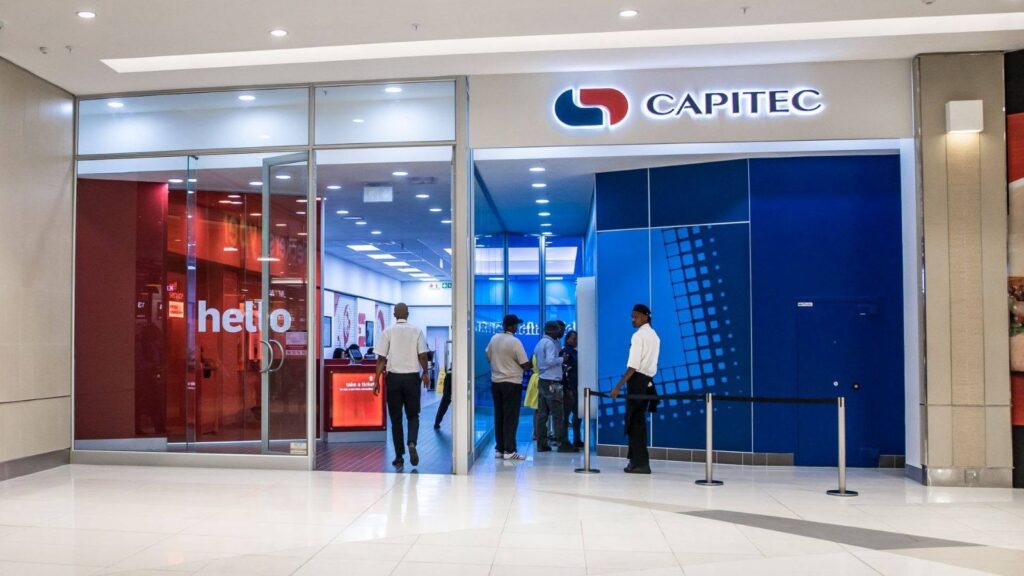
Capitec is bracing for a tougher operating environment as the war in Iran stokes inflationary pressures and weighs on the confidence of clients at South Africa’s largest lender by customer count.
The bank slowed loan growth and raised provisions for expected credit losses by 7% to R29.1 billion in the first half through August as it navigates the conflict, which is placing more strain on consumers and businesses.
“We deliberately raised our forward-looking macroeconomic provisions early, not because of the experience that we are having now, but looking ahead to 12 and 18 months, where we think the macro is going to be tougher,” CEO Graham Lee said at a briefing on Wednesday.
The bank’s credit impairments climbed 21% to R5.75 billion.
The war in the Middle East has disrupted seaborne traffic through the Strait of Hormuz, lifting the costs of energy and fertiliser.
This resulted in South Africa’s annual inflation accelerating to 5% in June, the fastest pace in two years and above the 3% target set by the central bank.
The South African Reserve Bank has raised its benchmark rate twice this year, saying last week that geopolitical shocks are more likely to trigger second-round effects and could entrench inflation.
Capitec retreated 1.2% by 11:27 a.m. in Johannesburg, paring the gain this year to 5.2%. The increase outpaces a 1.9% advance in the FTSE/JSE Africa Bank Index over the period.
The gross loan book at Capitec’s personal banking unit increased to more than R100 billion for the first time, but the lender will grow it more slowly than previously guided, Lee said.
“Our original business plan was quite aggressive, so we do see consistent and sustained loan book growth in future across all of our products, just not quite at the same rate as our initial plans,” he said.
Headline earnings climbed 19% to a record R9.5 billion in the six months to 31 August.
The company proposed an interim payout of R31.10 per share, also 19% higher.
Lee, who took the role in July last year, is steering the company through intensifying competition as rivals, including Nedbank Group Ltd. and new entrant OM Bank, seek to tap the low-income market.
Its business bank, which started in 2022, reported a 52% increase in headline earnings.
The unit, which targets small- and medium-sized companies, dropped fees and cut its point-of-sale commission rates to lure clients.
It accounts for about 6% of Capitec’s earnings and plans to boost that further in the coming years.
“For the next couple of years, that will grow much more significantly, and as therefore as a portion of that pie, business banking really should grow to be about 30% long term as well,” Lee said.
Founded by Michiel le Roux, the lender was spun out of the financial services company PSG Group Ltd. in March 2001 and listed in Johannesburg in February 2002.
Since then, the company has transformed into a financial-services behemoth with more than 26.6 million personal and business clients as of 31 August.
 Loading ...




Comments