Hidden forces boosting South Africa’s rand


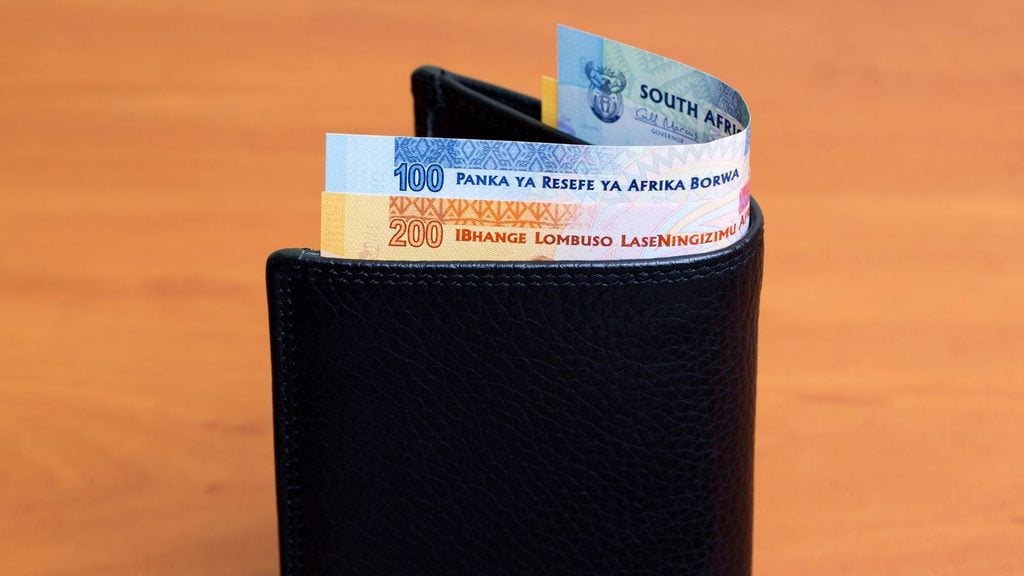
South Africa is likely to emerge as an unexpected beneficiary of global trends, which will bring to an end the era of the rand’s consistent weakness against the US dollar.
These trends include rising global debt levels, while South Africa gets its finances in order, increased polarisation, technological disruption, and the demographic decline of developed economies.
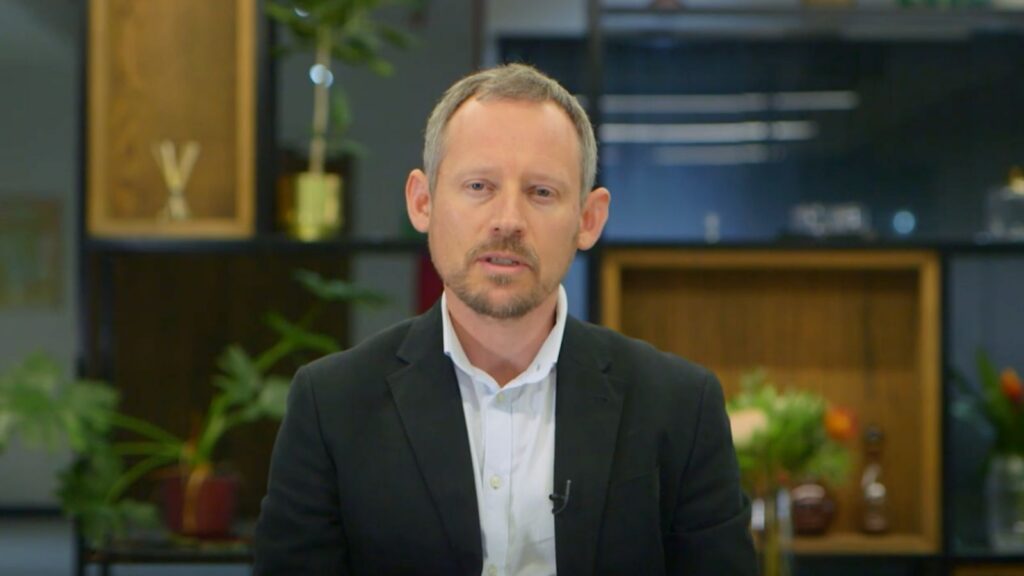
Symmetry chief investment strategist Izak Odendaal told the Old Mutual Wealth Investival 26 conference that these trends will be favourable for South Africa.
Odendaal said they would also require investors to rethink their assumptions that the rand will weaken over the long term against the US dollar and other currencies.
South African investors are accustomed to long-term rand weakness and consider it a key factor in investing offshore.
Investing in US dollars or the euro allowed local investors to benefit from the depreciation of the rand, which boosted their returns.
This is no longer the case, Odendaal explained, as the world shifts towards favouring emerging-market currencies and economies.
The six global shifts Odendaal discussed are listed below –
- Global debt is at record highs
- Political polarisation is rising across once-stable Western democracies
- Rapid adoption of artificial intelligence (AI) is disrupting economies
- Demographic decline in developed economies
- The fracturing of the international order
- Decarbonisation as a proxy for a response to climate change
Odendaal said these six factors are interconnected and influence each other, creating a positive feedback loop.
For example, as the working-age population of developed economies declines, the tax base available to pay down debt and fund government spending shrinks.
“As national politics has become more difficult, countries like the United States have turned inwards. America First prioritised the United States above global affairs,” Odendaal explained.
Domestically, consumers have experienced deglobalisation through the inflationary impact of supply chain disruptions and trade tariffs, to name two.
The benefits for South Africa
These six factors are not tailwinds for the global economy, but they can benefit South Africa, which does not face similar problems.
In particular, Odendaal noted that South Africa is one of the few global economies trying to stabilise its debt levels and is posting primary budget surpluses.
This means the government is spending less than it brings in through tax revenue, stopping its debt burden from growing.
Over time, this will enable the government to begin paying down its debt burden, freeing up money to be invested in infrastructure and development.
Crucially, this shows investors that South Africa is a financially responsible actor at a time when many countries are acting recklessly.
This will boost the rand as investors search for countries with stable debt loads and, in South Africa’s case, attractive yields.
Deglobalisation will also benefit the rand, primarily by weakening the US dollar. This is a consequence of President Trump’s America First policy.
The dollar’s weakness will also be driven by deteriorating government finances, with US debt exceeding 100% of GDP and continuing to rise.
Investors will become more circumspect about the US’ financial health, prompting them to seek alternative places to store their cash.
A more stable, stronger rand will force South African investors to change how they view offshore investments and their views on local assets.
“Over the last 15 years, the rand gave you an additional 7% to your global equity returns; that is not going to be the case over the next 15,” Odendaal said.
Local investors could also benefit from increasing capital expenditure and the consequent uplift in commodity demand as countries seek to position themselves for the six interconnected factors.
Technology disruption is driving the investment theme, as spending on AI data centres, energy, and supply chain infrastructure fuels demand for hard commodities such as copper, lithium, and platinum group metals.
This bodes well for local investors, given the JSE’s tendency to perform well during global commodity cycles.






Comments