End of a 15-year era for Woolworths


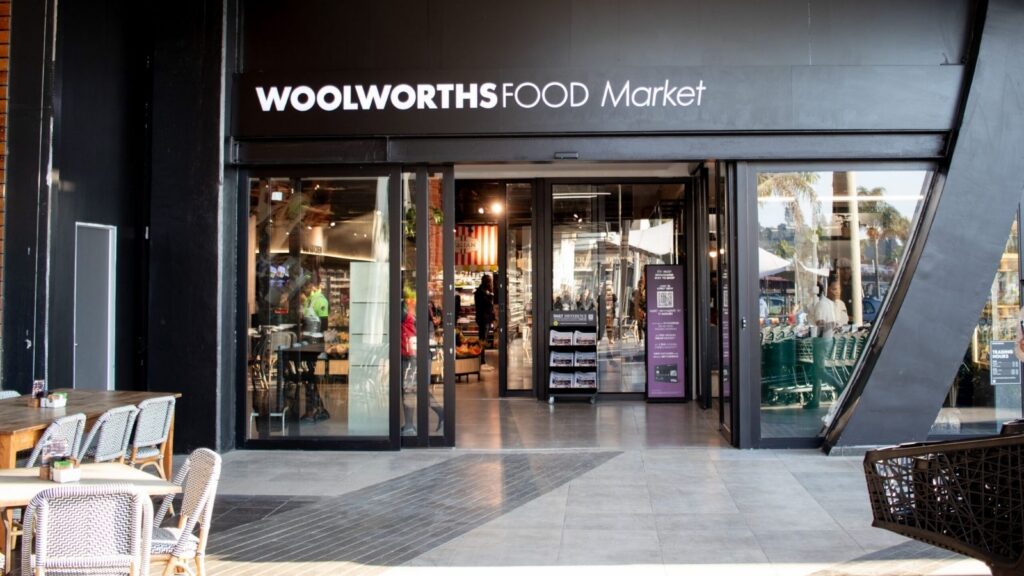
For the first time since 2011, Woolworths has been excluded from the FTSE/JSE Top 40 Index, replaced by Aspen Pharmacare.
This comes after the Johannesburg Stock Exchange (JSE) and FTSE Russell made their quarterly review of the index.
The latest review represents a blow to South African retail giant Woolworths, which has been included in the index since September 2011.
The Top 40 index tracks the 40 largest companies listed on the JSE, measured by their market capitalisation.
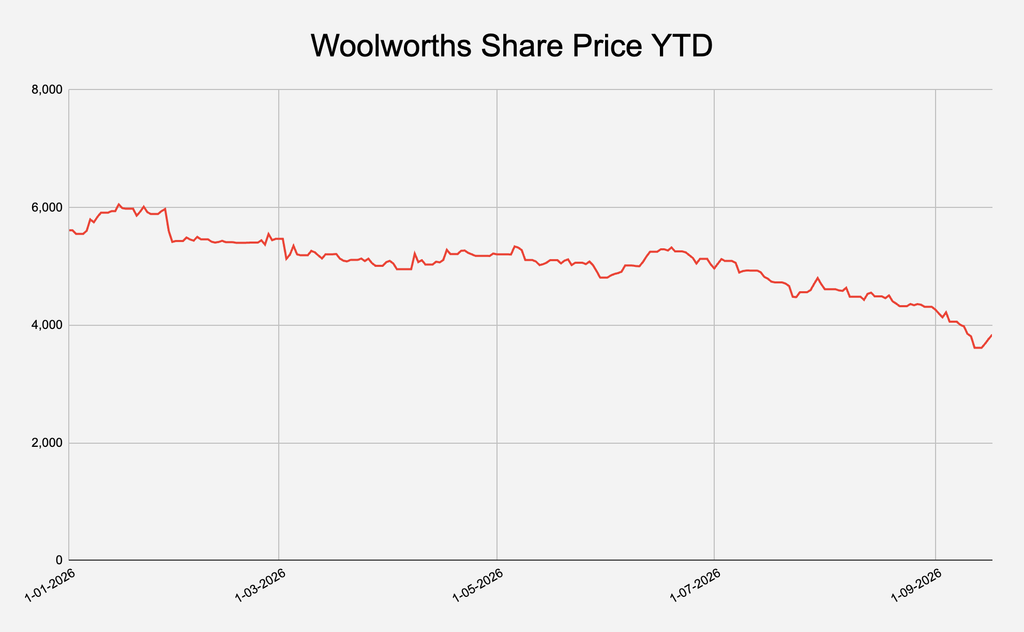
For the past 15 years, Woolworths has been among these 40 companies, but a sustained decline in its share price over the past year has now seen the retailer fall out of the list.
Woolworths’ share price has slipped dramatically over the past year, down 28.91%. Its share price is down 32.14% in 2026 to date.
All Weather Capital CIO Shane Watkins attributed this to Woolworths’ non-food businesses continuing to struggle despite turnaround efforts.
“Currently, only one business, Food, is doing great,” he told Business Day TV earlier this month.
He said Woolworths’ management team has thus far failed to effectively address shortcomings in its other businesses, notably Fashion, Beauty, and Home (FBH) and its Australian operations.
“The share price was R108 roughly 11 years ago. It is now sitting at around R41. It has performed appallingly,” he said.
This share price decline has necessarily also led to Woolworths’ market capitalisation shrinking.
Since the start of 2026, Woolworths’ market cap has shrunk from R54.52 billion to R37.24 billion, a loss of R17.28 billion.
This loss was enough to push Woolworths out of the FTSE/JSE Top 40 Index, with the retailer being replaced by South African pharmaceutical giant Aspen Pharmacare.
In contrast to Woolworths, Aspen has seen its share price grow significantly over the past year, up 52.22%. Year to date, Aspen’s shares have shot up by 35.91%.
This means Aspen’s market cap has grown from R49.15 billion in January to R66.77 billion now, a gain of R17.62 billion.
While Woolworths’ share price has been punished over the past year, the group’s new CEO, Sam Ngumeni, has plans to address shortcomings at the retailer.
He recently announced a reorientation of Woolworths around its Food business, which he described as the retailer’s primary growth engine.
Sanlam Private Wealth equity analyst Kgomotso Mokabane told Daily Investor that this reorientation toward the Food division makes sense.
“A stronger orientation towards Food makes strategic sense because the high frequency of customer touchpoints makes it Woolworths’ most dependable business,” he said.
However, he also noted that additional capital does not automatically translate into profitable growth.
“Woolworths will need to defend its differentiation as competitors strengthen their convenience, fresh produce, and premium food offerings,” he said.




Comments