Billionaire Jannie Mouton made a mistake which could have cost R22 billion


The PSG Group’s decision to unbundle its Capitec shares when they were trading at R4.15 would have cost the company R22.2 billion in future returns.
Instead of completely missing out, PSG had the good fortune to re-enter Capitec by merging with its Black Economic Empowerment partner, Arch Equity, in August 2006.
This gave PSG significant exposure to the bank it founded once again, with it taking a 19.3% stake in Capitec after the deal.
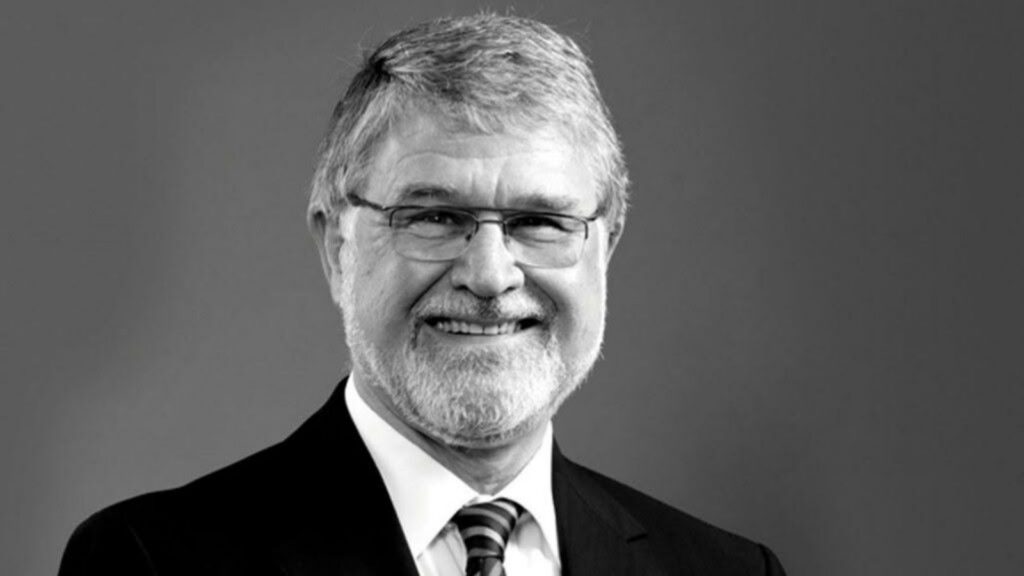
PSG’s billionaire founder Jannie Mouton admitted this was a mistake in the company’s 2010 annual report.
He explained that PSG’s hand was forced by the need to close its value discount and boost cash reserves amid a banking crisis.
Without the Arch Equity deal, Mouton and PSG would have missed out on future returns of 2,500%, or R22.2 billion.
Mouton founded PSG in 1995 as an investment holding company focusing on financial services after he was booted out of Senekal, Mouton, and Kitshoff.
One of the companies under the PSG umbrella was PSG Specialised Lending, which developed a substantial microlending business.
This was the precursor to Capitec, but before PSG could launch a bank, it had to survive several crises that threatened to sink the business.
The emerging market crisis of 1998 to 1999 and the South African A2 banking crisis in 2002 nearly bankrupted PSG, which at the time had a fledgling investment banking business.
This business was sold to Absa for R620 million to keep the company afloat, with Mouton recognising the potential value of launching a retail bank.
PSG’s microlending arm secured a formal banking licence in 2002 and listed on the JSE in the same year under the Capitec name. PSG owned 58% of the company.
However, the timing was poor, as the South African small-bank or A2 banking crisis hit in 2002, with Saambou Bank collapsing.
This put pressure on all small banks in the country, and Capitec’s share price briefly dipped below R1 per share.
PSG and Mouton held firm. However, a far bigger challenge was coming for the new bank and its owner, as its competitors smelled blood.
The mistake
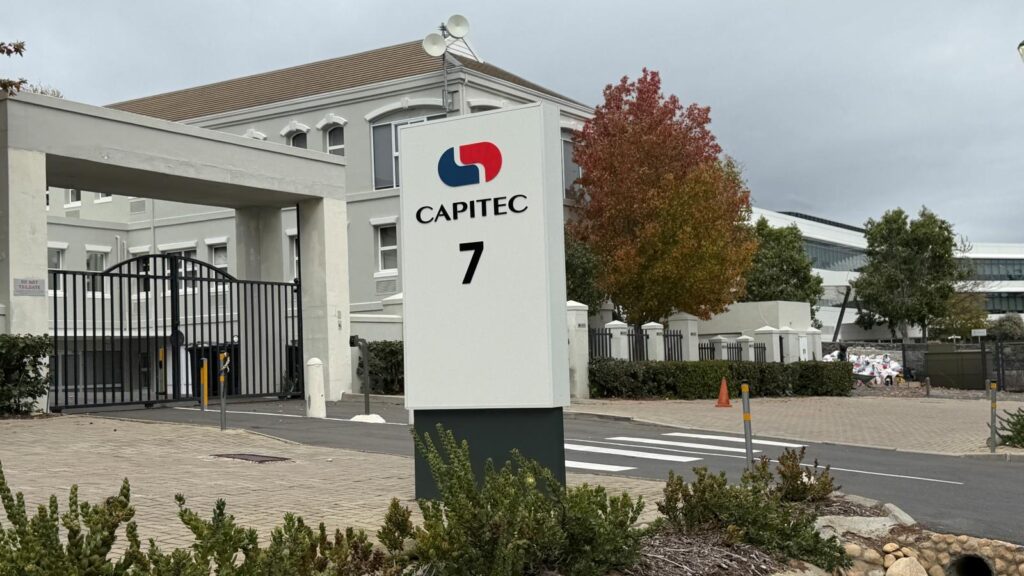
Amidst the small banking crisis, South Africa’s large commercial banks saw an opportunity to cheaply snap up assets and bulk up their businesses.
PSG itself was a takeover target for large banks, given its sophisticated corporate finance operations and the Capitec gem.
To protect the business and Capitec in particular from a hostile takeover, PSG resolved to unbundle its assets to unlock value for shareholders.
It had already given the R620 million generated from the investment banking sale directly to shareholders through special dividends in 2003 and 2004.
In November 2003, PSG completely unbundled its Capitec stake to shareholders. At the time, the investment had yielded a 99.1% return to shareholders.
This left PSG without its crown jewel, which was not the subject of a takeover. As the bank grew quickly in the 2000s, when the economy soared, Mouton realised a mistake had been made.
Luckily, it had a window to get back onto the Capitec rocketship through Arch Equity, which PSG merged with in August 2006.
Arch held a significant stake in Capitec, and the merger gave PSG a 19.3% interest in the bank once again.
Mouton doubled down on Capitec in 2007, offering shareholders in the bank 1.45 PSG shares for every Capitec share they held. As a result, PSG’s stake rose to 34.9%.
After a series of dilutive private placements by Capitec, the stake was whittled down to 30.7% by the end of 2015.
In his 2010 letter to shareholders, Mouton said that “hindsight is a perfect science and that, from the company’s perspective, unbundling Capitec in 2003 was likely a mistake”.
Mouton pointed to the direct cost of the decision. PSG had given up a 58% stake in the fastest-growing company in South African history.
Even after the re-entry and bulk-up of the stake, PSG ended up with 30.7% of Capitec in 2015. This cost PSG billions in potential returns and Mouton millions in personal wealth.
However, throughout this period, Mouton kept the Capitec shares he held in his personal capacity, which forms the bedrock of his $2.4 billion (R38 billion) net worth today.
When PSG finally unbundled all its Capitec shares in 2020, its holding was worth R28.84 billion, representing a return of 2,500%.
Mouton and his son, Piet, remain major shareholders in Capitec, with each owning 5% of the company today. These stakes are worth R27 billion each at the bank’s current valuation.



Comments