Eskom accused of unfairly targeting black-owned businesses in South Africa


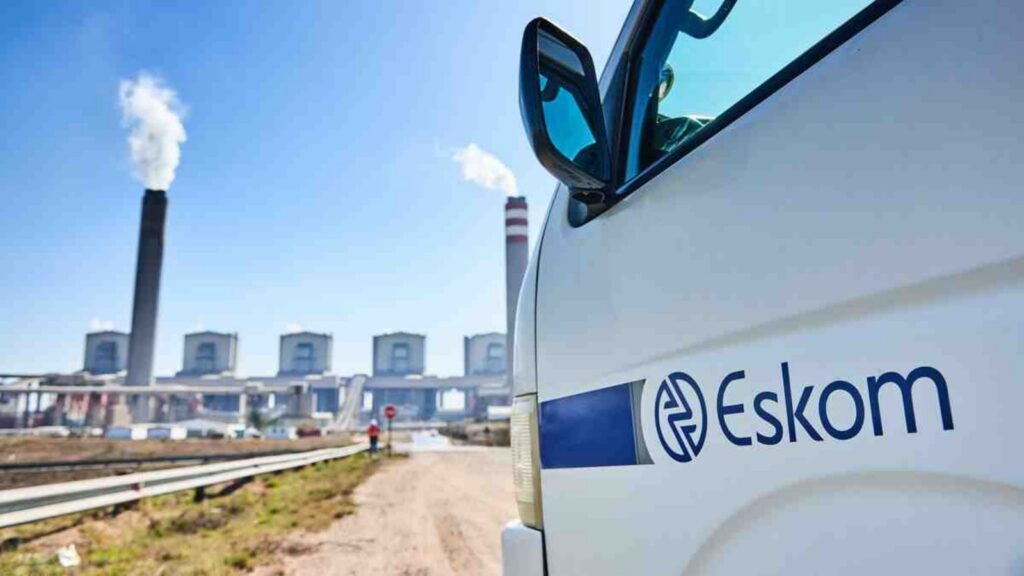
The Association of Private Security Owners of South Africa (TAPSOSA) has accused Eskom of unfairly targeting a number of black-owned businesses in South Africa.
Eskom recently referred 26 black-owned security companies to the National Treasury for blacklisting over allegations of fraud and corruption.
The blacklisting will prevent these companies from doing business with the state and will label their directors as fraudulent.
This is expected to have a knock-on effect on employment in South Africa’s private security sector, with some of these companies employing between 3,000 and 4,000 people.
TAPSOSA argued that Eskom failed to follow due process by not allowing these companies the opportunity to defend themselves before making the Treasury referral.
Speaking with SABC News, TAPSOSA spokesperson Sindiswa Changuion acknowledged that it was within Eskom’s mandate to identify maladministration at these companies.
“But we are saying that there is a selective process that has happened within Eskom in terms of being able to affect certain companies,” Changuion said.
“For some of those companies that have been referred by Eskom to the National Treasury to be blacklisted, it had nothing to do with them being fraudulent or corrupt.”
Changuion said Eskom’s disputes with many of these companies actually centred on operational issues rather than on involvement in corrupt activities.
This includes these companies failing to meet the requirements of their Service Level Agreements (SLA), among other things.
Changuion alleged that the true motive behind the blacklisting was a selective targeting of several companies which had acted as whistleblowers in a previous corruption case against Eskom.
The case reportedly involved former Eskom senior security manager Karen Pillay, who was placed on suspension in June 2023.
“In terms of that particular case, even those companies that were implicated in wrongdoing, nothing has happened to those companies,” Changuion said.
“Instead, the companies that were actually whistleblowing with regard to the corruption activities undertaken at that time are the companies that have been targeted now.”
National Treasury’s role in the blacklisting
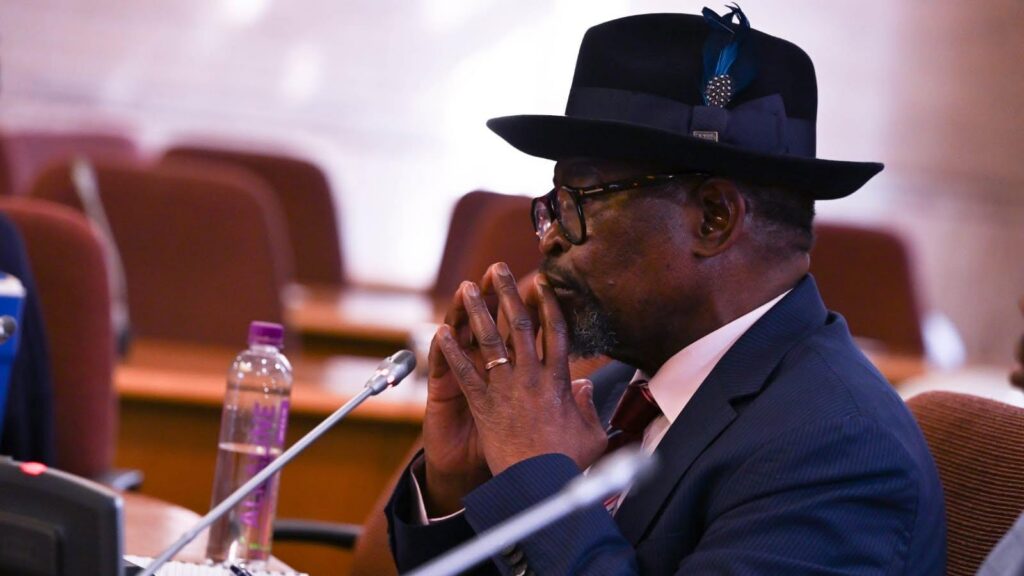
Alongside Eskom, TAPSOSA said the National Treasury had also not provided these companies an adequate opportunity to defend themselves.
Changuion said that the Treasury had an oversight responsibility to hear both parties’ sides of the story before reaching a decision on the potential blacklisting.
“The National Treasury did not even afford those companies a right of reply, and willy-nilly blacklisted these companies,” Changuion said. “It’s not fair.”
“As a government, you are saying that you need to be able to promote entrepreneurship and make sure there is at least a fair and transparent process, and you are not doing that.”
Daily Investor reached out to the National Treasury for comments on TAPSOSA’s accusations and received the following response:
Treasury explained that the authority to restrict suppliers from doing business with the state rests with Accounting Officers and Authorities of institutions, in line with the SCM Instruction No. 3 of 2021/22.
“Prior to restriction, suppliers are granted the right to make representation within 14 days as to why they should not be restricted,” Treasury said.
“They are also notified about the grounds for restriction, the intention to restrict and the period of restriction, which may not exceed ten years.”
After the 14 days have lapsed, this information is reportedly submitted to the National Treasury as part of that company’s restriction documents.
TAPSOSA questioned why Eskom and the Treasury had not publicly disclosed the reasoning behind the blacklistings, despite the affected companies having applied for this in court.
In response, Treasury said it could not comment on any matters which relate to applications that are currently before the courts.
While the Treasury is responsible for maintaining the database of restricted suppliers, it emphasised that the authority to restrict these companies did not rest solely with them.
Daily Investor also reached out to Eskom for comments on the matter, but did not receive a response at the time of publishing. The article will be updated to reflect any response.