South Africa’s richest city is falling apart


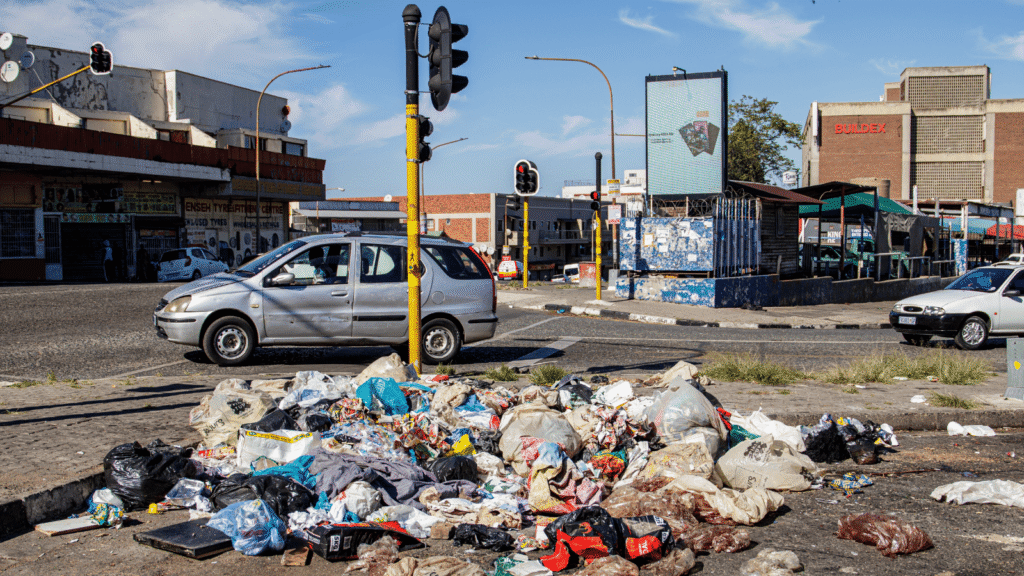
Johannesburg’s decline is becoming a national economic concern, with the city’s infrastructure, finances, and political instability putting pressure on its role as South Africa’s economic hub.
The Centre for Development and Enterprise (CDE) argued that fixing Johannesburg must become a national priority ahead of the 2026 local government elections.
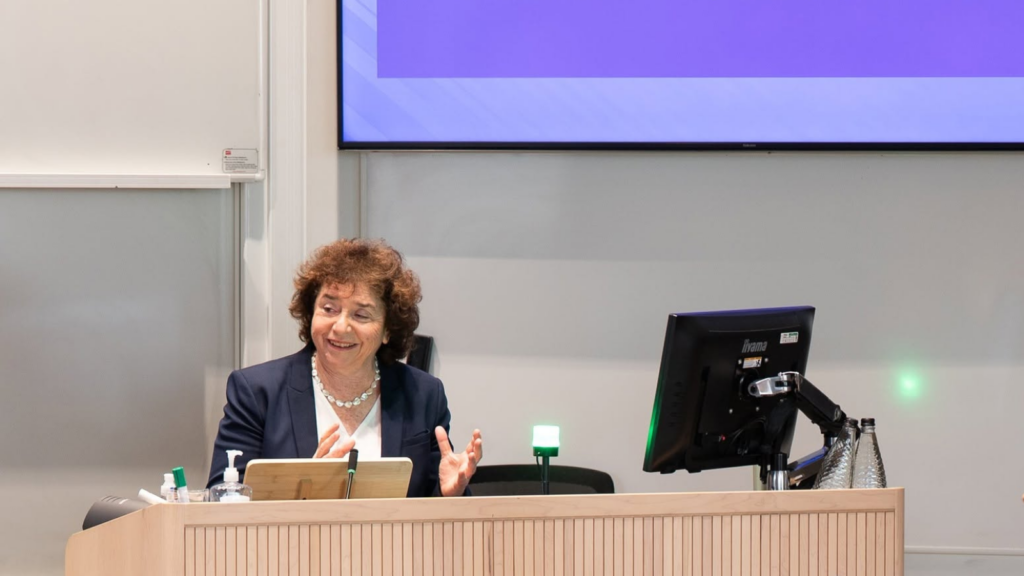
Speaking on The Money Show, CDE executive director Ann Bernstein said Johannesburg remains central to the South African economy despite its problems.
Currently, around 70% of corporate headquarters are in Johannesburg, and it is the city where most of the country’s personal income tax is raised (nearly 22%).
Johannesburg accounts for 16% of the national GDP and is the country’s most populous metro, with 4.8 million residents.
“It’s the commercial, financial and retail hub of South Africa,” Bernstein said. As such, the city’s decline affects more than its own residents.
Johannesburg has historically attracted people from across South Africa who moved to the city in search of jobs and better opportunities.
“If Johannesburg is not playing its role as a centre of growth and jobs and opportunity, it not only affects the people who live here terribly, all of us, but it affects all those people in the rest of the country,” she said.
CDE is releasing several reports as part of its “Fixing Johannesburg” series. The first of these, “Joburg in Jeopardy”, was released on 17 August 2026 and outlines the scale of the problems facing the city.
Among the issues identified is that Johannesburg Water has an infrastructure renewal backlog of R26.6 billion, while the electricity infrastructure backlog stands at R44 billion.
The city also has a R90 billion road maintenance backlog and a further R37 billion backlog for bridges. More than 226.9 megalitres of water are lost through leaks every day.
Between July and December 2025, the city recorded 54,132 power outages, while residents reported 23,572 potholes.
Political problems
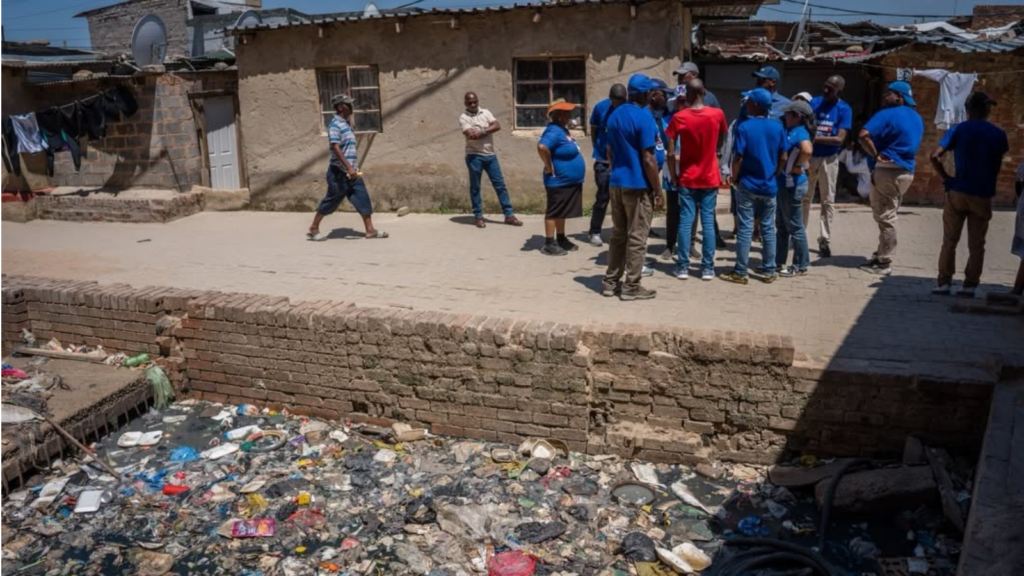
Bernstein explained that many of the problems facing Johannesburg result from the city’s unstable political system.
“We’ve had nine different mayors in the last ten years. We’ve had eight different administrations, and no mayor has completed a full term,” she said.
This instability has made long-term planning difficult, with new administrations often bringing changes to appointments, priorities and policies. “You can’t run a city like that,” she said.
Bernstein said the November 2026 local government elections provide an opportunity to resolve Johannesburg’s issues.
“What we need is for the local government elections to deliver a stable, really competent, bold leadership that is going to be able to introduce the reforms and changes we need and have a full term on which to deliver them,” she said.
The city’s financial position makes the challenge more difficult. The National Treasury has warned that Johannesburg is in severe financial distress.
The city now owes R25.2 billion to creditors and only has R3.9 billion in cash and cash equivalents. More than 80% of the municipal debtors’ book is also considered irrecoverable.
As a result, Bernstein explained that turning the city around will require more than simply changing political leadership.
She said the city would also need to work with the private sector and national government to address its financial and infrastructure problems.
“We’re going to have to be very innovative in how we move forward. We’re going to need the best financial architects in the private sector, and we’re going to have to talk to the national government as well,” she said.
Rebuilding will take time
The CDE report also warned that Johannesburg’s decline is affecting its property market and local employment prospects.
House prices in the city have fallen by 2% in real terms over the past decade, while Cape Town recorded a 60% increase over the same period.
Joburg also had an official unemployment rate of 35.9% in the second quarter of 2026, compared with 21.9% in Cape Town. The city lost around 90,000 jobs between Q2 2025 and Q2 2026.
Bernstein said rebuilding the city will not happen quickly and will require residents to see progress over time.
“You’ve got to turn the momentum around. At the moment, we’re heading downward in a terrible direction,” she said.
She added that the new administration would need to explain its priorities to residents rather than attempting to fix every problem at once.
However, politicians alone cannot turn the city around. Johannesburg’s residents and civic organisations could also play a role in the recovery.
“Johannesburg has an enormous number of highly committed citizens and organisations that are one of our great strengths,” Bernstein said.
While fixing the city will take a long time, she said small improvements could help build confidence in a broader recovery.
“If you start getting a different momentum, you can get people’s patience to fix this because you can’t do it all overnight,” she said.
She noted that residents would notice when basic services begin improving, even if the city’s larger problems remain unresolved.
“And then the word spreads that this pipe was fixed here and this substation has been fixed, and it hasn’t broken for the last six months,” she said.
Bernstein added that the immediate priority is therefore to create stable political leadership, appoint capable professionals and begin addressing the city’s most urgent problems.
“I think Johannesburgers will appreciate that the momentum is going in a different direction, but it’s not going to be easy,” she said.



Comments