Big VAT overhaul coming in South Africa


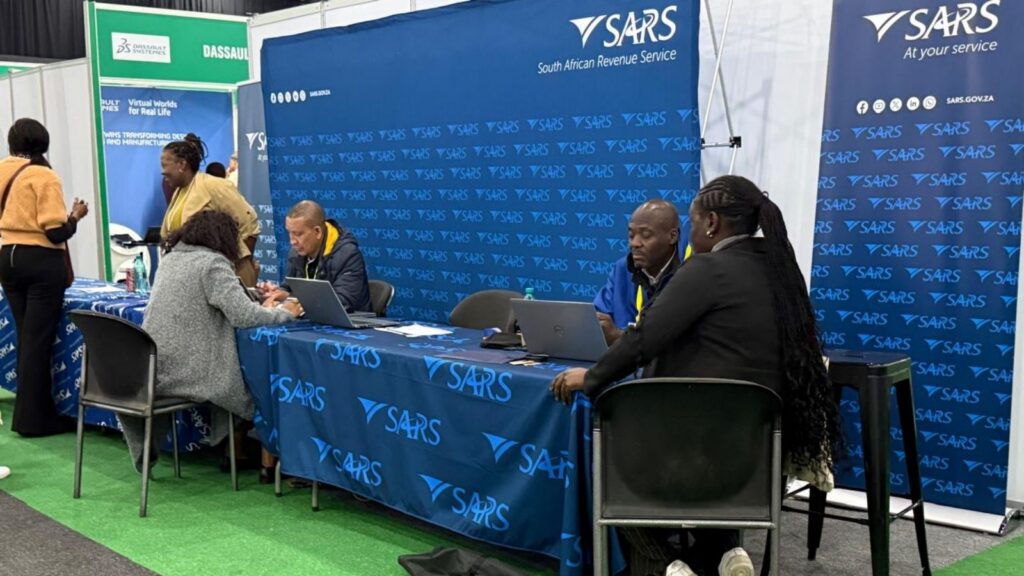
The South African Revenue Service (SARS) has released its VAT Modernisation Consultation Paper for public consultation and comment.
This paper is set to overhaul and modernise South Africa’s value-added tax (VAT) system, making it more transparent and efficient.
Specifically, it proposes introducing a Digital VAT Model that brings together e-Invoicing, an Interoperability Framework and e-Reporting.
These proposals form part of SARS’ Modernisation 3.0 project and aim to enable the secure, structured, and near-real-time flow of VAT transaction data across the VAT value chain.
On Monday, 17 August, SARS explained that the paper incorporates feedback on the 2023 Discussion Paper on Modernisation.
The taxman said this feedback has greatly enriched the direction for VAT modernisation.
“We have incorporated these inputs and made significant progress from the initial position and included the best practices from our peers and multilateral organisations’ consultations,” it said.
“This Consultation Paper therefore embodies a well-researched and inclusive process, reflecting stakeholder comments and proposals, international best practice and continuous refinement of the VAT Modernisation proposals.”
SARS explained that the transformation of South Africa’s VAT system will enable a long-term shift to a digitally driven, transparent, and resilient VAT administration.
“For taxpayers, this delivers a simpler, more predictable experience with reduced effort, increased certainty where ‘tax just happens’,” SARS said.
VAT vendors in particular are expected to benefit from a simpler, more predictable compliance experience and lower administrative effort and cost.
For SARS, the secure sharing of reliable VAT transactional data is expected to provide clearer visibility into VAT transactions and more accurate and reliable data.
This will enable stronger risk-based compliance oversight and an enhanced ability to detect and respond to fraud, in hopes of closing the country’s VAT compliance gap.
SARS added that the wider economy could also benefit from improved data quality, reduced duplication, simpler business processes, smoother trade, and a more transparent and trusted tax ecosystem.
SARS Commissioner Johnstone Makhubu said VAT Modernisation is a major step in reshaping how VAT is administered in South Africa.
Currently, South Africa’s VAT system is highly dependent on manual processes and retrospective verification.
SARS now proposes shifting to a model where VAT compliance becomes part of the systems businesses already use every day.
“It is SARS’s belief that this modernisation of service will reduce the burden on compliant vendors, strengthen compliance, and safeguard the revenue needed to fund South Africa’s development priorities,” Makhubu said.
However, this paper is only the beginning of a long-term reform of South Africa’s VAT system. Stakeholders can submit written feedback until 16 October 2026.






Comments