State-owned food producer collapses, and Elon Musk snaps up land for the biggest building in the world


The rand began Tuesday, 18 August, on the back foot at R16.25 to the US dollar after closing stronger on Monday.
This is broadly in line with other emerging-market currencies, which have weakened after US President Trump threatened to bomb the ally Oman for negotiating with Iran to open the Strait of Hormuz.
The 60-day memorandum of understanding between the United States and Iran has expired without a peace agreement or extension.
Trump said he has no intention of extending the arrangement, as Washington is not satisfied with the terms Tehran is putting on the table.
Iran said that US violations of earlier commitments had rendered the agreement effectively meaningless.
This has pushed oil prices higher to $91.64 per barrel. The price of oil is now up over 50% year-to-date, presenting significant inflationary challenges.
The United States government is feeling particular pressure, as investors grow increasingly concerned about its spending.
US Treasury yields continued their rise to levels last seen before the Great Financial Crisis, significantly increasing the American government’s cost of borrowing.
Bond yields in Europe and Japan have also soared to multi-decade highs as investors increasingly fear that inflation has become entrenched amid the war in Iran.
Inflation has remained above target in developed economies for extended periods of time. In the US, it has remained above the Federal Reserve’s target for the past five years.
Elsewhere, Asian stocks erased earlier gains with MSCI’s regional gauge falling 1%.
The Kospi Index in South Korea gave up an advance of 3.4% to decline 2%. The Nikkei 225 Stock Average in Japan slipped 2.3%.
As sentiment worsened, futures contracts for the Nasdaq-100 index declined by 0.7%. European shares were also set for a weaker start.
Important finance and investing news
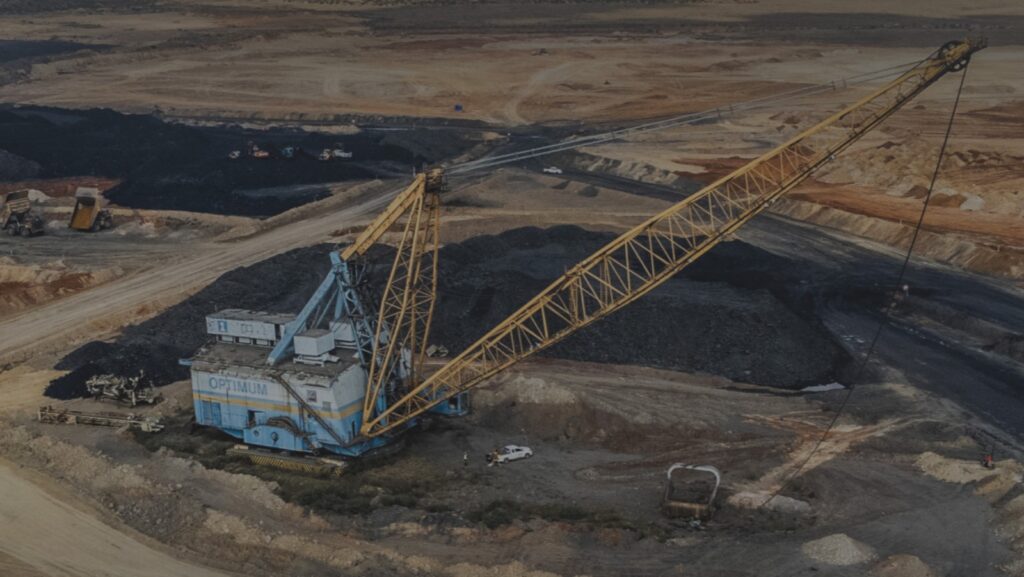
Anglo spin-off turns the tables: Thungela, formerly Anglo American’s South African coal business, has extended the life of its assets into the next few decades. This is a marked difference from the eight-year lifespan it was given when it was unbundled in 2021. [BusinessDay]
JSE’s most valuable company shoots the lights out: BHP reported an underlying profit of $13.20 billion, up 30% from a year earlier. This was driven by soaring copper prices. The miner, valued at R3.7 trillion, has a secondary listing on the JSE. [Wall Street Journal]
Nvidia puts $105 billion on the line for OpenAI: Nvidia reached a deal on Monday to provide up to $105 billion to backstop a new OpenAI data centre in Ohio. Much of the growing AI-related debt is held on hyperscalers’ balance sheets, making it difficult for investors to assess companies’ total leverage. [Semafor]
Musk snaps up land for world’s largest building: Elon Musk’s SpaceX is buying land in Grimes County, Texas, to build a semiconductor manufacturing facility called Terafab. SpaceX said the building will cover more than 100 million square feet, which is over five times the floor space of the largest building standing anywhere on the planet today. [Yahoo Finance]
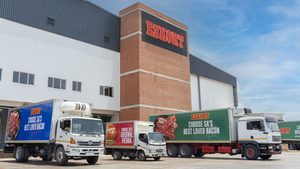
State-owned food producer collapse: Daybreak Foods is currently in business rescue after years of financial mismanagement, despite R1.6 billion in investment from the PIC. President Ramaphosa has been asked to authorise a Special Investigating Unit investigation into its collapse. [Newsday]
Comments