I lost R80,000 after buying shares for 3c and then selling them for even less


In 2021, when South Africa was still in the grip of lockdowns, I thought I was smart and bought a company in distress. Two years later, I had to sell it at a significant loss.
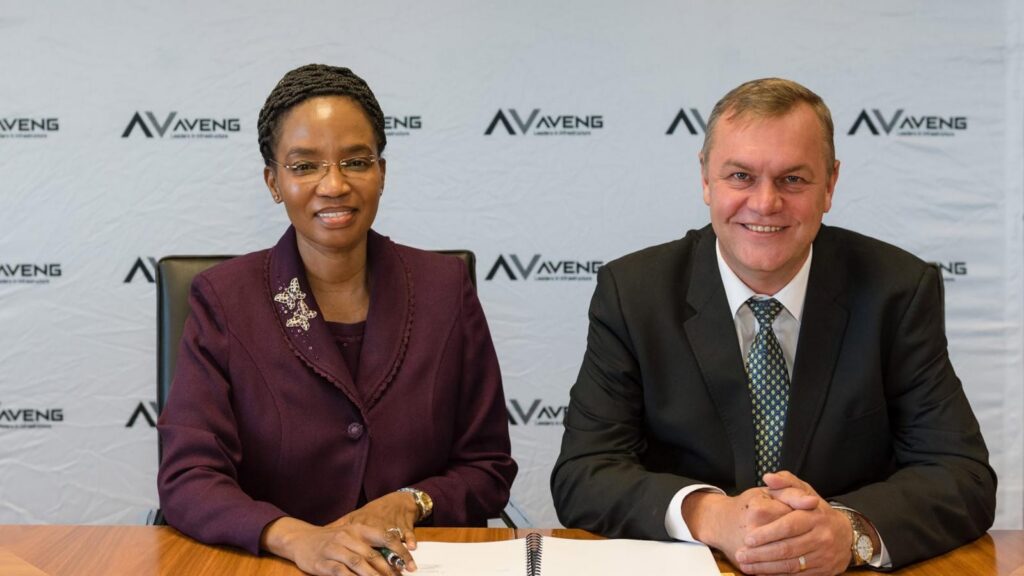
The company I am talking about is Aveng, an international engineering contractor focused on infrastructure, resources and contract mining.
It was historically a large-scale construction conglomerate before it restructured to streamline operations and reduce debt.
It is listed on the Johannesburg Stock Exchange (JSE), but operates across Australia, New Zealand, the Pacific Islands, and Southeast Asia.
In the 2010s, the company began to face significant challenges, including overleveraged debt, write-downs on disputed megaprojects, and operational losses.
One of the problems was that Aveng accrued uncertified revenue, accounting for money it claimed it was owed for project cost overruns before those disputes were settled.
The chickens eventually came home to roost, and in 2017, Aveng was forced to execute a non-cash write-down of R5.1 billion to R5.9 billion on uncertified revenue and assets.
Aveng’s main South African construction business, Grinaker-LTA, also suffered execution issues, project delays, and cost overruns on big projects.
By mid-2018, Aveng carried R3.3 billion in debt, including R2 billion in convertible bonds due in July 2019 and R1.3 billion in bank facilities.
With bond maturity looming and the company burning cash, default risks escalated dramatically, driving panic selling in the equity market.
These factors caused Aveng’s share price to collapse from a peak of over R44 to just cents per share by 2018.
To avoid liquidation in 2018, incoming leadership launched a recapitalisation plan, issuing new stock at a discounted price of R0.10 per share.
It saved the company from bankruptcy and reduced debt, but it also flooded the market with new shares, wiping out nearly all remaining equity value.
The Aveng share price remained depressed, and it traded at 1c per share, showing that the market lost confidence in the company.
I tried my luck on Aveng and lost R80,000 in the process
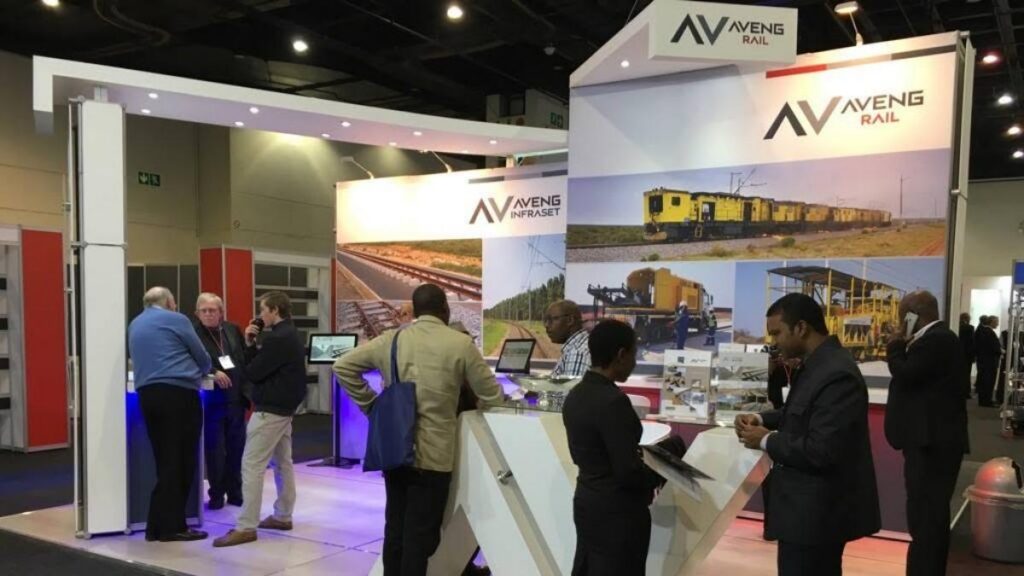
Aveng was a controversial stock, and many analysts warned that it was highly speculative and that investors should approach it with caution.
However, I thought, “What is the worst that could happen?” It was still a company with fair prospects, and one big contract could significantly bolster Aveng’s finances.
In 2021, headline earnings per share (HEPS) started to improve, and the company expected to report improved operating profit and net profit after tax.
I thought I knew better than the market and the professional fund managers, and, in July and August 2021, I bought Aveng shares at between 3c and 6c per share.
I was expecting a sudden turnaround, with the share price jumping on the news. I was expecting a ten-bagger in no time.
This did not happen. There was a good reason Aveng became a penny stock, and I was learning that lesson quickly.
Shortly after I bought my Aveng shares, the company announced a 500:1 share consolidation.
Simply put, the share price was no longer 3c or 4c. It was now R15.00 or R20.00. This led to lower volatility in the share price.
I was still patiently waiting for the big jump to come. However, the share price did not jump. In fact, it declined.
For most of 2023, the Aveng share price traded at under R10 per share. That would have been less than 2c per share before the 500:1 share consolidation.
When there was a short upward move, I took the opportunity to sell at R9.90 per share. That equated to around 2c per share in the old terms.
I paid R170,000 for my Aveng shares, which I bought for between 3c and 6c each. I was paid R90,000 when I sold the shares at R9.90 each.
It does not take Warren Buffett to realise that I lost R80,000 by speculating on a company which the analysts warned about.
I learned a valuable lesson. There is a good reason why Paul Theron, David Shapiro, and Shane Watkins are trusted to manage people’s money.
There is also a good reason I am a journalist and not a fund manager. It is because I make stupid investment decisions, like trying to make a quick buck by buying a penny stock.
 Loading ...





Comments