The iconic South African company that has nearly doubled investors’ money in 2026


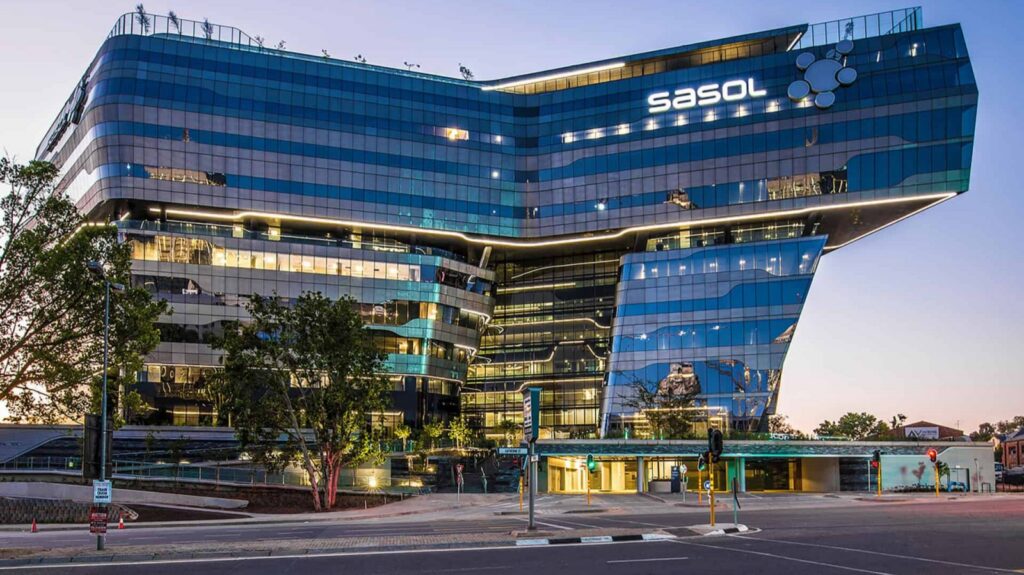
Sasol has seen its share price almost double since the beginning of 2026, in large part due to the global oil crisis caused by the Middle East war.
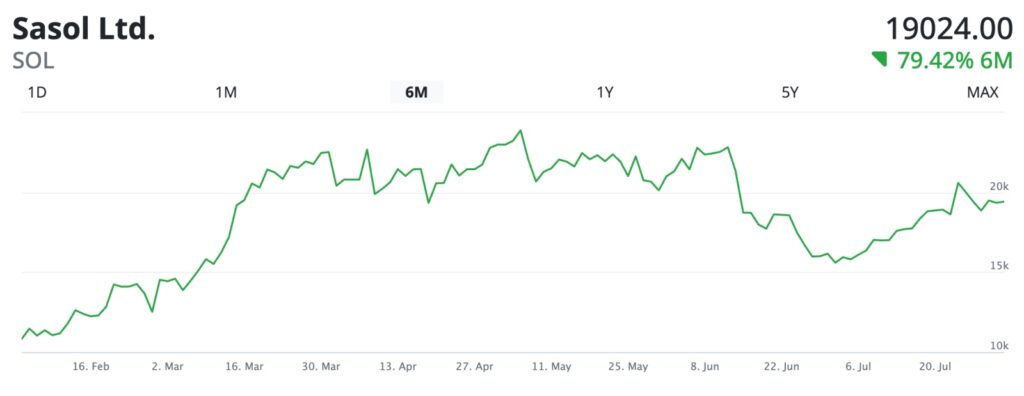
At the time of writing, Sasol’s share price is up 82% in the year-to-date, sitting at a price of R190.24 per share.
The company was founded as a state-owned enterprise in 1950 in order to produce synthetic fuel from South Africa’s large coal reserves, and currently provides around 30% of the country’s fuel.
This was intended to reduce the country’s dependence on foreign fuel imports, as South Africa has no natural oil reserves and is a net importer of both oil and refined fuel products.
The energy company started the year at a share price of R106.20, and saw steady growth throughout the months of January and February, reaching R145.31 per share on 27 February.
The United States and Israel launched coordinated strikes on Iran the next day. In response, Iran closed the Strait of Hormuz, preventing ships from passing through.
This caused the price of oil to skyrocket as more than 20% of global oil supply transits through the Strait, with prices reaching $100 per barrel just a month after the conflict broke out.
Over that same month, Sasol’s share price rose by more than 55% as the demand for its synthetic coal-to-fuel products grew.
By 5 May, the company was trading at R238.94 per share, more than double what it was at the beginning of the year.
The announcement of a ceasefire between Iran and the United States on 12 June caused oil prices to drop back down to around $77 per barrel, causing Sasol’s share price to decline as well.
Since then, however, a collapse of negotiations in early July and escalated tensions between the two countries has created renewed uncertainty within global oil markets, driving prices back up.
On the back of this, Sasol’s share price rose again over the course of the last month, but this may be short-lived as talks between Iran and the US are set to resume.
Sasol’s market capitalisation currently sits at R122.98 billion, roughly 79% higher than the R68.43 billion market cap it had at the end of last year.
The company is set to release its full-year financial results for FY26 on 1 September, where it expects much of its business metrics to be in line with or exceed its guidance.
Investors still hesitant on Sasol
Despite the rally that Sasol’s share price has seen over the past six months, many investors remain hesitant to buy into the company as the conflict drags on.
This is mainly due to the geopolitical risk premium which Sasol’s share price is inevitably tied to, as it is highly sensitive to shifts in global oil prices.
When conflicts escalate and shipping routes are disrupted, the price of oil goes up and takes Sasol’s share price with it. When tensions deflate and oil prices drop, Sasol’s share price also declines.
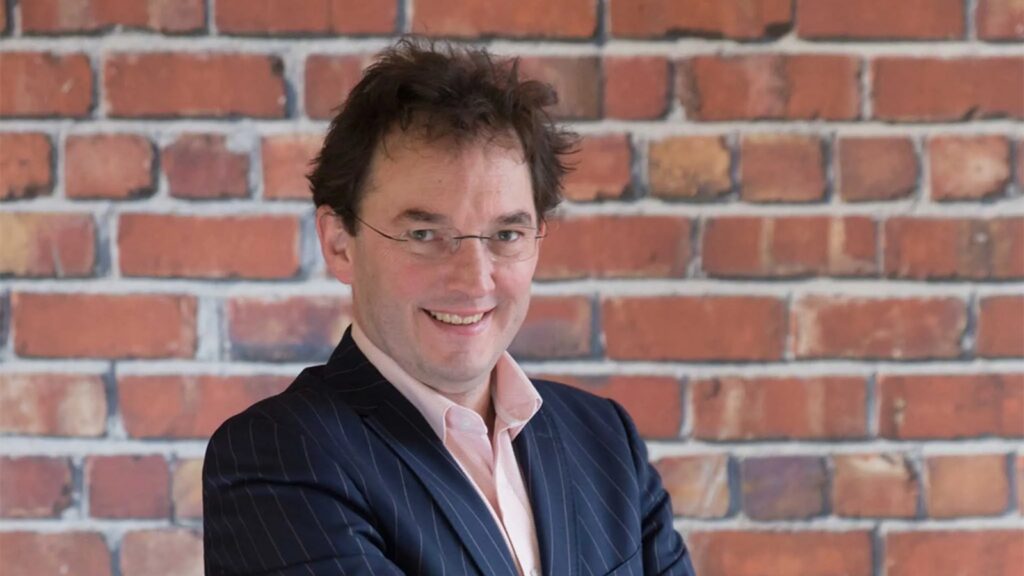
While the rise in oil prices since the start of the war has encouraged many investors to buy into Sasol, JustOneLap founder and MoneywebNOW host Simon Brown cautioned against this.
While Brown said the factors within Sasol’s control remained fairly well managed, he said the current uncertainty surrounding the price of oil presented too high of a risk.
“Would I be a buyer at this R200 level? No, because my expectation is that oil goes to $70 long before it goes to $150,” Brown told BusinessDayTV. “And if I’m wrong, we’ve got way bigger problems.”
“Oil at $150 is a global crisis. At some point, Trump has to find a way to find some peace with the Middle East. Then oil will head down and take the Sasol share price with it.”
Brown pointed out that those who had bought shares in Sasol when it was trading at a low of under R6 per share in April 2025 would now be up almost 400%.
Appearing alongside Brown, Robert Group Head of Investments Devin Shutte expressed a slightly stronger recommendation for people to invest in Sasol.
Shutte said the company was currently operating in a stronger position than it has been for many years, pointing specifically to the recent performance of its Secunda plant.
However, he emphasised that rapidly rising and declining oil and chemical prices were still likely to significantly impact Sasol’s share price going forward.
“For local investors who have limited options for buying into energy and oil, Sasol is clearly the only option they have, and possibly a hedge against oil prices coming out of the Middle East,” Shutte said.
“It’s not a model student. It’s really had its troubles through the years, but if your view is that oil is going to remain elevated, maybe it’s one to hold there just to offset some of that.”
Sasol’s share price over the last six months
 Loading ...




Comments