150,000 jobs disappeared in one sector after BEE was implemented and mineral reserves were nationalised


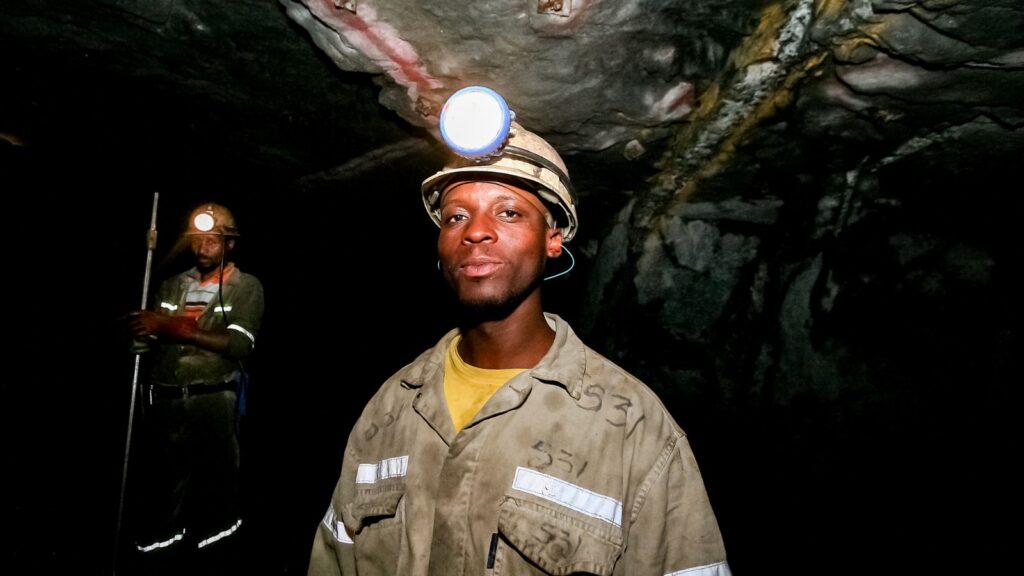
The collapse of the Free State gold fields resulted in 150,000 miners losing their jobs and the population of Welkom and surrounding areas plunging from 180,000 to 36,000.
This transition was brought about by a perfect storm of increased state intervention in mining through new legislation, rising electricity costs, collapsing infrastructure, and a fall in gold prices.
Ultimately, the increased regulatory burden and operating costs crushed the business model of miners in the region.
This was outlined as part of a study from the Stockholm Environment Institute on the effects of unplanned industrial transitions.
South Africa is currently undergoing the Just Energy Transition to move the economy away from coal-fired electricity and towards renewable alternatives.
This has been intensely opposed by unions, mineworkers, and renewable energy sceptics who argue the country will always need a form of baseload power from coal.
Others argue that South Africa has cheap access to abundant fuel in the form of coal and that it should use this as a competitive advantage to develop its economy.
Researchers Claudia Strambo and Aaron Atteridge point to the collapse of the Free State gold fields as an example of what happens when a transition is unplanned.
The gold fields are now an empty stretch of land in the rural Free State after decades of mining that created thousands of jobs and billions in economic value.
Large-scale gold mining began in the Free State after WWII, with Sir Ernest Oppenheimer leading the charge with Anglo American.
The company built the town of Welkom to house its workers and those of the businesses that serviced its mines and employees.
These assets were consolidated into AngloGold, which is the bedrock of AngloGold Ashanti – a company worth R656 billion today.
Forty years of gold mining, through booms and busts, made Welkom the second-largest urban area in the Free State after Bloemfontein.
However, it also became the South African city whose economy was most dependent on a single economic sector.
Gold mining in the Free State had been kept alive during busts through access to cheap labour, low-cost operations, and the ability for companies to hire and fire workers in response to price fluctuations.
In the 1990s and 2000s, the good times would come to an end as a cocktail of falling prices, increased regulation, and collapsing infrastructure crushed the industry.
The state takes over
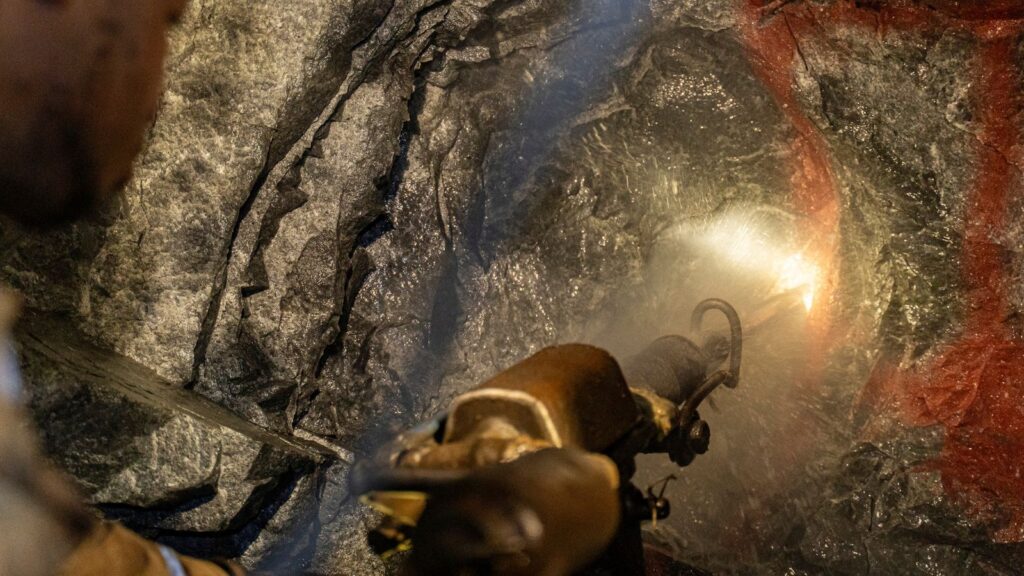
When the ANC came to power in the 1990s and 2000s, South Africa had well-established mining regulations and legislation.
The framework had created one of the best mining jurisdictions in the world, with companies including Anglo American, Gold Fields, Anglovaal, and Rand Consolidated Mines.
These were some of the best-run companies in the world, and they flourished in South Africa, creating thousands of jobs and significant economic value.
However, the ANC decided to join its peers in the rest of Africa by increasing state intervention in mining and substantially raising the regulatory burden on the sector.
The sector gradually transitioned from private-sector-led to state custodianship and control of mineral resources, particularly those yet to be mined.
The Mineral and Petroleum Resources Development Act (MPRDA) of 2002 abolished private ownership of mineral rights, granting the state full control.
The MPRDA also introduced the ‘use-it-or-lose-it’ rule. This forced companies holding ‘old’ rights to convert them or forfeit them.
This triggered huge corporate restructurings, acquisitions, and asset transfers. Many of South Africa’s historic mining giants were lost in this process.
Coupled with this was the introduction of Black Economic Empowerment (BEE) legislation, which significantly increased the regulatory burden on companies.
This legislation also forced companies to cede ownership stakes to BEE firms and partners, with little economic benefit in return.
Ultimately, this made operating mines in South Africa significantly more expensive and less secure, as the state owned the mineral rights rather than the private company.
Within five years, many deep, low-grade shafts that were expensive to operate become financially unviable, leading to their closure.
150,000 jobs disappear
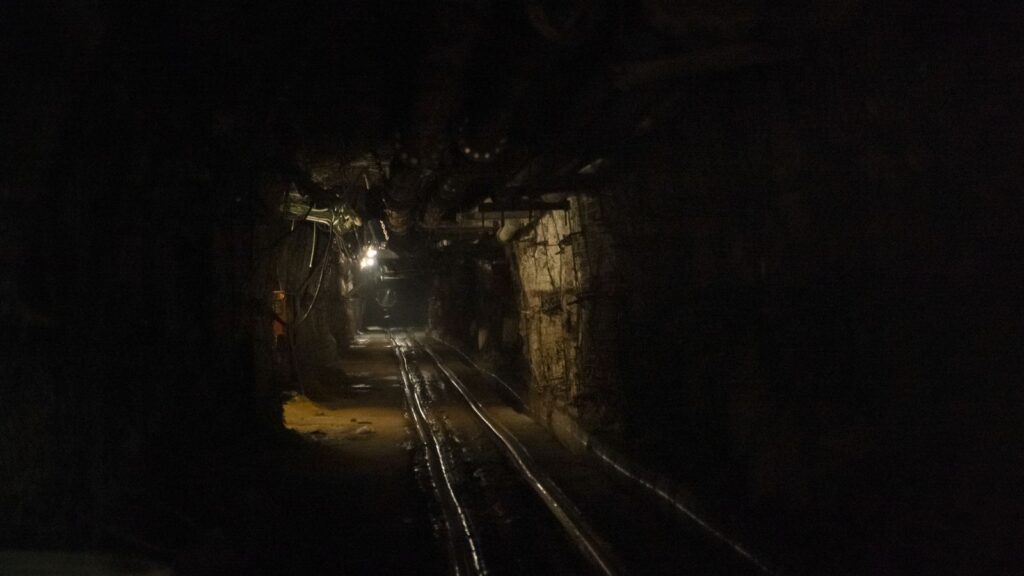
In the Free State gold fields, this was particularly severe, as gold mining accounted for three-quarters of the region’s economic output.
The rapid decline in mining output during the 1990s and 2000s had profound economic impacts across the province.
Strambo and Atteridge said that in the municipality of Matjhabeng, which includes Welkom, mine employment fell from 180,000 in 1990 to less than 30,000 by 2013.
The population in the region also collapsed from 180,000 in 1990 to 36,000 in 2010 as workers emigrated to other mining towns or Johannesburg.
“The broader impacts on the region’s economy were catastrophic. The decline of mining triggered the closure of businesses that provided services to the mines and their workers,” the researchers said.
“Smaller manufacturing firms closed, and the remaining firms were concentrated in Bloemfontein. The dismantling of housing compounds saw informal settlements expand greatly.”
These housing compounds created a serious problem when mining companies tried to sell them to individuals. It crushed housing prices, leaving low-income households with debt and unsellable assets.
This increased the number of individuals unable to pay property taxes, creating a major revenue problem for municipalities.
Strambo and Atteridge said this was exaggerated by the absence of effective medium- and long-term unemployment benefits and state intervention.
There were also no employment opportunities in the region outside of mining. The agricultural sector could not absorb 150,000 workers.
The local government’s response made the crisis even worse by focusing on how it could support the mining industry rather than diversifying economic activity.
A longer-term effect of the collapse of the Free State gold mining industry was the rise of illegal miners, called ‘zama zamas’ in South Africa.
Empty shafts, abandoned compounds, and rising poverty levels created the perfect conditions for an illicit industry to grow.
The researchers said many former mineshafts were not rehabilitated and were simply abandoned, making them easy for illegal miners to access.
 Loading ...




Comments