The South African Minister who saved taxpayers R650 million


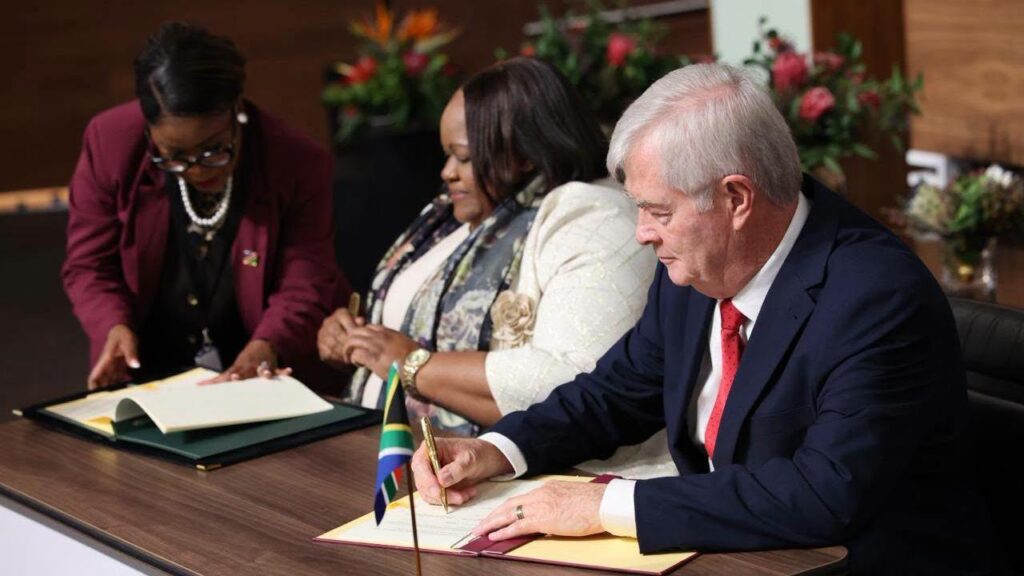
Correctional Services Minister Pieter Groenewald has saved South African taxpayers R650 million since his appointment to the role in July 2024.
Groenewald shared this information during an interview with Die Groot Ontbyt about the state of prisons in South Africa.
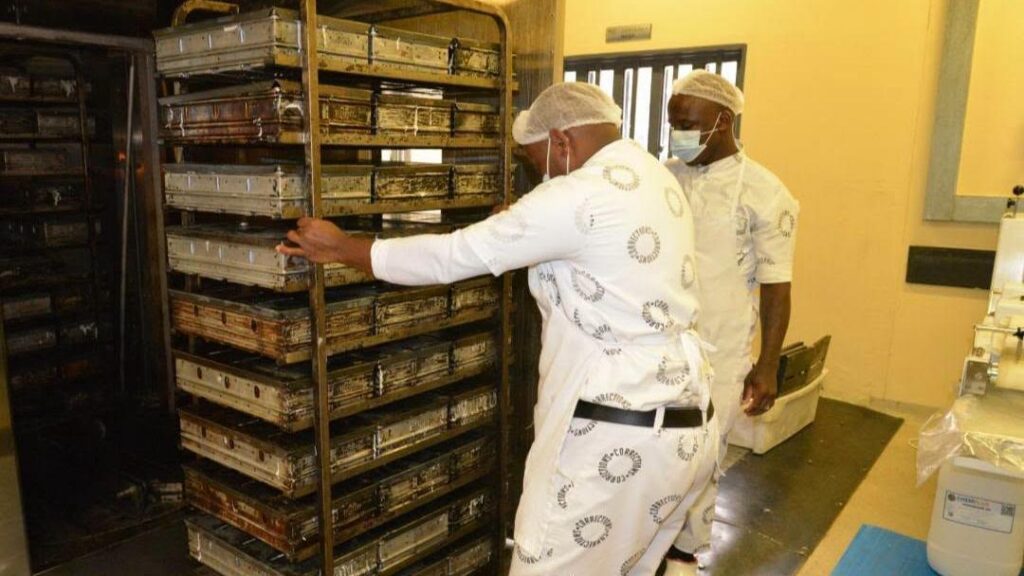
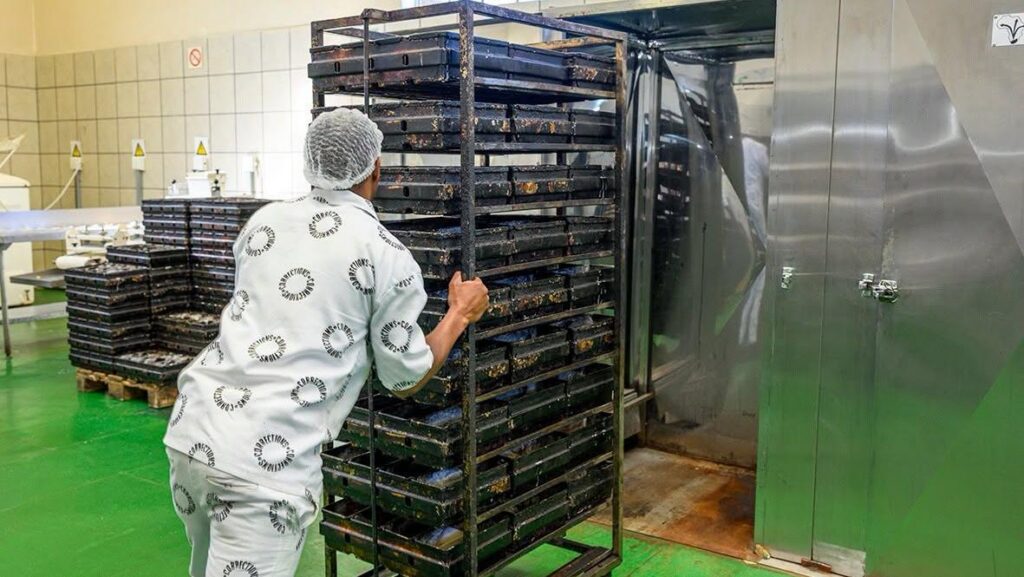
After he became Correctional Services Minister, he launched an initiative to establish internal bakeries across correctional facilities to lower operational costs.
“Offenders will now bake bread for their own consumption, reducing costs to the taxpayer,” he explained last year.
“We will produce a loaf of bread at R8.00, compared to the current R23.50 we are paying external suppliers.”
Apart from the financial benefits, the bakeries also serve as a training ground for inmates working there on a rotational basis.
The bakeries equip them with baking and entrepreneurial skills to improve their chances of employment or starting small businesses after release.
Inmates working in the bakeries receive formal training in baking and operations, earning certificates of competency upon release.
The bakeries form part of a wider self-sufficiency and sustainability program under the Department of Correctional Services.
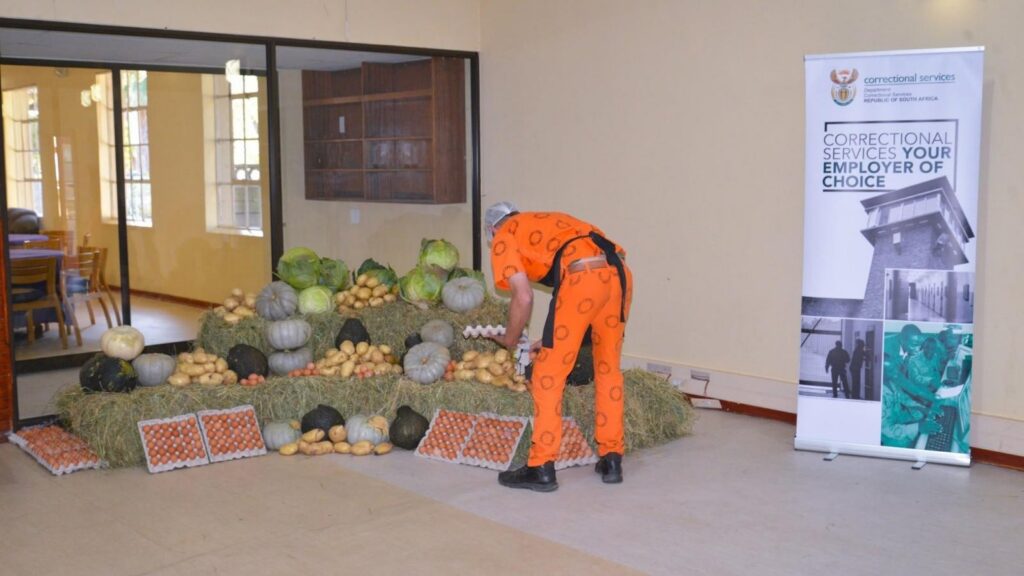
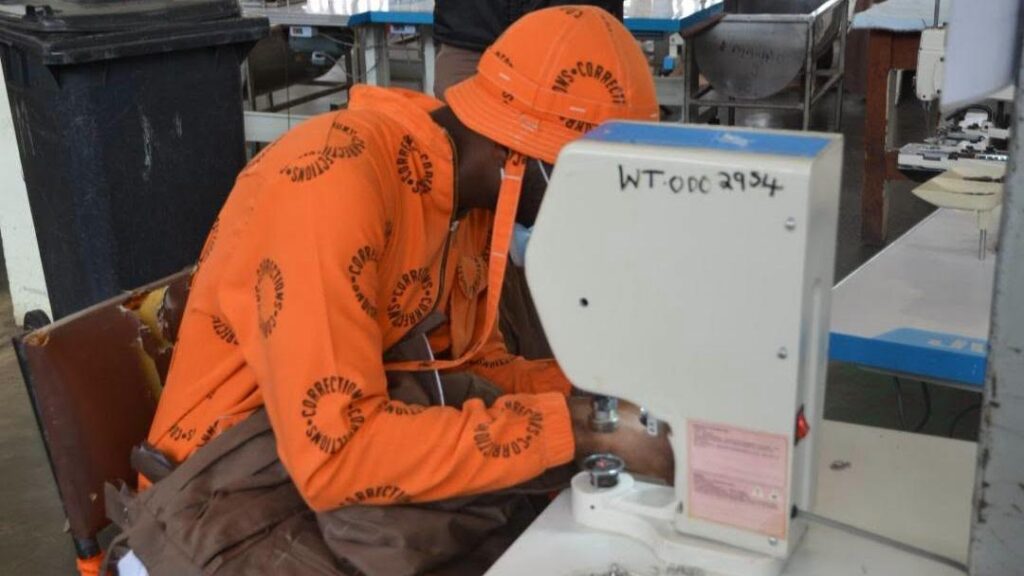
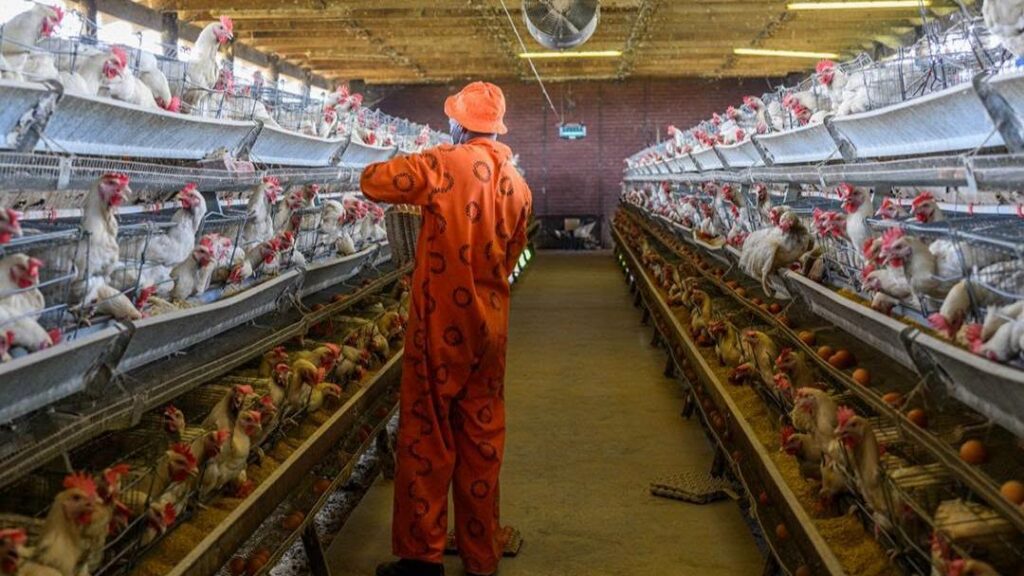
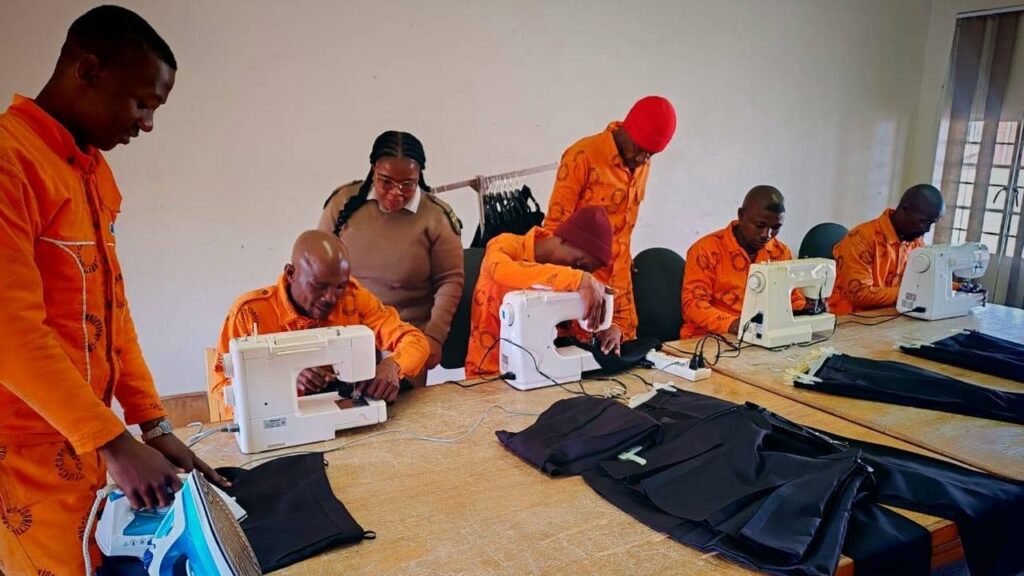
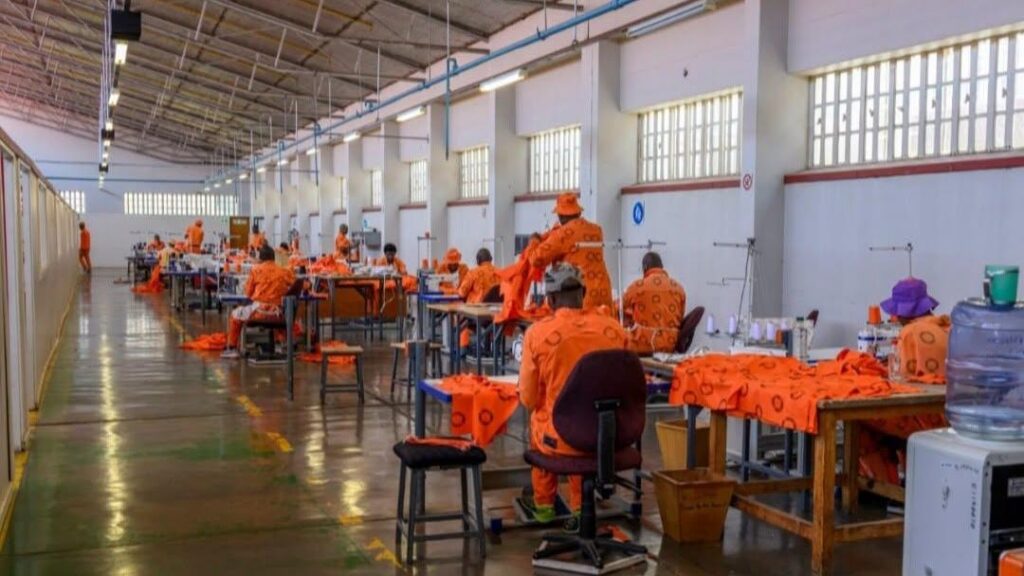
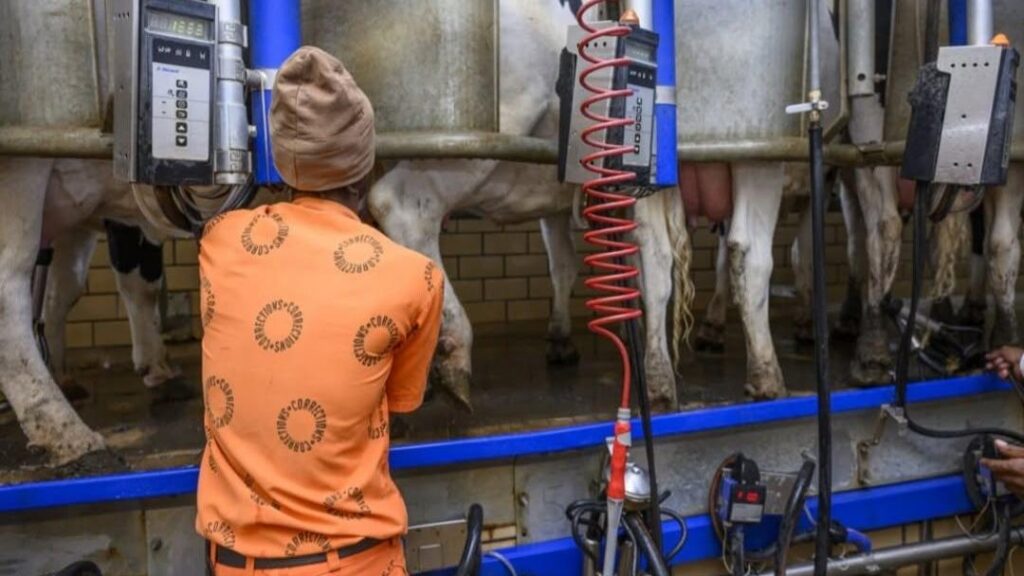
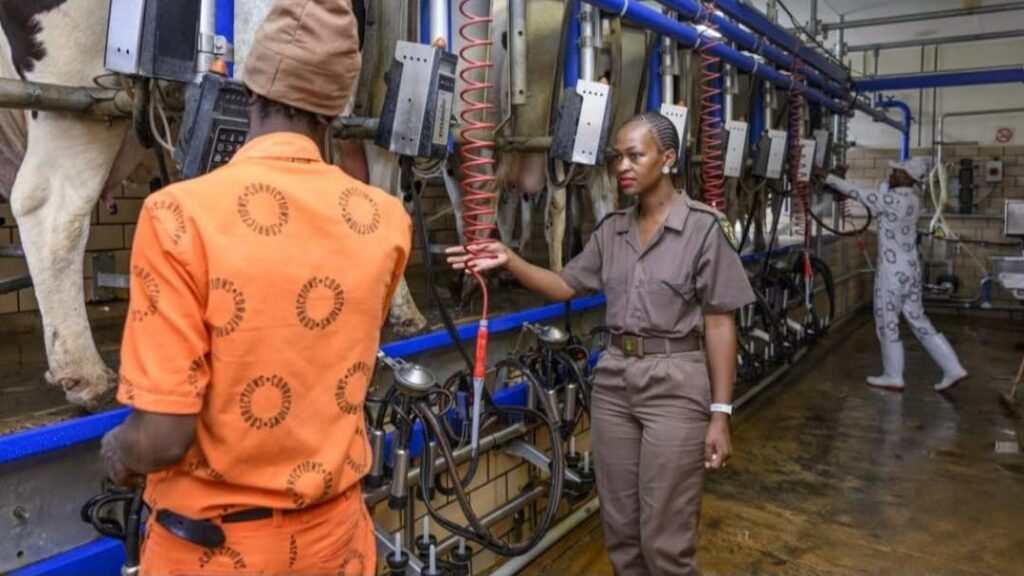
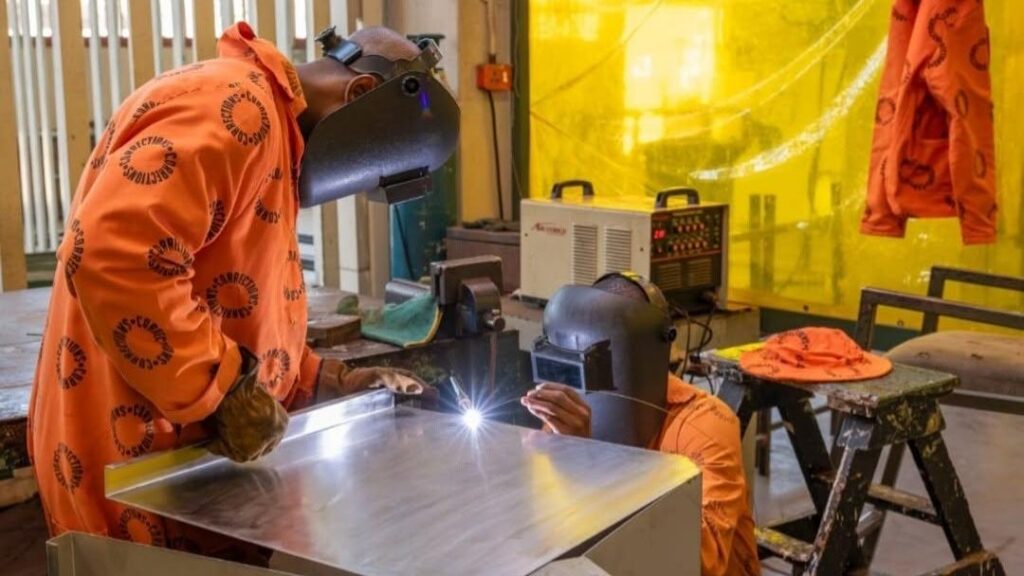
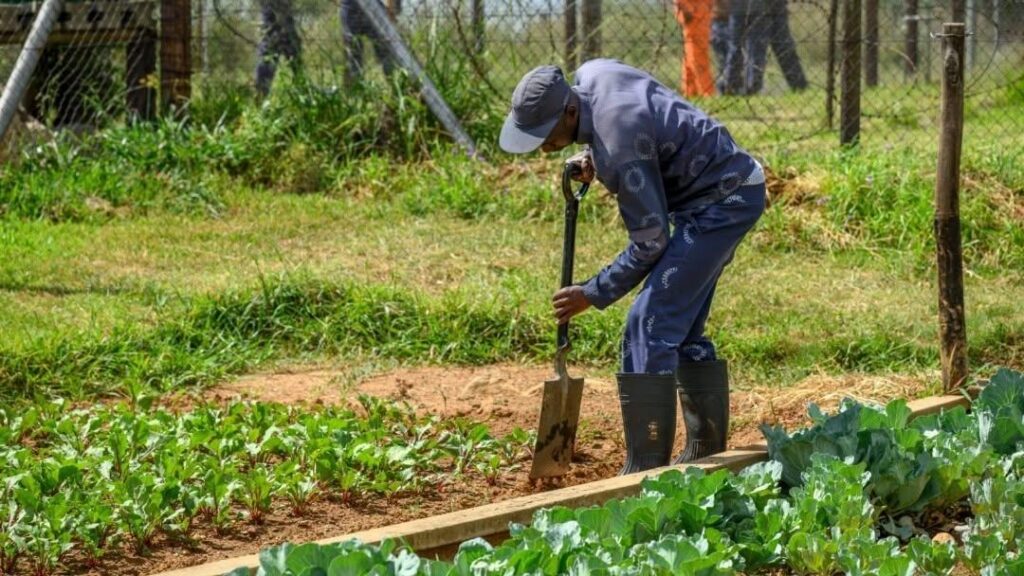
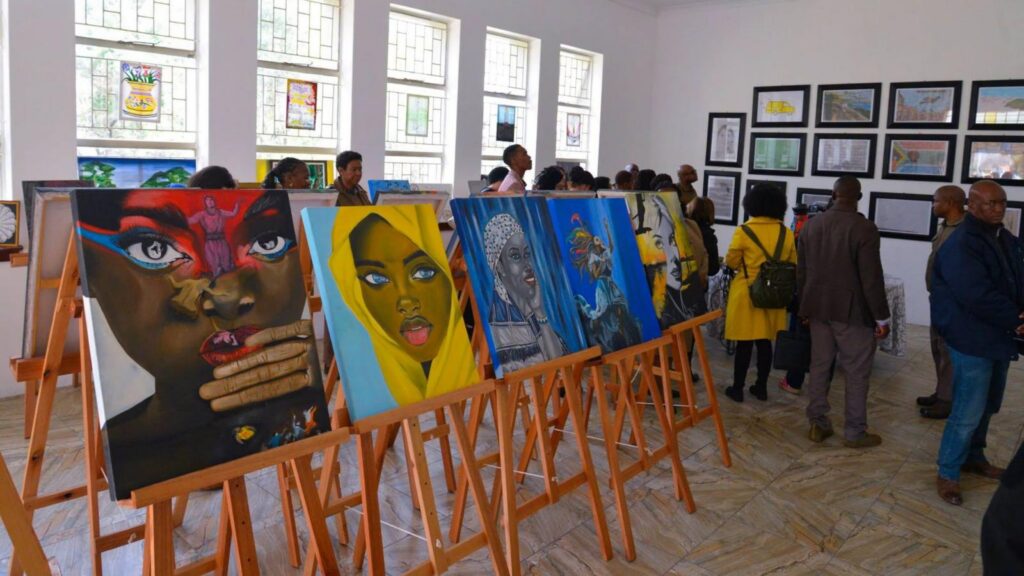
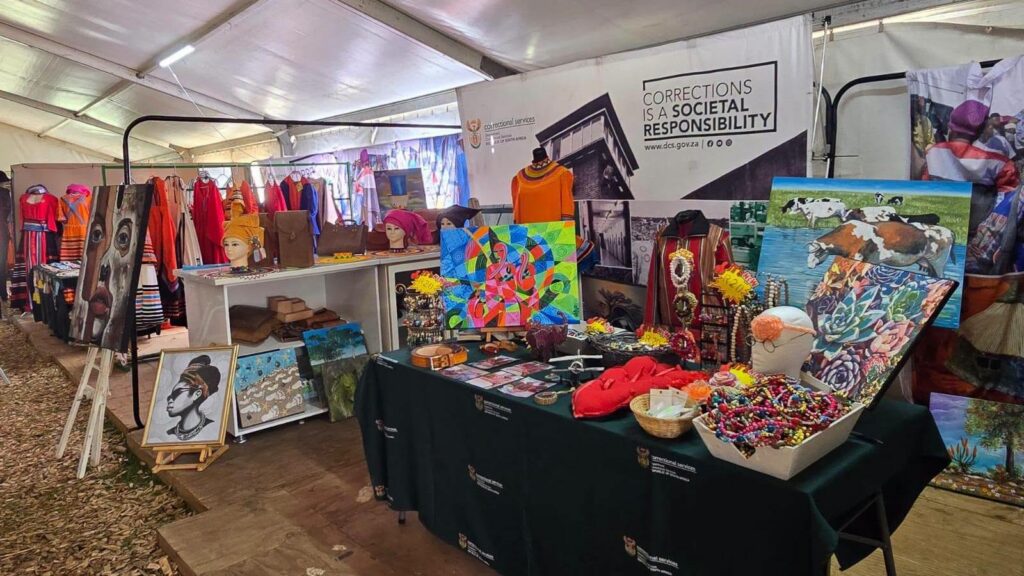
Other initiatives under this program are agricultural farming, food processing, textile production, and furniture manufacturing.
This program works well. Groenewald said that in the previous financial year, the bakeries saved his department, and, therefore, taxpayers, R77 million.
“Looking at agricultural production, we saved another R125 million. In total, we saved roughly R202 million,” he said.
“Since I became the Minister of Correctional Services, we have saved around R650 million for the taxpayer.”
He added that, by the end of his term as Minister, he would like to reach R1 billion in savings. “I think it’s possible and achievable,” he said.
Saving more money by sending foreign criminals back to their home countries
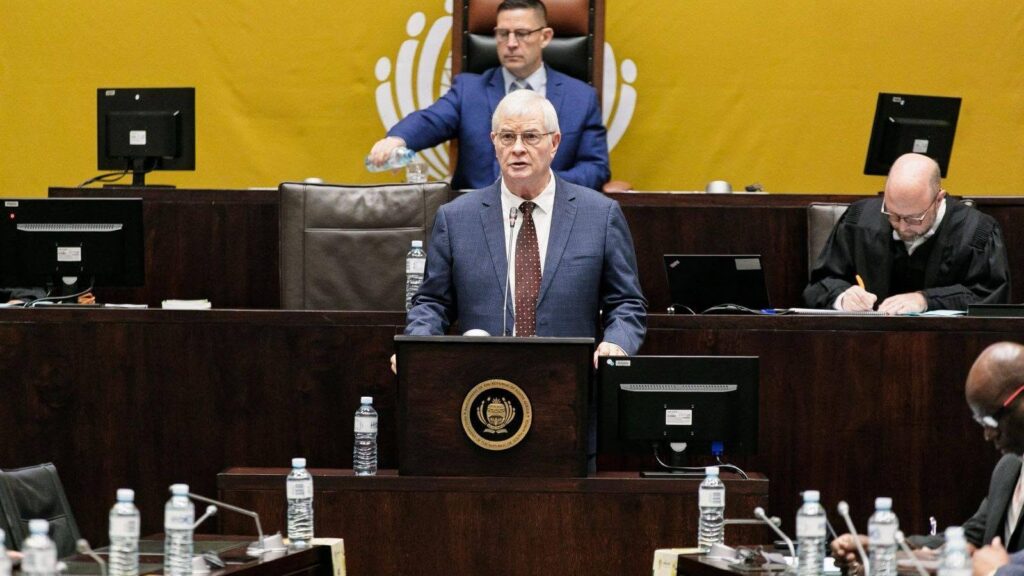
Another initiative to save South African taxpayers’ money is to send foreign criminals and detainees awaiting trial back to their home countries.
Groenewald said that there is overcrowding in South African prisons, which is made worse by 28,000 foreign nationals who are inmates.
“The running cost for a prisoner per day is R482 for the taxpayer. Foreign nationals cost South African taxpayers R13.5 million per day,” he said.
To address this problem, he is working on a programme where many foreigners who are in South African prisons can be deported to their home countries.
However, this required legislative amendments because current laws require that people awaiting trial be kept in South African jails.
He hopes that the legislative amendments will be completed within a year, allowing the state to send many foreigners awaiting trial back to their home countries.
Groenewald said that agreements and memoranda of understanding are signed with neighbouring countries, such as Namibia, Botswana, and Zimbabwe.
These agreements will facilitate offender exchanges and deportations, thereby relieving overcrowding in local prisons and reducing costs.
Although South Africa will also receive prisoners held in other countries under this agreement, he is confident that the country will benefit financially.
He explained that agreements with South Africa’s neighbours and other members of the Southern African Development Community will be good enough.
This is due to the breakdown of foreigners in local prisons. Most come from Zimbabwe, Mozambique, Lesotho, and Malawi.
Department of Correctional Services self-sufficiency and sustainability program photos




Comments