The family-run business making critical equipment for Shoprite, Woolworths, and Pick n Pay


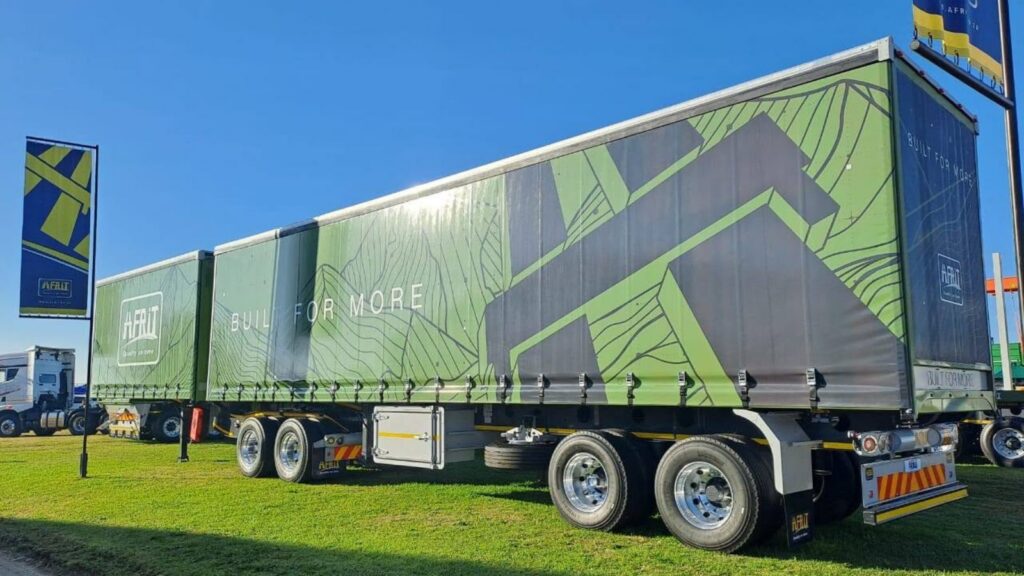
Afrit is a forgotten South African industrial powerhouse producing 7,000 truck trailers annually for Shoprite, Woolworths, Pick n Pay, and every mining company in the country.
These trailers are used to transport anything from vehicles to fresh food to bulk commodities such as coal and iron ore.
As South Africa’s rail network has deteriorated, Afrit’s business has soared as miners and industry switch to road freight.
While it is one of the largest trailer manufacturers in the world, Afrit is a young business that was only founded in 1968.
Unlike many Dutch immigrant families, the Van de Weterings only reached South African shores in 1955 in the hope of building a better future.
The patriarch, Arend van de Wetering, brought the family to South Africa to try to keep it together with his welder’s salary in the Netherlands unable to sustain eight children.
Van de Wetering continued working as a welder in South Africa, but encouraged his children to become entrepreneurs and work for themselves.
From the off, it was a true family business. One son would design industrial machines in his free time, and Arend would build them along with his other children in their spare time.
Steadily building up their funds, the Van de Wetering family put in an offer to buy Afrit in 1985. By then, this business was already a major trailer manufacturer.
The company was a major provider of trailers to South African Breweries (SAB), Coca-Cola, and many of the local mining companies.
“I bought Afrit because I had seen how the business grew and could see how they were benefitting from their relationship with Armscor to supply the defence force,” current CEO Albert van de Wetering told CNBC.
“In 1990, the third generation of the family took control. Once we got involved, we refined the systems and the policies on which our parents built the company.”
Van de Wetering explained that the third generation has driven the business’s digitisation, greatly improving productivity.
“I would say from 1990 to 1993 is when we really built Afrit into the company that it is today by applying new methods and technologies,” Van de Wetering said.
Taking over South Africa
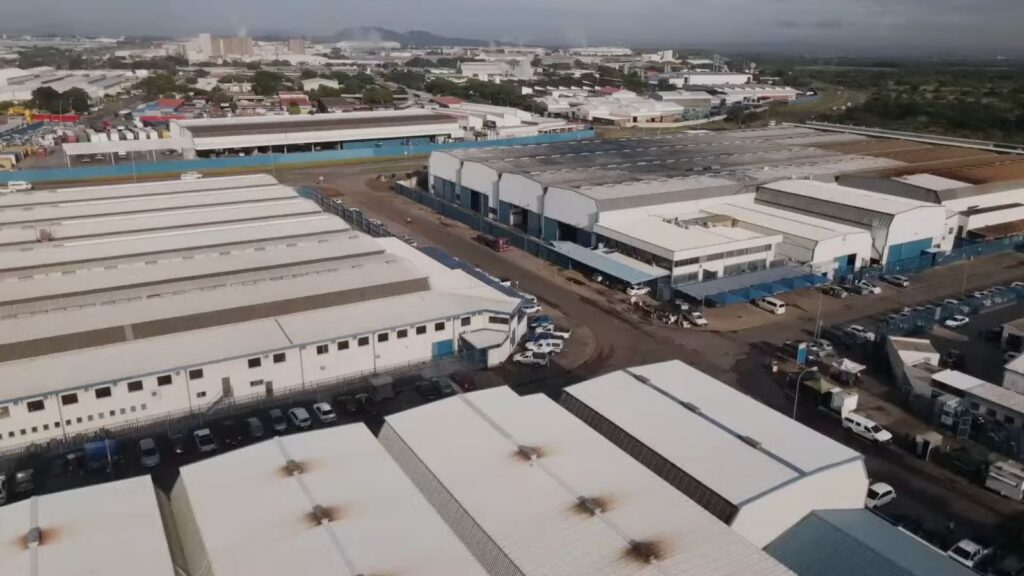
Afrit has a tricky balancing act to strike, aiming to minimise the weight of its trailers while ensuring they can carry large loads.
The company’s trailers are also designed to withstand South Africa’s notoriously poor road quality.
Its efforts to do so have resulted in it effectively being the only game in town for large trailers in South Africa.
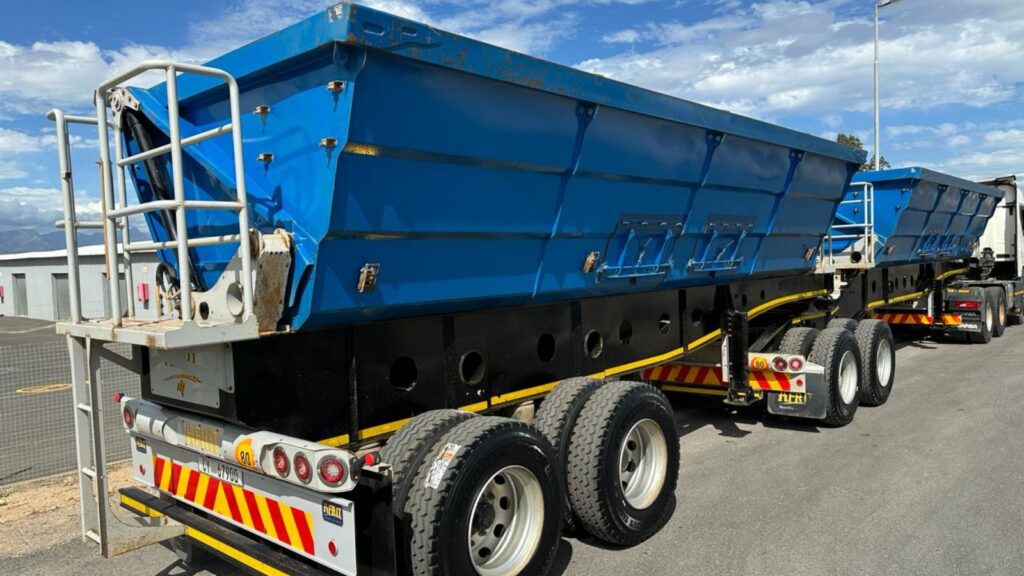
Afrit manufactures trailers ranging from side tippers used by miners, sliding curtains for Coca-Cola and SAB, flatbeds for mixed cargo, and refrigerated reefers.
It has not been all easy for the Van de Wetering family in building Afrit, with the business going through several boom and bust cycles.
The most vicious of these was the commodity boom leading up to the Global Financial Crisis in 2008/09. This saw the business’s growth surge before being cut in half.
“We had enormous growth from 2002 until the crisis, with growth of around 30% per annum on average. In one year, we almost doubled our business,” Van de Wetering said.
“This was always going to be unsustainable, but we had to ramp up production just before the crisis hit and turned the tables on our business.”
Van de Wetering explained that the company was designed to accommodate explosive growth, but all of a sudden, things came to a halt.
“From 2008 to 2009, we had a 60% decline in our business. The biggest challenge was to get rid of the stock that we had accumulated,” Van de Wetering explained.
At the time, Afrit had greatly expanded its facilities and even placed an order for steel for an entire year ahead.
However, Van de Wetering and Afrit saw this as an opportunity, rather than a disaster. With credit drying up, Afrit launched Phuma Finance to offer financing to customers.
As many of its competitors were shutting up shop, Afrit continued to invest in its business and has reaped handsome rewards in the years following the financial crisis.
Afrit invested heavily in improving its after-sales service in the rest of southern Africa and ensured that it retained the capacity to pick up production when demand recovered.
Demand has surged over the past 15 years, with South Africa’s rail network collapsing and many companies switching freight to road transport.
Afrit now produces 32 trailers a day, making it the largest business of its kind in Africa and one of the 30 largest in the world.
While the Van de Weterings continue running the company, it has been bought by The Bud Group, which has turned it into a fully integrated transport solutions company.
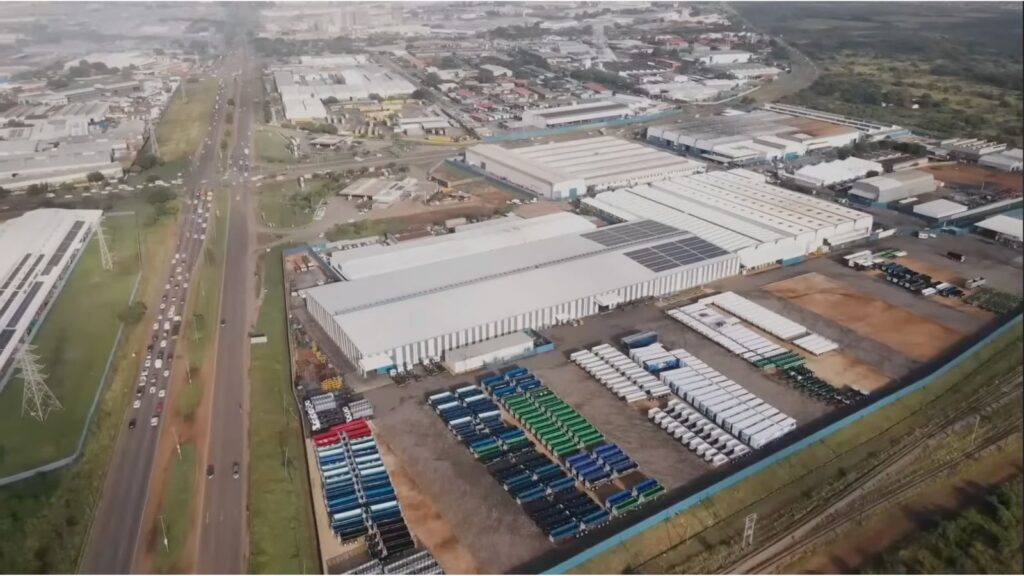
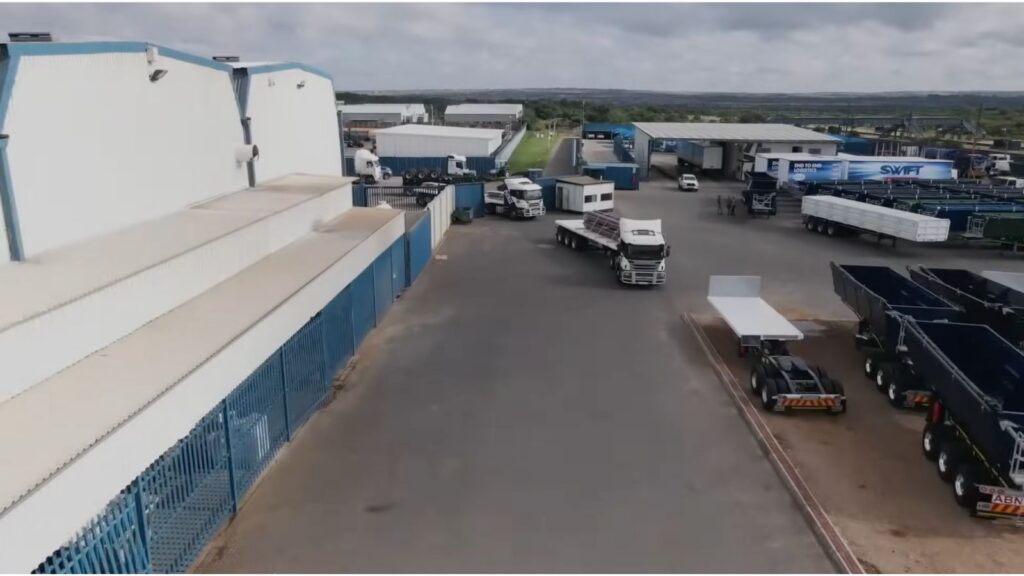
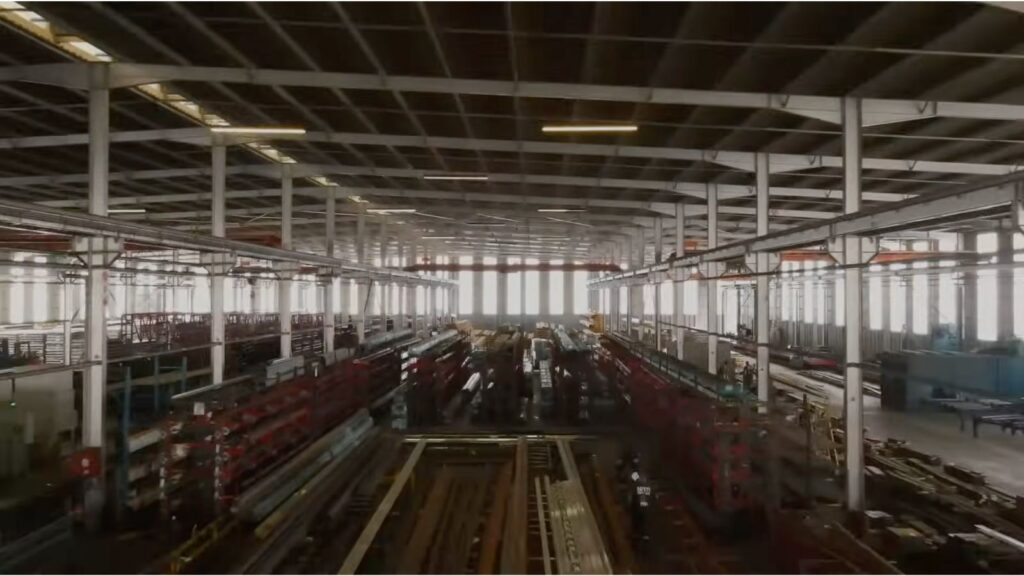
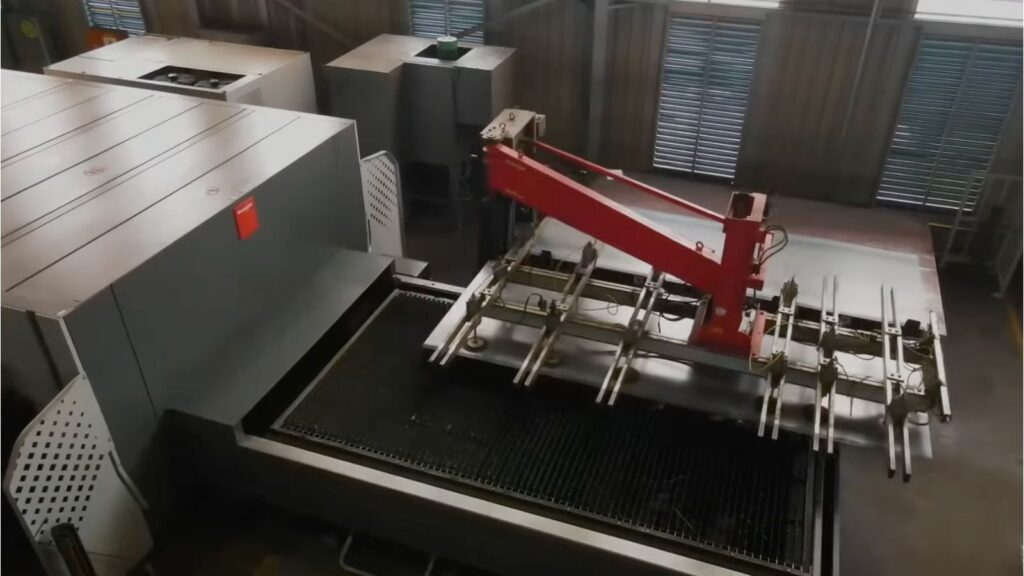
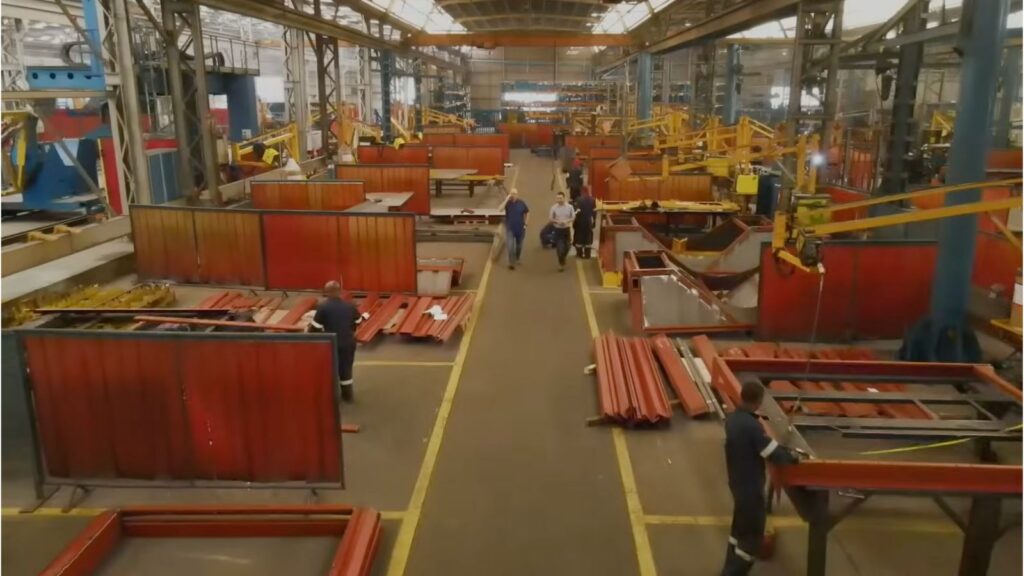
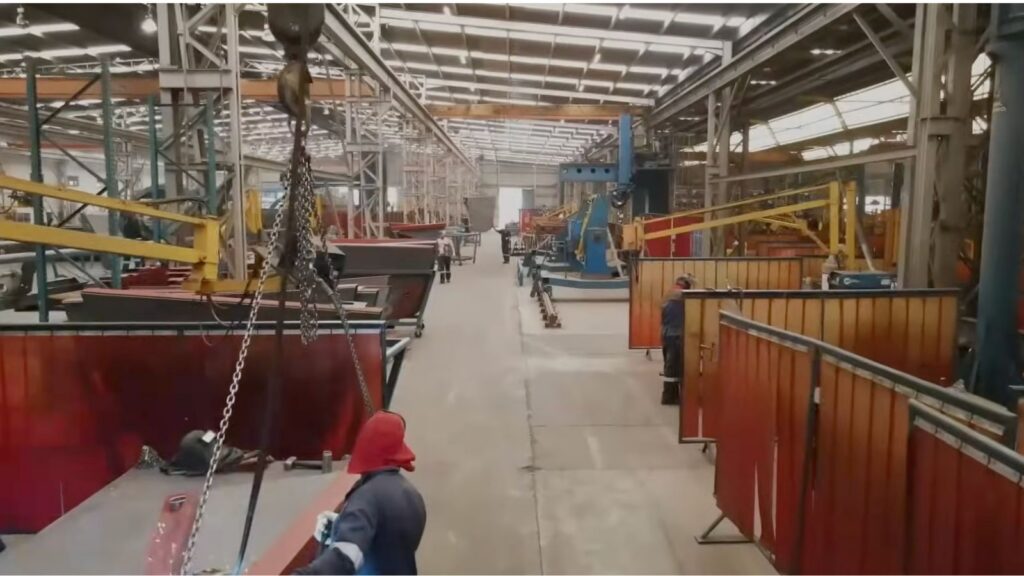
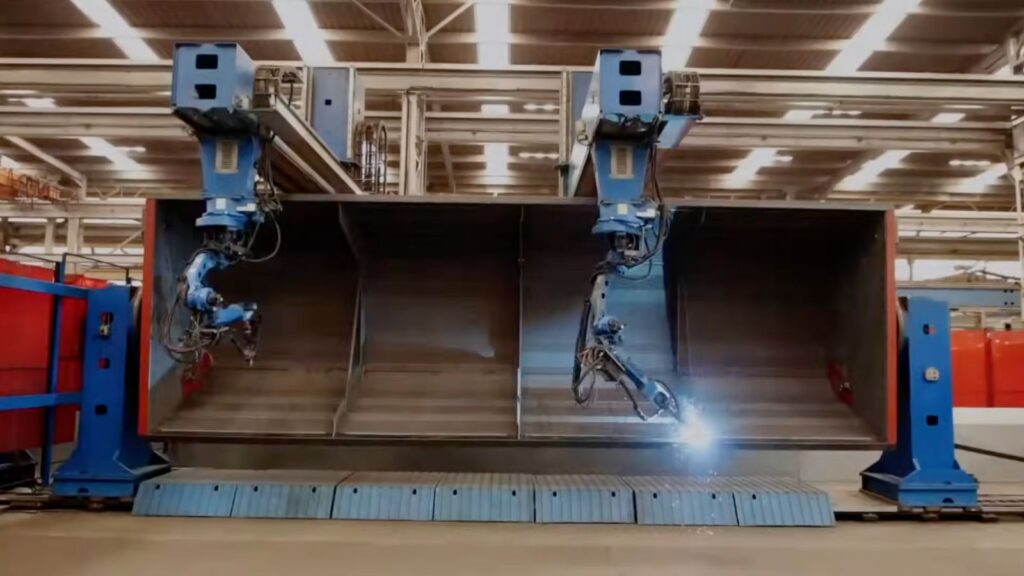
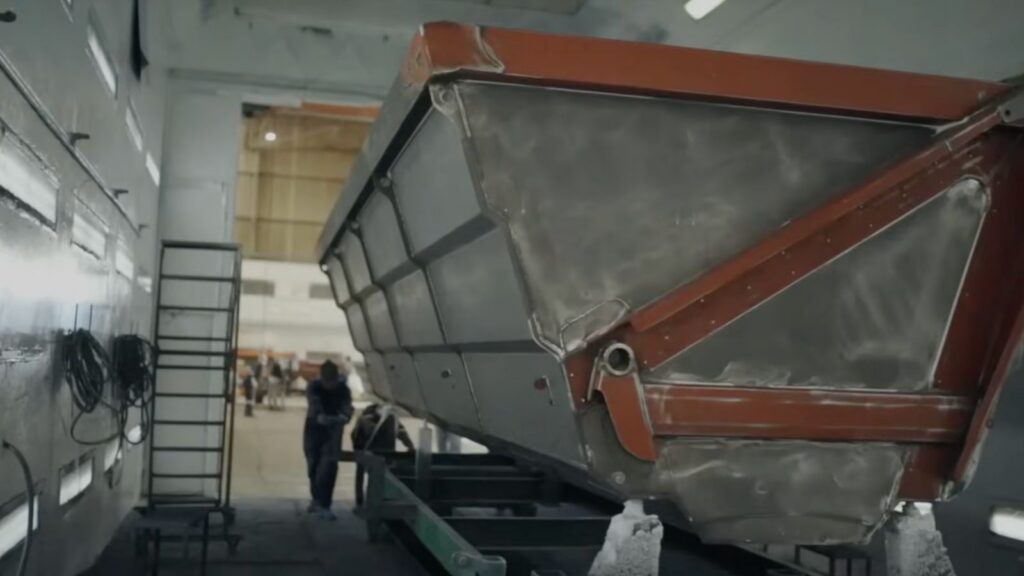
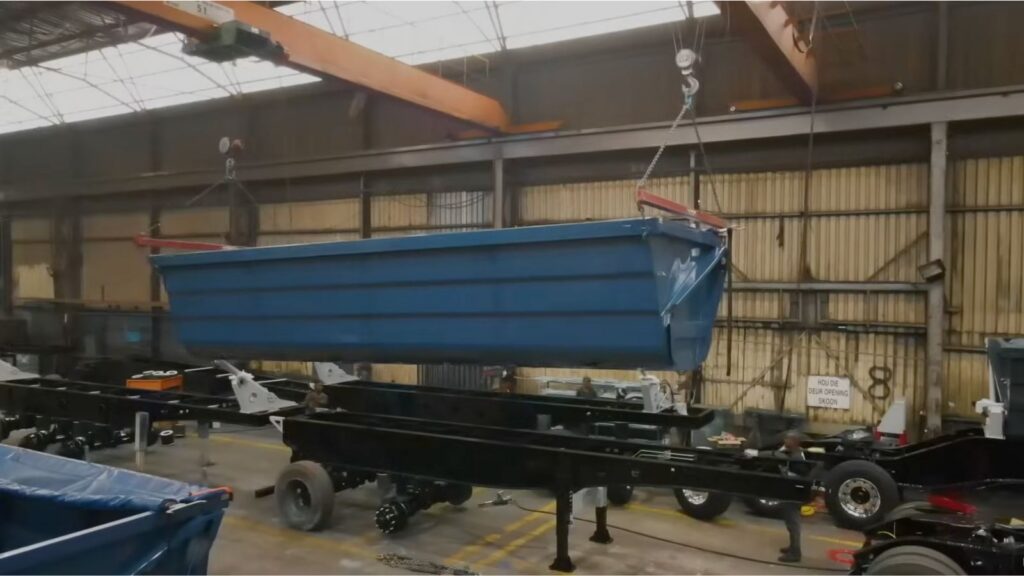
Afrit still manufactures its trailers from its 78,000 m² plant in Rosslyn, Pretoria. Apart from that, the company offers in-house financing and leasing.
Afrit’s Rosslyn operations
 Loading ...





Comments