Goodbye Joburg – South Africans flock to these semigration hotspots


South Africans are increasingly semigrating from inland cities like Johannesburg to coastal hotspots such as Cape Town, the Garden Route, and KwaZulu-Natal’s North Coast.
While national property growth remains mixed, with even major cities stagnating, coastal towns continue to outperform the rest of the country.
Semigration, remote work, and retirement migration continue to drive strong demand for homes near the ocean, keeping coastal markets buoyant even as inland areas slow.
Quay 1 International Realty explained that Cape Town remains at the forefront of South Africa’s coastal investment market in 2025, driven by ongoing semigration, limited supply, and strong lifestyle demand.
The Atlantic Seaboard, Southern Suburbs, and emerging areas such as Bloubergstrand and Milnerton are showing notable price resilience, with buyers from Gauteng and KwaZulu-Natal keeping demand high.
The agency also highlighted that sectional title prices in Cape Town’s coastal suburbs have risen by over 35% since 2020.
Freestanding homes in high-demand areas, such as Sea Point, Green Point, and Noordhoek, continue to achieve record sales. According to Antonie Goosen, principal and founder of Meridian Realty, the trend is structural, not seasonal.
“South Africans want lifestyle security. The coast offers cleaner governance, better infrastructure and a higher quality of life. These are long-term fundamentals that investors can trust.”
Coastal property remains one of the most resilient asset classes in South Africa. Key Western Cape and Garden Route towns are seeing consistent demand, and there is renewed interest in select KwaZulu-Natal and Eastern Cape areas.
Somerset West and Strand (Helderberg) offer a mix of family living and investment potential, benefiting from Cape Town’s proximity, solid infrastructure, and rental demand from both professionals and retirees.
Hermanus and Gansbaai (Overstrand) continue to see value growth as roads and amenities improve. Mossel Bay and Dana Bay remain popular due to strong municipal management.
Dana Bay offers panoramic ocean views at lower entry prices. Plettenberg Bay and Knysna also continue to command premium prices.
However, sectional title apartments and smaller homes are gaining popularity for their rental potential and ease of management, Goosen said.
In the Eastern Cape, he said that Jeffreys Bay and St Francis Bay are emerging as viable full-time residential areas, with improved roads and digital connectivity supporting property growth.
Trends driving South Africa’s semigration boom

Short-term letting plays a significant role in driving demand, particularly in Cape Town, where tourism recovery and year-round visitor traffic have strengthened rental yields.
Areas such as Sea Point, Green Point, De Waterkant, and Blouberg are seeing strong occupancy levels and attractive nightly rates.
This is making them top performers for investors focused on Airbnb and executive rentals, Quay 1 International Realty noted.
There are several key trends driving South Africa’s semigration boom, and shaping the country’s coastal market in 2025. These include:
- Remote work: The ability to work from anywhere is turning holiday towns into permanent communities.
- Early retirement migration: Buyers in their fifties are purchasing coastal homes now and renting them out until they relocate.
- Energy and water resilience: Solar installations, inverters, and water tanks are increasingly essential to protect lifestyle and resale value.
- Sectional title growth: Compact lock-up-and-go properties are performing strongly, offering rental flexibility and lower maintenance costs.
“Buyers are prioritising convenience and sustainability,” Goosen said. “They want homes that are secure, energy efficient, and adaptable for either personal use or income generation.”
New semigration hotspots emerge
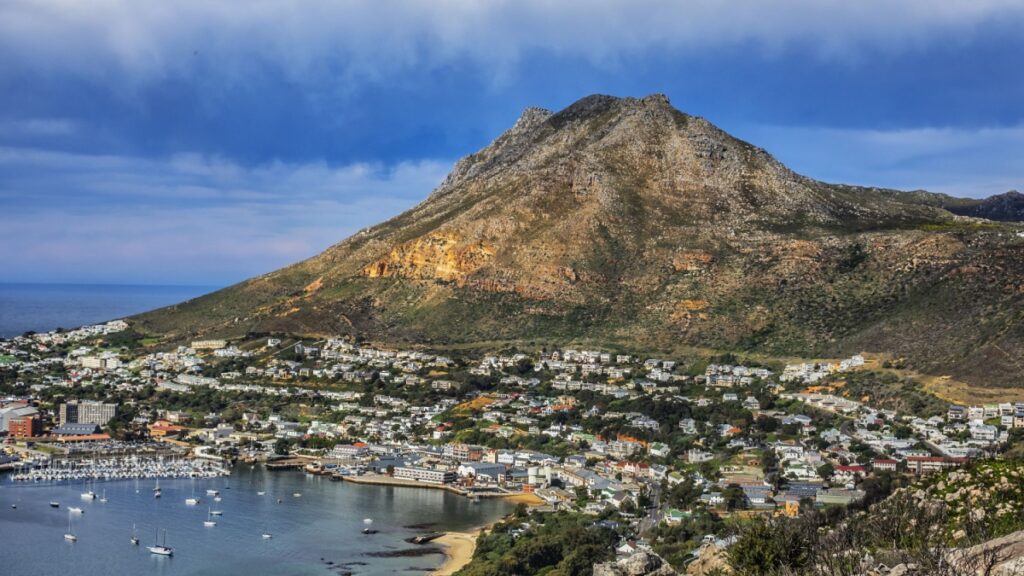
While the Western Cape continues to dominate in governance and long-term returns, opportunities still exist in less-tapped coastal markets, Goosen explained.
“There are towns where you can still buy below R2 million and see meaningful capital growth.” Average rental yields range from around 6% in prime Western Cape areas to over 10% in emerging Eastern Cape and KwaZulu-Natal markets.
The expansion of short-term letting platforms has created new income streams for investors in smaller towns. He explained that those considering a move to coastal towns should consider the following factors.
- Choose municipalities with proven governance and reliable service delivery.
- Prioritise locations with access, amenities, and healthcare over pure scenery.
- Look for properties that can serve dual purposes as rentals and future residences.
- Invest in sustainability features that cut running costs and boost resale appeal.
- Follow infrastructure development – new roads, fibre, and hospitals signal future growth.
Coastal property remains the emotional and financial heart of South African real estate. “People will always be drawn to the coast,” Goosen said.
“In uncertain times, lifestyle and liveability drive decisions, and those factors will keep well-chosen coastal investments performing well into the future.”
Beyond Cape Town, regional coastal markets are following their trajectory as lifestyle-driven investment deepens.
Towns like Yzerfontein, Langebaan, and Hermanus on the West Coast and Overberg continue to see double-digit growth, supported by buyers seeking value beyond the metro while retaining accessibility to Cape Town.
Similarly, the Garden Route, particularly George and Herolds Bay, has seen average property prices nearly double over the past five years.
In KwaZulu-Natal, despite broader market challenges, the North Coast (Ballito, Salt Rock, and Sheffield) remains resilient with strong semigration inflows and short-term rental yields outperforming national averages, Quay 1 International Realty said.
“Collectively, these trends highlight a broader coastal renaissance, anchored by Cape Town’s stability and extending into adjacent coastal corridors where affordability and lifestyle converge.”





Comments